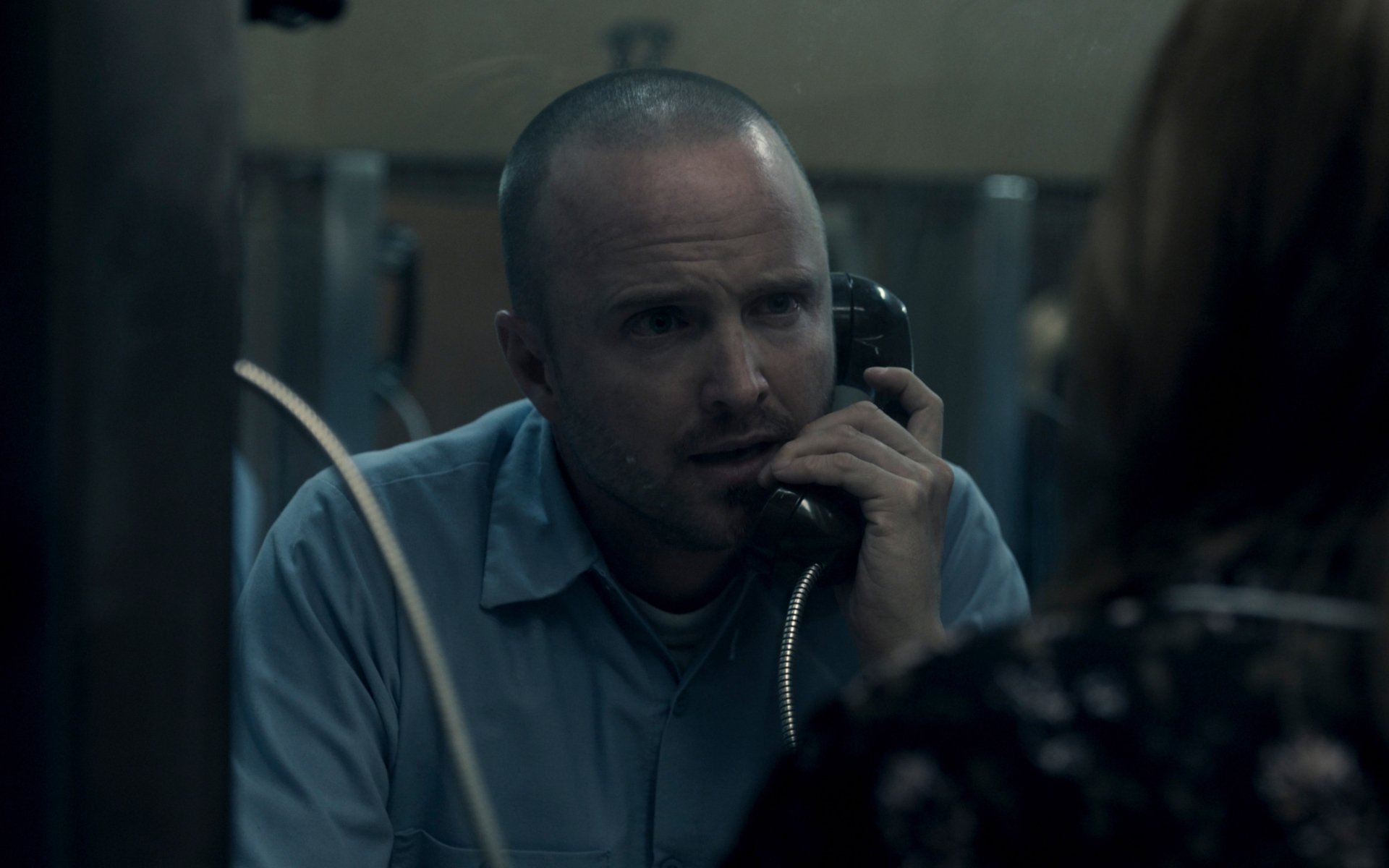
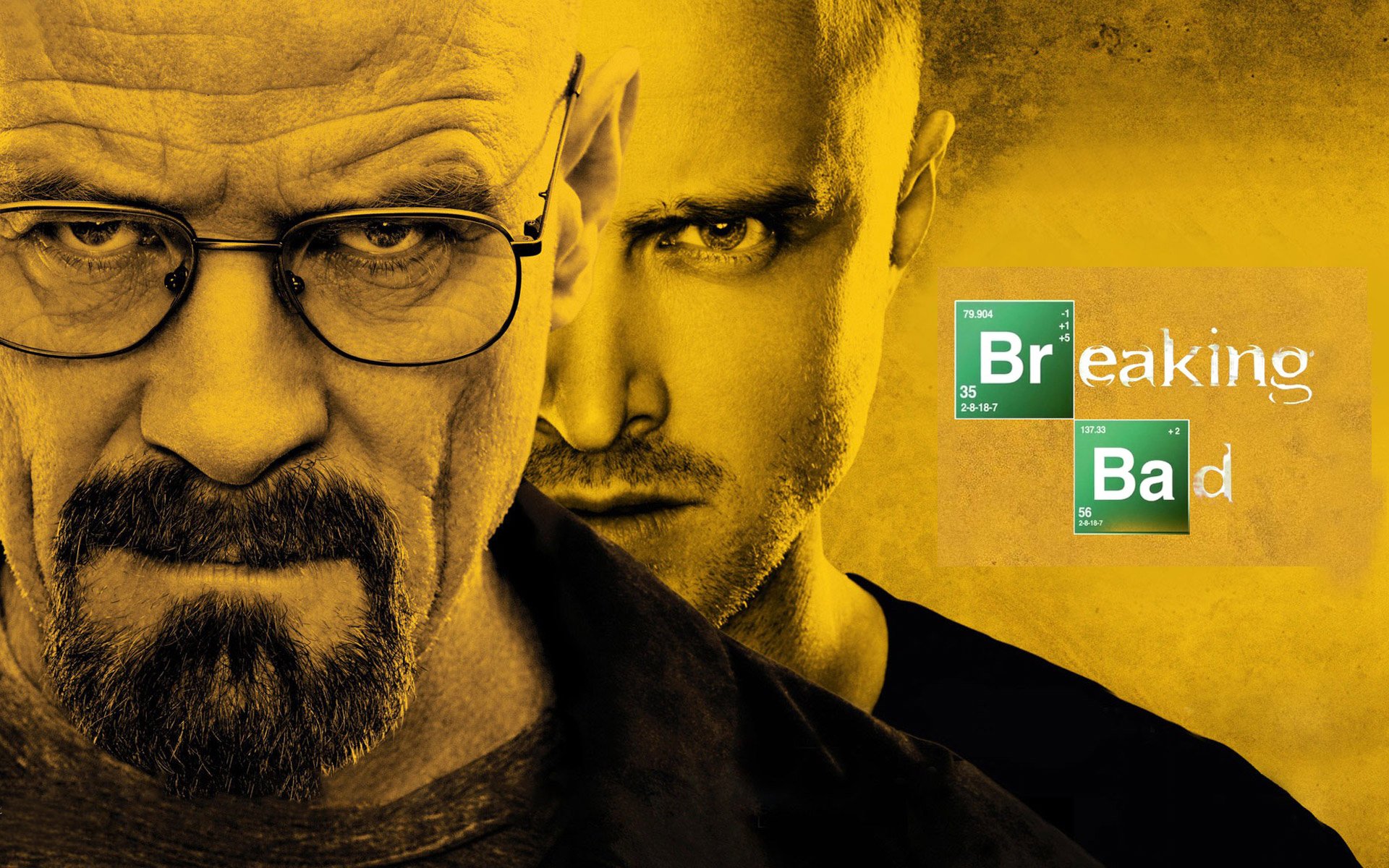
Aaron Paul is an American actor best known for his portrayal of Jesse Pinkman in the critically acclaimed crime drama Breaking Bad. Over a career spanning more than two decades, he has transitioned from guest-starring roles in television procedurals to leading positions in high-concept science fiction, animation, and prestige dramas. His body of work highlights a versatile range that encompasses intense emotional depth, comedic timing, and nuanced voice acting.
Early Career and Television Guest Appearances
Before achieving global recognition, Aaron Paul Sturtevant—who performs professionally as Aaron Paul—built a foundational career through consistent work in late 1990s and early 2000s television. These early roles served as a training ground, exposing him to the fast-paced nature of episodic network television.
His initial appearances were largely characterized by the "guest star" format. In the late 1990s, he appeared in programs such as Beverly Hills, 90210, Melrose Place, and 3rd Rock from the Sun. These roles were typically brief, often requiring him to play the archetype of a young, rebellious, or misunderstood character. This specific casting type would ironically forecast his later breakout role, though at the time, these parts provided him with the necessary screen credits to secure larger auditions.
Throughout the early 2000s, Paul’s resume expanded to include appearances in major procedural dramas, including The X-Files, Judging Amy, NYPD Blue, and ER. Each of these appearances required him to adapt to the specific "tone" of the show, learning to balance his natural screen presence with the rigid constraints of a procedural script. This period of his career was marked by persistence, moving from one-off roles to minor recurring characters, which is a common trajectory for actors navigating the competitive landscape of Los Angeles television production.
The Breaking Bad Phenomenon
The most significant inflection point in Aaron Paul’s career occurred in 2008 with his casting as Jesse Pinkman in Breaking Bad. Created by Vince Gilligan for AMC, the show centers on the transformation of Walter White from a high school chemistry teacher into a meth-manufacturing kingpin.
Jesse Pinkman was originally intended to be a minor character who would die during the show's first season. However, the chemistry between Paul and lead actor Bryan Cranston, combined with Paul’s compelling portrayal of the character’s moral struggle and personal trauma, convinced the show’s writers to keep the character alive. This decision fundamentally altered the trajectory of the series.
Character Arc and Performance
Jesse Pinkman’s journey throughout the five seasons of Breaking Bad is often cited by critics as one of the finest character arcs in television history. Paul’s ability to convey profound grief, addiction, and eventual search for redemption provided the emotional anchor for the show.
- Seasons 1–2: Jesse is introduced as a desperate, small-time dealer. Paul played the character with a mix of bravado and vulnerability, establishing the unique "Jesse" vernacular that became a cultural staple.
- Seasons 3–5: As the narrative stakes increased, Paul’s performance required a shift toward darker, more internalized acting. His depiction of a character trapped by his own actions—and the actions of others—earned him three Primetime Emmy Awards for Outstanding Supporting Actor in a Drama Series.
Transition to Leading Roles: BoJack Horseman and The Path
Following the conclusion of Breaking Bad in 2013, Paul focused on projects that allowed him to diversify his public image and explore different performance mediums, most notably voice acting and streaming-exclusive dramas.
Voice Acting in BoJack Horseman
Paul joined the cast of the Netflix original animated series BoJack Horseman (2014–2020) as Todd Chavez. This role demonstrated his range, moving away from the gritty intensity of his previous work into the realm of character comedy and surrealism. As Todd, Paul provided a grounded, albeit eccentric, performance that stood in stark contrast to the cynicism of the show’s protagonist. His work on BoJack Horseman showcased his ability to emote solely through vocal delivery, a skill that requires a different technical approach than traditional camera acting.
The Path and Lead Drama Roles
In 2016, Paul took on the leading role of Eddie Lane in the Hulu series The Path. The show delved into the inner workings of a fictional cult, known as Meyerism. This marked his first major return to a lead dramatic role on television post-Breaking Bad. Playing a husband and father caught between faith and institutional corruption allowed Paul to explore themes of belief and systematic control. While the show explored a different thematic landscape, it relied on the same intensity and psychological complexity that he had previously demonstrated.
Key Television Roles: A Comparison
The following table categorizes the primary television projects where Aaron Paul has held significant roles, highlighting the diversity of his career path.
| Series Title | Role | Type | Network/Platform | Years Active |
|---|---|---|---|---|
| Breaking Bad | Jesse Pinkman | Lead | AMC | 2008–2013 |
| BoJack Horseman | Todd Chavez | Voice Lead | Netflix | 2014–2020 |
| The Path | Eddie Lane | Lead | Hulu | 2016–2018 |
| Truth Be Told | Warren Cave | Lead | Apple TV+ | 2019–2020 |
| Westworld | Caleb Nichols | Lead | HBO | 2020–2022 |
| Black Mirror | Various | Guest Lead | Netflix | 2017 (Ep. "USS Callister") |
Modern Television Endeavors: Westworld and Beyond
In 2020, Paul joined the cast of the high-budget HBO series Westworld for its third and fourth seasons. As Caleb Nichols, a construction worker and former soldier, Paul was thrust into a complex, world-building narrative centered on artificial intelligence and societal control.
Joining an established, ensemble-based science fiction series required Paul to adapt to a high-concept production environment where character motivations are often obscured by complex plotting and world-building requirements. His portrayal of Caleb allowed him to integrate his experience in gritty, grounded roles with the elevated, futuristic aesthetic of Westworld.
Performance Limitations and Context
It is important to note that television acting, particularly in science fiction or high-concept series, often places actors within the framework of a "writer-led" environment. In these roles, the narrative arcs are dictated by the series creator’s long-term vision. Viewers who enjoy Paul's work in these later shows often note his ability to maintain a consistent "emotional baseline," even when the plots involve high-level technical or speculative concepts.
Frequently Asked Questions
Did Aaron Paul return to the role of Jesse Pinkman?
Yes. Aaron Paul reprised the role of Jesse Pinkman in the 2019 Netflix film El Camino: A Breaking Bad Movie, which serves as an epilogue to the series. He also returned to the role for guest appearances in the final season of the spin-off series Better Call Saul in 2022.
Has Aaron Paul produced any television shows?
Yes. Aaron Paul has moved into production roles as well. He served as an executive producer on BoJack Horseman, demonstrating his influence behind the scenes in addition to his voice acting contributions.
What is the most awarded role of Aaron Paul’s career?
His role as Jesse Pinkman in Breaking Bad is his most critically acclaimed and awarded. It earned him three Primetime Emmy Awards (2010, 2012, 2014) and a Critics Choice Television Award, among other accolades.
How does voice acting for animation compare to his live-action work?
Paul has stated in interviews that voice acting requires a higher degree of vocal precision because the actor cannot rely on body language or facial expressions to convey the character's state. It requires the actor to paint a picture entirely through tone, pitch, and timing.
Are there any upcoming TV projects featuring Aaron Paul?
As of 2026, professional career movements for actors are subject to individual production schedules. Readers interested in his latest projects should consult official industry databases like the Internet Movie Database (IMDb) or major trade publications like Variety or The Hollywood Reporter for verified, upcoming production announcements.
Conclusion and Next Actions
Aaron Paul’s career represents a deliberate evolution from a struggling guest-star actor to a fixture of modern prestige television. His trajectory demonstrates the importance of "character growth"—both for the characters he portrays and for his own artistic range. For those interested in exploring his work, the best approach is to follow his evolution chronologically. Starting with Breaking Bad provides the necessary context for his acting style, while BoJack Horseman offers a view into his versatility.
If you are looking for specific content to watch, ensure you check the current streaming licensing agreements in your region, as availability on platforms like Netflix, Hulu, or Max can change based on regional distribution contracts. Always verify the most recent episode list and official cast credits on authorized production websites if you are looking to confirm his involvement in a specific, newer production.