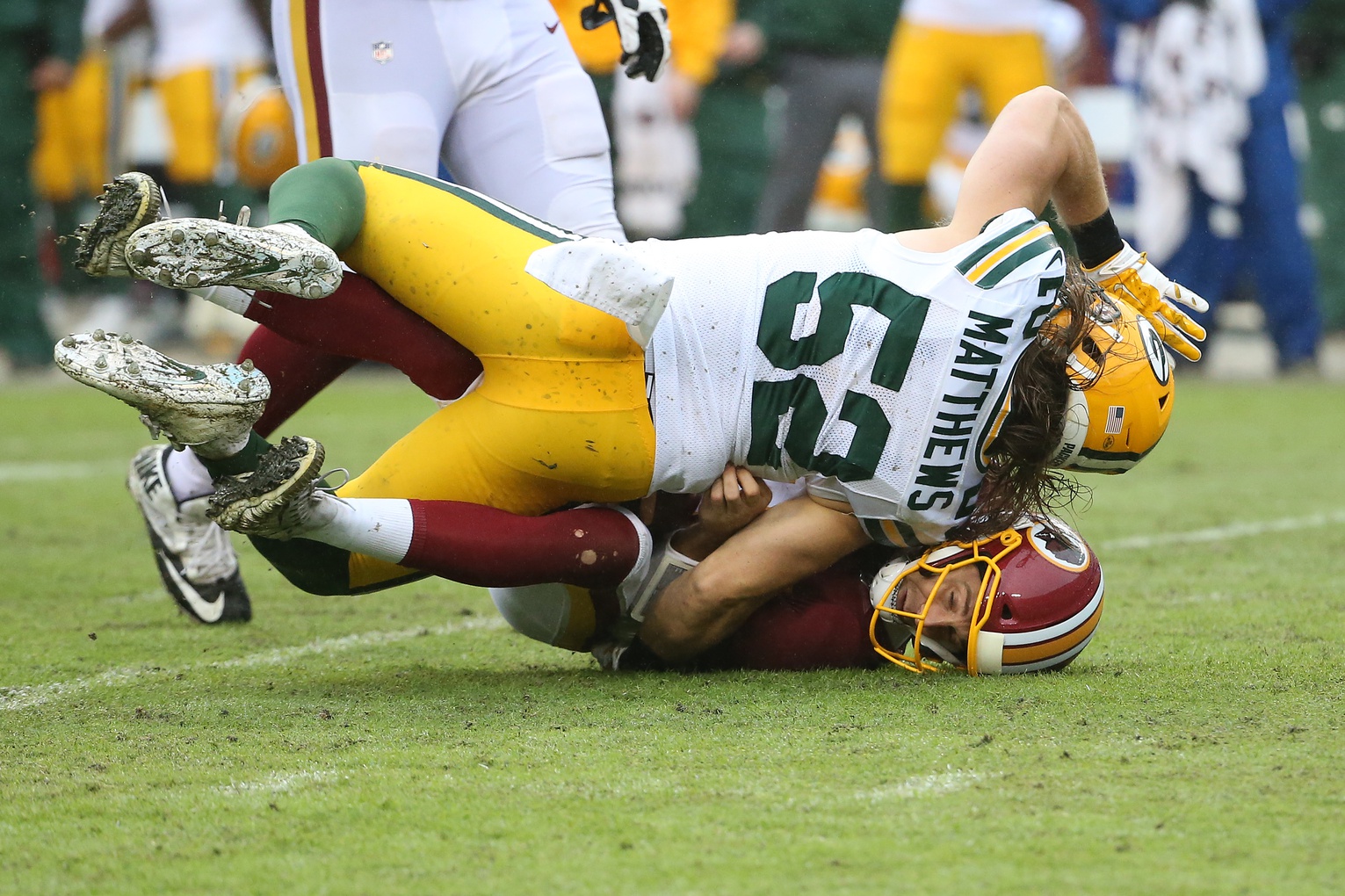
Aaron Kampman is a former professional American football player who established a notable career as a defensive end in the National Football League (NFL) over the course of nine seasons. Throughout his time in the league, primarily with the Green Bay Packers, he secured substantial earnings through high-value contracts and endorsements, contributing to an estimated net worth generally cited in the range of $10 million to $15 million as of 2026.
The Professional Foundation: NFL Career Earnings
The core of Aaron Kampman’s financial foundation rests on his tenure in the NFL. Drafted by the Green Bay Packers in the fifth round of the 2002 NFL Draft, Kampman quickly transitioned from a late-round selection to a Pro Bowl-caliber starter. His financial growth was tethered directly to his performance on the field, which included significant sack totals during his prime years between 2006 and 2008.
Professional athletes in the NFL typically generate their wealth through three primary avenues: base salaries, signing bonuses, and performance-based incentives. In 2006, Kampman signed a multi-year contract extension with the Packers that significantly increased his annual compensation. Following his time in Green Bay, he transitioned to the Jacksonville Jaguars in 2010, signing a four-year contract valued at approximately $26 million, of which roughly $11 million was guaranteed.
While career earnings in the NFL are often reported in gross figures, it is essential to understand that these numbers do not represent the final net worth. Financial obligations—including agent fees (typically 3% to 5%), federal and state income taxes, and standard lifestyle expenses—frequently reduce the liquid portion of an athlete’s total earnings.
Asset Management and Financial Evolution
Beyond the immediate influx of professional sports contracts, the long-term wealth of a former athlete is determined by post-retirement asset management. Since retiring in 2012, Kampman has moved away from the public spectacle of professional sports and into different spheres of professional life, including leadership roles and private business interests.
Net worth, in its most accurate sense, is a calculation of total assets minus total liabilities. For former athletes, assets include:
- Real Estate Holdings: Property investments often serve as a stable foundation for wealth preservation.
- Investment Portfolios: Stocks, bonds, and private equity investments designed to outpace inflation.
- Business Ventures: Interests in private companies or consulting firms.
- Retirement Vehicles: NFL pension plans and related retirement funds available to players who meet service requirements.
Conversely, liabilities typically consist of remaining mortgages, business debts, and tax obligations. While specific private financial disclosures are not publicly available for Aaron Kampman, his post-football career—marked by a move into coaching and organizational leadership—suggests a transition into a sustainable professional life rather than the volatile asset profiles sometimes associated with retired athletes.
NFL Compensation Structures: A Comparative Overview
To understand the scope of professional athlete earnings, it is helpful to look at how contract value is structured across the league. The table below illustrates the standard components of an NFL contract during the era in which Kampman competed and the subsequent evolution of these financial instruments.
| Contract Component | Description | Financial Impact |
|---|---|---|
| Signing Bonus | Paid upon contract execution | Immediate liquidity; amortized for cap purposes |
| Base Salary | Compensation for seasonal participation | Distributed over 17-18 game weeks |
| Roster Bonus | Paid if the player remains on the team | Contingent on team management decisions |
| Workout Bonus | Compensation for off-season attendance | Performance/participation-based |
| Pension Credits | Contribution based on years of service | Long-term retirement security |
Understanding these categories helps in evaluating why an athlete’s reported "contract value" is rarely the same as their actual "take-home" wealth. Agents, tax professionals, and financial advisors play a pivotal role in ensuring that these gross figures are converted into long-term wealth.
The Role of Coaching and Post-Retirement Professionalism
In the years following his departure from the active roster, Kampman demonstrated a commitment to remaining within the sport, albeit in a different capacity. His transition into coaching at the collegiate and professional levels represents a common pathway for former elite athletes. This transition often serves two purposes: it provides a continued income stream and maintains the professional network necessary for private business opportunities.
Transitioning from a high-earning player to a coach usually involves a significant recalibration of income. While NFL player contracts reach the millions, coaching salaries—unless at the elite coordinator or head coach level—are generally lower. However, the stability of a coaching career, combined with the continued growth of assets earned during an active playing career, is a hallmark of long-term financial stability.
Common Misconceptions Regarding Athlete Net Worth
When researching the net worth of public figures like Aaron Kampman, it is critical to distinguish between verified data and speculative media reports. Many online wealth-tracking platforms utilize algorithms that estimate wealth based on gross career earnings without factoring in:
- Investment Losses: Many athletes experience periods of market volatility or unsuccessful private ventures.
- Lifestyle Costs: Large estates, support staff, and travel often form a significant portion of an athlete's spending during their peak earning years.
- Taxes: High earners are subject to top-tier federal and state tax brackets, which can consume a significant percentage of contract values.
- Divorce or Legal Settlements: Changes in personal life can cause rapid shifts in an individual's total asset position.
Because of these variables, figures found in tabloid or celebrity-tracking outlets should be viewed as estimates rather than audited financial statements. The most reliable way to evaluate the financial standing of a retired athlete is to observe their long-term professional activity and the absence of high-profile financial distress, both of which appear consistent with Kampman’s career path.
Frequently Asked Questions
How does an NFL player's pension plan influence their net worth? The NFL retirement system provides vested players with a monthly benefit after reaching a certain age. While this does not count as immediate "liquid cash" in the same way a bank account does, the present value of these future payments represents a significant asset in a player’s long-term financial profile.
Are endorsements a major part of Kampman's wealth? While Kampman was a prominent player, endorsement income for defensive players in the early to mid-2000s was significantly lower than that of marquee quarterbacks or wide receivers. It is likely that his primary wealth was generated through NFL salaries rather than commercial endorsements.
Why do net worth estimates vary so much across the internet? Most websites that provide net worth figures do not have access to private bank records or tax filings. They rely on "publicly available information," such as reported contract values, and then apply a standard, often inaccurate, multiplier to account for taxes and expenses. These estimates are intended for entertainment purposes and should not be considered financial advice or official reporting.
Does Aaron Kampman still work in the NFL? Kampman has spent time in various coaching and advisory capacities since retiring as a player. Careers in professional coaching are subject to the same volatility as player careers, involving contract renewals and frequent team changes.
Is it possible to calculate an exact net worth? No. Without access to an individual's private portfolio, tax returns, and current liabilities, any number provided is an estimate. The figures often cited in the $10 million to $15 million range for athletes with similar career lengths reflect a reasonable assessment of cumulative earnings, assuming standard financial management practices.
Conclusion and Next Actions
For those interested in the financial history of professional athletes, the story of Aaron Kampman serves as a standard example of a successful NFL career. His trajectory reflects the importance of high-value professional contracts coupled with a subsequent transition into coaching and private life.
If you are researching the financial history of athletes to understand career longevity or investment strategy, look beyond the gross salary figures found in draft records. Instead, focus on the structural components of how professional contracts are paid and the importance of long-term financial planning in the post-athletic phase of a career. For current financial planning, it is always recommended to consult with a certified financial planner (CFP) rather than relying on public wealth estimates to inform your own investment decisions.