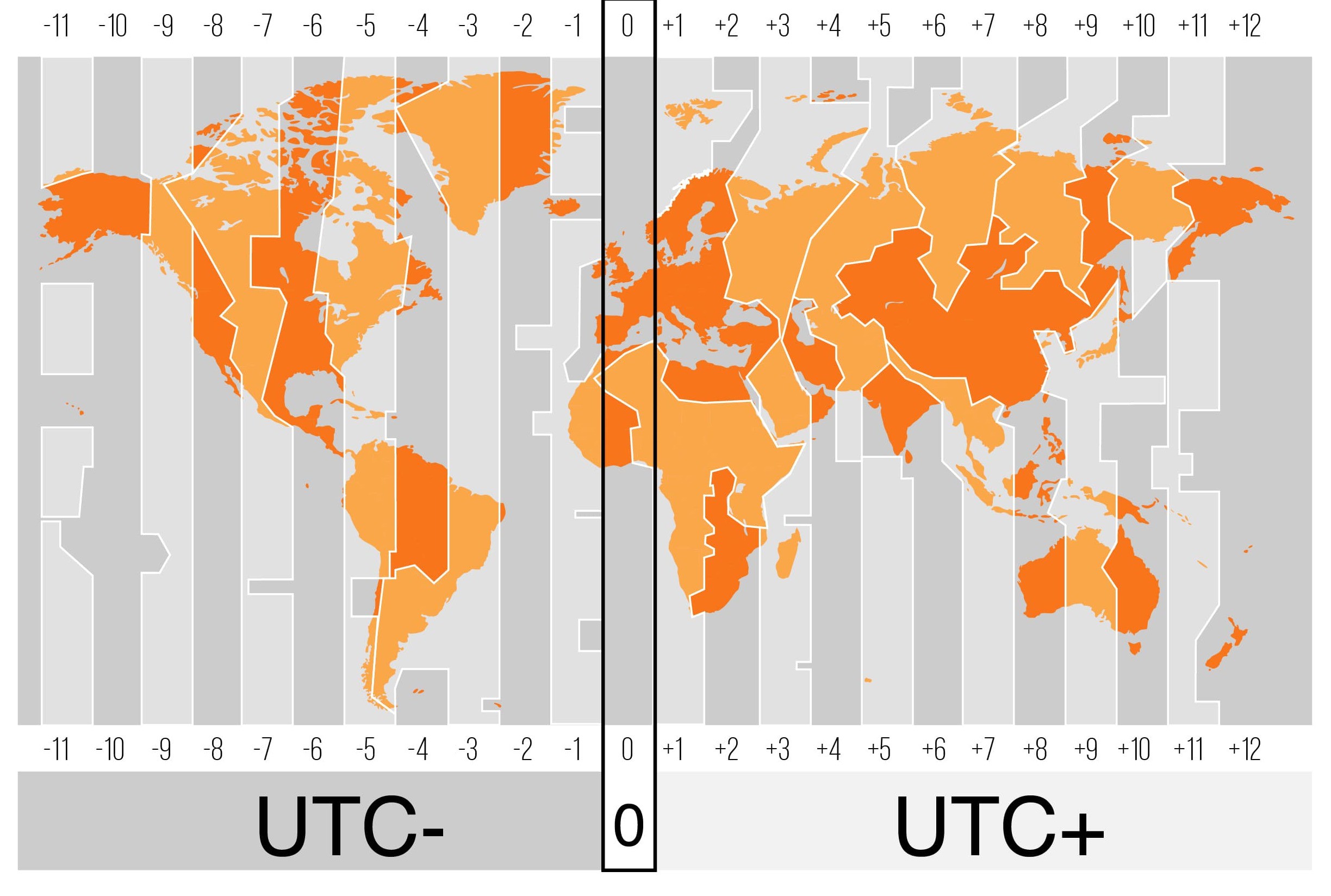
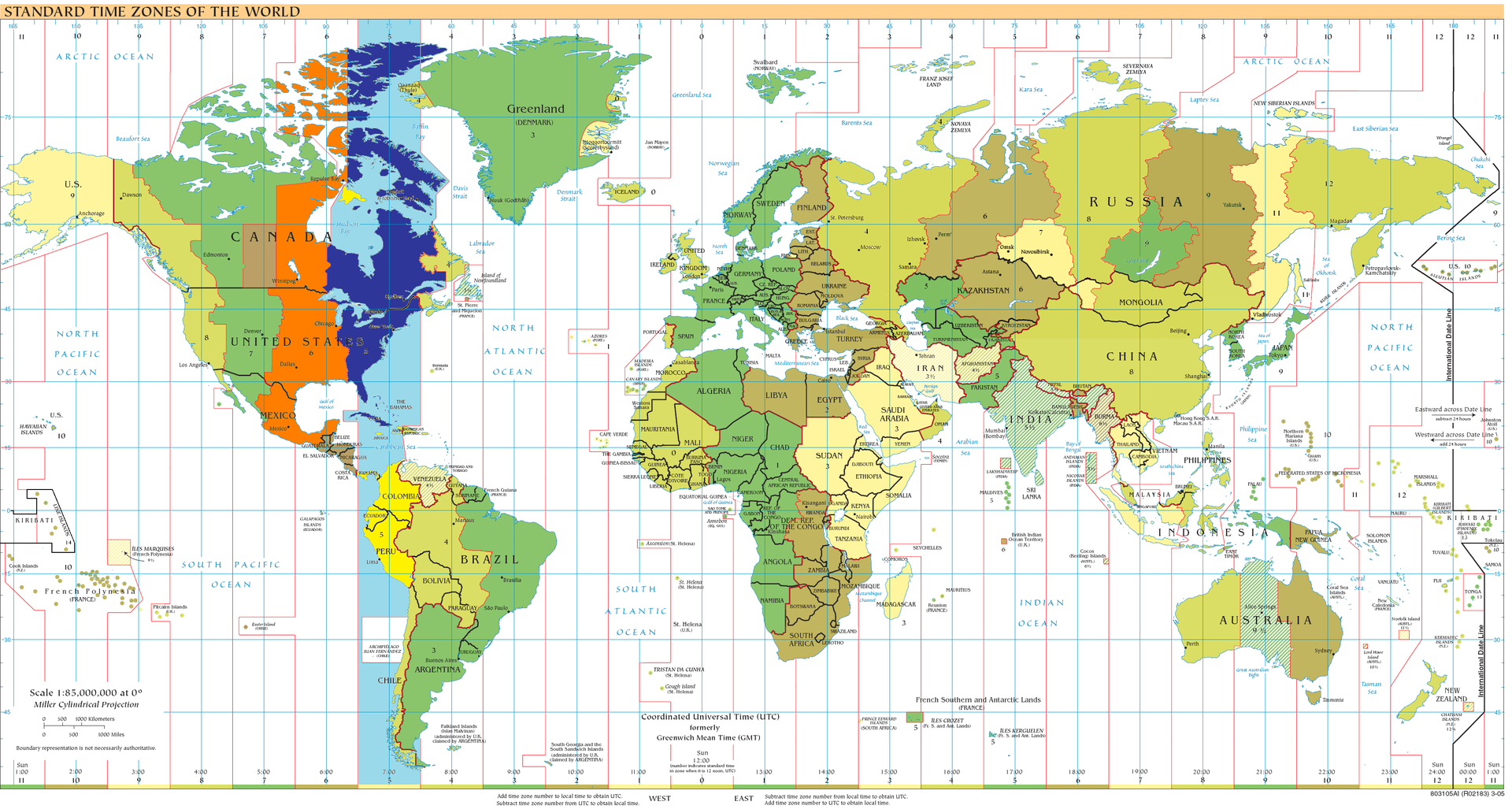
9:00 PM UTC (Coordinated Universal Time) is the 21:00 hour on the 24-hour clock, serving as the primary time standard by which the world regulates clocks and time. It does not observe Daylight Saving Time, making it a stable reference point for international scheduling, global broadcasting, and digital synchronization across all continents.
Understanding 9:00 PM UTC is essential for anyone operating in an interconnected global environment. Whether you are a software developer managing server logs, a gamer waiting for a worldwide patch release, or a professional coordinating a meeting across three continents, this specific time marker acts as the "anchor" for your schedule. As we navigate the complexities of 2026's hyper-connected economy, mastering the conversion and application of UTC remains a fundamental skill.
What is UTC? The Foundation of Modern Timekeeping
To understand 9:00 PM UTC, one must first understand what UTC represents. Coordinated Universal Time is not a time zone in the traditional sense; rather, it is a high-precision atomic time standard. It is maintained by the International Bureau of Weights and Measures (BIPM) and is based on International Atomic Time (TAI) with leap seconds added at irregular intervals to compensate for the slowing of the Earth's rotation.
While the term GMT (Greenwich Mean Time) is often used interchangeably with UTC, they are technically different. GMT is a time zone used in some countries in Europe and Africa, while UTC is the technical standard. In 2026, the distinction is mainly relevant for scientific and legal documentation, though for most daily applications, 9:00 PM UTC and 9:00 PM GMT (during the winter) result in the same clock time.
The 24-Hour Clock vs. The 12-Hour Clock
In many professional and technical fields, 9:00 PM UTC is expressed as 21:00 UTC. The use of the 24-hour format reduces ambiguity, especially in aviation, military, and computing sectors. When you see "21:00Z," the "Z" stands for "Zulu time," which is a synonym for UTC. The "Z" refers to the zero meridian, which passes through Greenwich, London.
Converting 9:00 PM UTC to Local Time Zones
The most common challenge with 9:00 PM UTC is determining what time it reflects in your local area. Because UTC is static, the "offset" (the number of hours added or subtracted) depends entirely on your geographic location and whether your region is currently observing Daylight Saving Time (DST).
North American Time Zones
In North America, 9:00 PM UTC typically falls in the afternoon or early evening. Because the United States and Canada use DST, the conversion changes twice a year.
- Eastern Time (ET): During Standard Time (EST), the offset is UTC-5, making it 4:00 PM. During Daylight Saving Time (EDT), the offset is UTC-4, making it 5:00 PM.
- Central Time (CT): During Standard Time (CST), it is 3:00 PM. During Daylight Saving Time (CDT), it is 4:00 PM.
- Mountain Time (MT): During Standard Time (MST), it is 2:00 PM. During Daylight Saving Time (MDT), it is 3:00 PM.
- Pacific Time (PT): During Standard Time (PST), it is 1:00 PM. During Daylight Saving Time (PDT), it is 2:00 PM.
European and Middle Eastern Time Zones
Europe is closer to the Prime Meridian, meaning the time difference is smaller, but the transition between Summer Time and Winter Time still applies.
- Western European Time (WET/GMT): In winter, 9:00 PM UTC is 9:00 PM. In summer (WEST), it is 10:00 PM.
- Central European Time (CET): In winter, the offset is UTC+1 (10:00 PM). In summer (CEST), it is UTC+2 (11:00 PM).
- Eastern European Time (EET): In winter, it is 11:00 PM. In summer (EEST), it is 12:00 AM (midnight) the following day.
Asia and Oceania
For these regions, 9:00 PM UTC usually occurs in the early morning of the following calendar day.
- India (IST): India does not use DST and maintains a UTC+5:30 offset. 9:00 PM UTC is 2:30 AM the next day.
- China (CST): China uses a single time zone (UTC+8). 9:00 PM UTC is 5:00 AM the next day.
- Japan (JST): Japan is UTC+9, making 9:00 PM UTC 6:00 AM the next day.
- Australia (AEST/AEDT): In Sydney, during the summer (AEDT, UTC+11), it is 8:00 AM the next day. During the winter (AEST, UTC+10), it is 7:00 AM the next day.
Summary of 9:00 PM UTC Conversions (2026 Reference)
The following table provides a quick reference for 9:00 PM UTC across various major cities. Note that the "Next Day" status is critical for scheduling.
| City | Region | Offset (Standard/DST) | Local Time at 9:00 PM UTC |
|---|---|---|---|
| Los Angeles | USA (PT) | -8 / -7 | 1:00 PM / 2:00 PM |
| New York | USA (ET) | -5 / -4 | 4:00 PM / 5:00 PM |
| London | UK (GMT/BST) | 0 / +1 | 9:00 PM / 10:00 PM |
| Berlin | Germany (CET) | +1 / +2 | 10:00 PM / 11:00 PM |
| Dubai | UAE (GST) | +4 | 1:00 AM (Next Day) |
| Mumbai | India (IST) | +5.5 | 2:30 AM (Next Day) |
| Singapore | Singapore | +8 | 5:00 AM (Next Day) |
| Tokyo | Japan (JST) | +9 | 6:00 AM (Next Day) |
| Sydney | Australia | +10 / +11 | 7:00 AM / 8:00 AM (Next Day) |
Why 9:00 PM UTC is a Critical Global Marker
In the current landscape of 2026, several industries rely on 9:00 PM UTC as a standardized "reset" or "deadline" point. Understanding why this specific time was chosen for various activities helps in planning your daily workflow.
1. Digital Content and Gaming
Many global video game publishers (such as those managing major MMOs or Battle Royales) use UTC for their daily resets. 9:00 PM UTC often aligns with the late morning or early afternoon in North America, allowing developers to be at their desks to monitor server stability when new daily challenges or store items refresh.
2. Financial Markets and Cryptocurrencies
While traditional stock exchanges follow local business hours (e.g., NYSE follows Eastern Time), the cryptocurrency market never sleeps. However, many trading platforms and data aggregators (like CoinMarketCap or various on-chain analytics tools) use 00:00 UTC as the start of a new "trading day." Consequently, 9:00 PM UTC represents the final stretch of the daily candle, a time of high volatility as traders position themselves for the daily close three hours later.
3. Software Development and DevOps
In the world of cloud computing and DevOps, logs are almost universally kept in UTC. When a system crash occurs, a lead engineer doesn't ask what time it happened in "local time"; they look at the UTC timestamp. 9:00 PM UTC is a common window for "off-peak" maintenance for European companies, as it falls late in the evening for them, while still being within business hours for their North American counterparts who might be providing support.
4. Aviation and Maritime Operations
Weather reports for pilots (METARs) and notices to airmissions (NOTAMs) use Zulu time (UTC). 9:00 PM UTC (21:00Z) is a standard reporting interval. For international flights crossing multiple time zones, having a single reference point like 21:00Z prevents catastrophic errors in fuel calculations and arrival scheduling.
The Technical Side: ISO 8601 and Programming
For those working in data science or web development, 9:00 PM UTC is rarely written as "9:00 PM." Instead, it follows the ISO 8601 standard. The most common format is:
2026-10-25T21:00:00Z
In this string:
- 2026-10-25 represents the date.
- T is the delimiter between date and time.
- 21:00:00 is the time in 24-hour format.
- Z indicates Zero offset (UTC).
If you are writing code in Python to handle this time, you might use the datetime module. It is a best practice to always store dates in UTC and only convert them to local time at the "presentation layer" (when the user actually sees the time on their screen).
Common Pitfalls and Troubleshooting
Even with a clear understanding, errors in time conversion are frequent. Here are the most common mistakes to avoid:
The "Daylight Saving" Trap
The most frequent error is forgetting that UTC never changes. If you are in New York and you have a meeting at 9:00 PM UTC, that meeting is at 5:00 PM in June but 4:00 PM in December. Always verify if your local region has recently "sprung forward" or "fallen back."
The Date Change Overlooked
If you live in Asia, Australia, or the Middle East, 9:00 PM UTC occurs the next day. If a global event is announced for "Friday at 9:00 PM UTC," and you are in Tokyo, you must be ready at 6:00 AM on Saturday. Missing the date change is the primary reason people miss global webinars and product launches.
Confusion Between GMT and UTC
While they are often the same, the United Kingdom switches from GMT to BST (British Summer Time) in the summer. During this period, London is UTC+1. If you assume London is always "UTC," you will be one hour off during the summer months.
Practical Tools for Verification
To ensure accuracy, it is highly recommended to use dedicated tools rather than manual calculation, especially for professional deadlines.
- Time.is: A highly accurate website that shows the exact time in UTC and compares it to your local clock instantly.
- World Time Buddy: An excellent visual tool for scheduling meetings across multiple time zones. It allows you to drag a slider to see how 9:00 PM UTC aligns across several cities simultaneously.
- Operating System Clocks: Both Windows and macOS allow you to add "Additional Clocks" to your taskbar or menu bar. Setting one of these to "UTC" or "London" (and adjusting for BST) provides a quick reference.
- Smartphone "World Clock": Most modern smartphones allow you to add UTC as a city. On iPhone or Android, search for "UTC" or "Zulu" in the world clock settings.
Frequently Asked Questions
Is 9:00 PM UTC the same as 9:00 PM GMT?
During the winter months (approximately October to March), 9:00 PM UTC is the same as 9:00 PM GMT. However, when the UK observes British Summer Time (BST), London is one hour ahead of UTC. Therefore, at 9:00 PM UTC, it would be 10:00 PM in London.
Why do some people call it 21:00 Zulu?
The term "Zulu" comes from the aviation and military phonetic alphabet. The Earth is divided into 24 time zones, each assigned a letter. The Prime Meridian (0° longitude) is assigned the letter "Z." In the phonetic alphabet, "Z" is "Zulu," hence "Zulu Time."
Does 9:00 PM UTC observe Daylight Saving Time?
No. UTC is a fixed atomic standard and never changes for seasons. This is why it is used as the global baseline; while local times shift around it, UTC remains a constant, predictable value.
What is 9:00 PM UTC in Military Time?
In military format, this is expressed as 2100Z (pronounced "twenty-one hundred Zulu"). Military operations rely on this format to ensure that units across the globe are synchronized regardless of their local position.
How do I schedule a meeting for 9:00 PM UTC?
The best way to schedule a meeting at this time is to use a calendar invite (like Google Calendar or Outlook) and set the time zone of the event specifically to "UTC." The calendar software will automatically adjust the display time for every attendee based on their own local time zone settings, eliminating the risk of manual calculation errors.
Recommended Next Actions
If you frequently work with 9:00 PM UTC, your first step should be to set a permanent UTC clock on your primary workspace. Whether this is a widget on your desktop or a secondary clock on your taskbar, having the reference visible prevents the mental fatigue of constant conversion.
For those managing teams, always include the UTC time alongside local times in all official communications. For example: "The server update will begin at 9:00 PM UTC (4:00 PM EST / 1:00 PM PST)." This practice provides clarity and shows consideration for global participants. Finally, double-check the 2026 DST transition dates for your specific region, as these are the periods when most scheduling errors occur.