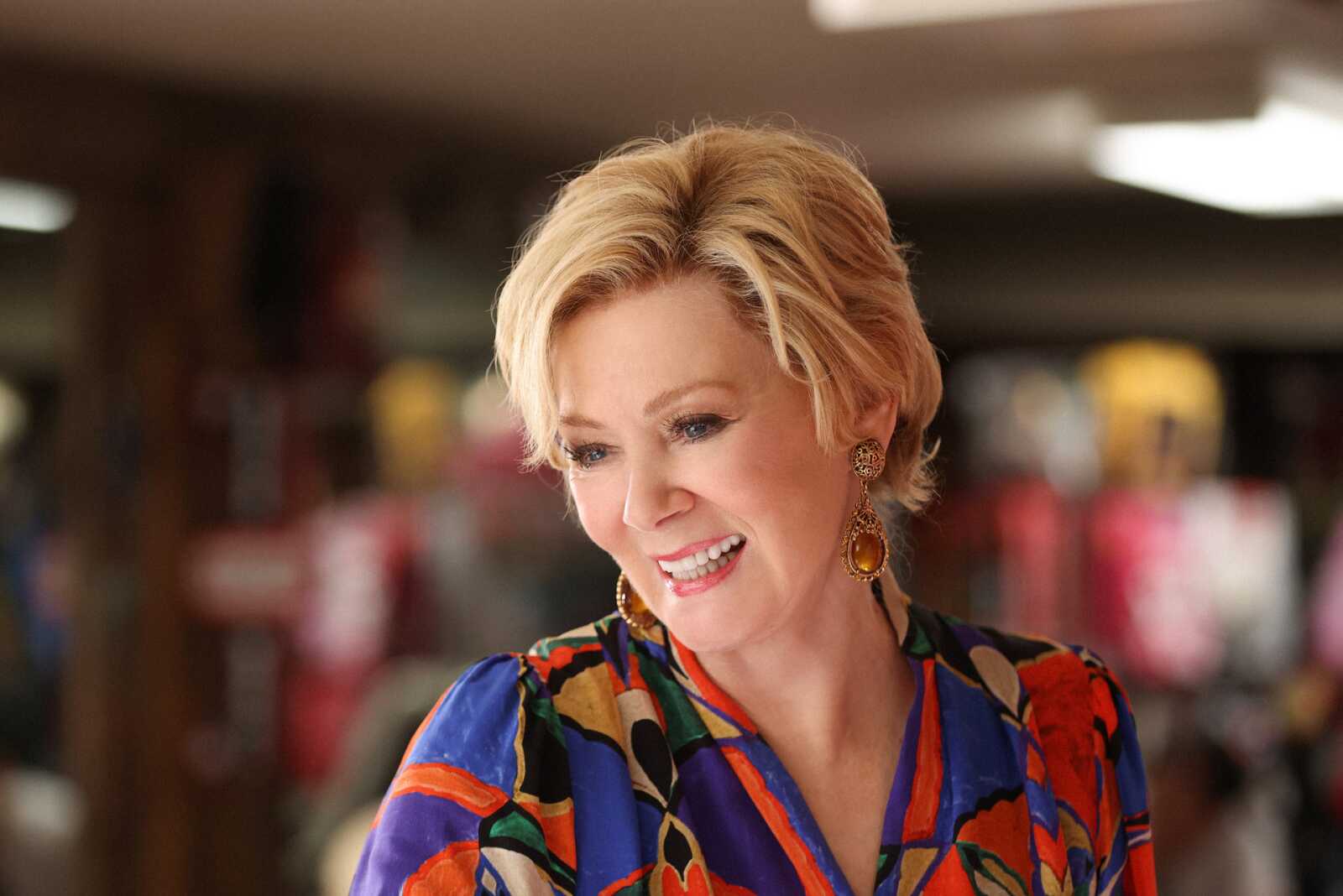
During the 1970s, Jean Smart established the foundation of her award-winning acting career through rigorous training and extensive work in regional theater. After graduating from the University of Washington in 1974, she became a staple of the Pacific Northwest stage scene, notably at the Oregon Shakespeare Festival and Seattle Repertory Theatre, before transitioning to television roles by 1979.
The 1970s represent the "invisible" decade of Jean Smart’s career for many modern fans who recognize her from Designing Women or her recent triumphs in Hacks and Watchmen. However, for theater historians and those who followed the burgeoning regional theater movement of the mid-70s, this era was a masterclass in character development and technical precision. Long before she became a household name on television, Smart was a "jobbing actress" in the truest sense, honing her craft in the grueling, rewarding environment of repertory theater.
The Academic Foundation: University of Washington (1970–1974)
Jean Smart’s professional journey began in earnest at the University of Washington (UW) in Seattle. As she entered the 1970s, the university’s School of Drama was already recognized as one of the premier training grounds for actors in the United States. Smart enrolled in the Professional Actor Training Program (PATP), a curriculum known for its intense focus on classical technique, vocal control, and physical expression.
During her time at UW, Smart was immersed in a diverse range of dramatic styles. The 1970s were a period of experimentation in American drama, and the university environment allowed her to tackle everything from Shakespearean tragedy to contemporary avant-garde pieces. This training was instrumental in developing the "chameleon-like" quality that has defined her 2026 status as a versatile performer. She graduated with a Bachelor of Fine Arts (BFA) in 1974, a year that marked her official entry into the professional acting union and the start of her climb through the regional ranks.
The importance of the UW years cannot be overstated. Unlike actors who move directly to Los Angeles to pursue commercial work, Smart chose to refine her instrument in a setting that prioritized the text and the ensemble. This academic rigor provided her with the stamina required for the long runs and rotating repertoires she would encounter throughout the rest of the decade.
Professional Debut: The Oregon Shakespeare Festival
Following her graduation in 1974, Smart secured a position at the Oregon Shakespeare Festival (OSF) in Ashland. The OSF is one of the oldest and largest professional non-profit theaters in the nation, and for a young actress in the mid-70s, it was the ultimate proving ground.
Smart’s seasons at Ashland (roughly 1975 to 1977) saw her performing in a variety of roles that showcased her range. While many young actresses are pigeonholed into "ingenue" roles, Smart’s height and commanding presence often led her toward more complex or spirited characters. Her work at the OSF included productions such as Much Ado About Nothing and The Comedy of Errors.
Working in Ashland required a specific set of skills:
- Vocal Projection: Performing in the outdoor Elizabethan Theatre demanded a voice that could carry without modern amplification.
- Stamina: The repertory system meant an actor might perform a comedy in the afternoon and a tragedy at night.
- Historical Accuracy: The OSF emphasized a deep understanding of Elizabethan social structures and verse, which sharpened Smart’s analytical approach to scripts.
These years were foundational. They allowed Smart to build a professional reputation among directors and fellow actors as a reliable, highly skilled performer who could handle the demands of classical language while maintaining a naturalistic emotional core.
The Seattle Repertory Theatre and the Regional Circuit
By the mid-1970s, Smart returned to Seattle to work with the Seattle Repertory Theatre (Seattle Rep). At the time, Seattle Rep was a cornerstone of the regional theater movement, which aimed to provide high-quality professional theater outside of New York City.
Her work in Seattle was diverse. She wasn't just doing Shakespeare; she was performing in contemporary American plays, British farces, and European dramas. This period (1976–1978) saw her becoming a local favorite. Critics of the era noted her ability to find the humor in dark situations—a trait that would later make her a sitcom icon and a dramedy powerhouse.
The regional circuit of the 1970s was a tight-knit community. Working at Seattle Rep or the Intiman Theatre (another Seattle-based company where she performed) meant collaborating with world-class directors and designers. It was here that she mastered the art of "living" on stage, developing the nuance that is often lost in purely screen-based training.
The Pivot East: Hartford Stage and New York Foundations
Toward the end of the 1970s, Smart began the traditional migration toward the East Coast. While the Pacific Northwest had been her home and training ground, the path to national recognition required a presence in the New York theater scene.
One of her most significant late-70s engagements was at the Hartford Stage in Connecticut. Hartford Stage was (and remains) a major feeder for Broadway and Off-Broadway productions. By performing there, Smart positioned herself within commuting distance of New York City casting directors. Her work in Hartford included productions like A History of the American Film, which demonstrated her ability to handle more stylized, satirical material.
This move was strategic. The late 70s were a transitional time for American theater, with a shift away from the heavy realism of the 50s and 60s toward more eclectic and technically demanding works. Smart’s background in both classical Shakespeare and contemporary regional theater made her an ideal candidate for the diverse casting needs of the era.
1979: The Transition to Screen and "Before and After"
While the 1970s were almost exclusively dominated by theater for Jean Smart, the very end of the decade provided her first significant foray into television. In 1979, she appeared in the made-for-TV movie Before and After.
Directed by Bill Persky, Before and After was a drama starring Patty Duke and Dorothy Loudon. While Smart’s role was not the lead, the project was a critical milestone. It represented her first professional credit in a medium that would eventually define her career in the 1980s.
Transitioning from the stage to the screen in 1979 required a significant adjustment in acting style. The broad gestures and vocal projection needed for the Oregon Shakespeare Festival had to be dialed back for the intimacy of the camera. Smart’s ability to make this transition successfully, without losing her underlying stage presence, was a testament to her versatility. This single TV credit served as the bridge between her decade of stage work and her 1980s breakout on Broadway and television.
Summary of Known 1970s Professional Credits
The following table outlines the key documented stages and productions of Jean Smart’s career during the 1970s. Note that in a repertory setting, actors often performed in multiple uncredited or ensemble roles alongside their primary billing.
| Year | Production/Project | Role | Venue/Organization |
|---|---|---|---|
| 1970–1974 | Various Student Productions | Various | University of Washington |
| 1975 | Much Ado About Nothing | Ensemble/Supporting | Oregon Shakespeare Festival |
| 1975 | The Comedy of Errors | Adriana (u/s) / Ensemble | Oregon Shakespeare Festival |
| 1976 | Henry VI, Part 1 | Joan la Pucelle | Oregon Shakespeare Festival |
| 1976 | The History of Troilus and Cressida | Cressida | Oregon Shakespeare Festival |
| 1977 | A Midsummer Night's Dream | Helena | Seattle Repertory Theatre |
| 1978 | A History of the American Film | Various Roles | Hartford Stage |
| 1979 | Before and After | (Supporting Role) | TV Movie (ABC) |
| 1979 | Saint Joan | Joan of Arc | Regional / Seattle Circuit |
The "Theater-First" Philosophy: Why the 70s Mattered
To understand Jean Smart’s longevity in 2026, one must analyze the "theater-first" philosophy she adhered to in the 1970s. During this decade, she was not looking for a shortcut to fame. The 70s were about the "work."
This decade provided her with three specific advantages that would later propel her to the top of the industry:
- Technical Resilience: The physical demands of 1970s regional theater—often performing in converted spaces with minimal climate control and high-intensity schedules—built a level of professional endurance.
- Character Depth: Playing classical roles like Joan of Arc or Helena allowed her to explore the heights of human emotion early in her career. When she eventually moved to sitcoms like Designing Women, she brought a "weight" to her character (Charlene Frazier) that made her more than just a comedic archetype.
- Peer Networks: The regional theater scene of the 70s was where she met many of the directors and actors who would later dominate the New York and Los Angeles industries.
FAQ: Jean Smart’s Early Career
What was Jean Smart’s first professional acting job?
While she performed throughout college, her first major professional post-graduate contract was with the Oregon Shakespeare Festival in Ashland, Oregon, starting in the 1975 season. This is where she earned her "equity card," signifying professional status in the Actors' Equity Association.
Did Jean Smart appear in any movies during the 1970s?
No, Jean Smart did not appear in any major theatrical feature films during the 1970s. Her screen debut occurred at the very end of the decade in the 1979 television movie Before and After. Her film career did not truly begin until the early 1980s.
What did Jean Smart study in college?
Jean Smart studied drama at the University of Washington. She was part of the highly competitive Professional Actor Training Program (PATP), graduating with a BFA in 1974. The program is known for producing actors with strong technical skills in voice, movement, and classical text analysis.
Was Jean Smart on Broadway in the 70s?
No. While she was very active in theater during the 70s, her work was concentrated in regional theaters in Seattle, Oregon, and Connecticut. Her Broadway debut did not happen until 1981, when she played Marlene Dietrich in the play Piaf.
How did her 1970s theater work influence her role in "Hacks"?
The character of Deborah Vance in Hacks (which has seen immense success through the early 2020s) requires a combination of perfect comedic timing and deep, stage-hardened vulnerability. Smart has often credited her early years in repertory theater for giving her the "bones" to carry a show and the discipline to handle the fast-paced dialogue of modern television.
Next Steps for Researchers and Fans
For those interested in exploring the 1970s roots of Jean Smart’s career, the best resources are the archives of the regional theaters where she performed. The Oregon Shakespeare Festival Archive and the Seattle Repertory Theatre maintain records of past seasons, including programs and production photos that feature a young Smart.
Additionally, the University of Washington School of Drama maintains a list of distinguished alumni and often features retrospectives on the PATP graduates of the 1970s. Researching the "Regional Theater Movement" of the 1970s provides excellent context for the world Smart inhabited before she became a television star. For a modern perspective, viewing her early 80s interviews often reveals her own reflections on the "grind" of the 1970s theater circuit.