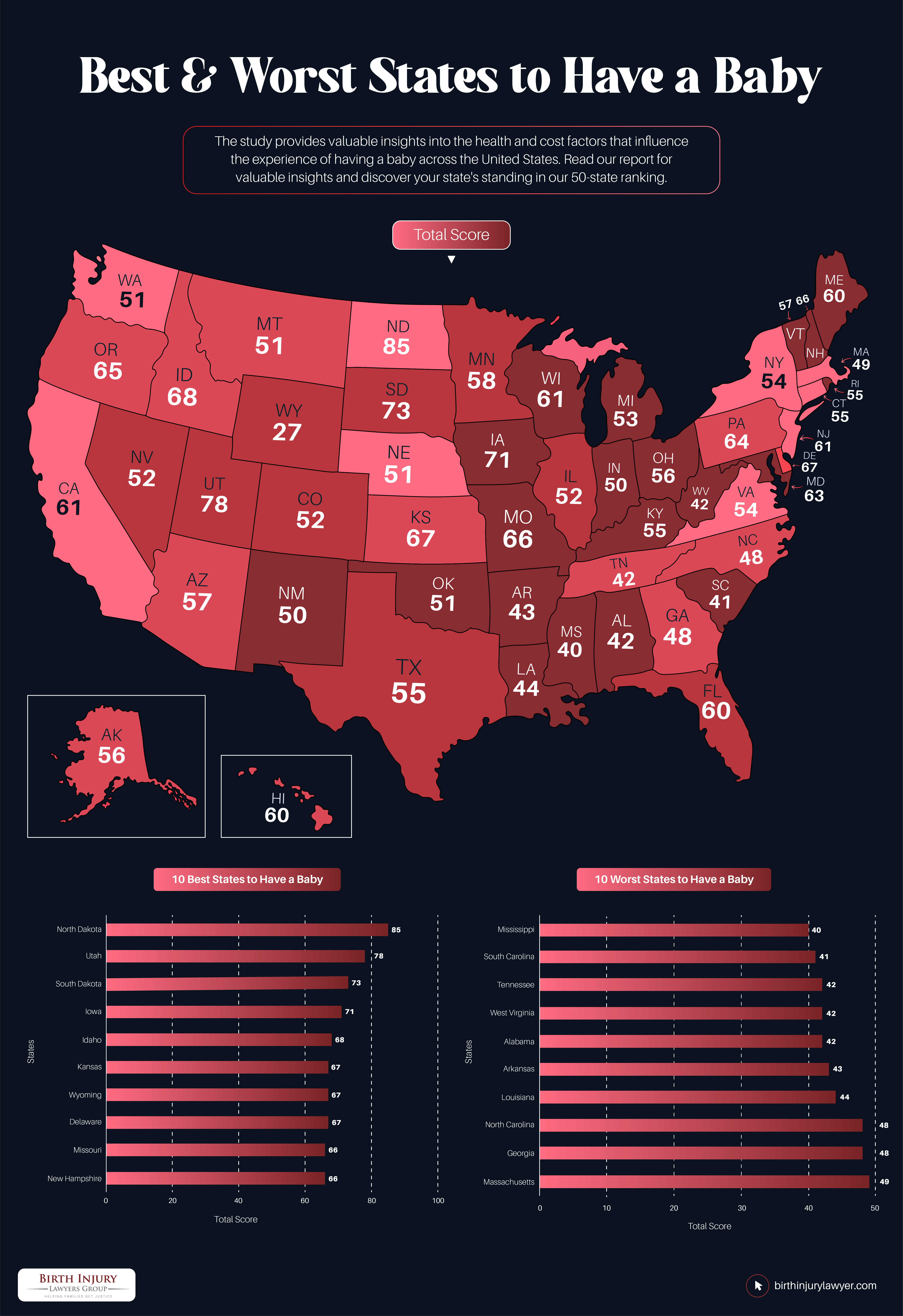
Defining the "best" quality of life involves balancing economic stability, healthcare access, educational attainment, environmental health, and community safety. While individual priorities differ, data-driven assessments consistently point to specific states that provide robust infrastructure and high standards of living. This analysis identifies seven states that rank highly across these multifaceted metrics as of 2026.
Understanding Quality of Life Metrics
Quality of life is a multi-dimensional concept that extends beyond simple economic measures like Gross Domestic Product (GDP) or median income. To determine the states that offer the most favorable environments for residents, analysts typically rely on a composite index. This index balances objective data points, including the affordability of housing, the quality of K-12 and higher education, the availability of specialized medical care, and the frequency of public safety incidents.
Environmental factors also play a critical role. Access to clean water, air quality standards, and the proximity of public recreational spaces are weighted heavily in modern assessments. Furthermore, fiscal health—including tax burdens and the availability of social safety nets—acts as a foundational requirement for sustained long-term satisfaction. By examining these factors collectively, we can identify which regions provide the most reliable support systems for their citizens.
The Top 7 States for Quality of Life in 2026
The following states consistently emerge as leaders in national rankings when evaluating public health, education, and economic stability.
1. Massachusetts
Massachusetts frequently occupies the top tier of quality of life rankings due to its world-class educational institutions and sophisticated healthcare infrastructure. The state hosts numerous top-tier research universities and teaching hospitals, which drives a knowledge-based economy. While the cost of living remains high, particularly in the Greater Boston area, the median household income and high employment rates in technology and biotech sectors provide a counterbalance for many residents.
2. New Hampshire
New Hampshire is defined by its commitment to public safety and its robust natural environment. It regularly records some of the lowest violent crime rates in the United States. Beyond security, residents benefit from a lack of general sales tax and a focus on community-level governance. The state’s geography supports an outdoor-oriented lifestyle, which researchers associate with higher rates of physical and mental well-being.
3. Minnesota
Minnesota is widely recognized for its healthcare efficiency and the accessibility of its social services. The state’s public infrastructure, including its road systems and public park access, is often cited as a benchmark for other regions. Minnesota maintains a strong focus on educational equity, with high graduation rates and a consistent investment in public school resources, making it a highly desirable location for families.
4. Washington
Washington offers a unique blend of natural beauty and an innovation-heavy economy. Residents benefit from no state individual income tax, which increases disposable income for households. The state’s focus on sustainable infrastructure and its proximity to major national parks provide significant quality-of-life benefits. While housing costs in the Puget Sound region have grown, the diversification of the state’s economy remains a pillar of its long-term stability.
5. New Jersey
New Jersey ranks highly due to its dense network of public amenities and high-performing school districts. Despite the high population density, the state offers exceptional access to healthcare facilities and transit infrastructure. Its proximity to major economic hubs like New York City provides residents with career opportunities that often result in high household earnings, supporting a standard of living that compensates for the high property tax environment.
6. Vermont
Vermont prioritizes small-community living and environmental preservation. It offers a distinct pace of life compared to urban centers, with a focus on local agriculture and community engagement. The state’s healthcare system is highly ranked for accessibility, and its commitment to renewable energy and carbon-reduction initiatives creates a healthy, stable environment for its aging and young populations alike.
7. Virginia
Virginia combines historic significance with a diverse economy centered around government, defense, and high-tech sectors. The state is noted for its business-friendly climate and high median household income, particularly in the northern regions. Its variety of landscape—ranging from the Atlantic coastline to the Blue Ridge Mountains—offers a diverse range of recreational opportunities that cater to various lifestyles.
Comparison Table: Key Quality of Life Indicators
| State | Primary Economic Strength | Educational Standing | Notable Benefit |
|---|---|---|---|
| Massachusetts | Biotech & Tech | Exceptional | World-class healthcare |
| New Hampshire | Manufacturing & Finance | Strong | Very low crime rates |
| Minnesota | Healthcare & Retail | High | Superior public infrastructure |
| Washington | Tech & Aerospace | Competitive | No state income tax |
| New Jersey | Pharmaceuticals & Finance | Top-tier K-12 | Proximity to NYC hubs |
| Vermont | Tourism & Agriculture | High | Environmental quality |
| Virginia | Government & Defense | Strong | High median household income |
Critical Factors Influencing Relocation Decisions
When evaluating these states for a potential move, individuals must look beyond generic rankings to assess how specific conditions match their personal life stage.
Cost of Living vs. Earning Potential
High-ranking states often coincide with high living costs. For instance, while Massachusetts offers incredible amenities, the housing market requires significant capital. Prospective residents should use the "Cost of Living Index" (COLI) to adjust expected salaries for local market prices. A high salary in a low-COLI state may offer more purchasing power than a higher salary in an expensive metro area.
Public Safety and Community
Safety is not just about crime statistics; it includes disaster preparedness and the reliability of emergency services. States like New Hampshire and Minnesota provide high levels of infrastructure security, which can reduce the stress associated with daily life and long-term asset protection.
Healthcare Accessibility
The quality of a state’s healthcare is measured by the number of physicians per capita, the presence of specialized clinics, and the efficiency of public health programs. For families with children or aging individuals, prioritizing states with high concentrations of "Top Hospital" designations is a common and recommended practice.
Frequently Asked Questions
What methodology is typically used to rank these states?
Most quality of life rankings use a weighted index of sub-metrics. These usually include GDP per capita, the unemployment rate, the percentage of the population with a bachelor’s degree, the number of primary care physicians per 100,000 residents, and the crime rate per 1,000 residents.
Does "quality of life" account for tax rates?
Yes, most comprehensive rankings incorporate fiscal health. While some states have high income or property taxes, they often offset this with high-quality public schools and roads. Other states have lower taxes but may require residents to pay more out-of-pocket for private services.
Is climate a significant factor in these rankings?
Climate is often treated as a subjective variable. While some indexes penalize states for extreme cold or heat, others view it as neutral. It is essential for individuals to weigh their personal comfort preferences against the objective benefits listed in the rankings.
How do I verify the quality of life in a specific town within these states?
State-wide averages can mask localized disparities. To verify conditions in a specific city, consult the most recent census data for income and demographic information, check local school board performance reports, and review local police department annual safety reports.
Are these rankings stable over time?
While the leaders in these categories tend to remain stable, economic shifts, infrastructure projects, and policy changes can alter a state's standing over several years. It is best to review data that has been updated within the last 24 months to ensure accuracy for current decision-making.
Recommendation for Next Steps
If you are considering moving to one of these states, prioritize your top three "quality of life" requirements. If high-quality education for your children is the priority, focus on the specific school districts within Massachusetts or New Jersey. If financial flexibility is the primary concern, investigate the tax implications and housing markets in Washington or New Hampshire. Before making a final decision, conduct a site visit to your top two contenders to assess the daily commute, the local community culture, and the availability of amenities that support your specific long-term goals.