The 6 to 1 grocery method is a structured shopping strategy designed to simplify meal planning, reduce food waste, and control household spending. Created by chef Will Coleman, the method dictates a specific ratio for your shopping cart: 6 vegetables, 5 fruits, 4 proteins, 3 starches, 2 sauces or spreads, and 1 "fun" item. This systematic approach eliminates decision fatigue and ensures a balanced inventory for diverse weekly meals.
By 2026, the 6 to 1 method has transitioned from a viral social media trend into a foundational framework for mindful consumption. As grocery prices remain a significant concern for most households, moving away from aimless browsing toward a mathematically structured "6 to 1" list provides both financial and nutritional guardrails. Whether you are downloading a 6 to 1 grocery method PDF or creating your own digital template, understanding the "why" behind each category is essential for long-term success.
The Origin and Philosophy of the 6 to 1 Method
The method was popularized by culinary expert Will Coleman as a response to the overwhelming nature of modern supermarkets. The average grocery store contains tens of thousands of individual products, leading to a phenomenon known as "analysis paralysis." When shoppers enter a store without a rigid framework, they are more likely to succumb to clever marketing, end-cap displays, and impulse purchases that rarely cohere into actual meals.
The 6 to 1 method functions as a "constraint-based" system. By limiting the number of items in specific categories, you force yourself to select versatile ingredients that can be cross-utilized in multiple recipes. This philosophy mirrors the "capsule wardrobe" concept in fashion, where a small number of high-quality, interchangeable pieces create a vast array of outfits. In the kitchen, this translates to fewer ingredients that work harder for you.
Breaking Down the 6 to 1 Framework
To successfully implement this method, you must adhere to the specific hierarchy of the 6-5-4-3-2-1 ratio. Each category serves a distinct functional role in your weekly meal architecture.
6 Vegetables: The Foundation of Volume and Nutrition
The "6" in the method represents vegetables. This high number emphasizes that plants should occupy the largest portion of your plate. When selecting your six vegetables, the goal is to balance perishability and culinary versatility.
- Leafy Greens: One or two selections like spinach, kale, or arugula for salads and smoothies.
- Cruciferous: Broccoli, cauliflower, or Brussels sprouts for roasting or steaming.
- Aromatics/Alliums: Onions, garlic, or shallots that serve as the flavor base for almost every dish.
- Hard Vegetables: Carrots, sweet potatoes, or beets which have a long shelf life.
- Seasonal Picks: Peppers, zucchini, or asparagus depending on the time of year.
5 Fruits: Natural Energy and Versatility
Fruit selection often falls by the wayside in favor of processed snacks. By mandating five fruits, the method ensures you have access to natural sugars, fiber, and vitamins.
- Portable Fruits: Apples, bananas, or oranges for quick snacks.
- Berries: Fresh or frozen for breakfasts.
- Cooking Fruits: Lemons or limes for acidity in dressings and marinades.
4 Proteins: Building the Main Course
Proteins are often the most expensive items in the cart. Limiting yourself to four helps manage the budget while providing enough variety to prevent "chicken fatigue."
- Fresh Meat/Fish: Chicken breast, ground beef, or salmon.
- Plant-Based: Tofu, tempeh, or canned chickpeas.
- Dairy/Eggs: A carton of eggs or Greek yogurt can count as a protein source.
- Canned/Frozen: Tuna or frozen shrimp for quick end-of-week meals.
3 Starches: Sustained Energy
Starches provide the "fill" and the texture for your meals. Selecting only three requires you to choose items that pair well with your chosen proteins and vegetables.
- Grains: Rice, quinoa, or farro.
- Breads/Pasta: A loaf of sourdough or a box of whole-wheat pasta.
- Tubers: Potatoes or yams.
2 Sauces or Spreads: The Flavor Bridge
This category is often overlooked but is critical for preventing boring meals. Two high-quality sauces can transform the same basic ingredients into two entirely different cuisines (e.g., a pesto for Italian-inspired bowls and a tahini dressing for Mediterranean salads).
- Oil/Vinegar-based: Pesto, vinaigrette, or chimichurri.
- Creamy/Nut-based: Hummus, peanut sauce, or mayonnaise.
1 Fun Item: The Psychological Buffer
The "1" is perhaps the most important for sustainability. Total restriction leads to binging or abandoned diets. By allowing one "fun" item—whether it’s a bag of chips, a specific chocolate bar, or a luxury cheese—you satisfy the craving for novelty without derailing the entire shopping trip.
Why Use a 6 to 1 Grocery Method PDF?
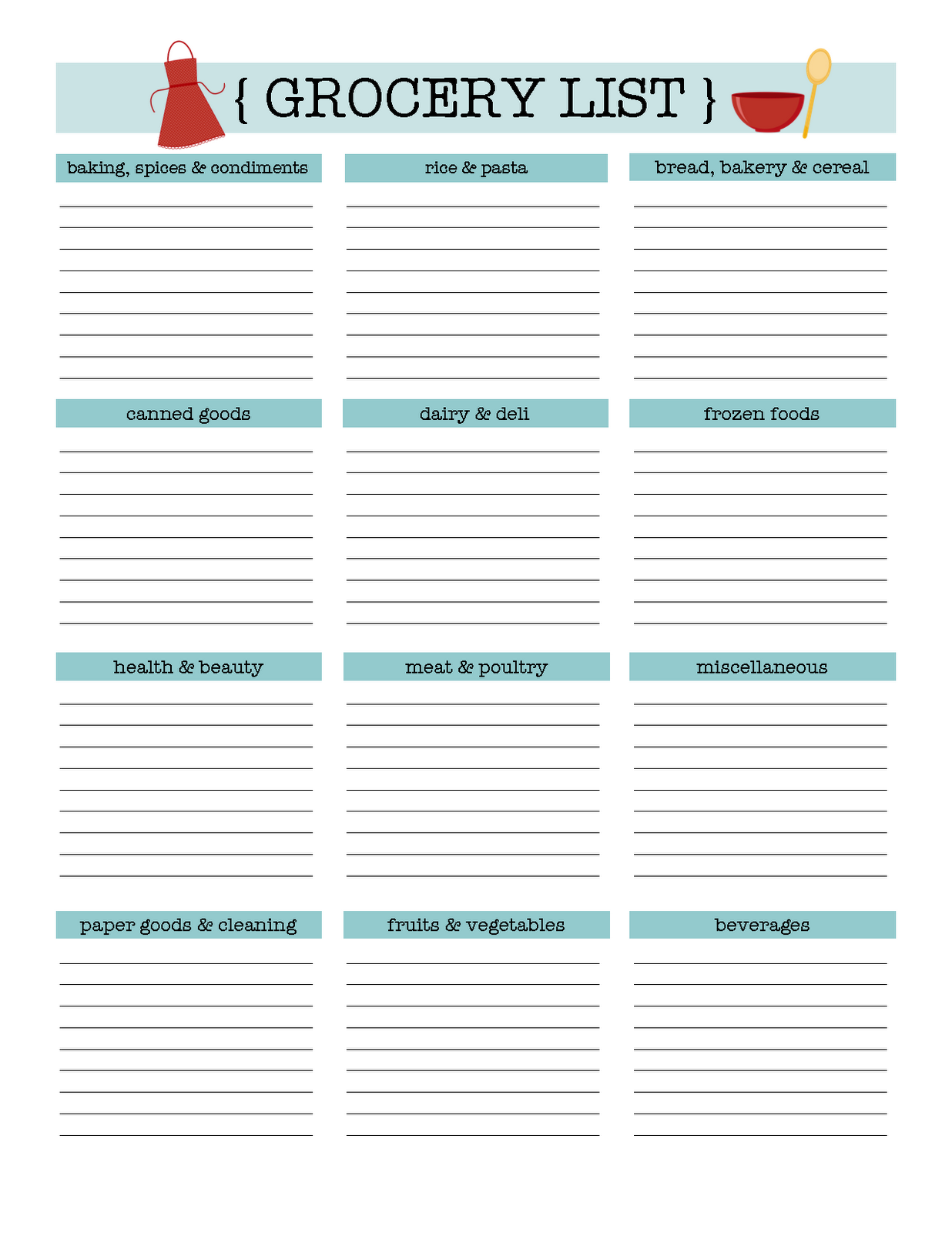
While the rules are simple to memorize, many users prefer a "6 to 1 grocery method PDF" or a printed checklist. In 2026, digital clutter is a significant source of stress; a physical or dedicated digital PDF offers several advantages for the disciplined shopper:
- Visual Accountability: Seeing empty slots in your "Vegetable" section encourages you to explore the produce aisle more thoroughly.
- Inventory Tracking: Many 6 to 1 PDFs include a section for "Pantry Staples" (salt, pepper, oil) that you don't need to buy every week but should check before leaving.
- Meal Mapping: Advanced templates allow you to jot down three or four "anchor meals" based on the items you've checked off.
- Budget Control: By limiting the total number of items to 21 (6+5+4+3+2+1), you can more easily estimate the total cost before reaching the checkout line.
Comparative Analysis: Traditional Shopping vs. 6 to 1 Method
| Feature | Traditional Shopping | 6 to 1 Grocery Method |
|---|---|---|
| Decision Speed | Slow; prone to browsing. | Fast; targeted selection. |
| Food Waste | High; unused "extra" items rot. | Low; items are part of a specific ratio. |
| Budgeting | Unpredictable. | Highly predictable and controlled. |
| Nutrition | Varies; often heavy on processed goods. | High; vegetable and fruit forward. |
| Meal Planning | Recipe-first (requires many niche items). | Ingredient-first (encourages creativity). |
| Impulse Buys | Frequent (end-caps and snacks). | Limited to exactly one "fun" item. |
Step-by-Step Implementation Guide
To move from the theory of the 6 to 1 method to practical execution, follow these steps during your next grocery run.
Step 1: Inventory the Pantry
Before leaving for the store, check your "basics." The 6 to 1 method assumes you have standard pantry staples like olive oil, salt, pepper, and basic spices. If you are out of a staple, it doesn't necessarily have to count toward your 21 items, but it's helpful to know what you already have to avoid buying a fourth starch or a seventh vegetable by mistake.
Step 2: Choose Your "Anchor" Protein
Start in the meat or plant-protein aisle. Because protein usually dictates the "theme" of a meal, choosing your 4 proteins first makes selecting the 6 vegetables much easier. For example, if you pick ground turkey and black beans, you know you’ll likely want bell peppers and onions from the vegetable section.
Step 3: Work Backwards Through the Ratio
Move from 4 (Proteins) to 5 (Fruits) and 6 (Vegetables). Once the perishables are secured, move to the center aisles for your 3 starches, 2 sauces, and finally, your 1 fun item.
Step 4: The 10-Minute Meal Brainstorm
Once your cart is full, spend two minutes before checking out to mentally verify that you can make at least five distinct meals from these items. If you find that your 6 vegetables and 4 proteins don't "talk" to each other, swap one out before you pay.
Adapting the Method for Specialized Diets
The beauty of the 6 to 1 method is its flexibility across different dietary requirements.
- For Vegans/Vegetarians: The "4 Proteins" would consist of items like lentils, chickpeas, tempeh, and high-protein grains or nuts. The "6 Vegetables" remain the core focus.
- For Keto/Low-Carb: The "3 Starches" can be replaced with low-carb alternatives like cauliflower rice or almond flour, or the user can choose to reallocate those slots to "Healthy Fats" or additional fibrous vegetables.
- For Large Families: The ratio stays the same, but the quantity of each item increases. Instead of buying one head of broccoli (one of the 6 veggies), a family of five might buy three heads of broccoli. The constraint remains on the variety of items, not the volume.
Avoiding Common Pitfalls
Even with a clear 6 to 1 grocery method PDF in hand, shoppers can make mistakes that lead to waste or mid-week hunger.
The "Hidden Items" Trap Some shoppers try to "cheat" the system by counting a bag of frozen mixed vegetables as one item. While efficient, this can lead to mushy textures in every meal. It is better to choose distinct, whole vegetables to maintain culinary variety.
Over-reliance on the "Fun" Item If your one fun item is a massive box of pastries that you eat by Tuesday, you may feel deprived for the rest of the week. Choose a "fun" item that can be portioned out or enjoyed over several days.
Ignoring the Sauces Many people skip the "2 Sauces" because they think they have enough at home. However, the 6 to 1 method relies on these two items to provide the flavor profile for the entire week. If you rely on the same old bottle of ranch, your "6 vegetables" will eventually become unappealing.
Frequently Asked Questions
What if I need more than 21 items for a specific recipe?
The 6 to 1 method is a framework, not a legal statute. However, the goal is to shift your cooking style from "recipe-dependent" to "ingredient-led." If a recipe requires a 7th vegetable, see if one of your existing 6 can be substituted. Usually, the answer is yes.
Does the 6 to 1 method save money?
Yes, primarily by reducing impulse purchases. Most unplanned grocery spending occurs in the snack, soda, and frozen meal aisles. By limiting yourself to 1 "fun" item and 2 sauces, you bypass the most expensive, highly-processed sections of the store.
Can I use this method for monthly shopping?
The 6 to 1 method is optimized for weekly or bi-weekly trips. Because it emphasizes 6 vegetables and 5 fruits, a monthly trip would lead to significant spoilage of fresh produce unless you rely entirely on frozen options (which is a valid adaptation).
How do I handle "Combo" items?
Items like "Salad Kits" can be tricky. Generally, it is best to count a salad kit as 1 vegetable and 1 sauce, as it contains both. This helps maintain the integrity of the ratio and ensures you don't over-buy perishables.
Should I count milk and eggs?
In the 6 to 1 method, eggs are typically counted as one of the 4 proteins. Milk or dairy alternatives can be counted as a "sauce/spread" if used for cooking, or as a "protein" if used for shakes. Most users treat milk as a "pantry staple" if it's a constant household requirement.
Expert Recommendation for 2026
To get the most out of the 6 to 1 grocery method in 2026, integrate it with a digital inventory app or a simple printed PDF checklist. Focus on seasonal versatility; by selecting vegetables and fruits that are currently in season, you ensure the highest nutrient density and the lowest price points.
The most successful practitioners of this method don't just shop; they "curate." View your grocery cart as a curated collection of ingredients that will fuel your body and your creativity for the next seven days. If you find yourself struggling, start by just focusing on the "6" and the "1"—the vegetables and the treat—and let the rest of the ratio fall into place naturally over time.