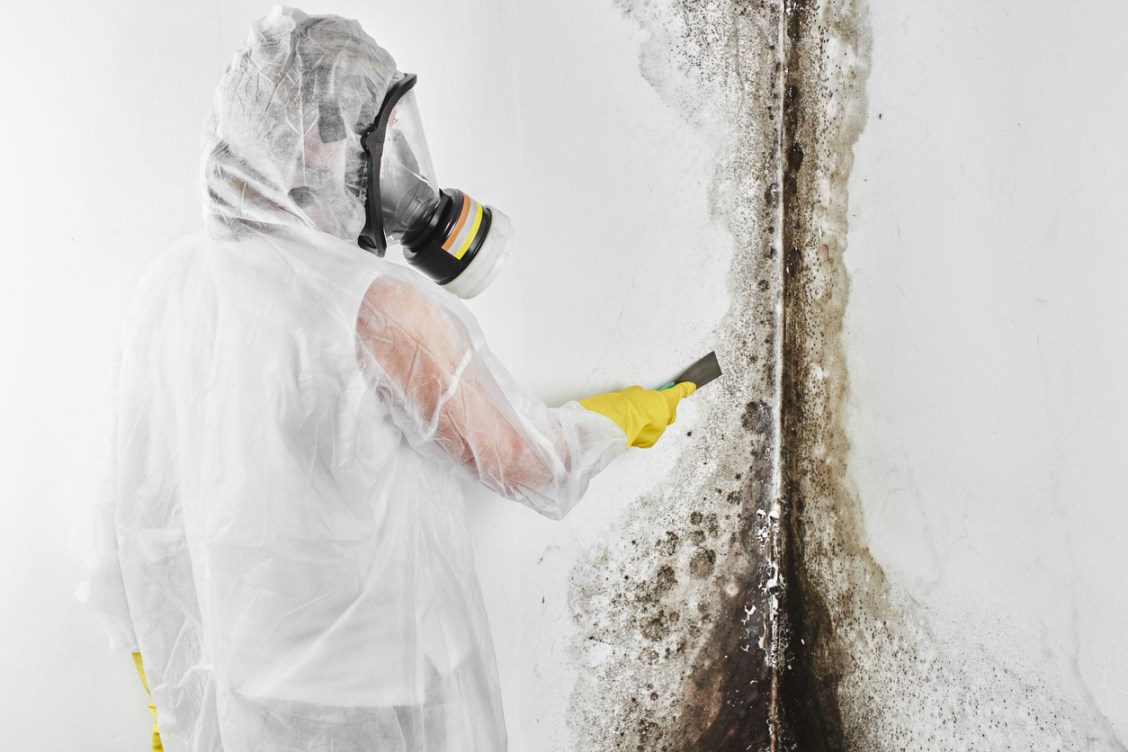
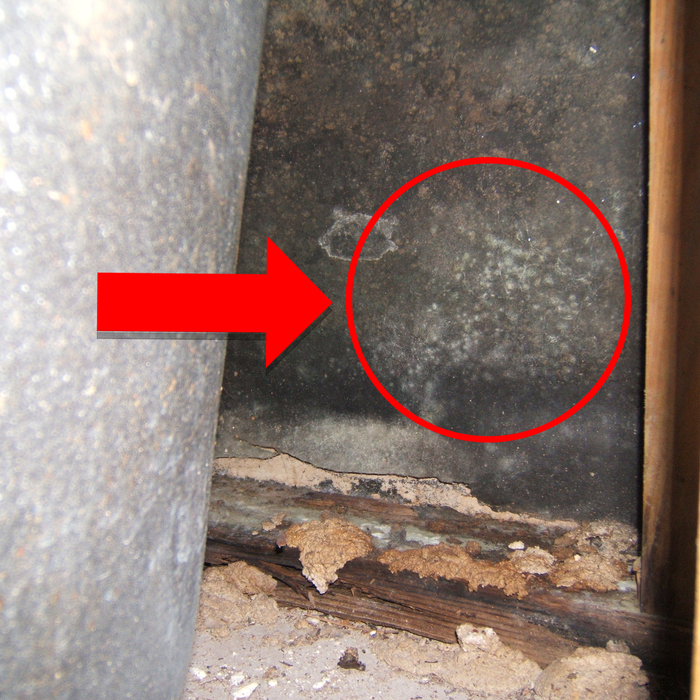
Identifying the best mold remediation companies in New York involves evaluating state licensing, industry certifications, and localized expertise. For 2026, the leading providers are Micro-Ant, ServiceMaster Restore, Restoration 1, PuroClean, and Bio-Clean of New York. These firms adhere to New York's strict Article 32 labor laws, ensuring safe, legal, and effective fungal abatement.
Understanding the New York Mold Remediation Landscape
New York presents a unique environment for mold growth due to its diverse architectural styles and seasonal climate. From century-old brownstones in Brooklyn to modern high-rises in Manhattan and sprawling suburban homes in Westchester, moisture intrusion is a constant threat. High humidity in the summer months combined with aging infrastructure often leads to hidden mold colonies that require professional intervention.
The state of New York maintains some of the strictest regulations in the country regarding mold. Under Article 32 of the New York State Labor Law, there is a mandatory separation of duties. A licensed mold assessor must perform the initial inspection and create a remediation plan, while a separate licensed mold remediation contractor must perform the actual work. This law prevents conflicts of interest, ensuring that the company removing the mold isn't "finding" unnecessary problems to inflate the bill.
Choosing a top-tier company in 2026 requires looking beyond a simple search result. Property owners must verify that a company holds valid New York State Department of Labor (NYSDOL) licenses and carries appropriate environmental insurance. The companies highlighted below have consistently demonstrated compliance with these regulations while maintaining high standards of technical proficiency and customer service.
1. Micro-Ant: Specialized Environmental Expertise
Micro-Ant has established itself as a premier choice for mold remediation in the New York City and Long Island regions. Their approach is characterized by high-level technical precision and a deep understanding of microbial ecology. Unlike general construction firms that offer mold removal as a secondary service, Micro-Ant focuses specifically on environmental hazards.
Why They Lead the NY Market
Micro-Ant distinguishes itself through its use of advanced diagnostic tools and non-invasive remediation techniques. In the dense urban environment of New York, where wall-tearing can be prohibitively expensive and disruptive, their ability to pinpoint moisture sources using thermal imaging and moisture mapping is invaluable. They are known for handling complex insurance claims, providing the detailed documentation required by adjusters to prove that the work meets IICRC S520 standards.
Operational Scope
Their services extend to both residential and high-value commercial properties. In 2026, they continue to be a preferred vendor for property management firms that require rapid response and high-liability protection. Their staff is extensively trained in containment protocols, ensuring that mold spores are not cross-contaminated to unaffected areas of a building—a common mistake made by less experienced contractors.
2. ServiceMaster Restore: Scalable Solutions with Local Roots
ServiceMaster Restore combines the resources of a national brand with the localized knowledge of New York-based franchises. This hybrid model allows them to handle everything from a small basement leak in Queens to large-scale flooding events in upstate New York.
Comprehensive Disaster Recovery
The strength of ServiceMaster lies in its integrated approach. Mold is rarely a standalone issue; it is almost always the result of a water intrusion event. Because ServiceMaster specializes in total disaster restoration, they can transition seamlessly from water extraction and structural drying to mold remediation. This "one-stop" capability simplifies the recovery process for homeowners who are already dealing with the stress of property damage.
Industry-Leading Training
ServiceMaster franchises in NY are typically IICRC-certified (Institute of Inspection, Cleaning and Restoration Certification). Their technicians undergo rigorous training that is updated annually to reflect new biocides, equipment, and safety protocols. For 2026, their focus has shifted toward "green" remediation options, utilizing botanical antimicrobial agents that are safer for families and pets while remaining lethal to fungal growth.
3. Restoration 1: Customer-Centric Remediation
Restoration 1 has grown rapidly across New York State by prioritizing transparency and communication. In an industry where homeowners often feel overwhelmed by technical jargon and frightening health warnings, Restoration 1’s focus on education sets them apart.
Transparent Estimating and Reporting
One of the primary complaints in the remediation industry is "scope creep," where costs balloon after work begins. Restoration 1 utilizes standardized pricing software like Xactimate, which is the industry standard used by insurance companies. This ensures that their quotes are fair, market-aligned, and easily understood by all parties involved.
Focus on Occupant Health
They place a significant emphasis on the "containment" phase of remediation. Using high-efficiency particulate air (HEPA) filtration and negative air pressure machines, they ensure that the air quality in the rest of the home remains safe during the cleanup. This is particularly critical for New York families with children or elderly members who may have heightened sensitivity to mold allergens.
4. PuroClean: The "Paramedics of Property Damage"
PuroClean has earned a reputation for its "all-hands-on-deck" response time. In the world of mold, time is the most critical factor. Mold can begin to colonize within 24 to 48 hours of a water event. PuroClean’s New York offices are structured to respond with emergency urgency, often arriving on-site within hours of a call.
Systematic Remediation Protocols
PuroClean follows a very specific, repeatable system for mold removal. This includes the identification of moisture sources, the physical removal of "mold-impacted" porous materials (like drywall or insulation), and the detailed cleaning of semi-porous and non-porous surfaces. Their technicians are trained to identify not just the mold you can see, but the conditions that allow mold to thrive in hidden cavities.
Relationship with Insurance Carriers
Because of their national footprint and professional reporting standards, PuroClean is on the preferred vendor list for many major insurance carriers operating in New York. This can significantly speed up the claims process, as adjusters often trust the documentation and pricing provided by PuroClean offices without the need for lengthy negotiations.
5. Bio-Clean of New York: The Specialists in Complex Cases
Bio-Clean of New York is often called in when other companies find the situation too complex. They specialize in biohazard cleanup and extreme mold infestations that require a higher level of environmental controls.
Advanced Sanitization Technology
Bio-Clean is at the forefront of using EPA-registered disinfectants and specialized fogging technologies that can reach areas traditional wiping cannot. In 2026, they are frequently utilized for "attic and crawlspace" remediation, where confined space entry requirements and difficult structural layouts make remediation challenging.
Environmental Stewardship
They are recognized for their commitment to minimizing the environmental impact of remediation. This includes proper disposal of hazardous waste and the use of energy-efficient drying equipment. For New York residents who are concerned about the chemicals used in their homes, Bio-Clean offers some of the most advanced low-VOC (volatile organic compound) solutions available in the industry.
Comparative Overview of Top NY Remediation Firms
The following table provides a quick reference for comparing these five companies based on their primary strengths and service capabilities as of 2026.
| Company Name | Primary Service Area | Best For... | Response Time | NYS Licensed |
|---|---|---|---|---|
| Micro-Ant | NYC, Long Island, Westchester | Complex urban projects & high-tech diagnostics | 4-8 Hours | Yes |
| ServiceMaster Restore | Statewide (Franchise Network) | Large-scale water damage + mold restoration | 2-4 Hours | Yes |
| Restoration 1 | NYC Metro, Hudson Valley | Residential transparency & insurance navigation | 4-6 Hours | Yes |
| PuroClean | Statewide (Franchise Network) | Emergency response & standardized protocols | 1-3 Hours | Yes |
| Bio-Clean of NY | NYC, Long Island | Biohazard crossover & difficult crawlspaces | 6-12 Hours | Yes |
The Legal Requirements for Mold Removal in New York
It is essential to reiterate the importance of New York State’s specific laws. If a company offers to inspect your mold and then immediately offers to fix it for a single price, they are likely in violation of New York State Labor Law Article 32.
- The Mold Assessment: A licensed assessor must visit the property, take air or surface samples if necessary, and write a "Remediation Plan." This plan outlines what needs to be done, which rooms are affected, and what safety measures must be taken.
- The Remediation: You then provide this plan to a licensed remediation contractor (like the five listed above). They must follow the plan explicitly.
- The Clearance: Once the work is done, the initial assessor (or another independent third party) should return to perform a clearance inspection to verify that the mold has been successfully removed and the moisture problem has been solved.
This three-step process is designed to protect New York consumers from predatory practices and ensures that the root cause of the mold—usually a leak or humidity issue—is addressed so the mold does not return.
Critical Steps in the Remediation Process
When you hire one of the top companies in NY, you should expect a standardized sequence of events. Understanding this process helps you verify that the contractor is performing the work correctly.
1. Preparation and Containment
Before any mold is disturbed, the area must be isolated. Technicians will use heavy-duty plastic sheeting (6-mil poly) to seal off the work zone. High-traffic areas are protected with floor covering. They will also set up an air scrubber with a HEPA filter to create negative pressure, ensuring that any spores kicked up during the cleaning process are sucked into a filter rather than drifting into your kitchen or bedroom.
2. Removal of Impacted Materials
Mold cannot be "cleaned" off porous materials like drywall, insulation, or carpeting once it has deeply penetrated the fibers. These materials must be carefully removed, bagged in the containment zone, and wiped down before being carried out of the house. Top companies will always bag waste inside the containment area to prevent cross-contamination.
3. Structural Cleaning and HEPA Vacuuming
Once the visible moldy materials are gone, the "studs" or structural elements are cleaned. This usually involves "HEPA vacuuming" (which captures 99.97% of particles) followed by a damp wipe with an antimicrobial solution, and then another round of HEPA vacuuming once dry. This "sandwich" method is the gold standard for removing microscopic spores.
4. Structural Drying
If the wood or masonry is still wet, the mold will return within days. Leading NY companies use industrial-grade dehumidifiers and air movers to bring the moisture content of the building materials down to "dry standards" (usually below 15% for wood).
Common Mistakes to Avoid When Hiring
Even when choosing among top-rated companies, property owners should be aware of common pitfalls in the remediation industry.
- Relying on "Bleach": Professional remediation companies rarely use bleach. Bleach is mostly water; while it kills mold on the surface of non-porous materials like tile, the water can actually soak into porous materials like wood and feed the mold roots (hyphae) deeper inside.
- Skipping the Assessment: In New York, skipping the independent assessment is not just a bad idea—it’s a violation of state regulations for most projects. It leaves you with no proof that the air is clean after the workers leave.
- Failing to Fix the Source: Mold is a symptom, not the disease. If a company offers to remove the mold but doesn't insist on fixing the pipe leak or the roof issue that caused it, the mold will return.
Frequently Asked Questions
Is mold remediation covered by insurance in New York?
Coverage varies significantly based on your specific policy and the cause of the mold. Generally, if the mold resulted from a "sudden and accidental" water discharge (like a burst pipe), it is often covered up to a certain limit (frequently $5,000 to $10,000). However, mold resulting from long-term neglect, high humidity, or exterior flooding is often excluded unless you have a specific endorsement.
How much does professional mold remediation cost in NY?
In 2026, the average cost for professional remediation in New York ranges from $2,500 to $7,500 for localized areas like a bathroom or a corner of a basement. Larger projects involving multiple rooms or HVAC systems can exceed $15,000. These costs include labor, specialized equipment rental, and disposal fees, which are higher in the NY metro area due to waste regulations.
Can I stay in my home during the remediation?
In most cases involving small to medium areas, you can remain in the home as long as the containment is properly set up and the HVAC system is not compromised. However, if the mold is widespread or the noise from industrial dehumidifiers is too disruptive, companies may recommend vacating for 48 to 72 hours.
How do I verify a company's NYS license?
You can verify a contractor's status through the New York State Department of Labor's website. Search for the "Licensed Mold Contractors" database to ensure their license is active and they have no outstanding safety violations.
What is the difference between mold "removal" and "remediation"?
While often used interchangeably, "removal" implies simply getting rid of the visible mold. "Remediation" is a more comprehensive term that includes assessment, containment, removal, cleaning, and—most importantly—addressing the underlying moisture issue to prevent recurrence.
Practical Recommendation for Homeowners
If you suspect mold in your New York property, your first action should be to contact a licensed mold assessor who is independent of any remediation company. Once you have a written remediation plan, contact at least two of the companies listed above—such as Micro-Ant or ServiceMaster Restore—to provide a competitive bid based on that specific plan. This ensures you are comparing "apples to apples" and staying within the legal framework of New York State law. Always request proof of environmental insurance and references from similar property types in your specific borough or county.