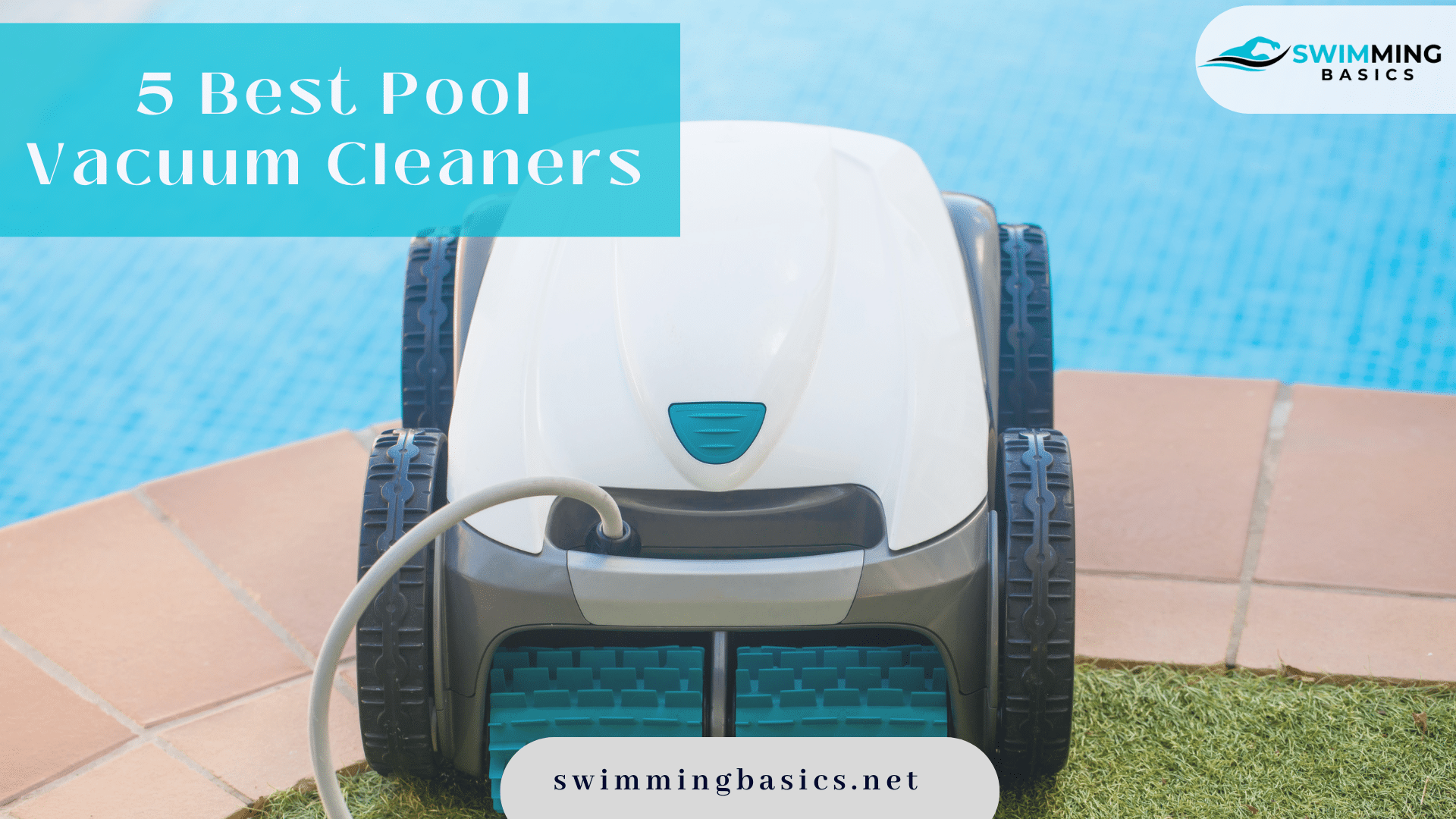
For heavy-duty pool maintenance, a high-quality corded pool vacuum outperforms cordless alternatives by providing consistent, high-wattage suction and unlimited runtime. These units eliminate the downtime associated with recharging batteries, making them the superior choice for clearing large volumes of debris, handling seasonal openings, and maintaining expansive swimming pools efficiently.
The Reality of Serious Pool Maintenance in 2026
As of 2026, the pool maintenance industry has seen a massive influx of battery-powered technology. While cordless convenience is appealing for a quick "touch-up" of a small spa or a clean pool, it often falters when faced with "serious clean ups." A serious clean up is defined by high debris density—think of a pool after a major storm, a spring opening filled with decaying organic matter, or a large-scale commercial basin that requires hours of continuous filtration.
In these scenarios, the limitations of battery chemistry become a bottleneck. Corded pool vacuums, specifically modern robotic cleaners, rely on a dedicated power supply connected to a standard GFCI outlet. This tethered connection is not a relic of the past; it is a deliberate engineering choice that allows for higher motor torque, more sophisticated filtration cycles, and a level of reliability that lithium-ion cells cannot yet match under heavy loads.
1. Uninterrupted Runtime and Duty Cycles
The most significant advantage of a corded pool vacuum is the elimination of the "battery anxiety" and the forced downtime of recharging. Most high-end cordless cleaners offer a runtime of 90 to 150 minutes. While this sounds sufficient, a pool that has been neglected or hit by a windstorm often requires three or four consecutive cycles to achieve pristine water clarity.
The Physics of Continuous Operation
When a corded vacuum is plugged into its power supply unit (PSU), it operates on a continuous loop of electricity. For a serious clean up, you might set the device to a "Heavy Duty" or "Ultra-Clean" mode. These modes often run for 3 to 4 hours. If the pool is still not clean, a corded unit can be restarted immediately.
In contrast, once a cordless unit exhausts its charge, it typically requires 3 to 6 hours to reach a full state of charge. During a weekend cleanup, this downtime can turn a one-day job into a two-day ordeal. For homeowners who value their time, the corded vacuum's ability to work until the job is finished is the primary reason it remains the professional standard.
Scaling for Pool Size
For pools exceeding 40 feet in length, the energy required to traverse the floor, climb the walls, and scrub the waterline is immense. Corded units are designed with cables ranging from 50 to 60 feet (and sometimes up to 100 feet for commercial models) with integrated swivels to prevent tangling. This ensures that every square inch of a large pool receives the same level of attention, regardless of how much time has elapsed since the start of the cycle.
2. Superior Suction Power and Motor Torque
Serious clean ups involve more than just light silt; they involve wet leaves, acorns, twigs, and sometimes even small pebbles. Moving these heavy objects requires significant suction wattage and mechanical torque.
The Power Output Gap
Corded pool vacuums are typically equipped with more powerful internal motors because they do not have to conserve energy to preserve battery life. A standard corded robotic cleaner can move upwards of 4,000 to 5,000 gallons of water per hour (GPH) through its internal filtration system.
Battery-powered units are often "tuned" to favor efficiency. To make the battery last for two hours, the manufacturer may limit the motor's RPM or use smaller impellers. When faced with a carpet of oak leaves at the bottom of a deep end, a cordless unit may glide over the debris without lifting it, whereas a high-torque corded unit creates a localized vortex that pulls the debris into the filter canister with ease.
Wall Climbing and Scrubbing Intensity
Vertical cleaning—the ability to climb the pool walls and scrub the tile line—is one of the most energy-intensive tasks a pool vacuum performs. Corded models use their constant power supply to maintain high-speed brush rotation while simultaneously driving the tracks or wheels upward. This "dual-action" cleaning is often compromised in battery units as the charge drops, leading to the unit "stalling" halfway up the wall or failing to scrub the algae-prone waterline effectively.
3. High-Capacity Filtration and Fine Particle Capture
A "serious" clean up isn't just about the big stuff; it’s about the fine particles that make water cloudy. Corded vacuums are built to accommodate larger, more robust filtration systems that would be too heavy or create too much drag for a low-power cordless unit.
Multi-Layer Filtration
The best corded vacuums on the market in 2026 utilize multi-layer filtration baskets. These systems include:
- Large Debris Nets: For leaves and sticks.
- Ultra-Fine Cartridges: For sand, silt, and even microscopic algae spores.
Because the corded unit has the power to push water through denser, more restrictive filter media, it can capture particles as small as 2 to 5 microns. A cordless unit, struggling to maintain flow with a dying battery, would quickly experience a "clogged" state where the motor can no longer pull water through the fine mesh, essentially stopping the cleaning process even if the wheels are still turning.
Weight Distribution and Stability
Corded vacuums are generally heavier than their cordless counterparts because they don't need to be optimized for "easy lifting" out of the water to a charging dock. This extra weight is actually an advantage during a serious clean up. It provides better traction on the pool floor and prevents the vacuum from "floating" or losing contact with the surface when encountering high-pressure return jets or heavy debris piles.
4. Advanced Navigation and Mapping Features
Modern corded pool cleaners are essentially underwater computers. To clean a complex pool shape (L-shape, kidney, or pools with beach entries) efficiently, the vacuum must map the environment.
Processing Power
Effective mapping requires sensors, gyroscopes, and constant data processing. Corded units can afford to run sophisticated onboard software suites, such as those that track the vacuum's path to ensure 100% coverage without unnecessary overlap.
Remote Connectivity and Smart Home Integration
Most top-tier corded cleaners in 2026 feature robust Wi-Fi connectivity. Because the power supply is stationary and plugged in, it acts as a powerful bridge between the home network and the vacuum. This allows for:
- Real-time alerts: Notification when the filter is full.
- Remote Steering: Using a smartphone to target a specific pile of dirt.
- Advanced Scheduling: Setting complex cleaning calendars that a battery unit couldn't follow (since it would need a human to manually plug it in to charge between sessions).
5. Long-Term Reliability and Lower Total Cost of Ownership
When discussing "serious clean ups," we must consider the longevity of the equipment. A pool vacuum is a significant investment, and its performance over five to seven years is a crucial metric.
The Battery Degradation Problem
All lithium-ion batteries have a finite lifespan, typically measured in charge cycles. In a pool environment—where heat and chemicals are prevalent—battery health can decline rapidly. By year three, a cordless vacuum that once ran for two hours might only run for 45 minutes, rendering it useless for a serious clean up. Replacing these proprietary battery packs is often so expensive that it's more cost-effective to buy a new vacuum.
Modular Repairability of Corded Units
Corded vacuums are fundamentally simpler in their energy delivery. There are no high-capacity battery cells to fail. The most common wear items—brushes, tracks, and the occasional motor block—are usually modular and replaceable. A high-quality corded robotic cleaner purchased today can often be serviced and maintained for a decade, providing a much higher return on investment for the serious pool owner.
Comparative Overview: Corded vs. Cordless vs. Suction-Side
| Feature | Corded Robotic Vacuum | Cordless Robotic Vacuum | Suction-Side Vacuum |
|---|---|---|---|
| Primary Power Source | Dedicated Electric (GFCI) | Onboard Lithium-Ion Battery | Pool Pump Suction |
| Typical Runtime | Unlimited (Programmed Cycles) | 60–150 Minutes | Unlimited (While Pump is On) |
| Suction Strength | High / Consistent | Moderate / Declining | Dependent on Pool Pump |
| Debris Capacity | Large (Internal Basket) | Small to Medium | Small (Sent to Skimmer) |
| Best For | Deep cleans, large pools, heavy debris | Small pools, quick daily touch-ups | Budget-conscious, light debris |
| Maintenance Depth | Advanced (Wall & Tile Line) | Varies (Mostly Floor-Focused) | Basic (Floor & Lower Walls) |
| Longevity | 5–10 Years | 2–4 Years (Battery dependent) | 3–7 Years (Moving parts) |
Common Mistakes When Using a Corded Pool Vacuum
Even the best corded vacuum can fail if not used correctly during a serious clean up. Understanding the nuances of the equipment prevents premature wear and ensures the best results.
Overlooking the Swivel
The "cable swivel" is the most important mechanical part of a corded vacuum. It allows the cable to rotate as the vacuum turns. A common mistake is allowing the cable to become "coiled" or "kinked" before it enters the water. Always lay the cable out straight on the deck before starting a cycle to ensure the vacuum has its full range of motion.
Leaving the Power Supply in Direct Sunlight
While the vacuum is waterproof, the power supply unit (PSU) is only water-resistant. In 2026, many PSUs have thermal protection, but leaving the box in 100°F direct sunlight can cause the electronics to throttle the power to the vacuum to prevent overheating. Always place the PSU in a shaded, well-ventilated area at least 10 feet from the pool edge.
Ignoring the Filter Saturation
During a serious clean up, the filter will fill up much faster than during routine maintenance. If the vacuum seems to be moving slowly or lifting off the floor, it is likely because the filter is full. The debris creates "backpressure," reducing the downward force created by the water outlet. For heavy cleanups, plan to pull the vacuum and rinse the filters every 60 to 90 minutes.
Troubleshooting Performance Issues
If your corded vacuum is underperforming during a heavy-duty session, check the following:
- Voltage Drop: Ensure you are not using a long, thin extension cord to reach the outlet. This can cause a voltage drop that starves the motor of power. Always plug directly into a GFCI outlet if possible.
- Impeller Obstruction: Small twigs or pine needles can sometimes bypass the filter and lodge in the top impeller. If the vacuum isn't sucking, check the "chimney" for blockages.
- Worn Brushes: For serious scrubbing, the brushes need to have "grip." If the brushes are worn down, the vacuum will spin its wheels without moving forward, especially on slick fiberglass or tile surfaces.
FAQ
Why is a corded vacuum better than a suction-side vacuum for heavy debris?
A suction-side vacuum relies on your pool's main filter and pump. During a heavy cleanup, this can lead to your pool filter clogging rapidly, requiring multiple backwashes or filter cleanings. A corded robotic vacuum is "self-contained," meaning it traps all the debris in its own internal basket, protecting your pool's primary filtration system from unnecessary stress.
Can I leave my corded pool vacuum in the pool all the time?
While many high-end models in 2026 are designed for durability, it is not recommended to leave the unit in the pool 24/7. Pool chemicals (especially during a shock treatment) can degrade the plastic seals and rubber tracks over time. For the best longevity, remove the vacuum once the "serious clean up" is complete and rinse it with fresh water.
Is the cord a tripping hazard?
Yes, the cord is a material factor. However, for a "serious clean up," the vacuum is typically run when the pool is not in use. The trade-off—a cord on the deck for 3 hours versus a pool that remains dirty because a battery died—is almost always worth it for those focused on hygiene and water clarity.
Do corded pool vacuums use a lot of electricity?
No. Despite their power, modern corded robotic cleaners are highly efficient. Most operate on about 150–200 watts, which is roughly equivalent to a few old-fashioned incandescent light bulbs. They are significantly more energy-efficient than running your 1.5 HP or 2.0 HP pool pump for hours to power a suction-side cleaner.
Are corded vacuums safe to use while I am in the pool?
No. You should never be in the pool while an electric vacuum (corded or cordless) is operating. While these devices are designed with multiple safety redundancies and low-voltage transformers, standard safety protocols dictate that the pool should be empty during mechanical cleaning.
Final Recommendation for Serious Clean Ups
When faced with a pool that requires significant restoration or constant high-volume debris removal, a corded robotic pool vacuum is the most reliable and effective tool available. Its ability to provide consistent, high-wattage suction without the interruption of charging cycles ensures that even the most neglected pools can be returned to pristine condition in a single afternoon.
If you have a large pool (over 30 feet), high organic load (lots of trees), or simply want a machine that will last 7 to 10 years with proper maintenance, prioritize a corded model with a high GPH (Gallons Per Hour) rating and ultra-fine filtration cartridges. The cord is not a limitation; it is the source of the vacuum's superior cleaning power.