Forever 21 has endured for nearly four decades by continuously adapting its fast-fashion business model to shifting consumer preferences, economic fluctuations, and digital retail transformations. Founded in 1984 by Do Won Chang and Jin Sook Chang in Los Angeles, California, the brand grew from a single small storefront into a global retail powerhouse, navigating profound shifts in youth culture, supply chain logistics, and ownership structures along the way.
The Genesis and Foundation of Forever 21
The journey of Forever 21 began in Highland Park, Los Angeles, where the founders opened a 900-square-foot store originally named Fashion 21. Immigrants from South Korea, the Changs targeted the vibrant Korean-American community in Los Angeles, sourcing clothing directly from manufacturers in their home country. This direct-to-consumer model allowed them to offer trendy, youth-oriented apparel at exceptionally low prices, mirroring the styles seen in upscale boutiques but making them accessible to working-class shoppers and teenagers.
Within the first year, sales surged dramatically, transforming a modest local shop into a scalable retail concept. The founders rebranded the business as Forever 21 and embarked on an aggressive expansion strategy. Throughout the late 1980s and 1990s, the company established a steady presence in Southern California malls, steadily building the brand equity necessary to scale nationally. This early phase established the core operational pillars of the brand: rapid trend replication, high inventory turnover, and vast store footprints that encouraged exploratory shopping.
Scaling the Fast-Fashion Empire
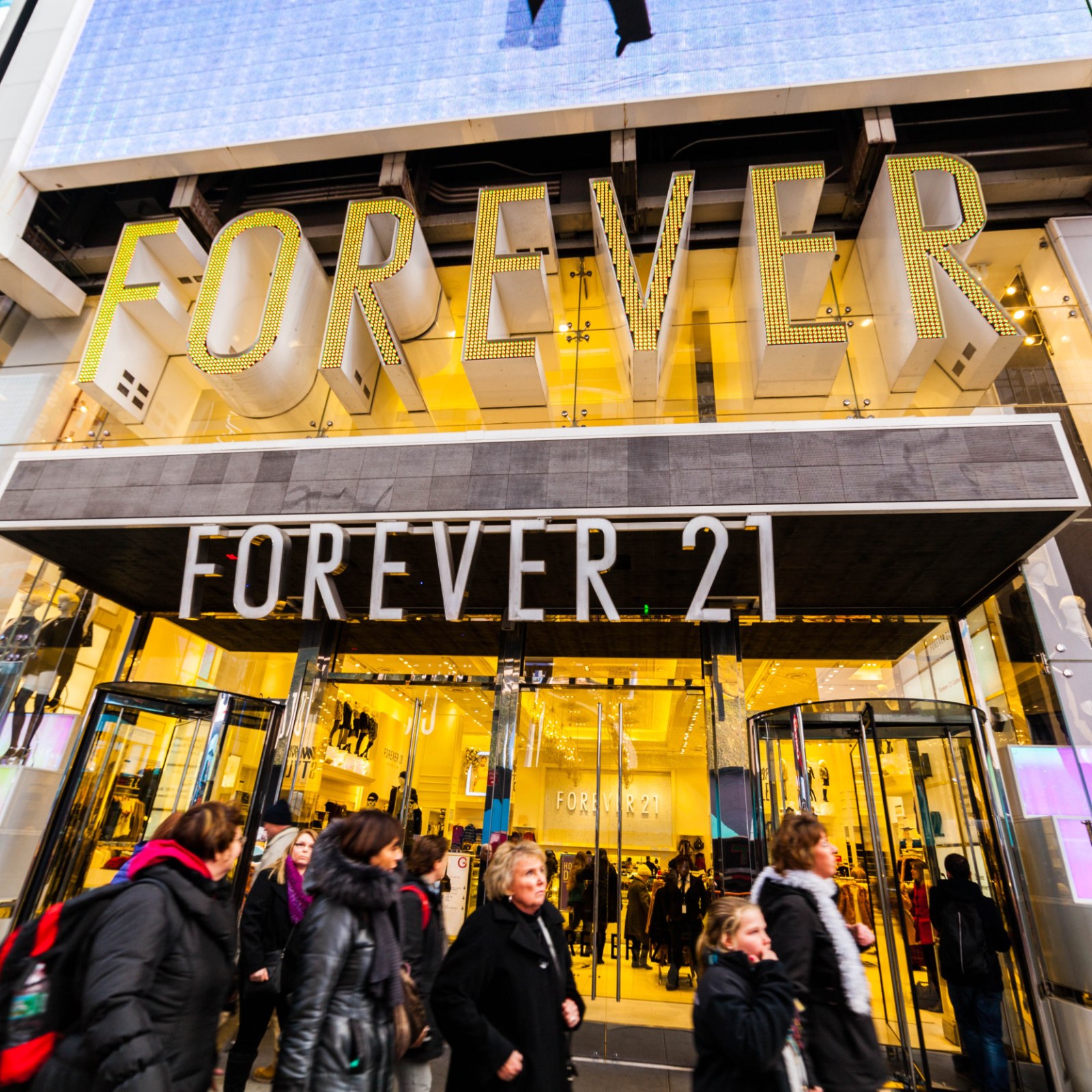
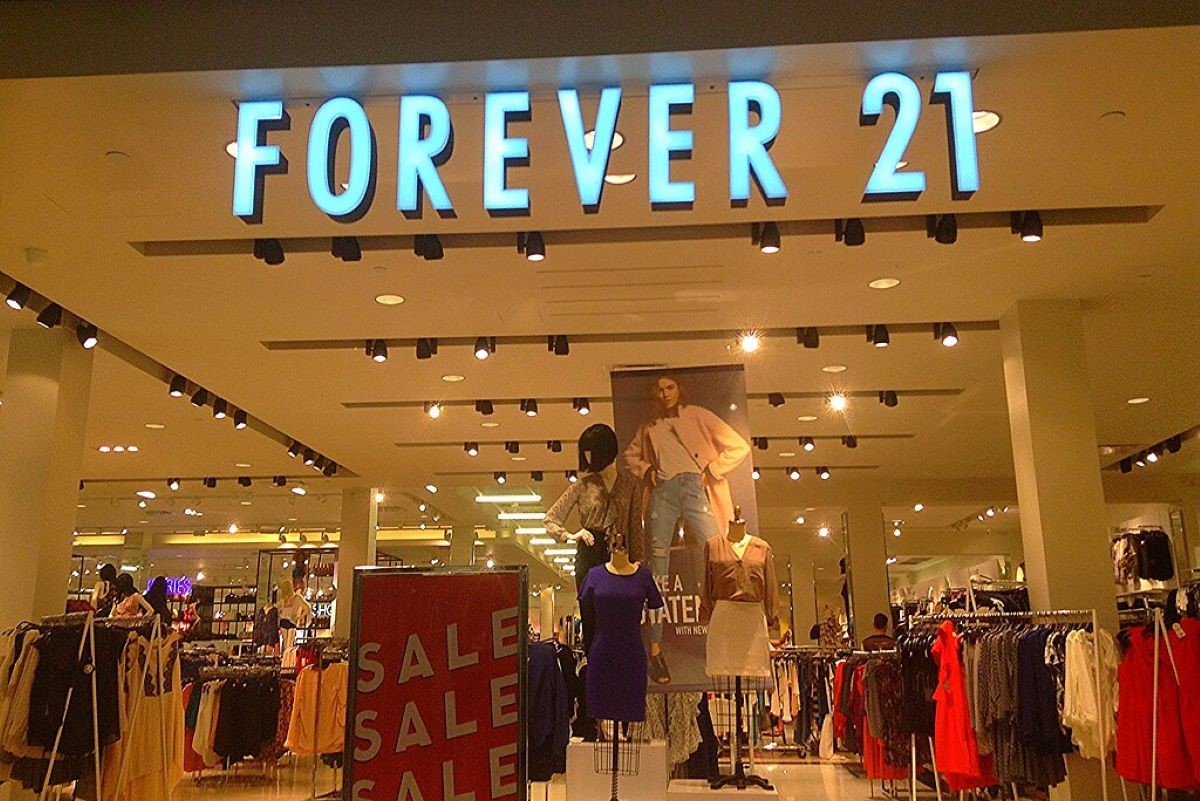
By the 2000s and 2010s, Forever 21 entered its hyper-growth phase. The brand became synonymous with massive, multi-level flagships located in premier shopping malls across the United States and internationally. These stores were designed to overwhelm the senses with endless racks of rapidly changing merchandise, encouraging impulse purchases and capturing the attention of trend-conscious Gen Z and millennial shoppers.
The business model relied on a delicate balance of speed and volume. Rather than designing clothes months in advance like traditional apparel brands, Forever 21 partnered with a vast network of local and international suppliers—many based in the Los Angeles garment district—to turn runway trends and celebrity looks into retail-ready garments in a matter of weeks. This agility allowed the company to capture fleeting micro-trends before consumer interest faded.
| Era | Key Milestones | Operational Focus |
|---|---|---|
| 1984–1999 | Founding of Fashion 21; expansion across Southern California malls; rebranding to Forever 21. | Direct manufacturer sourcing; affordable trend replication; local market penetration. |
| 2000–2015 | Opening of massive multi-level flagships; international expansion into Europe, Asia, and Latin America. | Hyper-growth; massive retail footprints; rapid global scaling. |
| 2016–2026 | Chapter 11 bankruptcy filing (2019); acquisition by Authentic Brands Group, Simon Property Group, and Brookfield Property Partners; digital pivot. | Restructuring; e-commerce optimization; brand repositioning through strategic licensing. |
Financial Turbulence and the 2019 Bankruptcy Restructuring
Despite its immense popularity, the rapid expansion of Forever 21 eventually exposed significant vulnerabilities. By the late 2010s, the retail landscape had shifted dramatically. Consumers increasingly preferred online shopping over traditional malls, and mounting competition from ultra-fast-fashion e-commerce giants like Shein and ASOS began eroding Forever 21's market share. Furthermore, maintaining massive brick-and-mortar footprints proved financially unsustainable as mall foot traffic declined across North America.
In September 2019, Forever 21 filed for Chapter 11 bankruptcy protection. The restructuring process involved closing hundreds of underperforming international and domestic stores, renegotiating commercial lease agreements, and streamlining corporate operations to eliminate inefficiencies.
Crucially, the brand was rescued in early 2020 through an acquisition by a consortium consisting of brand management firm Authentic Brands Group (ABG), along with major mall operators Simon Property Group and Brookfield Property Partners. This unique ownership structure ensured that the brand could maintain a physical retail presence within premier shopping centers while leveraging ABG's licensing expertise to expand into new product categories and digital markets.
Modern Adaptation and the Digital Shift
Surviving nearly four decades in the volatile apparel industry required Forever 21 to transition from a purely physical retail model to an omnichannel strategy. In the wake of its restructuring, the company invested heavily in its e-commerce infrastructure, mobile applications, and digital marketing capabilities.
Key Drivers of Modern Longevity
- Omnichannel Integration: Blurring the lines between in-store experiences and online shopping through services like buy-online-pick-up-in-store (BOPIS) and seamless digital returns.
- Strategic Collaborations: Partnering with influential designers, pop culture franchises, and digital creators to generate fresh excitement and attract younger demographics.
- Agile Supply Chain Refinement: Optimizing inventory forecasting to reduce overproduction, addressing both modern sustainability concerns and margin preservation.
- Diversified Product Lines: Expanding beyond apparel into beauty products, footwear, home goods, and activewear to capture broader wallet share from loyal consumers.
Challenges and Criticisms Facing the Brand
While Forever 21 has successfully navigated its operational and financial hurdles, it has also faced persistent industry scrutiny. Like many fast-fashion retailers, the brand has historically grappled with criticisms regarding supply chain transparency, labor practices, and the environmental impact of disposable fashion.
Consumer demand for sustainable and ethically produced clothing has forced the brand to re-evaluate its sourcing strategies. In recent years, retailers operating under Authentic Brands Group have faced increasing pressure to adopt more sustainable materials, reduce carbon footprints, and provide verifiable disclosures regarding factory conditions. Balancing affordability with ethical manufacturing remains an ongoing operational challenge as the brand looks toward its future.
Frequently Asked Questions
Who founded Forever 21 and when?
Forever 21 was founded by husband-and-wife duo Do Won Chang and Jin Sook Chang. They opened the first store, originally named Fashion 21, in Los Angeles, California, in April 1984.
Why did Forever 21 file for bankruptcy in 2019?
The bankruptcy filing was driven by a combination of factors, including the rapid shift of consumer spending toward e-commerce, declining foot traffic in traditional shopping malls, expensive long-term leases on oversized flagship stores, and intense competition from digital-first fast-fashion competitors.
Who currently owns Forever 21?
Forever 21 is owned by a consortium led by Authentic Brands Group (ABG), Simon Property Group, and Brookfield Property Partners. This ownership group acquired the brand out of bankruptcy in early 2020 to stabilize its operations and manage its intellectual property.
How has Forever 21 adapted to online shopping?
The brand overhauled its digital infrastructure, enhanced its mobile application, partnered with third-party digital marketplaces, and optimized its supply chain to support fast shipping and flexible online return options, ensuring it remains competitive against pure-play online retailers.
What is the primary target audience for Forever 21?
Forever 21 primarily targets trend-conscious teenagers, college students, and young adults seeking affordable, runway-inspired apparel and accessories that reflect current youth culture and fashion movements.
Conclusion and Strategic Outlook
Reaching nearly four decades of operation demonstrates the remarkable resilience and brand recognition of Forever 21. By surviving severe financial restructuring, adapting to the digital commerce era, and modernizing its supply chain, the brand has secured its place in the modern retail landscape. Moving forward, its continued relevance will depend on its ability to balance affordable pricing with evolving consumer expectations regarding sustainability and digital engagement.