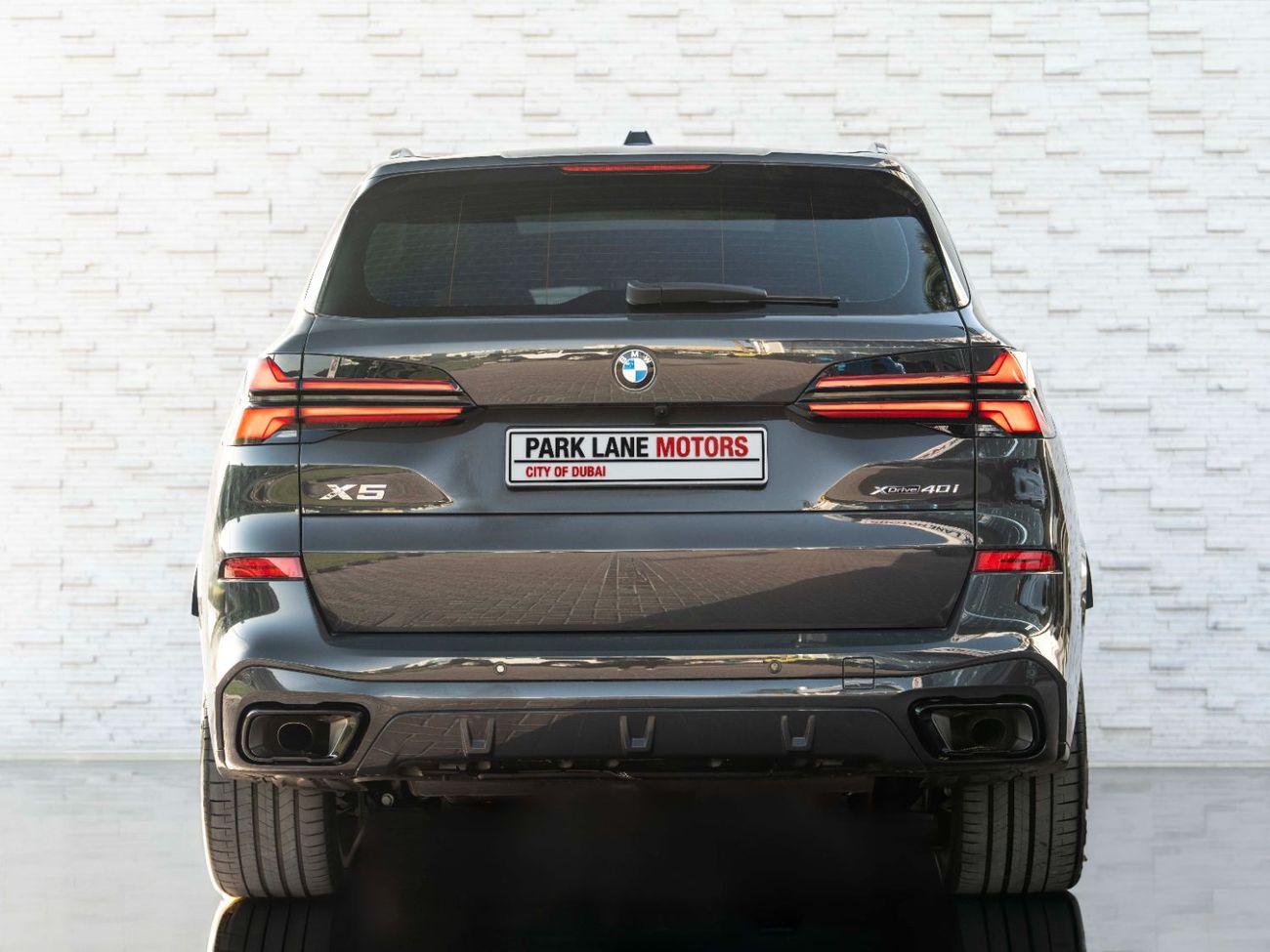
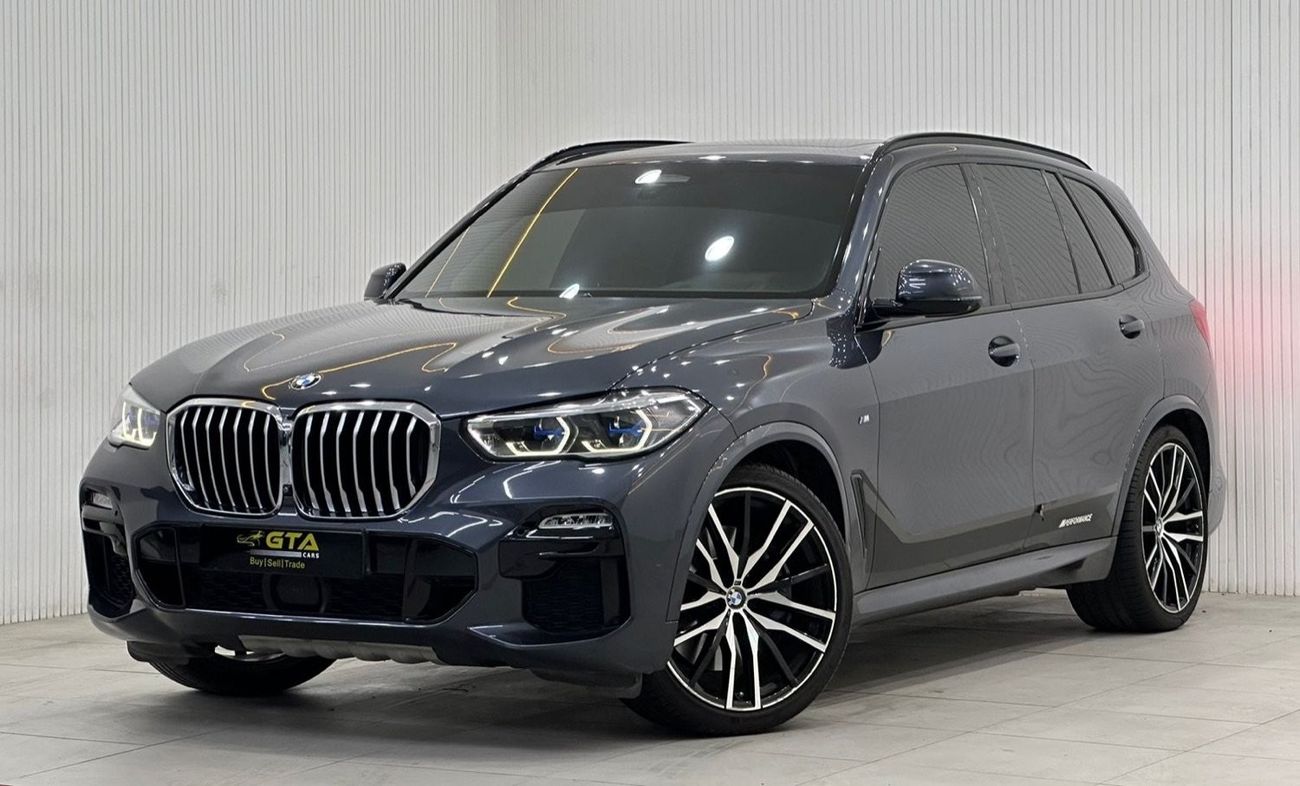
The BMW X5 M Competition achieves a 3.4-second 0-60 mph time through a combination of its 617-hp S68 twin-turbo V8 engine, an advanced M xDrive all-wheel-drive system, and high-performance launch control. While BMW officially rates the vehicle at 3.7 seconds, independent testing consistently validates real-world sprints as low as 3.2 to 3.4 seconds.
The Engineering Marvel Behind the Sub-4-Second Sprint
To understand how a vehicle weighing approximately 5,400 pounds can accelerate faster than many dedicated sports cars, one must look at the synergy between mechanical engineering and electronic management. The BMW X5 M, specifically in its Competition trim, represents the pinnacle of the "Super-SUV" category. As of 2026, this vehicle remains a benchmark for internal combustion performance, utilizing a 4.4-liter V8 engine equipped with M TwinPower Turbo technology.
The 3.4-second threshold is a significant psychological and physical barrier. Achieving this requires more than just raw horsepower; it requires the ability to put that power onto the pavement without significant wheel spin or power parasitic loss. The integration of the S68 engine, which includes a 48V mild-hybrid system, provides an instantaneous torque fill that smooths out the gap before the large turbochargers reach full spool. This "torque-fill" is essential for the initial "dig" or the first few feet of movement from a standstill, which often dictates the final 0-60 mph result.
The Heart of the Performance: The S68 V8 Engine
The primary catalyst for the 3.4-second sprint is the S68 engine. Unlike previous iterations of the BMW M V8, the S68 was designed to meet stricter emissions standards while maintaining, and even improving, thermal efficiency and power delivery.
Twin-Scroll Turbochargers and the "Hot V" Configuration
BMW engineers utilized a "Hot V" configuration, where the turbochargers are placed within the V-shape of the engine block. This design significantly shortens the distance exhaust gases must travel to reach the turbines, reducing turbo lag to nearly imperceptible levels. In a 0-60 mph run, every millisecond of delay in boost pressure translates to tenths of a second lost on the clock. By 2026, the refinement of this pressure management allows the X5 M to hit its peak torque of 553 lb-ft as low as 1,800 RPM, maintaining it through 5,800 RPM.
48V Mild-Hybrid Integration
The 2024 refresh (which carries through to the 2026 model year) introduced a 48V motor integrated into the housing of the eight-speed M Steptronic transmission. This motor contributes up to 12 hp and 147 lb-ft of torque. While these numbers seem modest compared to the V8’s total output, their role is foundational during the launch phase. The electric motor provides an immediate surge of energy the moment the driver releases the brake, bridging the microscopic gap until the internal combustion engine reaches its power band.
M xDrive and the Science of Traction
Horsepower is useless if the tires simply turn into smoke. The X5 M’s 3.4-second capability is largely credited to the rear-biased M xDrive all-wheel-drive system. This system works in tandem with the Active M Differential to distribute torque between the front and rear axles, and then between the left and right rear wheels.
- Launch Control Logic: When Launch Control is engaged, the vehicle’s computer manages engine speed, boost pressure, and clutch engagement. It holds the engine at the optimal RPM—usually around 3,000 to 3,500—ensuring the turbos are pre-spooled.
- Dynamic Torque Distribution: As the vehicle moves, the xDrive system monitors wheel slip thousands of times per second. If the rear tires (which bear the brunt of the weight transfer during acceleration) begin to lose grip, the system instantaneously routes power to the front wheels to maintain forward momentum.
- Tire Technology: The X5 M typically ships with staggered performance tires (21-inch front, 22-inch rear). The wider rear contact patch is vital for the 3.4-second run. Michelin Pilot Sport 4S or Pirelli P Zero tires are standard, providing the high-mu friction necessary to grip the tarmac under the immense stress of a 617-hp launch.
Real-World vs. Manufacturer Specifications
There is often a discrepancy between BMW’s official 0-60 mph claim of 3.7 seconds and the 3.4-second figures reported by automotive journalists and owners. This gap is intentional and stems from several factors:
- Conservative Estimates: BMW, like many German manufacturers, tends to provide "worst-case scenario" figures. These are times the car can achieve even in less-than-ideal conditions, such as high ambient temperatures or slightly worn tires.
- The 1-Foot Rollout: Most American automotive publications (such as Car and Driver) subtract a "1-foot rollout" from their timing, which simulates the timing lights at a drag strip. This typically accounts for a 0.2 to 0.3-second difference.
- Surface Preparation: A 3.4-second run is usually achieved on a prepped surface or high-quality asphalt at sea level. Air density (DA) plays a massive role; turbocharged engines perform significantly better in cool, dense air than in hot, humid environments.
Technical Comparison: X5 M vs. Competitive Super-SUVs
To understand the 3.4-second achievement, we must compare it to its peers in the high-performance SUV segment.
| Vehicle Model | Horsepower | Torque (lb-ft) | Official 0-60 mph | Independent Tested 0-60 mph |
|---|---|---|---|---|
| BMW X5 M Competition | 617 hp | 553 lb-ft | 3.7 seconds | 3.2 - 3.4 seconds |
| Porsche Cayenne Turbo GT | 650 hp | 626 lb-ft | 3.1 seconds | 2.8 - 3.0 seconds |
| Mercedes-AMG GLE 63 S | 603 hp | 627 lb-ft | 3.7 seconds | 3.4 - 3.6 seconds |
| Lamborghini Urus Performante | 657 hp | 627 lb-ft | 3.3 seconds | 3.0 - 3.1 seconds |
| Audi RS Q8 | 591 hp | 590 lb-ft | 3.7 seconds | 3.5 - 3.6 seconds |
As seen in the table, the BMW X5 M Competition punches well above its weight, often matching or beating the GLE 63 S and staying within striking distance of the significantly more expensive Lamborghini Urus.
Factors That Impact Your 0-60 Time
While the X5 M is capable of a 3.4-second sprint, several variables can hinder this performance. Owners looking to replicate these figures in 2026 should be aware of the following:
Thermal Management
Heat is the enemy of performance. After several consecutive launches, the intercoolers may struggle to shed heat, leading to "heat soak." When the intake air temperature rises, the engine's ECU (Electronic Control Unit) will pull back timing and reduce boost to protect the engine, which can increase the 0-60 time to 4.0 seconds or more. Allowing for "cool-down laps" or stationary cooling between runs is essential.
Fuel Quality
The S68 engine requires high-octane premium fuel (91 or 93 AKI in the US). Using lower-grade fuel will cause the knock sensors to trigger, resulting in reduced power output. For the absolute best acceleration times, 93 octane or a small blend of E85 (if the tune allows) is often used by enthusiasts to ensure the engine is operating at its maximum advance.
Transmission Modes
The M Steptronic transmission offers three Drivelogic modes. For the fastest 0-60 time, the transmission must be in its most aggressive setting (Mode 3). This ensures the fastest possible shifts and allows the Launch Control protocol to activate. In lower modes, the shifts are softened for comfort, which introduces lag during the sprint.
Maintenance for Peak Acceleration
Maintaining a 3.4-second 0-60 capability requires diligent vehicle care. The stresses placed on the drivetrain during a launch are immense.
- Drivetrain Fluids: The transmission and differential fluids should be checked regularly. While BMW often labels these as "lifetime" fluids, performance driving suggests more frequent intervals.
- Tire Health: Even a 20% reduction in tread depth can affect the "bite" the tires have during the launch. Furthermore, tire pressure must be set according to the manufacturer’s high-speed recommendations—too high and the contact patch narrows; too low and the sidewall flexes excessively.
- Brake Condition: Because Launch Control requires the driver to hold the brake firmly while building boost, the brake pads and rotors must be in excellent condition to prevent the car from "creeping" forward and canceling the launch sequence.
The Future of X5 M Performance
As of 2026, we are seeing the transition toward even more hybridization. While the current X5 M relies on a 48V mild-hybrid system, future iterations are expected to adopt plug-in hybrid (PHEV) technology similar to the BMW XM. This will likely bring 0-60 times down even further—potentially into the 3.0-second range—due to the massive instantaneous torque provided by larger electric motors. However, for the purist, the 3.4-second 0-60 time of the current S68-powered X5 M remains the high-water mark for pure V8-dominant performance.
Frequently Asked Questions
Can a stock BMW X5 M really hit 3.4 seconds without modifications?
Yes. While BMW's official literature states 3.7 seconds, numerous independent tests using high-precision VBOX or Dragy GPS equipment have recorded times of 3.4 seconds and even 3.2 seconds in ideal conditions. This is usually achieved with a 1-foot rollout on a high-grip surface.
Does the 48V mild-hybrid system actually make the car faster?
Indirectly, yes. The 48V system does not increase the peak horsepower of 617 hp, but it improves the "area under the curve." By providing electric torque at the very beginning of the launch and during gear shifts, it eliminates the small lulls in power delivery, resulting in a smoother and faster overall acceleration.
How do I activate Launch Control in a 2026 BMW X5 M?
To activate Launch Control, the engine must be at operating temperature. Disable DSC (Dynamic Stability Control) or set it to M Dynamic Mode (MDM), put the transmission in S (Sequential) mode with Drivelogic at level 3, press the brake firmly with your left foot, and floor the accelerator with your right. A "Launch Control Active" message will appear on the digital instrument cluster.
Does frequent use of Launch Control damage the car?
BMW engineers the M xDrive and Steptronic transmission to handle the stresses of Launch Control; however, it does accelerate wear on the clutches, tires, and engine mounts. The vehicle's computer logs the number of launches, and excessive use without proper maintenance could potentially lead to premature mechanical wear.
Is the X5 M faster than the X6 M?
Mechanically, the X5 M and X6 M are identical. They share the same engine, transmission, and AWD system. While the X6 M has a slightly more aerodynamic roofline, the 0-60 mph times are virtually indistinguishable in real-world testing, both hovering around the 3.4-second mark.
Final Recommendation
If you are seeking to achieve the 3.4-second 0-60 time in a BMW X5 M, prioritize tire temperature and surface quality. The vehicle has the engineering capacity to meet these figures consistently, provided it is fed high-octane fuel and the ambient conditions allow for proper cooling. For those who find 3.4 seconds insufficient, the S68 platform has shown significant headroom for aftermarket tuning, where simple ECU recalibrations can frequently push these SUVs into the high 2-second range, though this may void factory warranties.