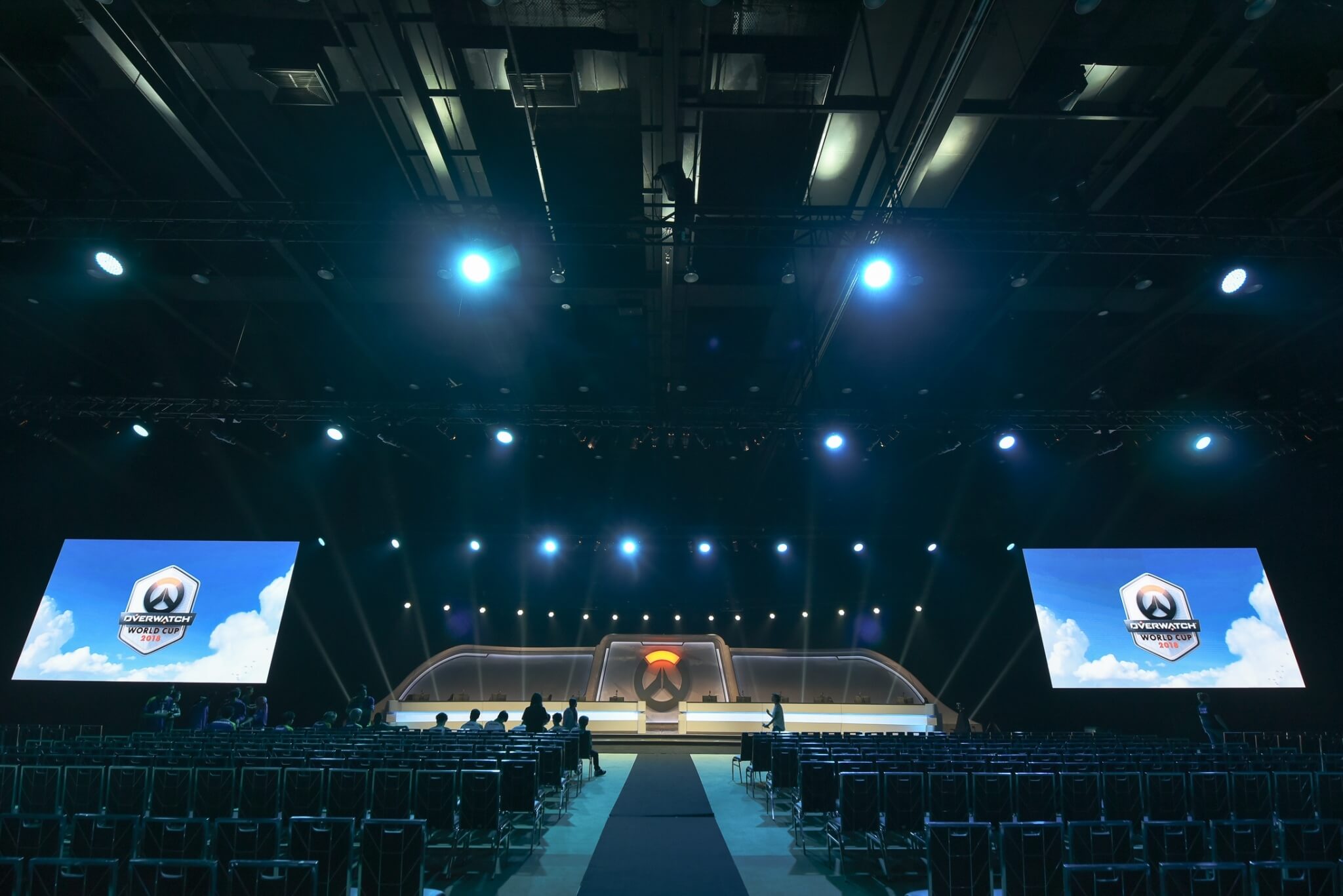
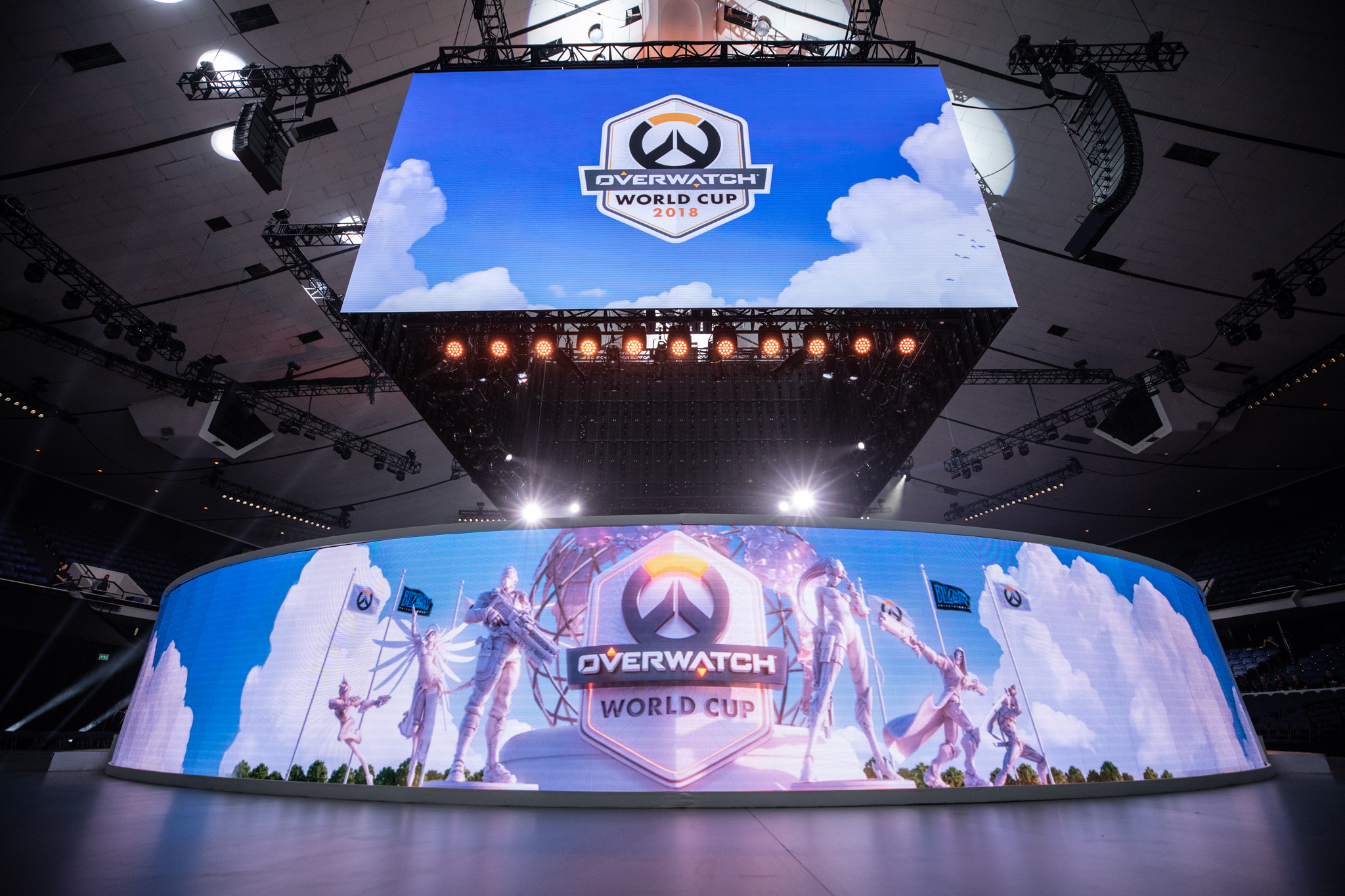
The 2018 Overwatch World Cup stands as a defining moment in the history of Blizzard Entertainment’s flagship hero shooter, marking the pinnacle of international competition during the game’s early esports maturity. It featured a global format that brought together national teams to compete in regional qualifiers, culminating in an electrifying final tournament held at BlizzCon in Anaheim, California, where South Korea cemented its status as the dominant force in the professional scene.
The Evolution of the Overwatch World Cup Format
In 2018, Blizzard Entertainment implemented a significantly more structured format for the Overwatch World Cup compared to its predecessors. The tournament was designed to bridge the gap between amateur talent and the professional Overwatch League (OWL), which had debuted earlier that year. The structure was divided into two distinct phases: the Group Stages and the Knockout Playoffs.
The Group Stages were hosted across four international cities: Incheon, South Korea; Los Angeles, USA; Bangkok, Thailand; and Paris, France. This decentralized approach allowed for local engagement, drawing in fanbases from diverse time zones and cultural backgrounds. Each group consisted of six national teams, with the top two teams from each group advancing to the final bracket at BlizzCon. This format ensured that only the most consistent and skilled national rosters reached the global stage, emphasizing regional depth over individual star power.
South Korea’s Continued Dominance
Entering the 2018 tournament, South Korea held the title of two-time defending champion. Expectations were sky-high, and the team faced immense pressure to maintain their perfect record. The 2018 roster was composed of superstars from the inaugural season of the Overwatch League, showcasing a level of mechanical precision and strategic coordination that many analysts considered years ahead of the rest of the world.
During the Incheon qualifier, South Korea demonstrated near-flawless execution, dismantling opponents with a mixture of aggressive dive compositions and impeccable support utility. Their playstyle forced other nations to innovate rapidly, though few could keep pace with their speed of target acquisition and ability to capitalize on minor positioning errors. Their victory at BlizzCon against China in the Grand Finals—a decisive 4-0 sweep—remains one of the most clinical performances in the history of the game.
The Rise of Challenger Nations
While South Korea secured the top spot, the 2018 Overwatch World Cup was equally notable for the emergence of strong challengers. China, in particular, shocked the international community by advancing through their qualifier and navigating the knockout stages to reach the Grand Finals. Led by players who would later become household names in the Overwatch League, the Chinese roster displayed a creative approach to team compositions, often utilizing unique hero synergies that countered the standard meta of the time.
Similarly, the United Kingdom and France demonstrated that European Overwatch had evolved significantly. The United Kingdom’s roster, often cited as a fan favorite for their charismatic approach and resilience, managed to push top-tier teams to their absolute limits. These performances served as a catalyst for player scouting; the tournament functioned as a massive talent discovery engine, directly influencing team rosters for the second season of the Overwatch League.
Technical Meta and Strategic Trends
The meta in 2018 was characterized by the dominance of "GOATS," a triple-tank, triple-support composition consisting of Reinhardt, Zarya, D.Va, Brigitte, Lúcio, and Zenyatta. Named after the Contenders team that pioneered it, this composition fundamentally changed how Overwatch was played at the highest level. The introduction of Brigitte—a support hero with high survivability and crowd-control capabilities—provided the sustain necessary to make this composition viable.
Teams that excelled in the 2018 World Cup were those that mastered the micro-interactions of the GOATS meta. Strategic focus shifted from high-mobility "dive" play, which had defined 2017, to tight-knit deathball maneuvers, ultimate management, and superior ability cycling. The level of team synchronization required to execute these plays during the World Cup set a new technical benchmark for professional players, influencing training regimens for the following year.
Tournament Results and Comparative Data
The following table summarizes the standings of the top four teams in the 2018 Overwatch World Cup, reflecting the final results determined at the BlizzCon main stage.
| Rank | Country | Final Result | Key Roster Origin |
|---|---|---|---|
| 1 | South Korea | Champion | Overwatch League (OWL) |
| 2 | China | Runner-up | Contenders/Pro Scene |
| 3 | Canada | Bronze Medal | Mixed OWL/Pro |
| 4 | United Kingdom | Fourth Place | Contenders/Pro Scene |
Challenges and Operational Limitations
Running a tournament of this magnitude across multiple continents involved significant logistical hurdles. Players faced issues related to travel, visa procurement, and regional latency differences. The "Ping" factor was a point of contention during the qualifying rounds, as teams had to adapt to local server conditions in different host cities.
Furthermore, the introduction of Brigitte into the competitive pool shortly before the tournament sparked intense debate. Coaches and players had limited time to lab strategies around the new hero, which led to a standardized meta. While this helped standardize the skill sets being tested, it also restricted the creative hero diversity that many fans initially hoped to see in a national-team tournament. These operational realities highlighted the tension between maintaining competitive integrity and managing a rapidly changing software environment.
The Impact on the Professional Ecosystem
The 2018 Overwatch World Cup functioned as a bridge between the grass-roots competitive scene and the highly structured environment of the Overwatch League. For many participants, the event was a "tryout" for the global stage. Scouting staff from OWL franchises used the World Cup as their primary source of data to evaluate potential signees for the 2019 season.
Beyond scouting, the event solidified the "national pride" narrative in esports. The ability for fans to rally behind their countries, complete with flags and localized chants, provided a different atmosphere than the city-based franchise model of the Overwatch League. This distinction helped sustain the game's popularity among casual viewers who might not have been following the day-to-day operations of professional teams.
Frequently Asked Questions
1. Was the 2018 Overwatch World Cup the last of its kind? No, it was not the final iteration. Overwatch World Cup tournaments continued in subsequent years, including 2019, before a hiatus. The series returned in 2023 with updated formats. The 2018 event is specifically remembered for being the high-water mark of the "GOATS" meta era.
2. Where can I find official match recordings from 2018? Blizzard Entertainment archived the majority of the official broadcasts on their dedicated YouTube channels for the Overwatch League and Overwatch World Cup. These recordings remain accessible in 2026 for those interested in studying the tactical history of the GOATS composition.
3. Why did the meta focus so heavily on the GOATS composition? The GOATS composition (triple-tank, triple-support) became the meta because it maximized effective health pools and provided enough healing to mitigate burst damage. Brigitte’s ability to provide armor and crowd control, combined with the raw defensive power of tanks, made it nearly impossible for teams to find kills using traditional DPS characters.
4. How were the national rosters selected? Each country had a committee consisting of a General Manager, a Coach, and a Community Lead. These committees were responsible for holding tryouts and selecting players based on skill, synergy, and, in some cases, professional experience. This process allowed for a blend of established pros and rising stars.
Recommendations for Further Study
For those interested in historical esports analysis, the 2018 Overwatch World Cup offers a wealth of data on team synergy and macro-level strategy. It is highly recommended to focus on the Grand Final match between South Korea and China, as it serves as a masterclass in ultimate economy management and team positioning. Reviewing these matches alongside the original patch notes from that period will provide the most accurate understanding of why certain heroes were prioritized over others during this historical moment in gaming.