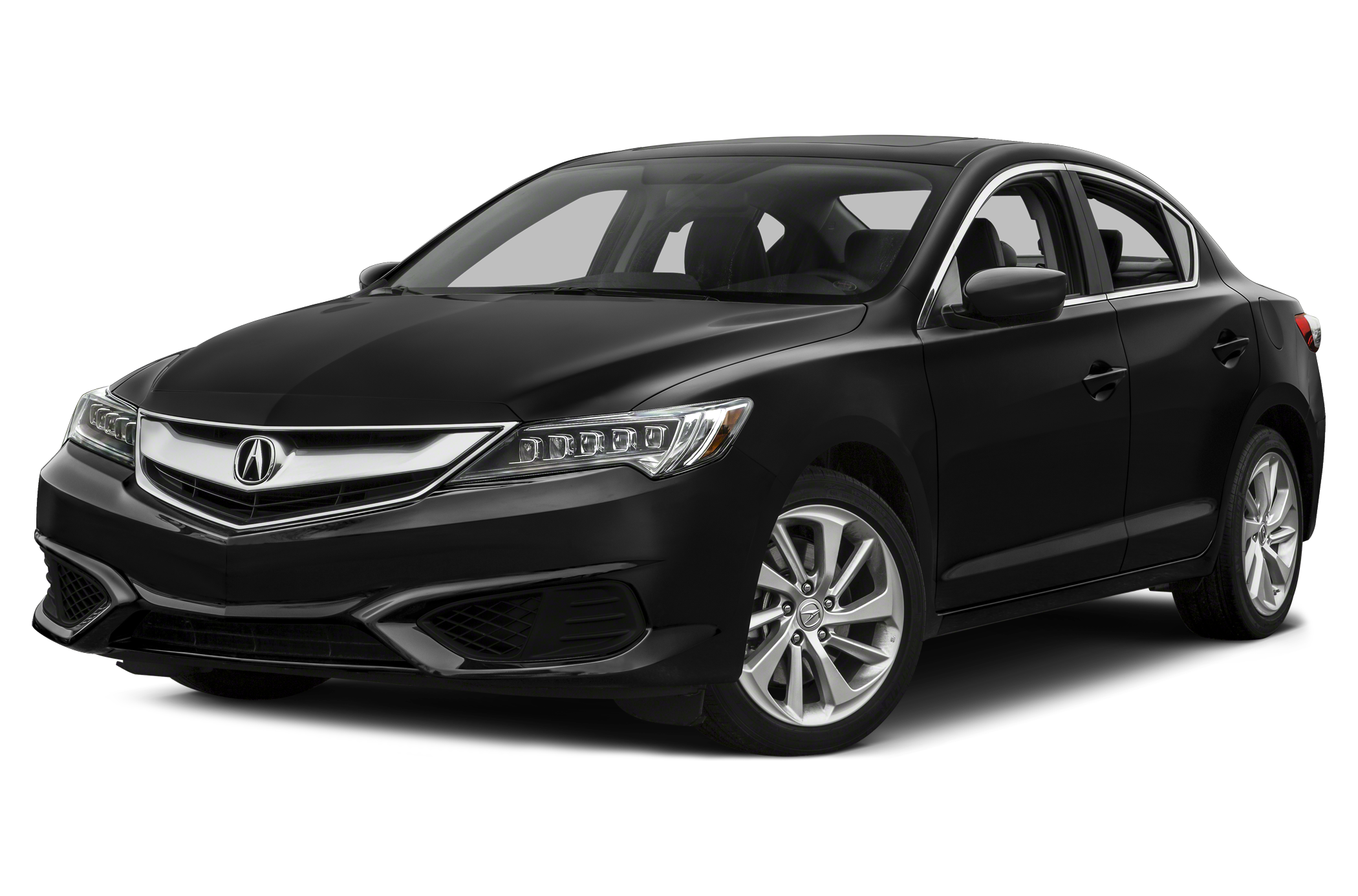
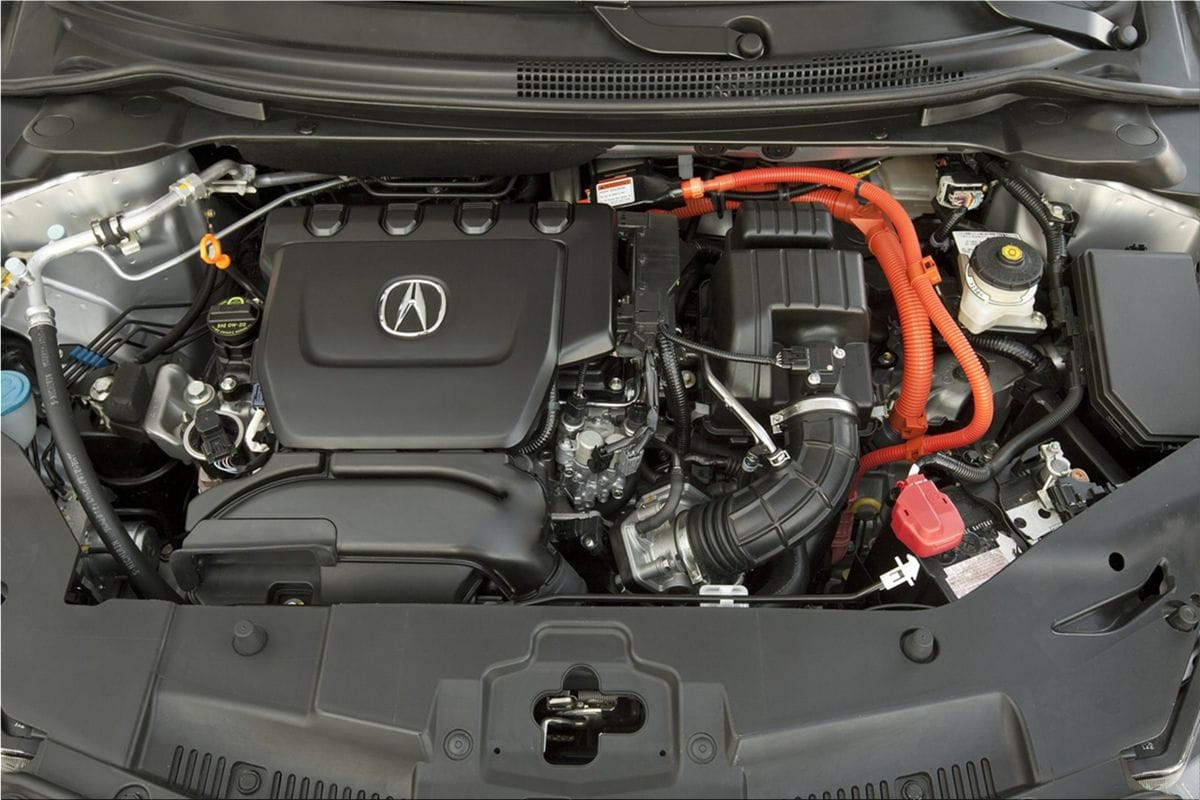
The 2016 Acura ILX is powered by a 2.4-liter direct-injected i-VTEC inline-4 engine, designated as the K24W7. This powerplant produces 201 horsepower and 180 lb-ft of torque, representing a significant upgrade over previous model years. It is paired exclusively with an industry-first 8-speed Dual-Clutch Transmission (DCT) with a torque converter, balancing high-revving performance with smooth low-speed operation.
The Heart of the Refresh: Understanding the K24W7
When Acura updated the ILX for the 2016 model year, the most substantial change occurred under the hood. Previously, the ILX offered a choice between a modest 2.0-liter engine and a 2.4-liter paired only with a manual transmission. For 2016, Acura streamlined the lineup, making a revised version of the 2.4-liter Earth Dreams technology engine the standard and only option across all trim levels.
As of 2026, the 2016 Acura ILX has reached a decade of service for many owners. This engine remains a benchmark for naturally aspirated four-cylinder performance, blending Honda’s legendary high-rpm reliability with modern efficiency. To understand this engine, one must look at its core architecture, its sophisticated valvetrain, and how it interacts with its unique transmission.
Technical Specifications Breakdown
The K24W7 belongs to the highly regarded Honda K-series family. However, it features specific enhancements for the Acura brand to justify its premium positioning. Below are the primary technical specifications for the 2016 Acura ILX engine:
| Specification | Detail |
|---|---|
| Engine Type | Inline 4-Cylinder |
| Displacement | 2.4 Liters (2,354 cc) |
| Horsepower | 201 hp @ 6,800 rpm |
| Torque | 180 lb-ft @ 3,600 rpm |
| Compression Ratio | 11.6:1 |
| Valvetrain | 16-Valve DOHC i-VTEC® |
| Fuel Injection | Direct Injection |
| Bore and Stroke | 87 mm x 99.1 mm |
| Recommended Fuel | Premium Unleaded (91 Octane or higher) |
| EPA Fuel Economy (City/Hwy) | 25 / 36 MPG |
Core Technologies: i-VTEC and Direct Injection
The "explained" portion of this engine revolves around two primary acronyms: i-VTEC and Earth Dreams (Direct Injection). These technologies work in tandem to solve the traditional compromise between fuel economy and high-end power.
i-VTEC (Intelligent Variable Valve Timing and Lift Electronic Control)
The "i" in i-VTEC stands for "intelligent," which signifies the addition of Variable Timing Control (VTC) to the classic VTEC system. While standard VTEC switches between two different cam profiles to change how deep and how long the valves open at high RPMs, VTC allows the engine to continuously advance or retard the intake camshaft timing based on the current load.
In the 2016 ILX, this means that at low speeds, the engine optimizes for torque and fuel efficiency. Once the tachometer crosses the VTEC threshold (typically around 5,000 RPM), the engine switches to a more aggressive cam profile, allowing it to breathe more deeply and produce that characteristic Acura "surge" of power toward the redline.
Direct Injection (Earth Dreams Technology)
The 2016 model year marked the ILX’s transition to Direct Injection (DI). Unlike traditional port injection, where fuel is sprayed into the intake manifold, DI sprays fuel directly into the combustion chamber at high pressure.
This approach has several benefits:
- Cooling Effect: The evaporating fuel cools the air-to-fuel mixture, allowing for a higher compression ratio (11.6:1) without the risk of engine knock.
- Efficiency: It allows for more precise control over the combustion process, leading to the ILX’s impressive 36 MPG highway rating.
- Response: The engine responds more rapidly to throttle inputs because the fuel does not have to travel through the intake valves.
The Transmission Factor: 8-Speed DCT with Torque Converter
One cannot fully explain the 2016 ILX engine without discussing the 8-speed Dual-Clutch Transmission (DCT). This was a revolutionary piece of engineering because it addressed the primary complaint regarding DCTs: low-speed jerkiness.
Standard DCTs use a computer-controlled clutch to launch the car from a stop, which can often feel hesitant or "grabby" in stop-and-go traffic. Acura’s solution was to integrate a torque converter—a component usually reserved for traditional automatic transmissions—into the DCT setup.
The torque converter handles the initial launch and low-speed crawling, providing the smooth, dampened feel of a luxury car. Once the car is moving, the dual clutches take over, providing lightning-fast gear changes that keep the 2.4-liter engine in its power band. This synergy allows the engine to feel more powerful than its 201-hp rating might suggest on paper.
Real-World Performance and Driving Dynamics
In the context of 2026, where many modern entry-level luxury cars have moved toward small-displacement turbocharged engines, the 2016 ILX’s naturally aspirated 2.4-liter engine offers a distinct driving experience.
Acceleration and Power Delivery
The engine is characterized by a linear power delivery. Unlike a turbo engine that may have "lag" followed by a sudden burst of torque, the ILX builds power steadily. The 180 lb-ft of torque peaks at 3,600 rpm, which is relatively low for a high-revving Honda engine, making it feel punchy in city driving.
Sound and Vibration
Acura utilized Active Sound Control (ASC) and specific engine mounts to ensure the K24W7 remained refined. While the engine has a sporty growl at high RPMs, it remains hushed at cruising speeds. The use of a forged steel crankshaft and high-rigidity aluminum cylinder block helps minimize vibrations common in large-displacement four-cylinder engines.
Maintenance and Longevity: What Owners Should Know in 2026
With many 2016 ILX models now reaching high mileage, maintenance is the most critical factor for engine health. The K24W7 is fundamentally robust, but it has specific requirements.
Timing Chain vs. Timing Belt
One of the greatest advantages of the 2016 ILX engine is the use of a timing chain rather than a timing belt. Under normal conditions, the timing chain is designed to last the life of the engine. This eliminates the costly "timing belt service" (usually required every 100,000 miles) that plagued older Acura models. However, the chain relies on clean engine oil for lubrication and tension; neglecting oil changes can lead to chain stretch and catastrophic engine failure.
Carbon Buildup Concerns
A common byproduct of Direct Injection is carbon buildup on the intake valves. Because fuel is no longer sprayed onto the back of the valves (which acts as a cleaning agent in port-injected engines), carbon deposits can accumulate over time. By 2026, high-mileage ILX owners should watch for symptoms such as:
- Rough idling.
- Decreased fuel economy.
- A "stumbling" sensation under acceleration.
Using high-quality Top Tier™ gasoline and occasional professional intake cleaning can mitigate this issue.
Oil Consumption and Specifications
The engine requires 0W-20 full synthetic oil. Some K-series engines have been known to consume a small amount of oil between changes as they age. It is recommended to check the dipstick at least once a month, especially on vehicles with over 120,000 miles.
Comparative Analysis: 2016 ILX vs. Competitors
To understand the value of the 2016 ILX engine, it helps to compare it to its contemporaries from the same era, such as the Audi A3 or the Lexus CT 200h.
| Feature | 2016 Acura ILX (2.4L) | 2016 Audi A3 (1.8T/2.0T) | 2016 Lexus CT 200h |
|---|---|---|---|
| Engine Type | Naturally Aspirated I4 | Turbocharged I4 | Hybrid I4 |
| Character | High-Revving / Linear | Torque-Heavy / Turbo Lag | Efficiency-Focused / Slow |
| Transmission | 8-Speed DCT w/ TC | 6-Speed DCT | CVT |
| Reliability Reputation | High (Mechanical) | Moderate (Electronics/Turbo) | High (Battery dependent) |
| Maintenance Cost | Low to Moderate | High | Moderate |
The ILX occupied a unique middle ground. It was more engaging and faster than the Lexus, while offering lower long-term maintenance costs and a more reliable powertrain than the Audi.
Common Issues and Troubleshooting
While the K24W7 is highly reliable, 2026-era owners have reported a few specific areas of concern:
- Vibration at Idle: This is often attributed to aged engine mounts or a dirty throttle body. Because the 2.4L is a large four-cylinder, the balance shafts work hard; when mounts weaken, that vibration enters the cabin.
- DCT Software: Early models occasionally experienced "shift shock" or hesitation. Most of these issues were resolved via Acura dealer software updates (TSBs). Ensure the transmission fluid (Acura ATF-TYPE 2.0 or equivalent) is changed every 30,000 to 50,000 miles.
- Battery Sensitivity: The 2016 ILX is electronically dense. A weak battery can cause "ghost" engine codes or sluggish starter performance. Always check the battery health before assuming an engine mechanical issue.
Summary of Benefits for the 2016 Powerplant
- Standardization: Unlike previous years, every 2016 ILX gets the "good" engine, removing the confusion between the underpowered 2.0L and the manual-only 2.4L.
- Balance of Power: 201 horsepower is the "sweet spot" for a front-wheel-drive compact luxury car—enough to be fun, but not so much that it induces heavy torque steer.
- Modern Efficiency: Achieving 36 MPG on the highway was a significant feat for a non-hybrid in 2016, and it remains competitive today.
- Mechanical Simplicity: No turbocharger means fewer heat-related issues and no expensive turbo replacements as the car crosses the 15-year mark.
Frequently Asked Questions
Does the 2016 Acura ILX engine require premium gas?
Acura recommends 91 octane premium unleaded fuel for the 2016 ILX. While the engine's knock sensors allow it to run on 87 octane regular fuel without immediate damage, doing so will result in reduced horsepower, lower fuel economy, and potential long-term carbon buildup due to the engine pulling timing to prevent detonation.
Is the 2016 Acura ILX engine interference or non-interference?
The K24W7 is an interference engine. This means that if the timing chain were to break or skip significantly, the pistons and valves would occupy the same space at the same time, leading to severe internal engine damage. However, because it uses a chain rather than a belt, such failures are rare if oil changes are performed regularly.
How many miles can the 2016 ILX engine last?
With proper maintenance, the 2.4L i-VTEC engine is frequently known to surpass 200,000 to 250,000 miles. The most critical factors for reaching this milestone are regular synthetic oil changes, keeping the cooling system in good repair, and addressing any carbon buildup on the intake valves.
Why does my 2016 ILX make a clicking noise at idle?
This is usually the sound of the High-Pressure Fuel Pump and the Direct Injectors. Because they operate at much higher pressures than standard injectors, a mechanical "clicking" or "ticking" sound is a normal characteristic of this engine's Earth Dreams technology.
Does the 2016 ILX have a CVT?
No. The 2016 Acura ILX uses an 8-speed Dual-Clutch Transmission (DCT). It is often mistaken for a CVT because of its smoothness, but it actually contains physical gears and two clutches, providing a much sportier and more responsive feel than a Continuously Variable Transmission.
Next Steps for Owners and Buyers
If you are currently looking to purchase a used 2016 Acura ILX in 2026, prioritize vehicles with a documented service history. Specifically, look for records of transmission fluid changes and consistent oil changes. If the vehicle has over 100,000 miles and has never had an intake valve cleaning, consider budgeting for a walnut blasting service to restore original performance and fuel economy.
For current owners, the best way to preserve this engine is to stick to the Acura Maintenance Minder system but consider "severe service" intervals if you do a lot of city driving. Keeping the K24W7 healthy ensures that your ILX remains a reliable, spirited, and efficient luxury sedan for years to come.