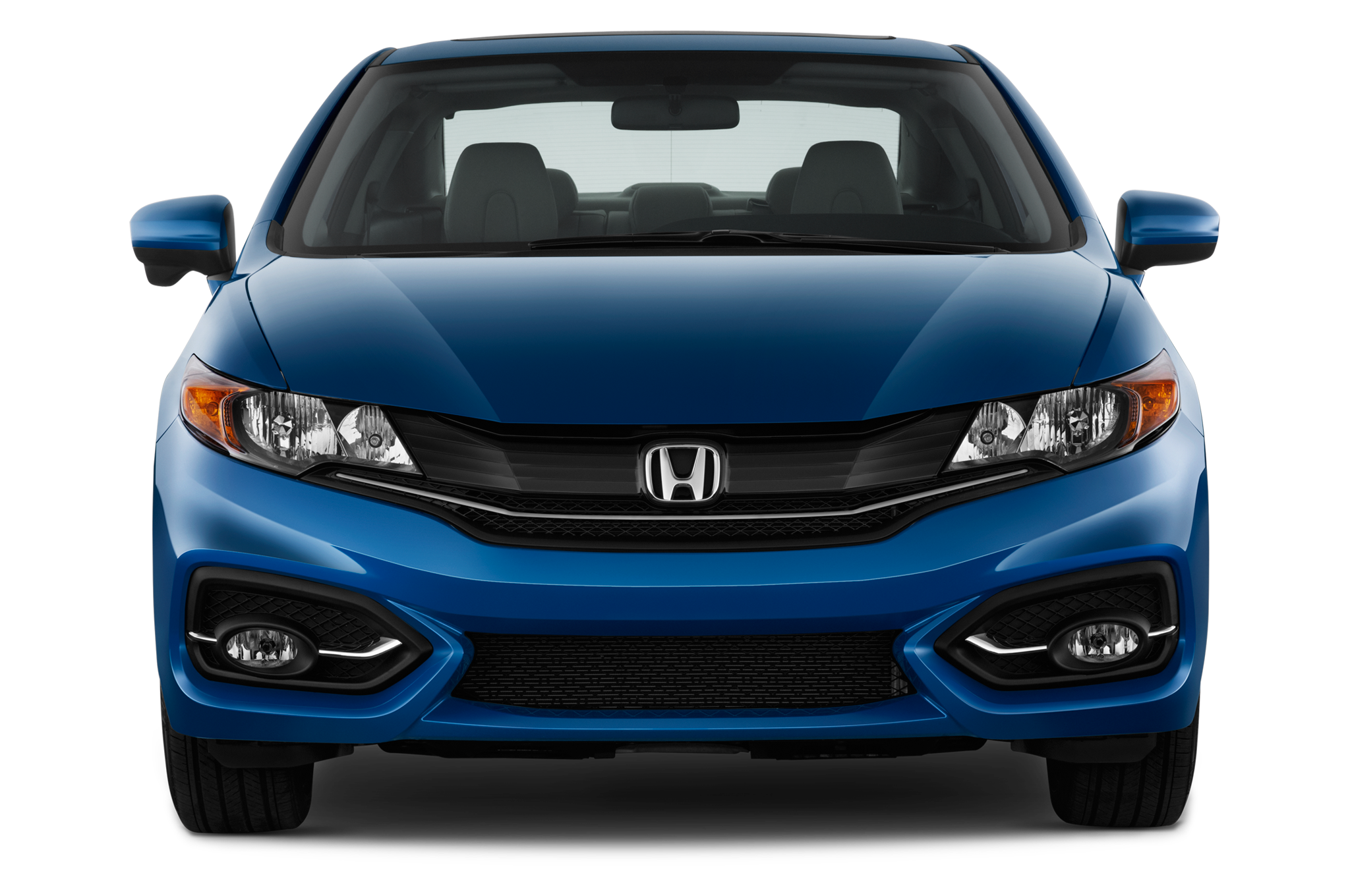
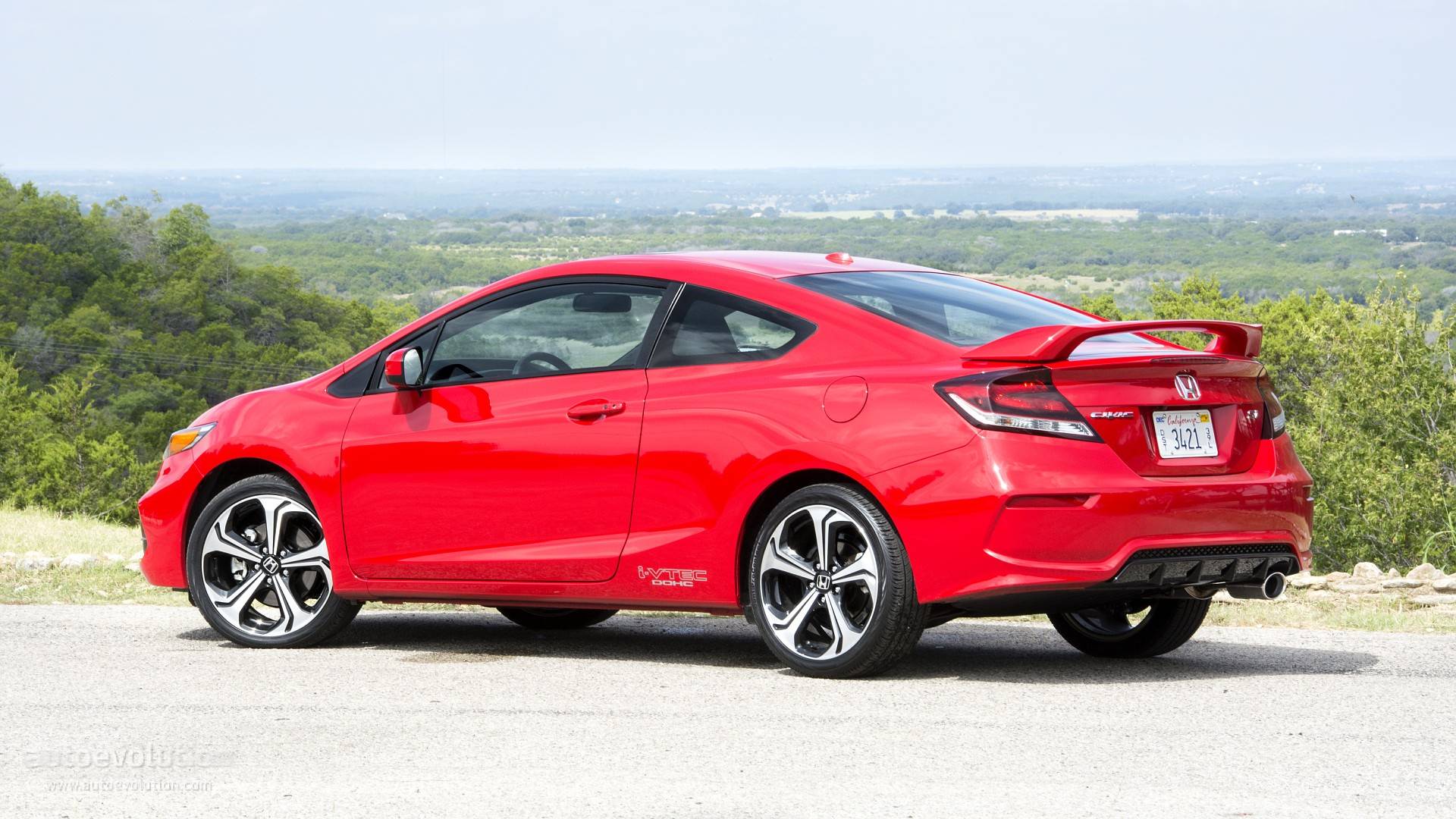
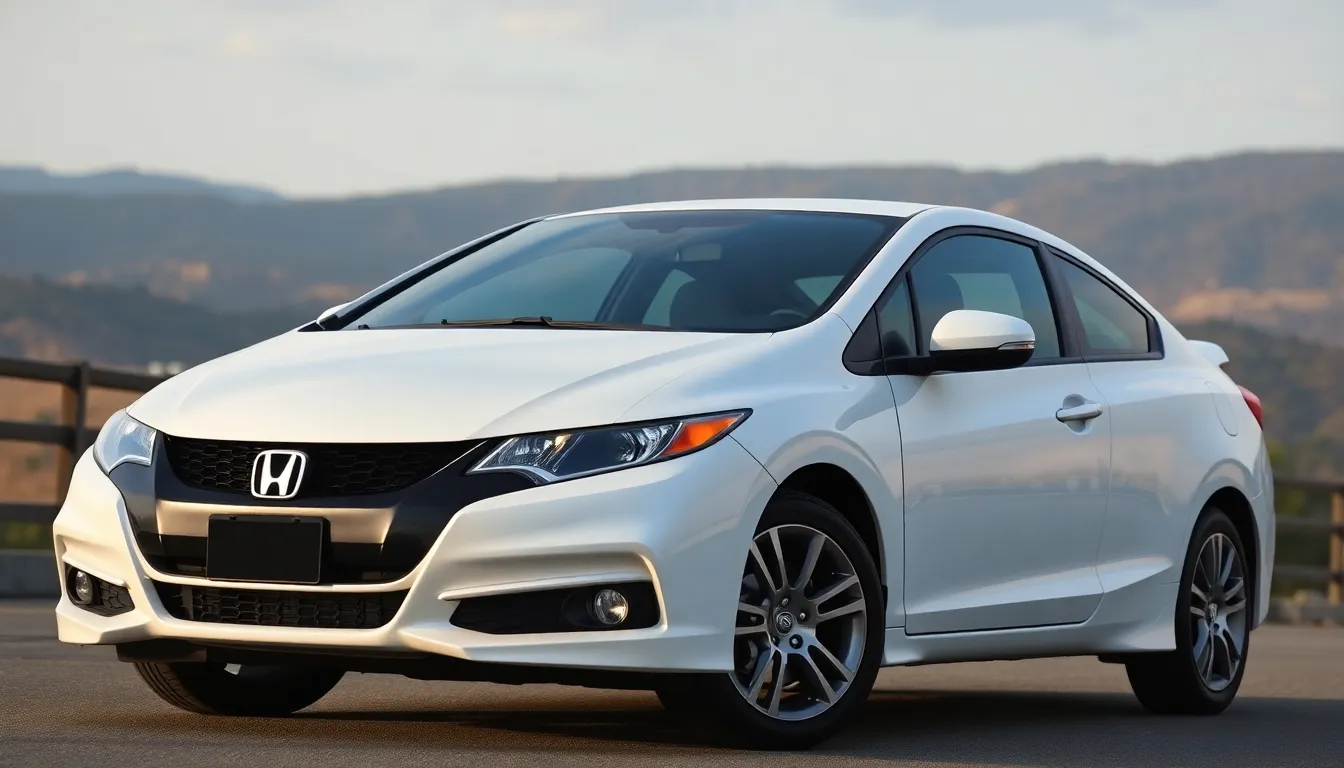
The 2015 Honda Civic EX-L produces 143 horsepower at 6,500 RPM and 129 lb-ft of torque at 4,300 RPM from its 1.8-liter, naturally aspirated four-cylinder engine. This powertrain pairs exclusively with a continuously variable transmission, delivering a balanced blend of everyday drivability, highway responsiveness, and exceptional fuel economy for the ninth-generation Civic lineup.
Introduction to the 2015 Honda Civic EX-L Powertrain
When examining the ninth-generation Honda Civic lifecycle, the 2015 model year represents the mature, highly refined peak of that platform before a major redesign arrived for 2016. Within this lineup, the EX-L trim sits near the top of the hierarchy, combining leather-trimmed interior appointments with the mechanical underpinnings found across most mainstream Civic sedans and coupes.
Understanding the precise horsepower and performance metrics of the 2015 Honda Civic EX-L requires looking past marketing claims to examine the engineering realities of its powerplant, transmission pairing, and overall vehicle weight. Whether you are researching a potential pre-owned purchase, maintaining an existing vehicle, or trying to understand how this specific powertrain compares to competitors of its era, a detailed technical breakdown provides essential context. This guide explores the exact specifications, mechanical design, real-world performance characteristics, maintenance considerations, and common questions associated with the 2015 Honda Civic EX-L.
Engine Architecture and Technical Specifications
The heart of the 2015 Honda Civic EX-L is Honda’s Earth Dreams-inspired R18Z1 engine. This unit is a 1.799-liter (commonly referred to as a 1.8-liter) inline-four cylinder engine utilizing a lightweight aluminum block and cylinder head. Designed for efficiency, reliability, and smooth power delivery, the engine incorporates several advanced internal technologies.
Valvetrain and Induction
The engine features a single overhead camshaft (SOHC) design with a modified version of Honda’s renowned i-VTEC (Intelligent Variable Valve Timing and Lift Electronic Control) system. Unlike performance-oriented DOHC VTEC setups that focus heavily on high-RPM top-end power, the implementation in the R18Z1 prioritizes low-end torque and high thermal efficiency during cruising conditions.
Key technical specifications of the 2015 Honda Civic EX-L engine include:
- Displacement: 1,798 cc (1.8 liters)
- Bore x Stroke: 81.0 mm × 87.3 mm
- Compression Ratio: 10.6:1
- Horsepower: 143 hp @ 6,500 RPM
- Torque: 129 lb-ft (175 Nm) @ 4,300 RPM
- Fuel Delivery: Multi-point programmed fuel injection (PGM-FI)
- Recommended Fuel: Regular unleaded (87 octane)
The 10.6:1 compression ratio optimizes combustion efficiency while allowing the engine to run safely and reliably on standard 87-octane regular unleaded gasoline, minimizing ongoing ownership costs.
The Transmission Factor: CVT Performance
In the 2015 model year, Honda phased out the traditional 5-speed automatic transmission for mainstream Civic sedans and coupes, replacing it with a Earth Dreams Continuously Variable Transmission (CVT). The EX-L trim utilizes this CVT exclusively.
A CVT operates without traditional fixed gear ratios, instead using a system of variable-width pulleys connected by a high-strength steel belt. This design allows the engine to remain continuously in its optimal power or efficiency band depending on driver input.
How the CVT Affects Horsepower Delivery
While the engine generates its peak 143 horsepower at a relatively high 6,500 RPM, the CVT alters how that power reaches the front wheels compared to a standard stepped automatic:
- Seamless Acceleration: During heavy acceleration, the CVT adjusts ratios smoothly without shift interruptions, keeping the engine near its peak power band.
- Efficiency Cruising: At highway speeds, the transmission can drop the engine RPM significantly lower than a traditional 5-speed automatic, reducing internal friction, cabin noise, and fuel consumption.
- Simulated Steps: Under hard acceleration, Honda programmed the CVT to mimic traditional gear shifts to alleviate the "rubber-band" sensation and constant high-RPM drone that some drivers dislike in early CVT applications.
Real-World Performance and Driving Dynamics
Specifications on paper tell only part of the story. How does a 143-horsepower compact sedan translate to real-world driving conditions?
With a curb weight hovering around 2,900 pounds for the EX-L sedan, the power-to-weight ratio is modest. Zero to 60 mph acceleration times for the 2015 Civic EX-L typically land between 8.5 and 9.0 seconds. While this does not make the EX-L a sports car—roles filled by the Civic Si or Type R variants—it provides more than adequate acceleration for merging onto fast-moving interstate highways, passing slower traffic on two-lane roads, and navigating dense urban environments.
Suspension and Handling
The EX-L trim features a MacPherson strut front suspension and a multi-link rear suspension setup. This independent rear suspension configuration gives the Civic a composed ride quality, absorbing road imperfections well while maintaining stable cornering composure. Steering is handled by an electric power-assisted rack-and-pinion system (EPS), which provides light effort at low speeds for parking maneuverability and appropriate weight at highway speeds.
Comprehensive Specifications Comparison
To contextualize the 2015 Honda Civic EX-L, it is helpful to compare its powertrain and performance specifications against adjacent trims and competitive benchmarks from the same model year.
| Trim / Model | Engine Displacement | Horsepower | Torque | Transmission | EPA Fuel Economy (City/Hwy/Comb) |
|---|---|---|---|---|---|
| 2015 Honda Civic EX-L | 1.8L I4 | 143 hp @ 6,500 RPM | 129 lb-ft @ 4,300 RPM | Continuously Variable (CVT) | 30 / 39 / 33 mpg |
| 2015 Honda Civic Si | 2.4L I4 | 205 hp @ 7,000 RPM | 174 lb-ft @ 4,400 RPM | 6-Speed Manual | 22 / 31 / 25 mpg |
| 2015 Toyota Corolla LE | 1.8L I4 | 132 hp @ 6,000 RPM | 128 lb-ft @ 4,400 RPM | Continuously Variable (CVT) | 29 / 37 / 32 mpg |
| 2015 Mazda 3 i | 2.0L I4 | 155 hp @ 6,000 RPM | 150 lb-ft @ 4,000 RPM | 6-Speed Automatic | 30 / 41 / 34 mpg |
Note: EPA fuel economy estimates reflect original 2015 testing standards and may vary based on vehicle condition, driving habits, and maintenance.
Maintenance Requirements for Longevity
Maintaining the engine and transmission of a 2015 Honda Civic EX-L is straightforward, provided routine service intervals are respected.
Engine Maintenance
- Oil Changes: The R18Z1 engine utilizes a maintenance minder system that calculates oil life based on operating conditions. It generally calls for full synthetic 0W-20 engine oil every 7,500 to 10,000 miles under normal driving conditions.
- Spark Plugs: Iridium-tipped spark plugs are factory-equipped and typically do not require replacement until approximately 100,000 miles.
- Drive Belt and Coolant: Inspect the serpentine belt periodically for cracking, and replace the long-life engine coolant according to the maintenance schedule (usually at 120,000 miles for the first interval).
Transmission Maintenance
Because the EX-L relies on a CVT, fluid maintenance is critical. Honda specifies the exclusive use of Honda HCF-2 (Honda CVT Fluid). Standard automatic transmission fluid will severely damage internal CVT components. It is recommended to drain and fill the CVT fluid every 30,000 to 50,000 miles, especially for vehicles operating in heavy stop-and-go traffic or hilly environments.
Common Questions Regarding the 2015 Honda Civic EX-L
Is the 2015 Honda Civic EX-L engine turbocharged?
No. The 1.8-liter engine in the 2015 Civic EX-L is naturally aspirated. It relies on atmospheric pressure rather than forced induction via a turbocharger, which contributes to its long-term reliability and linear power delivery.
What does the "EX-L" designation stand for?
In Honda nomenclature, "EX" denotes a high-tier trim level featuring upgraded comfort and technology features (such as a sunroof, alloy wheels, and touchscreen audio), while the "L" signifies the addition of leather-trimmed seating surfaces.
Can the 2015 Honda Civic EX-L tow a trailer?
Honda does not officially rate the conventional Civic sedan or coupe for towing. Attaching aftermarket trailer hitches for heavy loads can strain the CVT and exceed the vehicle's structural design limits.
Why does the engine feel noisy under hard acceleration?
This is a characteristic trait of vehicles equipped with continuously variable transmissions. When you press the accelerator firmly, the CVT immediately adjusts the engine speed to its peak power range (around 6,500 RPM) and holds it there while the vehicle accelerates, creating a sustained engine note that differs from the shifting rhythm of traditional geared transmissions.
Does the 2015 Civic EX-L require premium fuel?
No. The engine is engineered to run efficiently on standard regular unleaded gasoline with an octane rating of 87. Using premium fuel provides no performance or efficiency advantage for this naturally aspirated powerplant.
Practical Recommendation for Buyers and Owners
If you are evaluating a 2015 Honda Civic EX-L, the 143-horsepower powertrain offers an ideal balance of low operational costs, everyday drivability, and proven mechanical reliability. When inspecting a used model, verify that the vehicle has a documented service history, paying particular attention to whether the CVT fluid has been serviced on schedule. For current owners, sticking to genuine Honda fluids and adhering to synthetic oil change intervals will ensure the 1.8-liter engine easily surpasses high mileage thresholds without loss of performance.