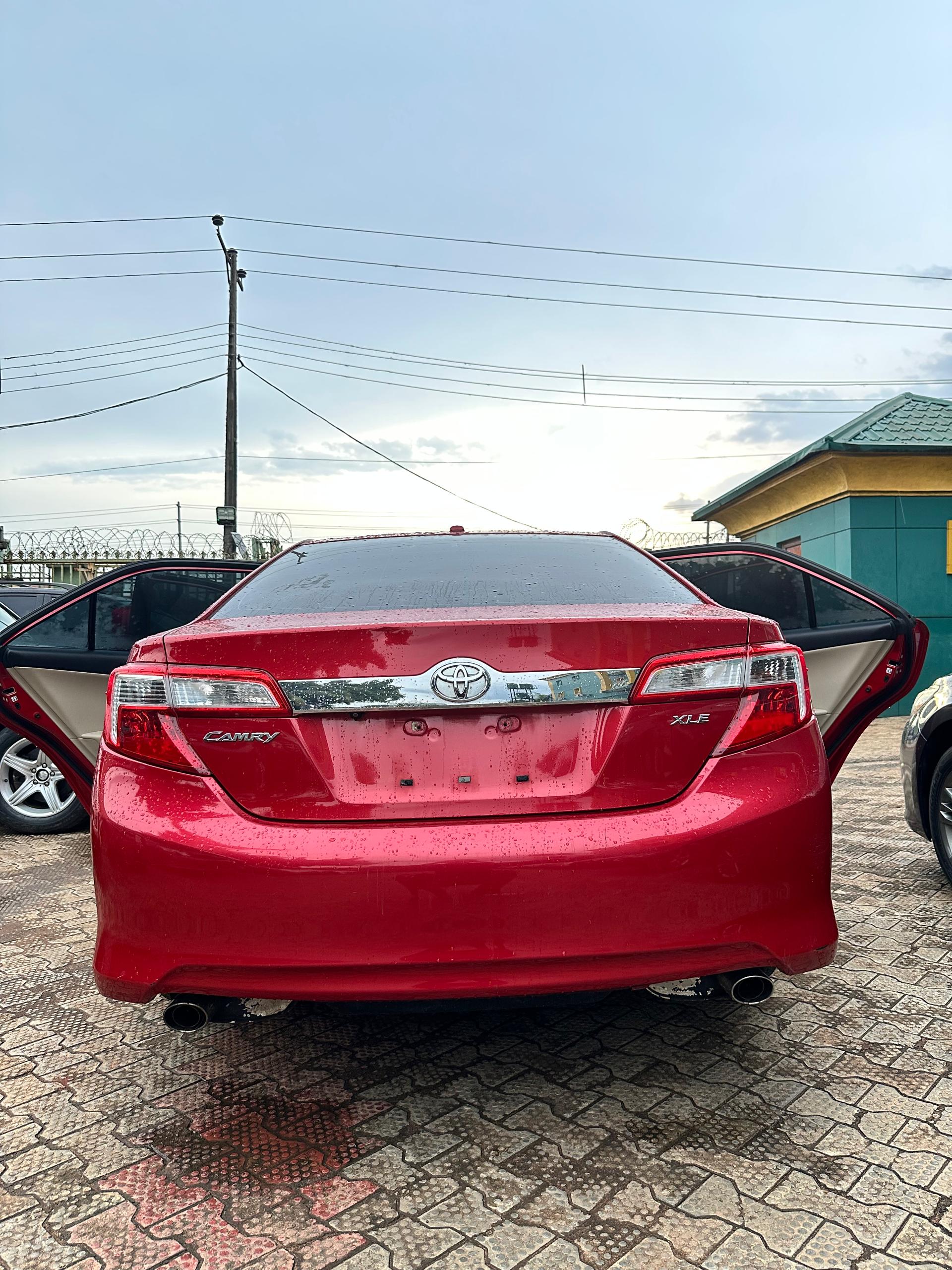
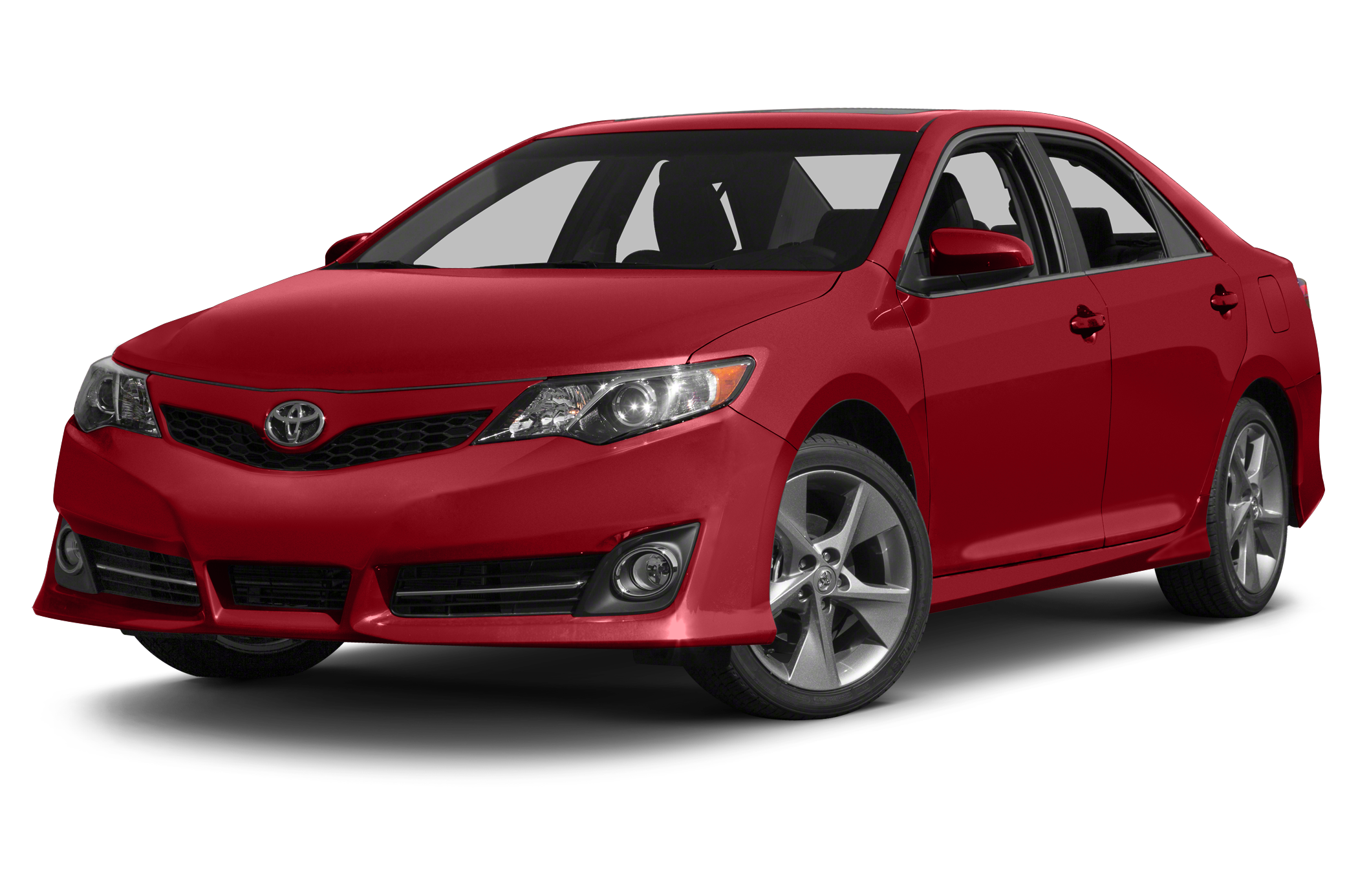
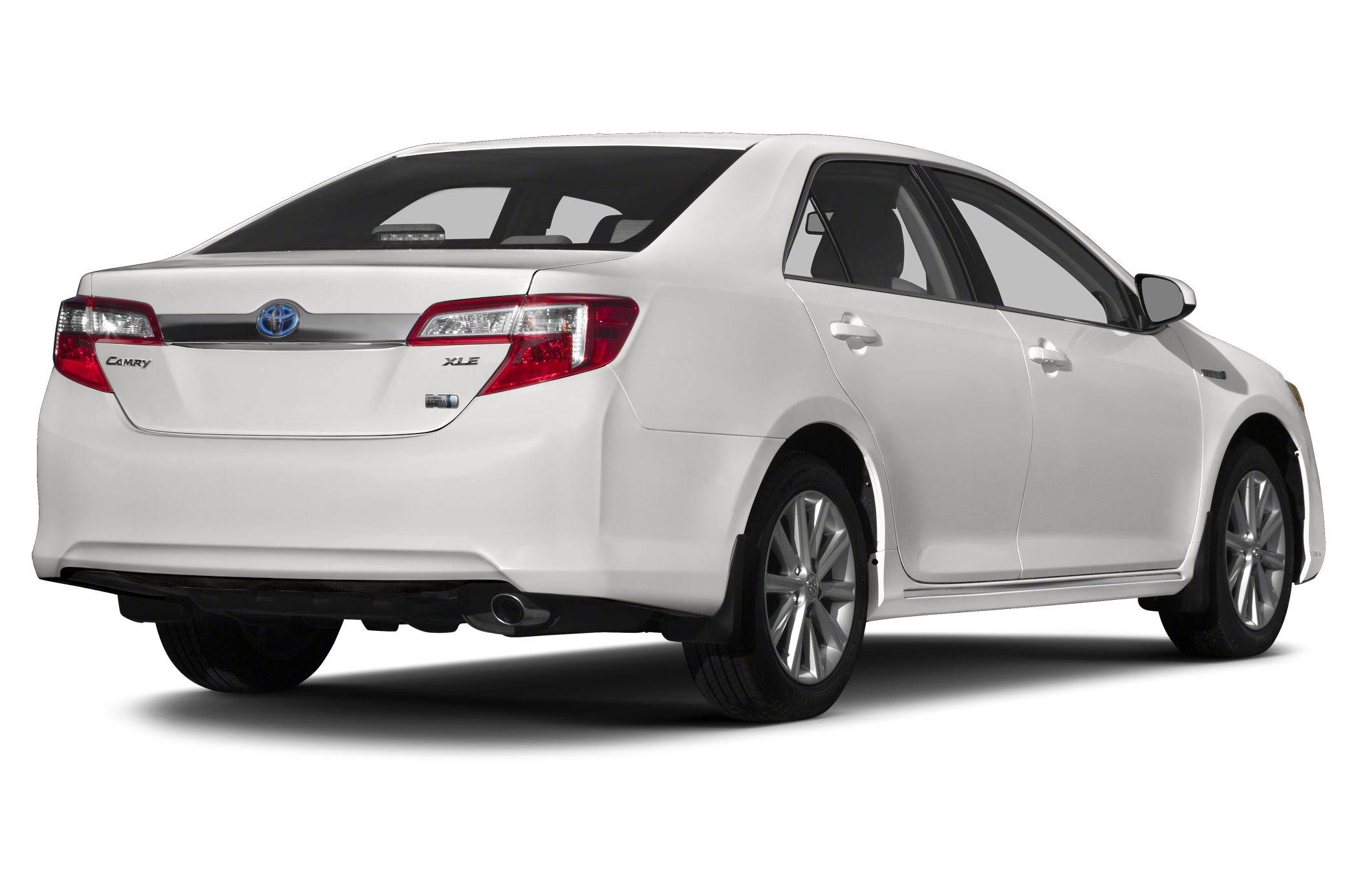
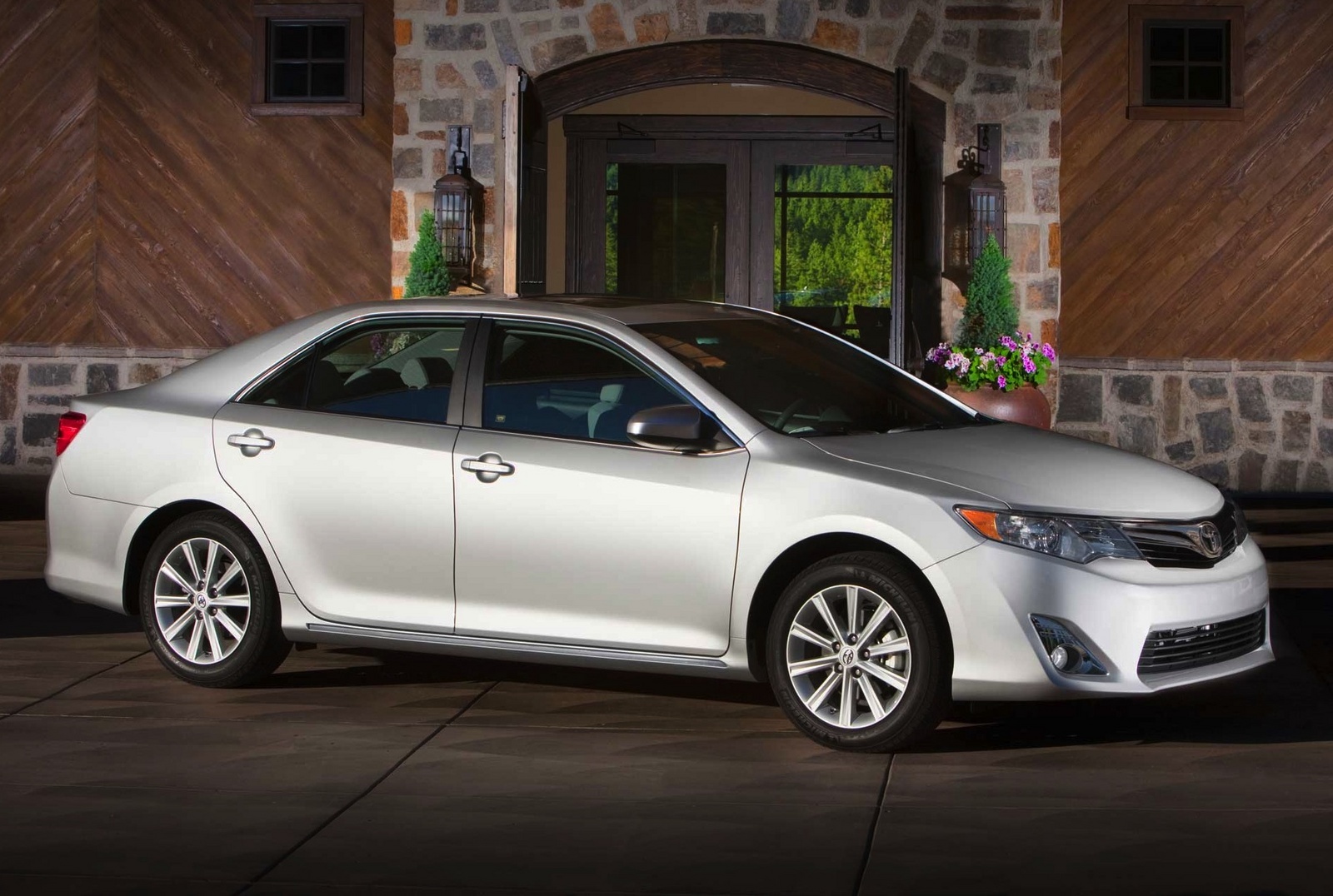
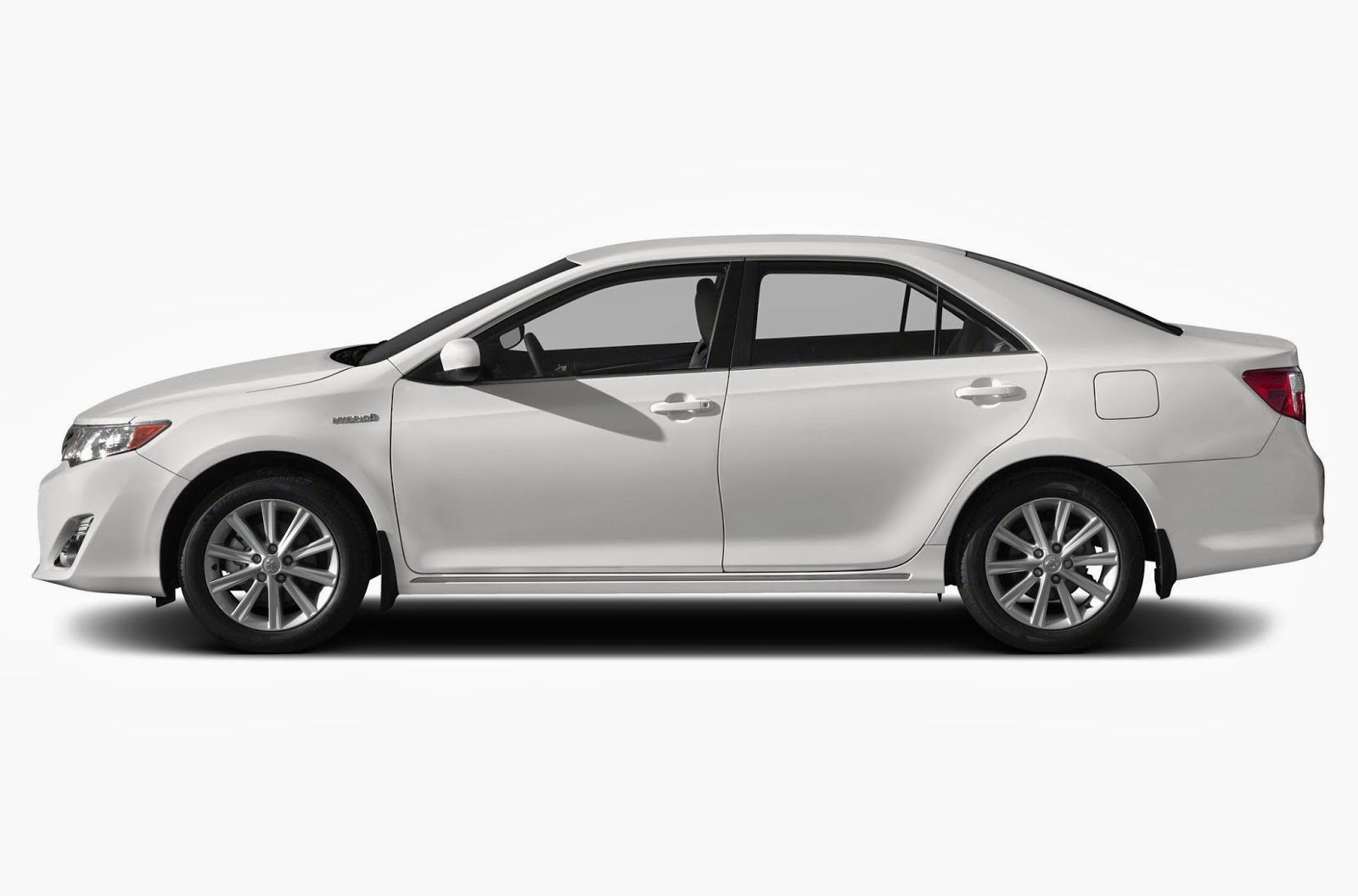
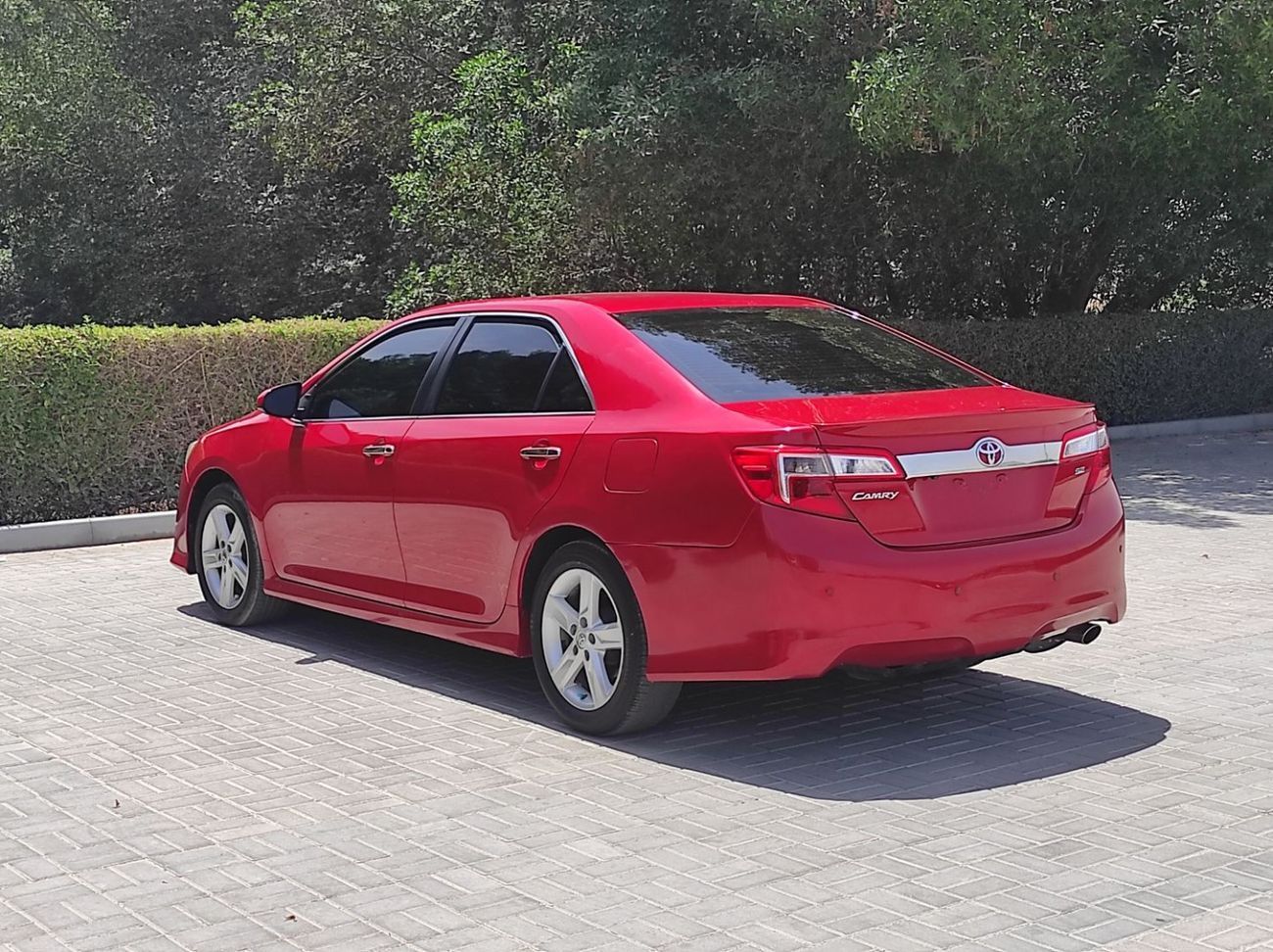
The 2014 Toyota Camry offers three distinct horsepower outputs across its model lineup: a base 2.5-liter four-cylinder engine generating 178 horsepower, an available 3.5-liter V6 engine producing 268 horsepower, and a 2.5-liter hybrid powertrain delivering a combined system output of 200 horsepower. Each engine caters to different driving priorities ranging from daily fuel efficiency to sports-sedan acceleration.
Understanding the 2014 Toyota Camry Engine Lineup
The 2014 Toyota Camry represents a mature phase of the seventh-generation (XV50) chassis, which ran from the 2012 through 2017 model years. Mid-generation updates for 2014—including the introduction of the "2014.5" designation mid-year for enhanced crash structure protection and updated standard technology—retained the proven mechanical engine configurations that established the Camry as a benchmark for midsize sedan dependability.
Engine choice in the 2014 model directly dictates not only output numbers but also the overall driving character, steering feel, transmission type, and long-term ownership costs. Toyota engineered three specific powertrain architectures for this generation:
- Naturally Aspirated Inline-4: Engineered for commuters seeking balance between thermal efficiency, reasonable power output, and simple maintenance.
- Naturally Aspirated V6: Tailored for drivers desiring effortless highway passing, smooth power delivery, and class-leading acceleration.
- Gasoline-Electric Hybrid System: Designed for maximum fuel economy without compromising initial off-the-line throttle response.
Selecting the right engine configuration depends heavily on how the vehicle will be driven—whether frequent long-distance highway travel, stop-and-go city commuting, or carrying full passenger loads requires the extra reserve power of the V6 or the torque-assist of the Hybrid.
Detailed Horsepower & Torque Breakdown by Engine Type
To fully evaluate the 2014 Camry’s performance, it is essential to examine horsepower alongside peak torque, displacement, engine valvetrain technology, and engine speed (RPM) thresholds.
1. Base 2.5-Liter 4-Cylinder Engine (2AR-FE)
The high-volume powertrain across the 2014 Camry trim lineup is the 2.5-liter dual overhead camshaft (DOHC) 16-valve four-cylinder engine, internally designated as the 2AR-FE.
- Horsepower: 178 hp @ 6,000 RPM
- Torque: 170 lb-ft @ 4,100 RPM
- Bore x Stroke: 90.0 mm x 98.0 mm
- Compression Ratio: 10.4:1
- Valvetrain: Dual VVT-i (Variable Valve Timing with intelligence on both intake and exhaust cams)
The 2AR-FE utilizes an aluminum alloy engine block and cylinder head to minimize front-axle weight. Dual VVT-i continuously adjusts the timing of both intake and exhaust valves according to engine speed and load, optimizing low-end torque for city driving while maintaining upper-RPM efficiency.
Paired exclusively with a 6-speed electronically controlled automatic transmission (ECT-i), this engine propels the Camry from 0 to 60 mph in approximately 7.8 to 8.1 seconds. Power delivery is linear, predictable, and adequate for merging into high-speed traffic, though engine noise increases noticeably under heavy throttle applications near the 6,000 RPM peak horsepower mark.
2. Performance 3.5-Liter V6 Engine (2GR-FE)
Offered on the higher-tier XLE and sport-focused SE trims, the 3.5-liter 24-valve DOHC V6 engine (2GR-FE) transforms the 2014 Camry into one of the quickest midsize sedans of its era.
- Horsepower: 268 hp @ 6,200 RPM
- Torque: 248 lb-ft @ 4,700 RPM
- Bore x Stroke: 94.0 mm x 83.0 mm
- Compression Ratio: 10.8:1
- Valvetrain: Dual VVT-i with acoustic control induction system (ACIS)
The 2GR-FE V6 incorporates an Acoustic Control Induction System, which alters the effective intake runner length depending on engine RPM. At low to mid-range speeds, longer intake paths boost low-end torque; at higher engine speeds, shorter paths maximize airflow to generate the full 268 horsepower output.
Equipped with a performance-tuned 6-speed automatic transmission featuring paddle shifters on SE trims, the V6 Camry achieves 0-to-60 mph acceleration in 5.8 to 6.1 seconds. The extra 90 horsepower over the base four-cylinder provides immediate passability at highway speeds without requiring deep transmission downshifts, yielding a quieter and more relaxed cruising experience.
3. 2.5-Liter 4-Cylinder Hybrid Powertrain (THS II)
The 2014 Camry Hybrid combines a modified 2.5-liter four-cylinder gas engine (2AR-FXE) with an electric motor driven by Toyota's Hybrid Synergy Drive system.
- Gasoline Engine Horsepower: 156 hp @ 5,700 RPM
- Gasoline Engine Torque: 156 lb-ft @ 4,500 RPM
- Electric Motor Output: 141 hp (105 kW) / 199 lb-ft torque
- Total Combined System Horsepower: 200 net hp
- Valvetrain: Dual VVT-i operating on the Atkinson cycle
Unlike the standard gasoline 4-cylinder, the Hybrid's gas engine runs on the Atkinson cycle, which delays intake valve closure during the compression stroke. This trade-off reduces physical pumping losses and increases thermal efficiency, producing lower mechanical output from the gas engine alone (156 hp) while drastically reducing fuel consumption.
The instant electric torque supplied by the permanent-magnet electric motor compensates for the Atkinson engine's reduced low-RPM punch. When full throttle is applied, the combined electrical and mechanical drive sends up to 200 peak horsepower through an electronically controlled Continuously Variable Transmission (eCVT). Acceleration from 0 to 60 mph takes roughly 7.2 to 7.4 seconds, making the Hybrid faster than the standard 178-hp gasoline model while achieving superior fuel economy.
2014 Toyota Camry Power & Engine Specification Comparison Table
The following table summarizes the technical performance parameters, fuel economy ratings, and acceleration capability across all 2014 Toyota Camry engine variants:
| Feature / Metric | 2.5L 4-Cylinder (2AR-FE) | 3.5L V6 (2GR-FE) | 2.5L Hybrid (2AR-FXE + Electric) |
|---|---|---|---|
| Peak Horsepower | 178 hp @ 6,000 RPM | 268 hp @ 6,200 RPM | 200 hp (Combined System Peak) |
| Peak Torque | 170 lb-ft @ 4,100 RPM | 248 lb-ft @ 4,700 RPM | 156 lb-ft (Gas) + 199 lb-ft (Electric Motor) |
| Transmission Type | 6-Speed Automatic | 6-Speed Automatic | Electronically Controlled CVT |
| Drive Type | Front-Wheel Drive | Front-Wheel Drive | Front-Wheel Drive |
| 0-60 MPH Time | 7.8 – 8.1 seconds | 5.8 – 6.1 seconds | 7.2 – 7.4 seconds |
| Fuel Type Required | 87 Octane (Unleaded) | 87 Octane (Unleaded) | 87 Octane (Unleaded) |
| EPA Fuel Economy (City/Hwy) | 25 / 35 MPG (L, LE, XLE)25 / 34 MPG (SE) | 21 / 31 MPG | 43 / 39 MPG (Hybrid LE)40 / 38 MPG (Hybrid XLE/SE) |
| Curb Weight Range | 3,190 – 3,245 lbs | 3,395 – 3,420 lbs | 3,435 – 3,565 lbs |
How Trim Levels Impact Performance and Power Delivery
The 2014 Camry was offered in five core trim levels: L, LE, SE, SE Sport, and XLE, alongside Hybrid LE, Hybrid SE, and Hybrid XLE variants. While engine outputs remain identical across matching engine options, chassis tuning and trim hardware influence how that power feels on the road.
2014 Toyota Camry Trim Powertrain Mapping:
- Base Comfort Trims (L, LE, XLE)
- Standard Engine: 2.5L 4-Cyl (178 hp)
- Optional Engine: 3.5L V6 (268 hp - XLE only)
- Sport-Tuned Trims (SE, SE Sport)
- Standard Engine: 2.5L 4-Cyl (178 hp)
- Optional Engine: 3.5L V6 (268 hp - SE only)
- Enhancements: Paddle Shifters, Sport Suspension, 17"/18" Wheels
- Hybrid Lineup (Hybrid LE, SE, XLE)
- Standard Powertrain: 2.5L Hybrid System (200 combined hp)
- Transmission: eCVT with Regenerative Braking
L and LE Trims
The baseline L and entry-level LE trims feature the standard 178-hp four-cylinder engine paired with 16-inch steel wheels and comfort-oriented suspension bushings. Throttle calibration favors progressive power accumulation to smooth out city commuting. Steering feedback is light, requiring minimal driver effort during parking maneuvers.
SE and SE Sport Trims
The SE trim provides a noticeably firmer ride quality due to stiffer coil springs, sport-tuned shock absorbers, solid stabilizer bars, and unique steering knuckles. When equipped with the 178-hp engine or 268-hp V6, the SE includes steering-wheel-mounted paddle shifters, enabling manual control over shift points in the 6-speed automatic transmission. The SE Sport variation upgrades the standard 4-cylinder model with 18-inch alloy wheels, which improve turn-in response and high-speed cornering stability at a slight cost to compliance over rough pavement.
XLE Trim
The XLE represents the luxury-focused tier. Available with either the 178-hp 4-cylinder or the potent 268-hp V6, the XLE features plush suspension damping designed to isolate road vibration. In V6 trim, the vehicle incorporates additional acoustic insulation in the engine bay and acoustic windshield glass to keep engine noise muted, even under hard acceleration.
Hybrid LE, SE, and XLE Trims
The Camry Hybrid balances efficiency and responsiveness. The electric motor delivers maximum torque instantly from 0 RPM, making off-the-line launch feel faster than the standard 4-cylinder model. The eCVT operates without conventional gear shifts, holding engine speed steady during heavy acceleration to optimize energy output. The Hybrid SE features the sport-tuned suspension calibration found on gasoline SE models.
Real-World Performance: Acceleration, Drivability, and Highway Merging
Understanding horsepower numbers on paper is only part of evaluating vehicle performance. Real-world drivability involves how effectively the engine converts those figures into usable acceleration during daily commuting tasks.
0-60 MPH Acceleration Profile Comparison:
- V6 (2GR-FE): 5.8s
- Hybrid (THS II): 7.2s
- Base 4-Cyl (2AR-FE): 7.8s
City Driving and Stop-and-Go Traffic
In urban environments, low-end torque dictates responsiveness. The 2.5L Hybrid excels here due to its electric drive motor, which produces 199 lb-ft of torque immediately upon throttle engagement. The base 2.5L 4-cylinder provides smooth, predictable acceleration away from stoplights, aided by a responsive first-gear ratio in its 6-speed transmission. The 3.5L V6 requires light throttle inputs in city traffic; aggressive application can overpower the front tires and trigger traction control engagement.
Passing and Highway Merging
Merging onto fast-moving freeways highlights the clear hierarchy of the three powertrains:
- 3.5L V6: Delivers immediate, commanding acceleration. Passing maneuvers from 50 to 70 mph occur rapidly without requiring maximum engine revs.
- 2.5L Hybrid: Offers strong mid-range throttle response. When the accelerator is depressed, the electric motor assists instantly while the eCVT smoothly adjusts ratios to bring the gas engine to its peak output zone.
- 2.5L 4-Cylinder: Requires planned downshifts via the automatic transmission. Under wide-open throttle, the transmission shifts down two gears, causing engine noise to increase as the tachometer climbs toward 6,000 RPM to deliver maximum output.
Fuel Economy vs. Horsepower Trade-Offs
When selecting a 2014 Camry, drivers must balance horsepower demands against long-term fuel expenditure. All three engine options are designed to operate safely on standard 87-octane unleaded gasoline, eliminating the requirement for premium fuel even on the high-performance V6.
According to official EPA testing data published via the U.S. Department of Energy Fuel Economy Database, fuel efficiency varies substantially across the engine choices:
- 2.5L 4-Cylinder Gas: Returns 25 MPG city / 35 MPG highway (28 MPG combined). This setup balances low purchase price with respectable long-distance efficiency.
- 3.5L V6 Gas: Returns 21 MPG city / 31 MPG highway (25 MPG combined). The 90-hp increase over the base engine costs roughly 3 to 4 MPG across mixed driving conditions.
- 2.5L Hybrid: Returns up to 43 MPG city / 39 MPG highway (41 MPG combined) in LE configuration. It generates 22 more horsepower than the standard 4-cylinder while reducing fuel consumption by over 30 percent in mixed driving.
For drivers performing high annual mileage in urban settings, the Hybrid offers the highest utility-to-horsepower ratio. For long-distance interstate drivers, the 4-cylinder and V6 models remain practical alternatives with simpler powertrain architecture.
Long-Term Reliability and Maintenance for 2014 Camry Engines
The 2AR-FE 4-cylinder and 2GR-FE V6 are widely recognized in the automotive industry for outstanding durability, often exceeding 200,000 miles with basic routine maintenance. However, buyers and owners should monitor specific operational factors for each engine type.
Transmission Torque Converter Software (4-Cylinder Models)
Certain 2012–2014 Camry models equipped with the 2.5L 4-cylinder gas engine experienced shudder or vibration during light acceleration between 25 and 50 mph. This issue was caused by torque converter flex-lockup clutch wear. Toyota issued a Customer Support Program (LSC ZE5) extending warranty coverage and providing a Engine Control Module (ECM) software update alongside torque converter replacement where necessary. Ensuring this software update was performed is vital for maintaining smooth power transmission.
Engine Oil Requirements and Consumption
Both the 2.5L 4-cylinder and 3.5L V6 engines utilize synthetic SAE 0W-20 engine oil. This low-viscosity oil reduces internal mechanical friction, maximizing both horsepower and fuel efficiency. Regular oil change intervals of 10,000 miles (or 6 months under severe service conditions) are critical. High-mileage 2AR-FE engines should be monitored for minor oil consumption between service intervals.
Hybrid Battery Pack Longevity
The 2014 Camry Hybrid uses a sealed Nickel-Metal Hydride (NiMH) traction battery pack mounted behind the rear seats. While highly durable, aging hybrid battery packs may lose capacity over time, leading to reduced electric motor assistance and causing the 156-hp gas engine to work harder, slightly reducing combined output and fuel economy. Diagnostic checks using specialized OBD-II tools can verify battery cell voltage balance.
Spark Plug Service Intervals
Both the 2.5L 4-cylinder and 3.5L V6 utilize iridium-tipped spark plugs with a factory-recommended replacement interval of 120,000 miles. On V6 models, replacing the rear bank of spark plugs requires removing or working around the upper intake plenum, resulting in higher labor complexity compared to the accessible four-cylinder engine layout.
Frequently Asked Questions
What is the exact horsepower of a 2014 Toyota Camry SE?
The horsepower of a 2014 Toyota Camry SE depends on the engine fitted. The standard 2014 Camry SE with the 2.5-liter 4-cylinder engine produces 178 horsepower. If equipped with the optional 3.5-liter V6 engine, the Camry SE produces 268 horsepower. The Camry Hybrid SE produces a net combined output of 200 horsepower.
Is the 2014 Camry V6 significantly faster than the 4-cylinder?
Yes. The 268-hp 3.5-liter V6 accelerates from 0 to 60 mph in approximately 5.8 seconds, which is roughly two seconds faster than the 178-hp 4-cylinder model (7.8–8.1 seconds). The V6 also provides superior passing authority at highway speeds.
Does the 2014 Camry Hybrid have more horsepower than the standard 4-cylinder?
Yes. The 2014 Camry Hybrid produces a combined system output of 200 horsepower (combining its Atkinson-cycle gas engine and electric motor), compared to the 178 horsepower generated by the conventional non-hybrid 2.5-liter 4-cylinder engine.
Can you increase the horsepower of a 2014 Toyota Camry?
While modest power gains (5 to 10 hp) can be achieved using aftermarket performance cold-air intakes or cat-back exhaust systems, the 2014 Camry's factory Engine Control Unit (ECU) is heavily locked and optimized for reliability. Major power upgrades are generally cost-prohibitive compared to purchasing a V6-equipped model.
What type of fuel should be used to maintain maximum horsepower in a 2014 Camry?
All 2014 Toyota Camry engines—including the 2.5L 4-cylinder, 3.5L V6, and 2.5L Hybrid—are engineered to deliver their full advertised horsepower on standard 87-octane regular unleaded gasoline. Using premium 91 or 93 octane fuel does not provide measurable horsepower gains.
Practical Ownership Recommendation
When choosing or evaluating a 2014 Toyota Camry based on performance and horsepower requirements:
- Select the 2.5L 4-Cylinder (178 hp) if your priorities are low maintenance costs, ease of DIY servicing, and reliable daily commuting with acceptable fuel economy.
- Select the 2.5L Hybrid (200 hp) if you drive heavily in urban environments, want immediate off-the-line electric torque, and desire maximum fuel economy without compromising acceleration performance.
- Select the 3.5L V6 (268 hp) if you prioritize highway passing power, effortless acceleration, smooth V6 refinement, and enhanced sport suspension dynamics (on SE trims).
Before purchasing any used 2014 model, verify service history records, ensure all torque converter software updates have been completed, and inspect for clean maintenance logs showing routine 0W-20 oil changes.