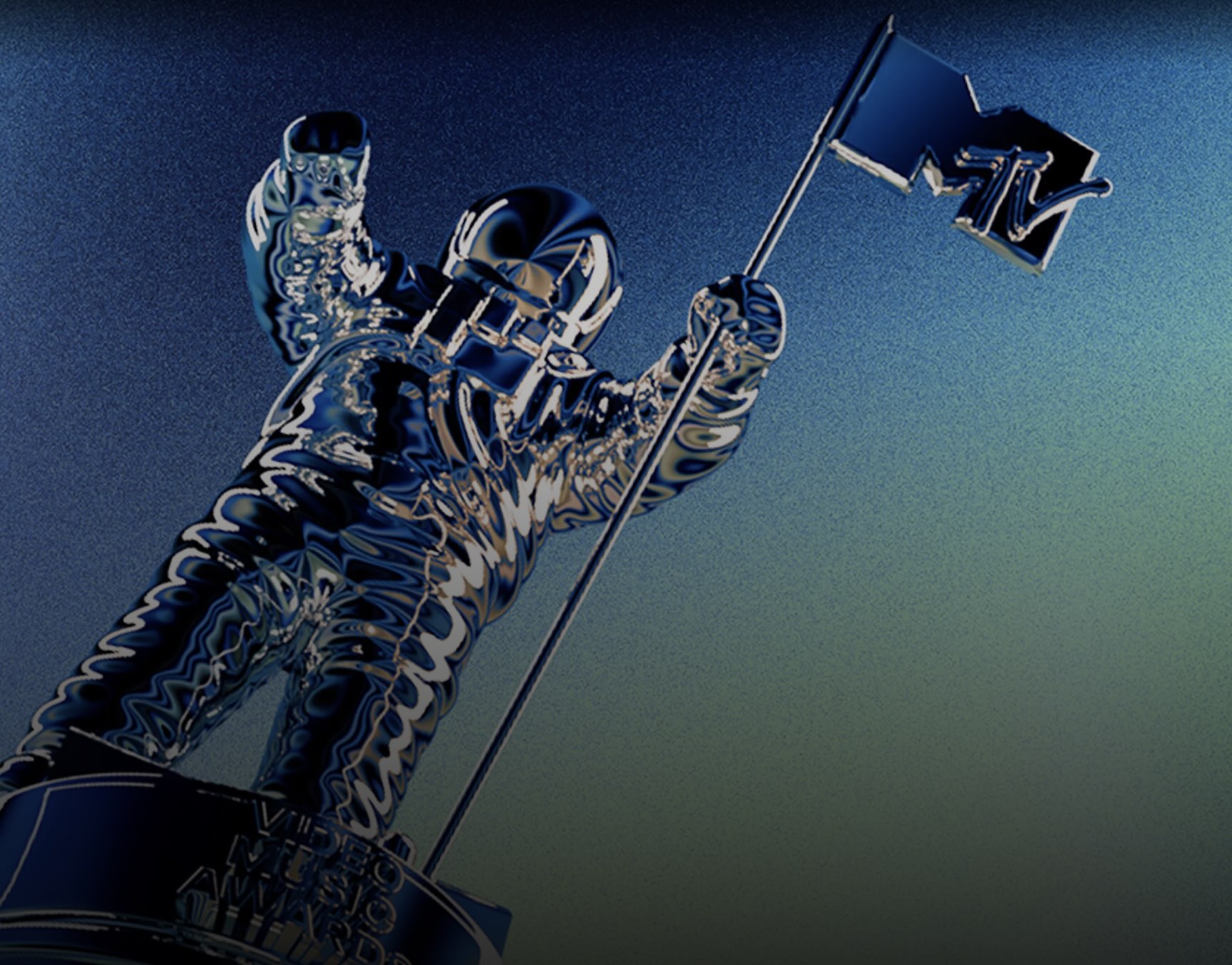
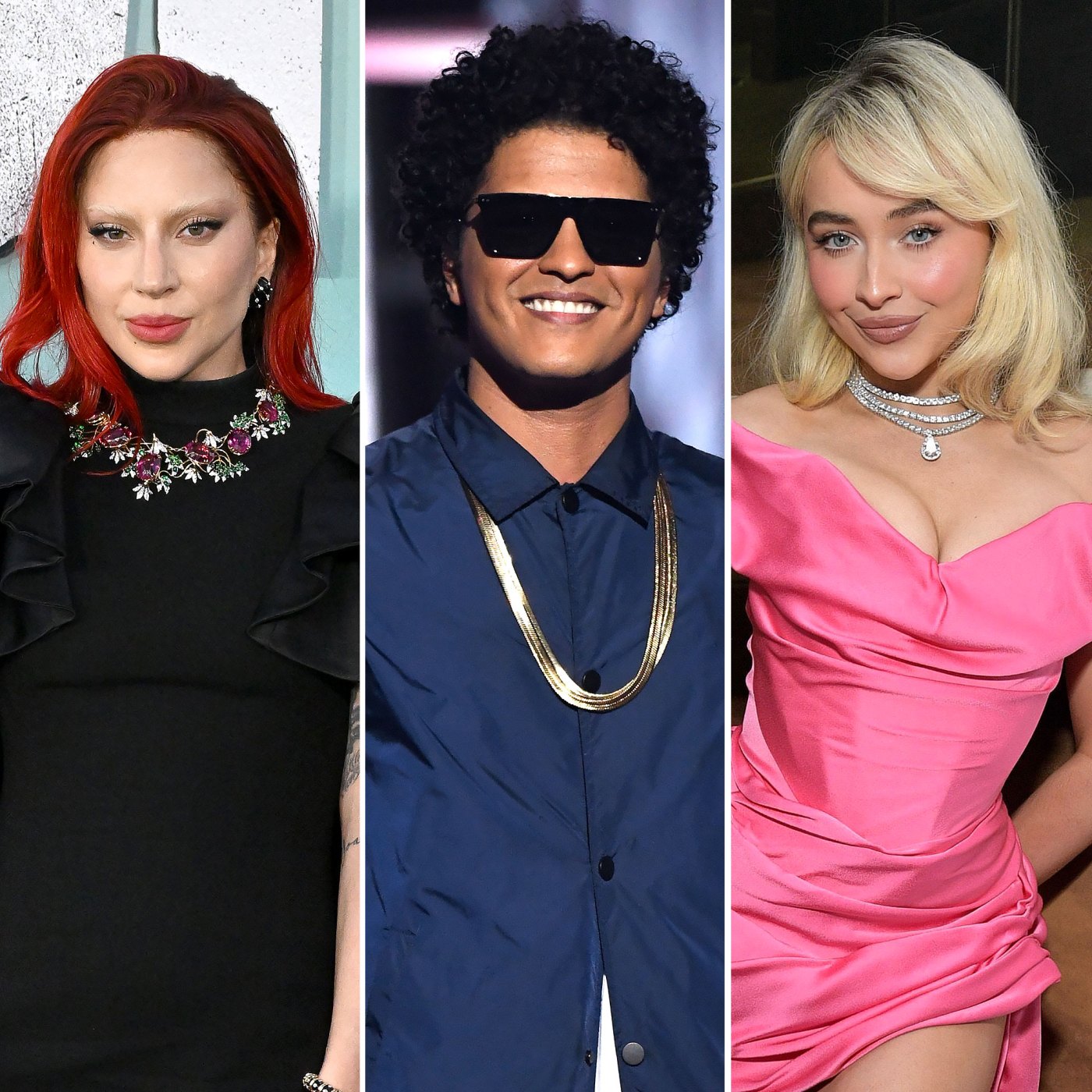
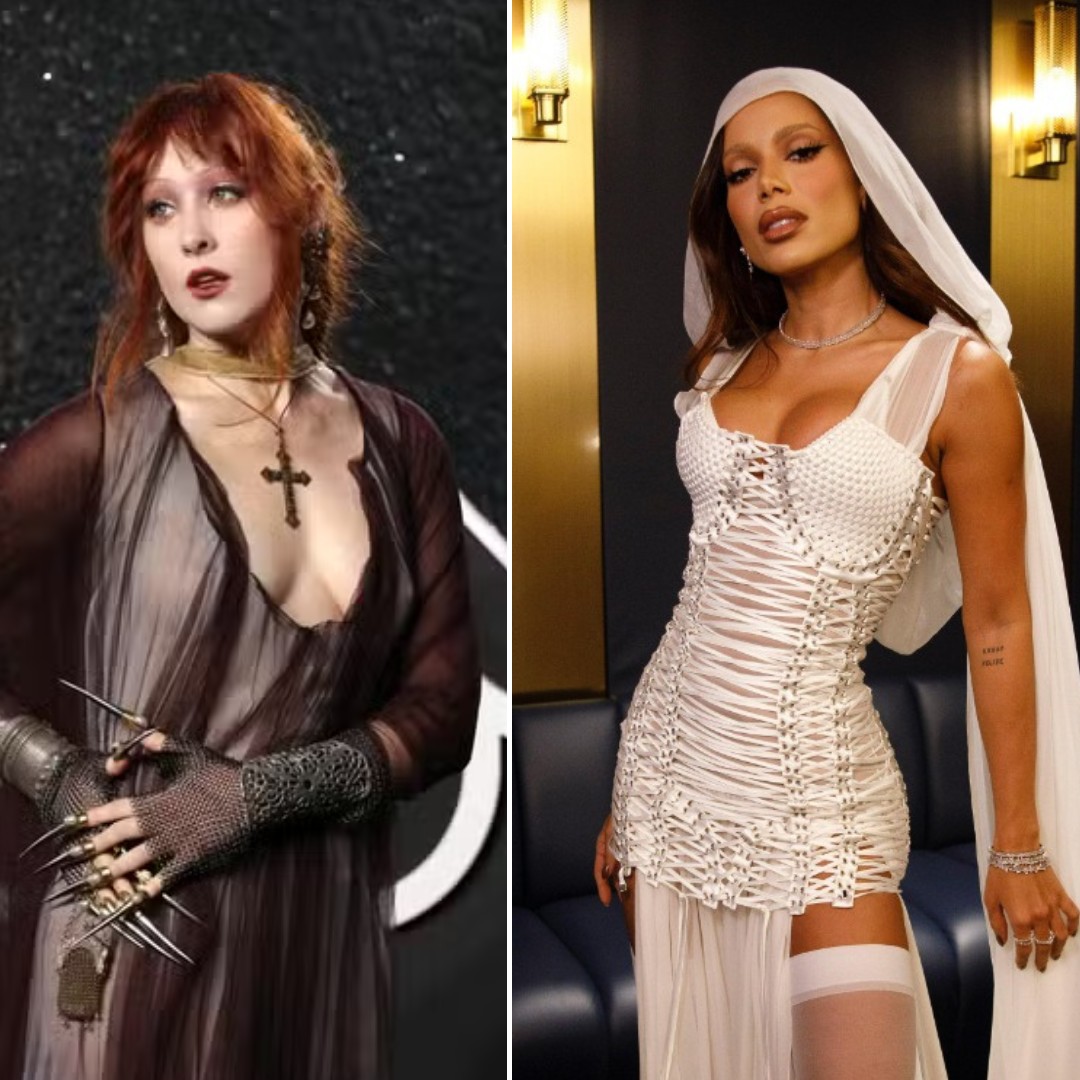
The 2018 MTV Video Music Awards (VMAs) delivered a series of historic wins, memorable upsets, and pivotal industry moments, with the vote outcomes reflecting a shifting landscape in pop, hip-hop, and Latin music dominance. Held at Radio City Music Hall in New York City, the ceremony capped off weeks of fan and academy voting across major categories like Video of the Year, Artist of the Year, and Song of the Year.
The Historic Context of the 2018 MTV Video Music Awards
The 2018 MTV Video Music Awards arrived at a transitional juncture for the music industry and television broadcasting. By August 2018, the traditional music video had evolved past a simple promotional tool into a cinematic, high-budget digital event heavily influenced by streaming numbers and social media engagement. MTV, once the undisputed titan of music television, leveraged its platform to blend traditional broadcast elements with real-time digital voting and viral social media moments.
Understanding the vote outcomes requires looking at the mechanics of how winners were chosen. While categories like Best New Artist and Artist of the Year relied heavily on public voting—often driven by intense, organized fandoms across Twitter and Instagram—other technical and craft categories, such as Best Direction, Best Cinematography, and Best Editing, were decided by industry panels. This dual-track system created a fascinating dynamic where popular appeal collided with artistic execution, occasionally producing results that sparked intense debate among critics and fans alike.
Furthermore, the geographic and cultural footprint of the nominees expanded visibly in 2018. The global explosion of Latin trap, reggaeton, and K-pop fundamentally altered the traditional Anglo-American hegemony of the VMAs. Artists who previously inhabited niche or international markets competed directly on the main stage, setting the stage for a more globally diverse voting populace.
Major Category Winners and Breakdown of the Vote Outcomes
The primary categories of the 2018 VMAs captured the cultural zeitgeist of the late 2010s. Examining the victors provides a clear picture of which artists commanded both public adoration and critical acclaim during that specific award cycle.
Video of the Year
The ultimate prize of the evening, Video of the Year, went to Camila Cabello featuring Young Thug for their vibrant, Havana-inspired visual.
- The Competitors: Cabello faced fierce competition from heavyweights such as Childish Gambino ("This Is America"), Drake ("God's Plan"), Ariana Grande ("No Tears Left to Cry"), Bruno Mars featuring Cardi B ("Finesse" (Remix)), and Beyoncé and JAY-Z ("Apeshit").
- The Voting Dynamics: Childish Gambino’s "This Is America" was widely considered a critical masterpiece that sparked intense socio-political discourse. However, Camila Cabello’s massive commercial momentum, combined with the energetic choreography and cinematic storytelling of the "Havana" video, mobilized a vast, cross-demographic voting bloc. The victory signaled a passing of the torch in mainstream pop storytelling.
Artist of the Year
Cardi B claimed the coveted Artist of the Year title, solidifying an unprecedented breakout run that began with her debut studio album, Invasion of Privacy.
- The Competitors: Ariana Grande, Bruno Mars, Camila Cabello, Drake, and Post Malone.
- The Voting Dynamics: Cardi B’s relentless chart presence, highly publicized personal milestones, and deeply authentic social media persona galvanized public voters. Defeating established global touring giants like Drake and Bruno Mars highlighted the raw power of internet-driven cultural ubiquity in modern award shows.
Song of the Year
Post Malone featuring 21 Savage won Song of the Year with their inescapable radio smash, "Rockstar."
- The Competitors: Drake ("God's Plan"), Ed Sheeran ("Perfect"), Bruno Mars featuring Cardi B ("Finesse" (Remix)), Dua Lipa ("New Rules"), and Childish Gambino ("This Is America").
- The Voting Dynamics: "Rockstar" dominated streaming platforms for months leading up to the ceremony. The vote outcomes reflected sheer audio consumption; the track's melancholic trap cadence struck a definitive chord with the younger demographic that traditionally dominates VMA polling.
Summary of Major 2018 VMA Category Results
| Category | Winner | Notable Nominees |
|---|---|---|
| Video of the Year | Camila Cabello ft. Young Thug – "Havana" | Childish Gambino, Drake, Beyoncé & JAY-Z |
| Artist of the Year | Cardi B | Drake, Ariana Grande, Bruno Mars |
| Song of the Year | Post Malone ft. 21 Savage – "Rockstar" | Ed Sheeran, Drake, Dua Lipa |
| Best New Artist | Cardi B | Lil Pump, Hayley Kiyoko, Bazzi |
| Best Collaboration | Jennifer Lopez ft. DJ Khaled & Cardi B – "Dinero" | Bruno Mars ft. Cardi B, The Carters, Dua Lipa ft. Blackpink |
| Video with a Message | Childish Gambino – "This Is America" | Janelle Monáe, Eminem, Logic ft. Ryan Tedder |
The Cultural Impact of the 2018 Voting Results
Beyond the trophy handoffs, the 2018 VMA vote outcomes served as a barometer for broader shifts in the entertainment industry. The most striking element was the total dominance of hip-hop and Latin music in spaces traditionally reserved for traditional pop acts.
Cardi B’s multiple wins—including Best New Artist and Best Collaboration—marked a historic milestone for female rap artists. Her ability to translate streaming dominance into active voting participation proved that hip-hop fandoms possessed the organizational scale necessary to dominate traditionally pop-centric award shows. Similarly, Jennifer Lopez received the prestigious Michael Jackson Video Vanguard Award, a recognition that underscored the enduring legacy of Latin representation in American pop culture, complemented by J Balvin and Rosalía making massive waves in the Latin categories.
Another critical discussion point centered around Childish Gambino’s "This Is America." While it captured the visionary "Video with a Message" and technical prizes like Best Direction and Best Choreography, its loss in the overarching Video of the Year category ignited discussions among cultural critics about whether popular vote-driven formats adequately reward challenging, politically charged art over purely commercial pop hits.
Verification, Authenticity, and Accessing Historical Archives
For researchers, pop culture historians, and fans seeking to verify specific award tallies, exact vote percentages, or acceptance speeches, navigating digital archives requires utilizing official institutional repositories. MTV maintains comprehensive historical archives of its past award ceremonies via its official press site and corporate news hub.
When cross-referencing entertainment data from 2018, consider the following verification steps:
- Consult Primary Broadcaster Records: Rely on press releases issued directly by ViacomCBS (now Paramount Global) regarding official category nominations and verified winners.
- Review Industry Trade Publications: Outlets such as Billboard, Variety, and The Hollywood Reporter provided real-time evening reporting and post-show statistical breakdowns.
- Distinguish Between Fan-Voted and Panel-Voted Categories: Always verify whether a specific category relied on public SMS/web voting or closed-door academy decisions, as this explains discrepancies between critical consensus and popular outcomes.
Frequently Asked Questions
How were the winners for the 2018 MTV Video Music Awards chosen?
Winners were determined through a hybrid model. The majority of major categories, such as Artist of the Year and Song of the Year, relied on public fan voting conducted via MTV's website and social media platforms. Craft and technical categories (such as Best Direction and Best Cinematography) were evaluated and decided by specialized industry panels.
Who won the most awards at the 2018 VMAs?
Cardi B led the individual winner count for the evening, taking home three awards out of her ten nominations, including Artist of the Year, Best New Artist, and Best Collaboration for "Dinero." Childish Gambino also secured major victories, winning three technical awards for his critically acclaimed video "This Is America."
Why was Camila Cabello’s Video of the Year win considered significant?
Camila Cabello’s win for "Havana" marked a rare instance where a solo female artist and a former group member (from Fifth Harmony) captured the top prize with a Latin-infused pop track, beating out heavily favored political commentaries and massive hip-hop streaming juggernauts.
Where can I view the complete official list of 2018 VMA nominees and winners?
The complete, unedited archive of nominees and winners is hosted on the official MTV News archive and major music industry databases like Billboard's historical award listings.
Were public vote counts publicly disclosed by MTV?
MTV historically does not release exact numerical vote tallies or raw percentages for fan-voted categories. Instead, the network announces only the final winners based on the aggregate data collected during the active voting windows.
Next Actions and Further Reading
To deepen your understanding of late-2010s pop culture history, explore the companion critical essays and retrospective analyses published by major music journalism outlets covering the evolution of fan voting. Reviewing the complete red carpet broadcasts and unedited acceptance speeches available on official media archives will provide direct context for the cultural climate surrounding the 2018 ceremony.