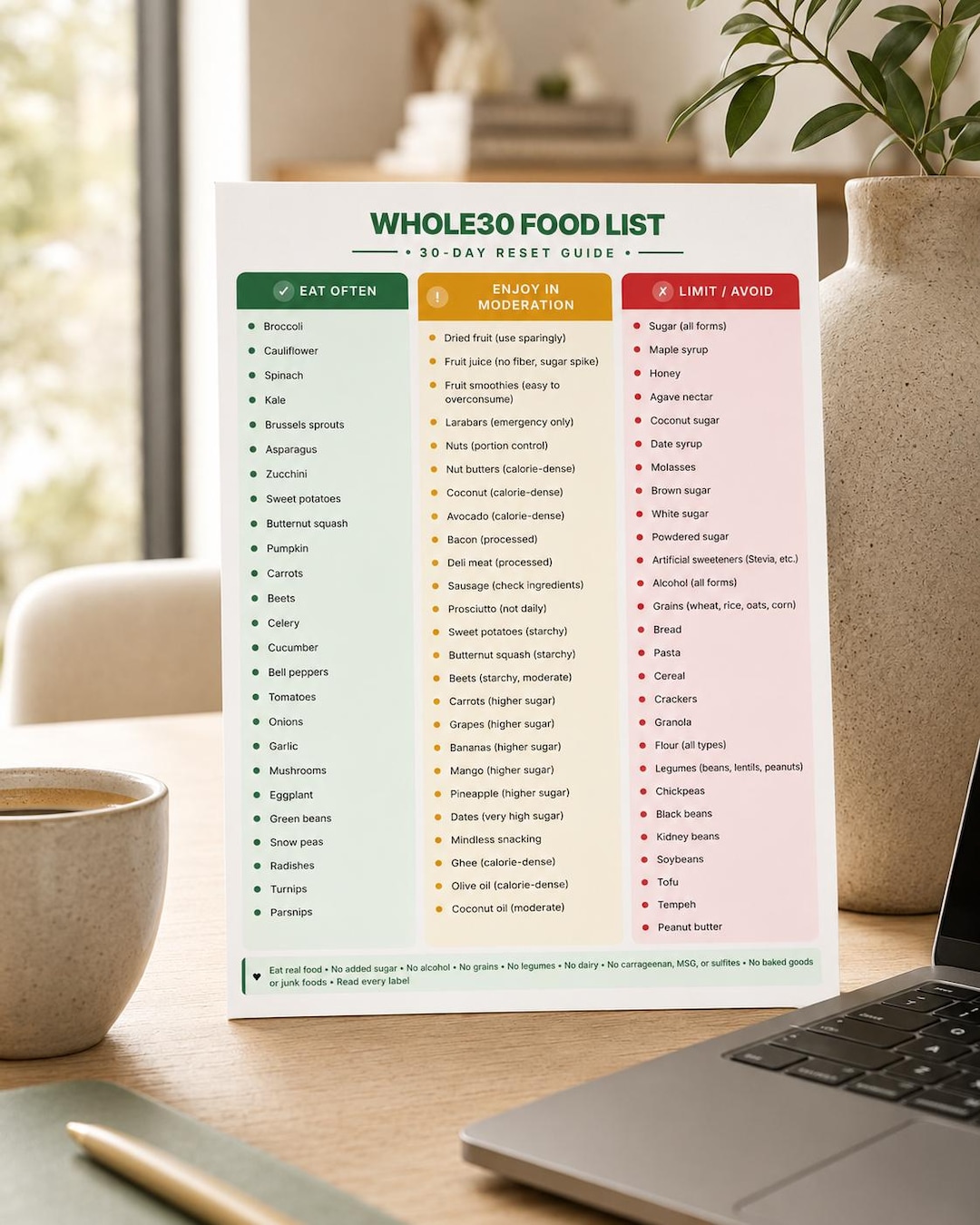
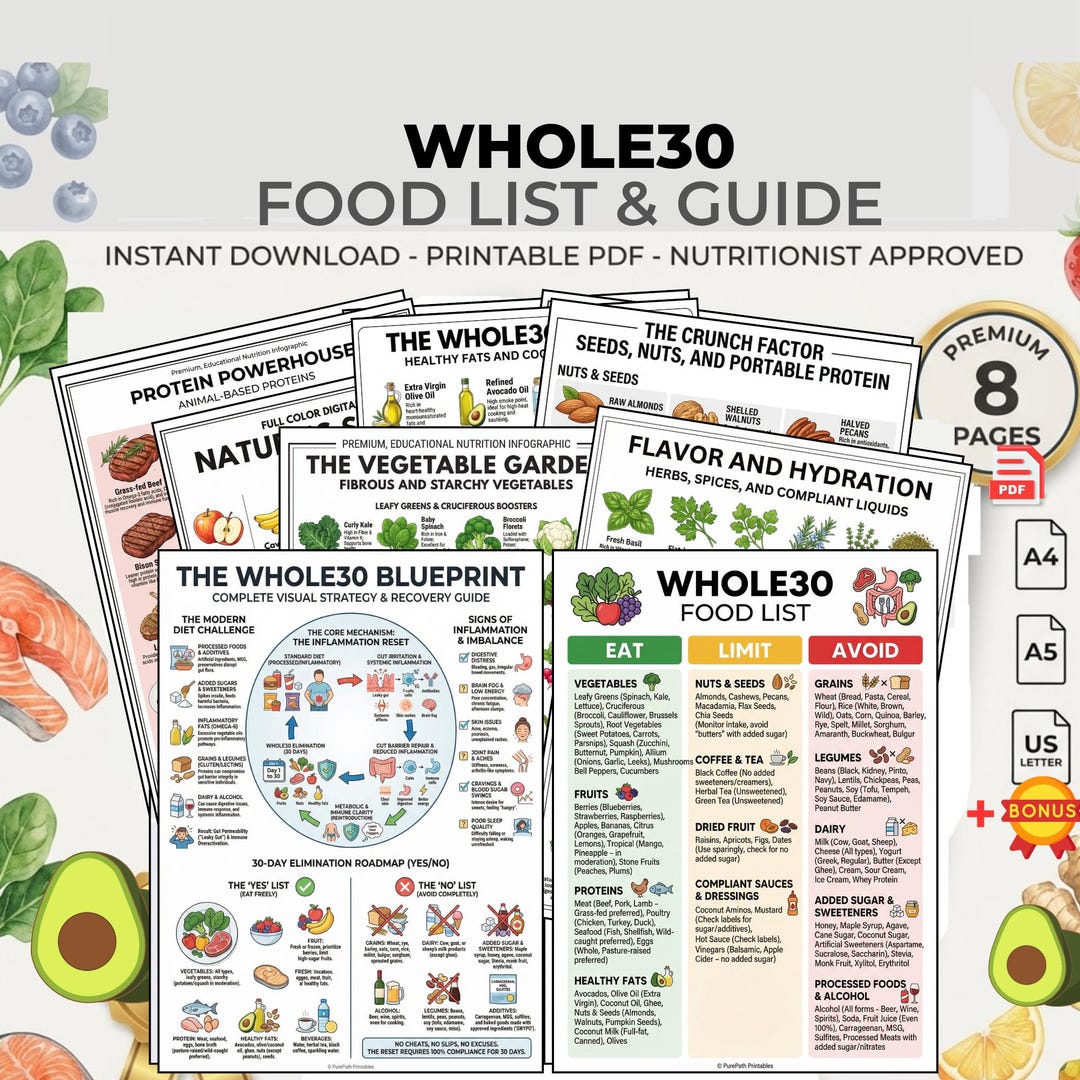
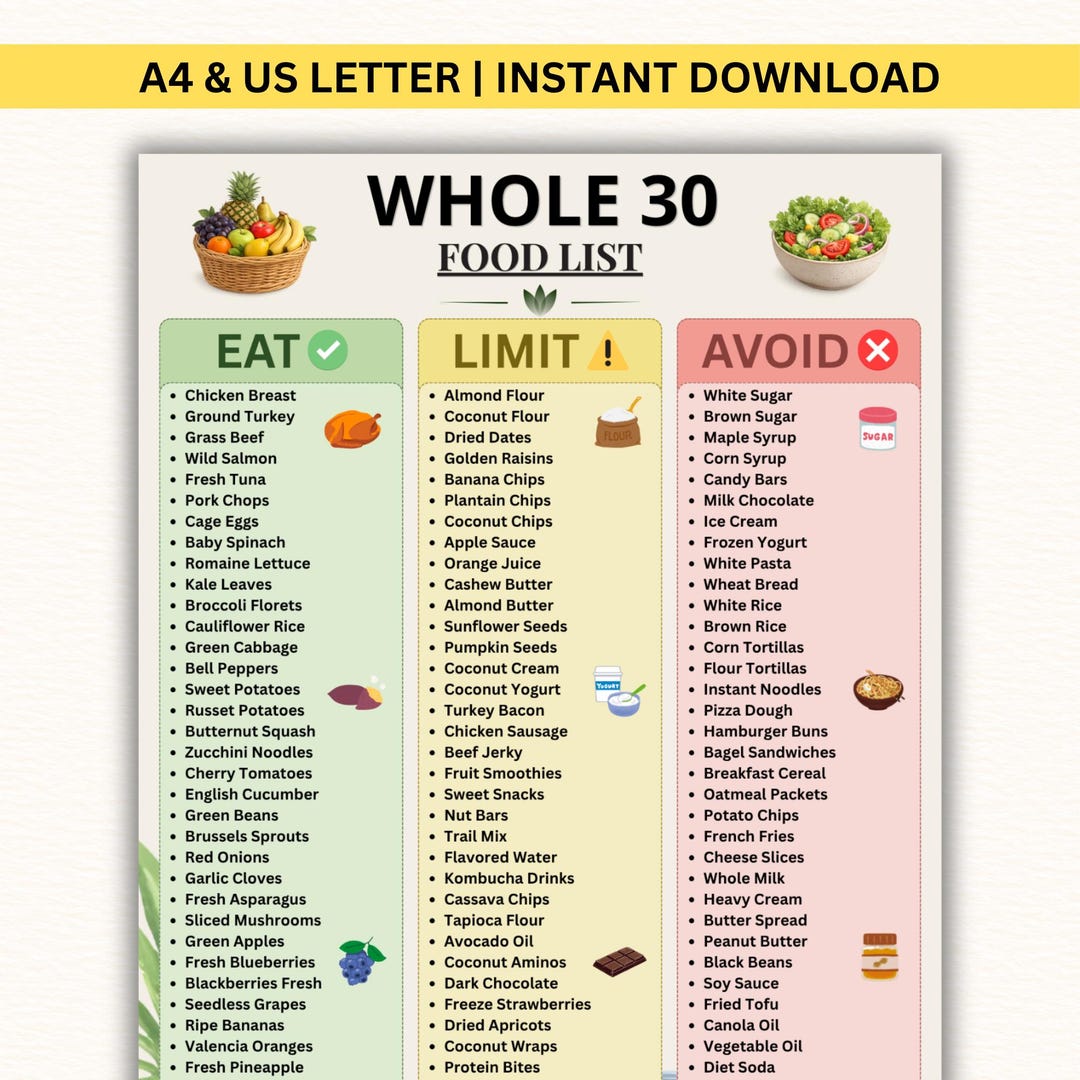
The Whole30 program is a 30-day nutritional reset designed to eliminate inflammatory foods, cravings, and blood sugar swings while identifying personal food sensitivities. By stripping your diet of grains, dairy, legumes, and added sugars for one month, you allow your body to recover from systemic inflammation before systematically reintroducing foods to see how they affect your health.
The Whole30 program has remained one of the most popular and rigorous dietary resets through 2026. While the core philosophy of "changing your life in 30 days" hasn't changed, the clarity around the guidelines has evolved to help participants navigate modern food processing and labels more effectively. Understanding these guidelines isn't just about knowing what to eat; it is about understanding the psychological and physiological reasons behind the exclusions.
The Core Philosophy: Why 30 Days?
The 30-day timeframe is not an arbitrary number. It is based on the time required for the immune system to "quiet down" and for the gut lining to begin the healing process. Most importantly, 30 days is often the minimum time needed to begin breaking the psychological habits associated with food, such as emotional eating or "reward" snacking.
Unlike traditional diets, Whole30 does not focus on calories, macros, or weight loss. In fact, participants are strictly forbidden from weighing themselves or taking body measurements during the 30 days. The goal is "Non-Scale Victories" (NSVs), such as improved sleep, stable energy, better digestion, and clearer skin.
The "No" List: Foods to Avoid During Whole30
The success of Whole30 hinges on the "off-limits" list. These categories are excluded because they are frequently found to be pro-inflammatory, gut-disrupting, or detrimental to metabolic health.
1. Added Sugar (Real or Artificial)
You must avoid all added sugar, whether natural or processed. This includes:
- Real sugars: Table sugar, brown sugar, beet sugar, cane sugar.
- Natural sweeteners: Honey, maple syrup, agave nectar, coconut sugar, date syrup, and stevia.
- Artificial sweeteners: Aspartame, sucralose, saccharin, and xylitol.
The reasoning here is both metabolic and psychological. Sugar drives insulin spikes and fuels the "Sugar Dragon"—that intense craving for sweets. By removing even "natural" sweeteners like honey, you force your taste buds to recalibrate to the natural sweetness of whole foods.
2. Alcohol in Any Form
Alcohol is strictly prohibited for the full 30 days. This includes:
- Drinking alcohol (beer, wine, spirits).
- Cooking with alcohol (even if the alcohol "burns off").
Alcohol is a known gut irritant and neurotoxin that impairs judgment, making it much harder to stick to the other rules of the program. From a physiological standpoint, your liver prioritizes processing alcohol over other metabolic functions, which stalls the "reset" process.
3. Grains
All grains, including whole grains and gluten-free varieties, are excluded. This includes:
- Wheat: Bread, pasta, flour, couscous, bulgur.
- Rice: White, brown, wild, or rice flour.
- Corn: Cornmeal, popcorn, corn syrup, cornstarch.
- Others: Oats, rye, barley, millet, sorghum, and sprouted grains.
- Pseudo-cereals: Quinoa, amaranth, and buckwheat.
Grains contain compounds like phytates and lectins, which can interfere with mineral absorption and irritate the intestinal lining in sensitive individuals.
4. Legumes
Most legumes are off-limits because they contain high levels of fermentable carbohydrates (FODMAPs) and lectins. Avoid:
- Beans: Black, kidney, pinto, navy, white, lima, and fava.
- Peas: Chickpeas (garbanzo beans) and black-eyed peas.
- Lentils: All varieties.
- Soy: Tofu, tempeh, edamame, soy sauce, miso, and soy lecithin.
- Peanuts: This includes peanut butter and peanut oil.
The Exception: Green beans, sugar snap peas, and snow peas are allowed because they are more "pod" than "bean" and do not typically cause the same digestive distress as dried legumes.
5. Dairy
All dairy products from cows, goats, or sheep must be removed. This includes:
- Milk and cream.
- Cheese (hard and soft).
- Yogurt and kefir.
- Sour cream and ice cream.
- Butter.
The Exception: Ghee (clarified butter) is allowed. The clarification process removes the milk solids (lactose and casein), leaving behind pure fat that is generally well-tolerated even by those with dairy sensitivities.
6. Specific Food Additives
You must read every label carefully to avoid:
- Carrageenan: A common thickener in almond milk and deli meats that is linked to gut inflammation.
- MSG (Monosodium Glutamate): Often hidden in spice blends and broths.
- Sulfites: Frequently found in dried fruits and vinegar (though some vinegars are allowed).
The "Yes" List: What to Eat
While the "No" list seems long, the "Yes" list encompasses a vast array of nutrient-dense whole foods. As of 2026, the availability of Whole30-approved products in mainstream grocery stores has made this significantly easier.
Protein (The Foundation)
Focus on high-quality animal proteins. While the program does not mandate organic or grass-fed, it is encouraged when possible for higher nutrient density.
- Meat: Beef, pork, lamb, venison.
- Poultry: Chicken, turkey, duck.
- Seafood: Fish, shrimp, scallops, crab, lobster.
- Eggs: A staple of the Whole30 breakfast.
Vegetables (The Bulk of Your Plate)
Vegetables should make up the majority of your plate at every meal.
- Starchy Vegetables: Potatoes (white, red, Yukon Gold), sweet potatoes, yams, butternut squash, and parsnips. (Note: White potatoes were once banned but have been allowed since 2014).
- Non-Starchy Vegetables: Broccoli, cauliflower, kale, spinach, peppers, onions, asparagus, zucchini, and cabbage.
Fruits
Fruit is allowed but should be consumed in moderation to manage sugar cravings.
- Apples, berries, citrus, melons, and bananas.
- Dried fruit: Allowed, but check the label for added sugars or sulfites. Use sparingly.
Natural Fats
Healthy fats are essential for satiety (feeling full) and hormone production.
- Oils: Olive oil, coconut oil, avocado oil.
- Whole Fats: Avocados, olives, and coconut milk (canned).
- Nuts and Seeds: Almonds, walnuts, cashews, pecans, macadamia nuts, pumpkin seeds, and sunflower seeds.
- Note: Cashews and almonds are excellent for making compliant sauces, but avoid over-consuming them as a "snack" to replace meals.
The "Pancake Rule" (SWYPO)
One of the most misunderstood aspects of the Whole30 guidelines is the concept of SWYPO, which stands for "Sex With Your Pants On." This refers to recreating junk foods or treats using compliant ingredients.
For example, you could theoretically make a "pancake" out of mashed bananas and eggs. While both ingredients are compliant, the act of eating a pancake reinforces the craving for bread and sugary breakfasts. The Whole30 rules explicitly forbid:
- Paleo-friendly pancakes, waffles, or crepes.
- Tortillas made from cauliflower or almond flour (if used to recreate tacos/wraps).
- Pizza crusts made from cauliflower or meat.
- Brownies or cookies made with almond flour and dates.
The goal is to change your relationship with food. If you spend 30 days eating "compliant" versions of your favorite junk foods, you haven't actually changed the habits that led you to the program in the first place.
Summary of Guidelines for 2026
| Category | Allowed | Forbidden |
|---|---|---|
| Protein | Beef, Poultry, Seafood, Eggs, Pork | Soy protein, Seitan, processed meats with sugar/MSG |
| Vegetables | All vegetables (including white potatoes) | Corn, Peas (except green/snap/snow) |
| Fats | Ghee, Olive Oil, Avocado Oil, Coconut Oil | Butter, Margarine, Soybean Oil, Peanut Oil |
| Sweeteners | Fruit juice (as an ingredient), Dates | Sugar, Honey, Stevia, Monk Fruit, Maple Syrup |
| Dairy | Ghee (Clarified Butter) | Milk, Cheese, Yogurt, Cream, Butter |
| Legumes | Green beans, Sugar snap peas, Snow peas | Black beans, Chickpeas, Lentils, Peanuts, Soy |
| Grains | None | Wheat, Rice, Quinoa, Corn, Oats, Amaranth |
Navigating the Plant-Based Whole30 Alternative
In recent years, the program expanded to include a Plant-Based Whole30 for those who do not consume animal products. While this article focuses on the original guidelines, it is worth noting the primary differences if you are following the plant-based track:
- Protein: Includes whole-food plant-based proteins like lentils, chickpeas, and beans.
- Soy: Allows minimally processed soy like tofu, tempeh, and edamame.
- Exclusions: Still excludes grains, dairy, added sugar, and alcohol.
For most people, the Original Whole30 remains the gold standard for identifying hidden food sensitivities related to legumes and soy.
The Reintroduction Phase: The Most Crucial Step
Completing the 30 days is only half the battle. The true value of Whole30 comes in the 10 to 14 days following the reset. This is the "Reintroduction" phase.
If you immediately go back to eating pizza, beer, and ice cream on Day 31, you will likely experience significant digestive distress and won't know which specific food caused it. The proper way to reintroduce is to add one food group back at a time for one day, then return to Whole30 eating for two days to observe the effects.
Standard Reintroduction Schedule:
- Day 31: Legumes (beans, soy, peanuts).
- Day 32-33: Back to Whole30.
- Day 34: Non-gluten grains (rice, corn, quinoa).
- Day 35-36: Back to Whole30.
- Day 37: Dairy (cheese, yogurt, milk).
- Day 38-39: Back to Whole30.
- Day 40: Grains containing gluten (wheat, barley, rye).
By the end of this process, you will have a "personalized nutrition plan" based on how your body actually responds to different food groups.
Frequently Asked Questions
Can I have "compliant" chips?
While some brands sell chips made from kale, plantains, or beets that use compliant oils, the Whole30 rules generally discourage "snacking." If you are eating these chips to satisfy a craving for potato chips, it falls under the SWYPO rule. However, if they are used as a side to a meal (like plantain chips with ceviche), they are technically allowed but should be used with caution.
What happens if I make a mistake?
The official Whole30 rules state that if you accidentally (or intentionally) consume a non-compliant food, you must restart at Day 1. This sounds harsh, but it is because the elimination process requires a full, uninterrupted 30-day window for the immune system and gut to reset. A single exposure to inflammatory compounds can trigger a response that lasts for several days.
Is coffee allowed on Whole30?
Yes, black coffee is allowed. You can also add compliant creamers like nut milks (almond, cashew, coconut) as long as they contain no added sugars or carrageenan. You cannot, however, use "keto" sweeteners or traditional creamers.
Are there any exceptions for medications?
Yes. Never discontinue prescribed medications for the sake of the program. If your medication contains sugar or cornstarch (common binders), do not worry about it. Your health comes first. The same applies to doctor-recommended supplements.
Can I eat out at restaurants?
Eating out is possible but requires due diligence. You must ask the server about the oils used (most restaurants use soybean or seed oils, which are not allowed—ask for olive oil or for the food to be steamed) and ensure no sugar or butter was used in seasonings or sauces.
Practical Next Steps for Success
To succeed with the Whole30 food guidelines, preparation is paramount. Before starting Day 1, perform a "pantry sweep" to remove or hide non-compliant foods. Stock your kitchen with plenty of "emergency protein" like canned tuna (check for soy-free labels) and hard-boiled eggs.
The most effective strategy in 2026 is to focus on simple, whole-ingredient meals. Instead of trying to find complex Whole30-approved versions of sauces or dressings, rely on fresh herbs, lemon juice, and high-quality olive oil. This reduces the cognitive load of label-reading and ensures you stay within the spirit of the program.
For official updates and the most current list of approved partner brands, you can consult the Whole30 Official Website or the latest editions of the Whole30 book series.