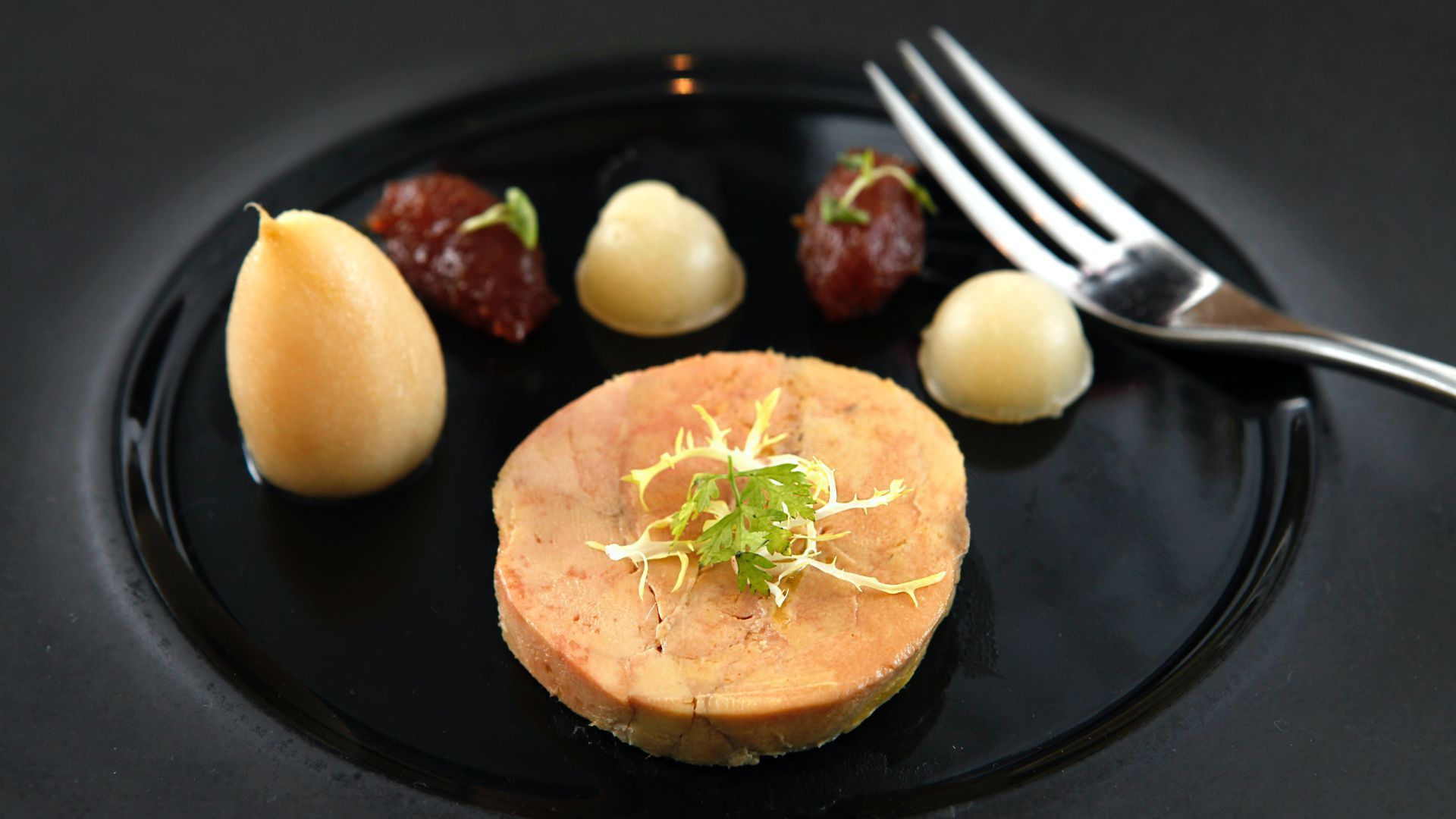
The global market for ultra-luxury gastronomy represents an intersection of rarity, extreme labor costs, precise terroir, and intense cultural cachet. Evaluating the top 10 most expensive foods involves examining what justifies their staggering price tags—ranging from thousands of dollars per kilogram to six-figure single items—and separating true culinary artistry from pure marketing-driven excess.
Understanding the Economics of Ultra-Luxury Gastronomy
The valuation of high-end food commodities relies on a distinct set of economic drivers that separate them from standard commercial groceries. Understanding these factors provides clarity on why certain ingredients command prices equivalent to luxury automobiles or real estate down payments.
Terroir, Rarity, and Environmental Factors
True gastronomic luxury almost always begins with exceptional geographical specificity, known as terroir. Items like White Alba truffles (Tuber magnatum pico) cannot be cultivated through conventional agriculture; they grow wild beneath specific tree species in the Piedmont region of Italy under strict, unpredictable climatic conditions.
Similarly, genuine Kobe beef requires strict lineage tracking of Tajima-gyu cattle raised exclusively in Hyōgo Prefecture, Japan, adhering to rigorous marbling and weight standards. When supply is strictly bounded by nature or legal designation, scarcity drives valuation upward regardless of broader economic shifts.
Production Labor and Aging Protocols
Beyond simple scarcity, the human labor and time required to bring a luxury food to market heavily inflate its cost. Consider Almas caviar, harvested from rare albino Iranian beluga sturgeons that may take up to two0 years to reach maturity. The extraction, salting, and packaging processes require master artisans whose expertise has been passed down through generations.
Fermentation, curing, and aging also tie up significant capital over extended periods. A culinary product that sits in a controlled cellar for decades incurs high storage, security, and monitoring expenses before a single unit is ever sold.
The Verdict on the Top 10 Most Expensive Foods
To provide a definitive assessment, we evaluate ten globally recognized luxury foods based on their authentic market value, production difficulty, taste profile, and whether their price is justified by culinary merit or sustained by marketing hype.
| Food Item | Estimated Price Range | Primary Value Driver | Culinary Verdict |
|---|---|---|---|
| White Alba Truffles | $4,000 – $10,000+ per kg | Wild scarcity, terroir | Justified (unmatched aromatic depth) |
| Almas Caviar | $20,000 – $35,000+ per kg | Rare sturgeon age | Overpriced (status symbol premium) |
| Saffron | $5,000 – $10,000+ per kg | Hand-harvested stigma | Justified (immense manual labor) |
| Iberico Ham (Jamón) | $4,000 – $4,500 per leg | 5-year acorn diet | Justified (exceptional flavor profile) |
| Kopi Luwak Coffee | $600 – $1,500+ per kg | Civet digestion | Overpriced (gimmick outweighing cup) |
| Matsutake Mushrooms | $1,000 – $2,000+ per kg | Uncultivable pine woods | Mixed (dependent on freshness) |
| Wagyu / Kobe Beef | $200 – $1,000+ per kg | Strict marbling rules | Justified (unique fat melting point) |
| Moose Cheese | $500 – $1,000+ per kg | Limited Swedish farm | Justified (niche micro-production) |
| Yubari King Melons | $50 – $200+ per fruit | Horticultural sorting | Overpriced (cultural gifting status) |
| Edible Gold Leaf | $15,000+ per kg | Precious metal status | Unjustified (purely decorative) |
1. White Alba Truffles: The King of Aromatics
- Estimated Cost: $4,000 to $10,000+ per kilogram (fluctuating wildly based on seasonal harvest yields).
- The Verdict: Justified. White truffles cannot be farmed; they must be hunted in the wild using specially trained dogs or pigs. Their volatile aromatic compounds—featuring deep notes of garlic, earth, and fermented cheese—cannot be replicated by artificial truffle oils. When shaved raw over simple dishes like buttered tajarin pasta or fried eggs, their culinary impact is profound.
2. Almas Caviar: The White Gold of the Caspian
- Estimated Cost: $20,000 to $35,000+ per kilogram, traditionally sold in 24-karat gold tins.
- The Verdict: Overpriced. While genuine beluga caviar from elderly albino sturgeons is undeniably creamy, complex, and buttery, a significant portion of the Almas price tag stems from the luxurious gold packaging and extreme exclusivity marketing rather than a vastly superior taste profile compared to high-grade Ossetra.
3. Iranian Saffron: Red Gold Spice
- Estimated Cost: $5,000 to $10,000+ per kilogram.
- The Verdict: Justified. Saffron consists of the delicate, thread-like stigmas of the Crocus sativus flower. Each flower yields only three stigmas, requiring roughly 150,000 flowers to produce a single kilogram of dried spice. The entire harvest must be performed meticulously by hand during a narrow autumn window, making the high cost a direct reflection of intensive human labor.
4. Jamón Ibérico de Bellota: The Acorn-Fed Legend
- Estimated Cost: $4,000 to $4,500 per whole cured leg.
- The Verdict: Justified. Real Bellota-grade ham comes from free-range Iberian pigs that spend their final months roaming oak forests, gorging exclusively on acorns (bellotas). This diet infuses the fat with oleic acid, giving the cured meat a melting texture and nutty flavor profile that undergoes a rigorous 36-to-60-month aging process.
5. Kopi Luwak: The Controversial Brew
- Estimated Cost: $600 to $1,500+ per kilogram.
- The Verdict: Overpriced. Kopi Luwak is produced from coffee cherries ingested and excreted by the Asian palm civet. While digestive enzymes purportedly remove bitterness, blind taste tests frequently rank it below standard specialty-grade single-origin coffees. Furthermore, the commercialization of caged civet farms introduces severe ethical concerns that diminish its luxury appeal.
6. Matsutake Mushrooms: Pine-Forest Treasures
- Estimated Cost: $1,000 to $2,000+ per kilogram.
- The Verdict: Mixed. These wild mushrooms grow symbiotically with red pine trees in Japan, the Pacific Northwest, and parts of Asia. Because pine forests have faced ecological decline and disease, finding pristine specimens has become difficult. While prized for their distinct, spicy-aromatic fragrance, inferior or damaged specimens often fail to justify their steep import costs.
7. Authentic Kobe and Wagyu Beef: Marbling Mastery
- Estimated Cost: $200 to $1,000+ per kilogram depending on the cut and grade (A4 to A5).
- The Verdict: Justified. The intense intramuscular fat distribution of high-grade Japanese beef creates a low melting point that dissolves instantly on the palate. The meticulous feeding regimens, lineage verification, and strict grading boards ensure that consumers are paying for verifiable agricultural excellence.
8. Elk and Moose Cheese: Swedish Artisanal Rarity
- Estimated Cost: $500 to $1,000+ per kilogram.
- The Verdict: Justified. Produced exclusively at the Elk House farm in Bjurholm, Sweden, using milk from tamed moose (Alces alces) that can only be milked during specific months, production is limited to a few hundred kilograms per year. The rich, high-protein milk creates a unique cheese style found nowhere else on earth.
9. Yubari King Melons: Perfect Horticultural Spheres
- Estimated Cost: $50 to $200+ per individual fruit at standard retail, with pristine auction pairs occasionally fetching thousands.
- The Verdict: Overpriced. Grown in volcanic ash soil in Yubari, Hokkaido, these cantaloupes are tended by hand and massaged to ensure uniform sugar distribution. While exceptionally sweet and juicy, their stratospheric auction prices are largely driven by cultural gifting traditions in Japan rather than intrinsic gastronomic superiority.
10. Edible Gold Leaf: Culinary Ornamentation
- Estimated Cost: $15,000+ per kilogram of pure gold.
- The Verdict: Unjustified. Edible gold (22 to 24 karats) is biologically inert, meaning it passes completely through the human digestive tract without providing flavor, texture, or nutritional value. Its inclusion in desserts, cocktails, and steaks serves entirely as a visual status marker rather than a culinary enhancement.
Practical Guidelines for Experiencing Luxury Foods
For epicureans and culinary enthusiasts looking to explore ultra-luxury foods without falling victim to marketing traps or culinary disappointment, adhering to specific purchasing and preparation principles is essential.
- Prioritize Seasonality: Purchase items like truffles and fresh matsutake mushrooms only during their peak harvesting windows to ensure peak aromatic potency.
- Verify Certification: For luxury meats and specialty items like Kobe beef, Parmigiano-Reggiano, or certified balsamic vinegars, demand official documentation, laser stamps, or serial numbers to prevent purchasing counterfeit alternatives.
- Minimize Preparation: High-end ingredients require minimal intervention. Over-seasoning or masking expensive items with heavy sauces destroys their delicate characteristics.
- Source Ethically: For items dependent on animal welfare—such as caviar, foie gras, or civet coffee—research producers to ensure sustainable, humane practices that align with modern ethical standards.
Frequently Asked Questions
Why are some luxury foods impossible to cultivate on farms?
Many high-end foods, such as wild truffles and certain rare mushrooms, form complex symbiotic relationships with the root systems of specific mature trees in wild forest ecosystems. Science has not yet successfully replicated these delicate underground fungal networks in commercial agricultural environments.
Does paying more always guarantee a better taste experience in luxury dining?
Not necessarily. While ingredients like White Alba truffles or A5 Wagyu beef offer distinct, chemically verifiable sensory differences compared to standard foods, other items—such as edible gold leaf or ultra-rare melons—command high prices due to visual spectacle, gifting culture, or artificial scarcity rather than superior flavor.
How can buyers avoid counterfeit luxury foods?
Counterfeiting is common in the luxury food market, particularly with Kobe beef, extra virgin olive oil, and saffron. Buyers should purchase exclusively from licensed importers, verify official government export seals, and cross-reference distributor registries when buying high-value commodities.
What is the best way to store fresh truffles at home?
Fresh truffles lose their volatile aromatic compounds rapidly. They should be wrapped individually in dry paper towels, placed inside an airtight glass container, stored in the coldest part of the refrigerator, and consumed within three to five days of harvest.
Are luxury foods nutritionally superior to standard groceries?
Generally, no. Luxury foods are valued for their rarity, flavor profiles, and cultural heritage rather than enhanced vitamin or mineral content. Items like Wagyu beef, for example, actually contain significantly higher concentrations of saturated and monounsaturated fats than lean commercial cuts.
Conclusion and Final Recommendation
Navigating the world of ultra-luxury gastronomy requires distinguishing between genuine agricultural mastery and superficial status symbols. When investing in high-end ingredients, focus your budget on items where human skill, natural terroir, and rare flavor profiles create an unmistakable sensory experience—such as authentic truffles, aged cured hams, and high-grade Wagyu—while avoiding gimmicks backed only by precious metals and aggressive marketing.