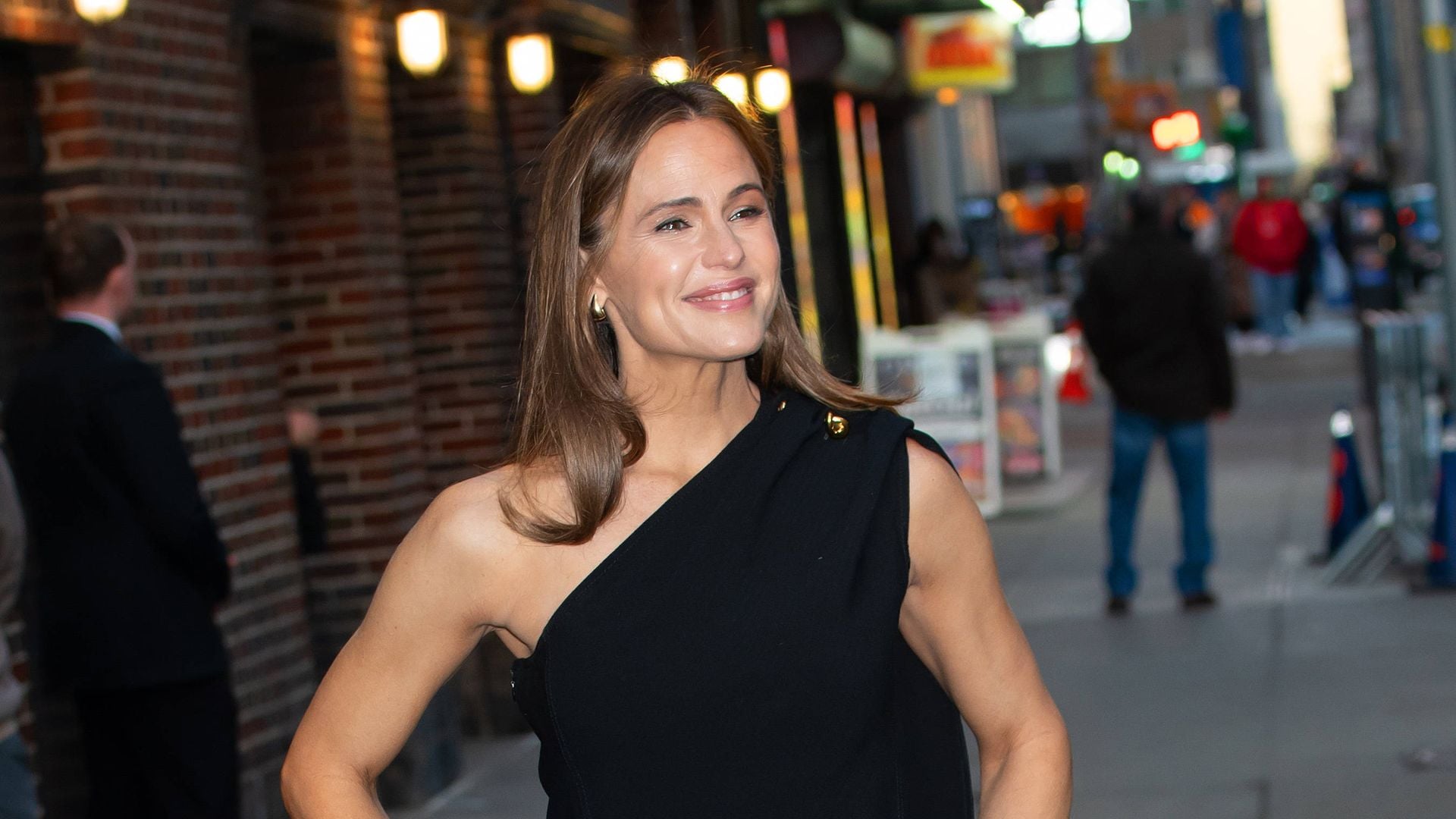
Jennifer Garner’s political views in 2024 center largely on non-partisan advocacy, early childhood education, poverty reduction, and civic participation, while maintaining a generally private approach to partisan electoral politics. Rather than endorsing major political candidates publicly in cycle-defining races, the actress and philanthropist focuses her civic energy on systemic social issues, voting rights initiatives, and philanthropic leadership.
Introduction to Jennifer Garner’s Public Persona and Civic Identity
Understanding Jennifer Garner’s approach to public life requires looking beyond traditional Hollywood partisanship. While many prominent actors leverage their platforms to endorse specific political candidates or political parties during high-stakes election cycles, Garner has historically charted a more independent course. Her public engagement is rooted primarily in direct advocacy, philanthropic investment, and legislative lobbying for specific social welfare issues.
In 2024, as the United States navigated a deeply polarized political landscape, Garner maintained this consistent blueprint. Rather than diving into the daily fray of partisan rhetoric, she concentrated her influence on issues where consensus can theoretically be built across the aisle: early childhood development, maternal health, anti-poverty programs, and the encouragement of democratic participation through voting. This profile examines how her background, professional endeavors, and philanthropic commitments shape her modern civic posture.
Philanthropy and Advocacy as Political Expression
For Garner, philanthropy and advocacy serve as the primary vehicles for her political and social views. Rather than treating charity as separate from governance, she actively collaborates with lawmakers at both the state and federal levels to enact policy changes. This form of civic engagement bridges the gap between private enterprise and public policy.
Early Childhood Education and Save the Children
Garner’s most prominent long-term advocacy work is tied to her role as a board member and fierce champion for Save the Children. Her involvement goes far beyond fundraising galas; she has frequently visited Capitol Hill to testify before congressional committees, advocating for increased federal funding for early childhood education, home-visiting programs, and pre-kindergarten initiatives.
By framing early childhood education as an economic imperative and a matter of national competitiveness rather than a purely partisan talking point, Garner has successfully built bridges with lawmakers from diverse political backgrounds. Her advocacy emphasizes that poverty during formative years creates lifelong educational and economic deficits, a viewpoint that aligns with broader progressive policy goals while retaining appeal among pragmatic moderates focused on workforce development.
The Childhood Agriculture and Nutrition (CAN) Initiative
In addition to her work with Save the Children, Garner co-founded Once Upon a Farm, an organic baby food company. While operating primarily as a commercial enterprise, the brand reflects her broader social ethos regarding sustainable agriculture, food security, and access to nutritious food for low-income families. Her public statements surrounding the venture frequently touch upon the systemic inequities in the American food supply chain, advocating for policy reforms that make healthy food accessible to underserved communities.
Voter Registration and Civic Engagement Initiatives
While Garner generally avoids telling the public how to vote, she has consistently used her platform to urge citizens to vote. In the lead-up to the 2024 elections, non-partisan civic participation campaigns gained immense traction across the entertainment industry, and Garner participated in these efforts through organizations focused on voter turnout and electoral education.
Non-Partisan Democracy Building
Garner’s approach to elections emphasizes that democratic health depends on high voter turnout and informed participation. She has collaborated with non-partisan groups such as When We All Vote—a national, non-partisan initiative launched to increase participation in every election—to demystify the voting process and combat voter apathy.
Her messaging during the 2024 cycle emphasized the mechanics of voting: checking registration statuses, understanding local ballot measures, and preparing early. By focusing on the infrastructure of democracy rather than partisan outcomes, Garner aligns herself with a tradition of celebrity activism that seeks to empower the electorate without alienating fans of opposing political persuasions.
Historical Context and Past Political Involvements
To fully understand Garner’s posture in 2024, it is helpful to examine her historical engagements with political figures and campaigns. While she is not a hyper-partisan activist, her personal values and selective endorsements offer clues to her broader worldview.
The 2016 and 2020 Election Cycles
During the 2016 presidential election, Garner supported Democratic nominee Hillary Clinton, making her preference clear through public statements and occasional fundraising participation. However, even during high-intensity cycles, Garner’s involvement remained measured compared to peers who dedicated their entire social media channels to political commentary.
In the 2020 election cycle, she continued to advocate primarily for civic participation, mail-in voting safety, and pandemic-era electoral access, aligning closely with mainstream Democratic efforts to protect voting rights during public health crises, while maintaining her primary focus on children's welfare and economic relief.
Political Contributions and Public Stance
Federal Election Commission (FEC) records over the years indicate that when Garner makes political contributions, they lean primarily toward Democratic candidates and progressive organizations, particularly those supporting women in politics, such as EMILY's List. Despite these financial disclosures, Garner rarely uses her primary public forums—such as interviews promoting film and television projects—to launch attacks against political opponents or engage in social media debates.
Key Policy Areas Supported by Jennifer Garner
| Policy Focus Area | Primary Organization / Vehicle | Core Objective | Approach to Advocacy |
|---|---|---|---|
| Early Childhood Education | Save the Children | Universal pre-K, home-visiting programs, and infant care support | Congressional testimony, lobbying, and grassroots awareness |
| Civic Participation | When We All Vote | Non-partisan voter registration and turnout enhancement | Public service announcements, social media education |
| Food Security & Agriculture | Once Upon a Farm / Food Banks | Access to organic, nutritious food for low-income families | Entrepreneurship, supply-chain reform advocacy |
| Women’s Representation | EMILY’s List / Various PACs | Electing pro-choice Democratic women to office | Financial contributions and selective endorsements |
The Intersection of Celebrity and Political Influence
Garner’s strategy highlights a broader sociological discussion regarding the efficacy of celebrity political speech. In an era where hyper-visible political polarization often leads to consumer backlash and brand fragmentation, Garner’s careful navigation preserves her broad commercial appeal.
By anchoring her public political identity to non-controversial human values—such as the well-being of children, hunger relief, and the fundamental right to vote—she maintains high favorability across demographic lines. This approach allows her to influence policy discussions behind closed doors with lawmakers who might otherwise dismiss a Hollywood figure as out of touch. When Garner walks the halls of Congress to advocate for early childhood funding, she does so as a policy-literate advocate backed by empirical research from major humanitarian organizations, elevating her credibility beyond standard celebrity endorsement.
Frequently Asked Questions
Did Jennifer Garner endorse a presidential candidate in 2024?
No. Unlike many high-profile Hollywood actors who made formal endorsements during the 2024 presidential election cycle, Garner chose to focus her public efforts on non-partisan voter registration, civic participation, and her ongoing philanthropic work with children's advocacy groups.
What political party does Jennifer Garner support?
While Federal Election Commission records and past philanthropic associations show that Garner has historically leaned toward the Democratic Party and supported progressive candidates and organizations like EMILY’s List, she does not actively campaign for political parties and positions herself primarily as an independent advocate for social welfare.
What is Jennifer Garner's primary area of political activism?
Garner’s primary advocacy centers on early childhood education, poverty reduction, and maternal health. Through her extensive work with Save the Children and various legislative lobbying efforts, she advocates for federal and state policies that support vulnerable families and expand access to developmental resources for young children.
Is Jennifer Garner involved in voting rights advocacy?
Yes. Garner has actively partnered with non-partisan voter turnout organizations, including When We All Vote, to encourage eligible citizens to register, verify their voting status, and participate in local and national elections without partisan bias.
How does Jennifer Garner influence public policy without running for office?
Garner leverages her celebrity platform, business ventures, and direct relationships with lawmakers to lobby for specific legislative reforms. By focusing on bipartisan issues like child poverty and education, she frequently testifies before congressional committees and works directly with policymakers to secure funding and programmatic support.
Conclusion and Next Actions
Jennifer Garner’s political posture in 2024 demonstrates a mature, focused approach to civic duty. Rather than chasing headlines through partisan disputes, she channels her influence into sustained, structural work addressing child poverty, education, and democratic access. For observers seeking to understand her impact, the most effective next steps involve examining the legislative agendas of organizations like Save the Children or exploring non-partisan voter registration resources through platforms such as When We All Vote to engage directly in the issues she champions.