Ammonia (NH3) does not occupy a single cell on the periodic table because it is a compound composed of two distinct elements—nitrogen and hydrogen—rather than a single chemical element.
Navigating the Periodic Table: Elements Versus Compounds
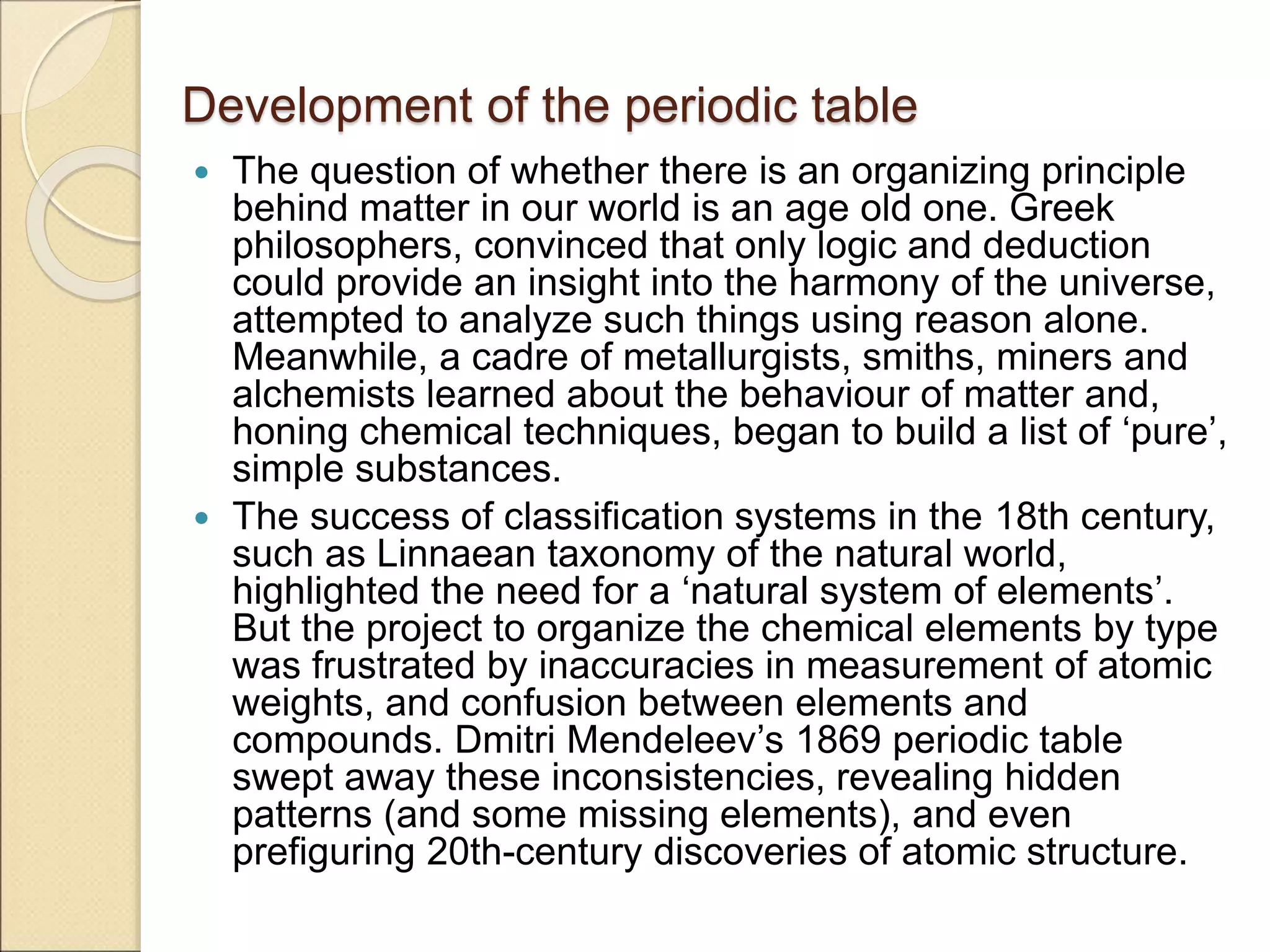
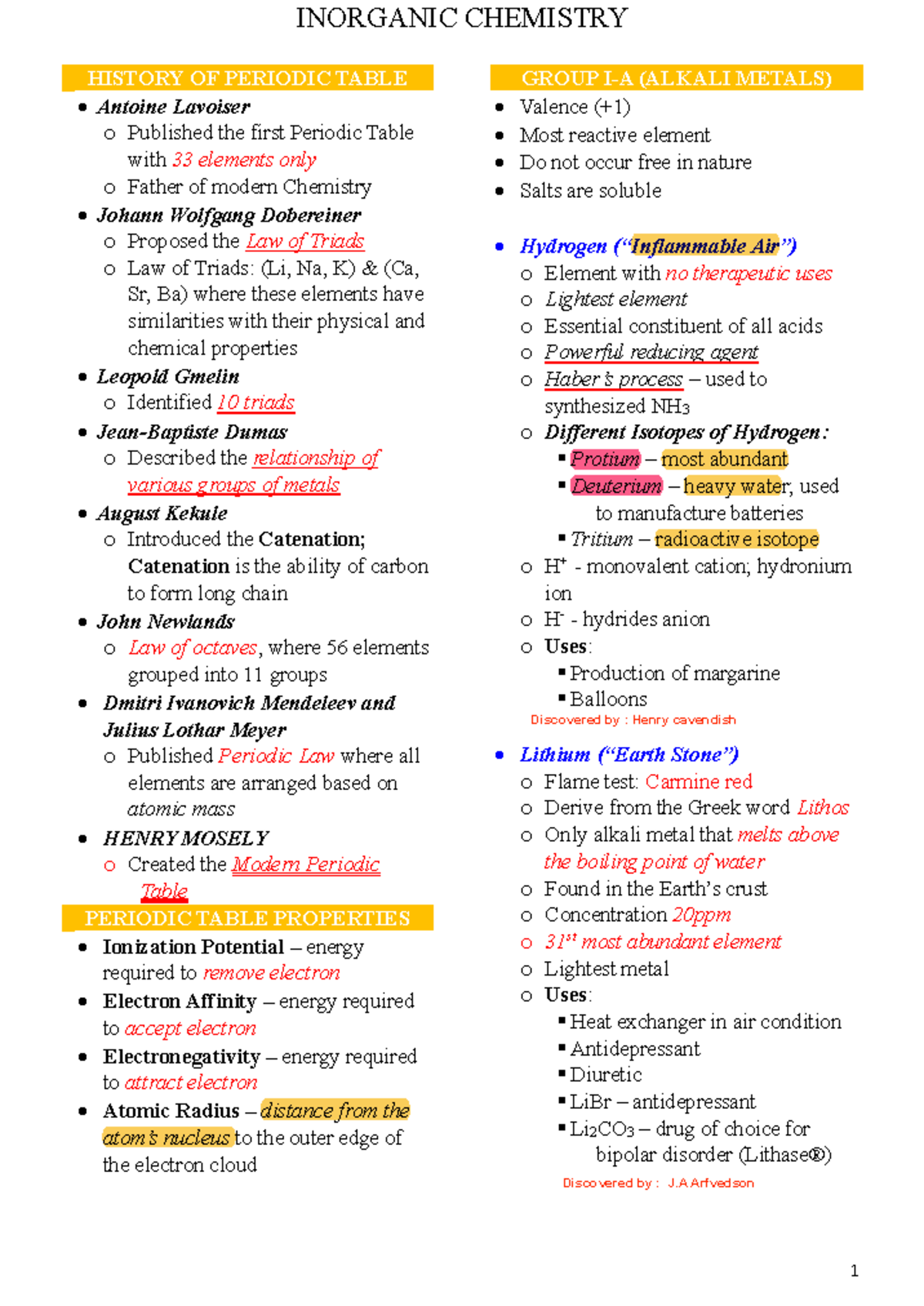
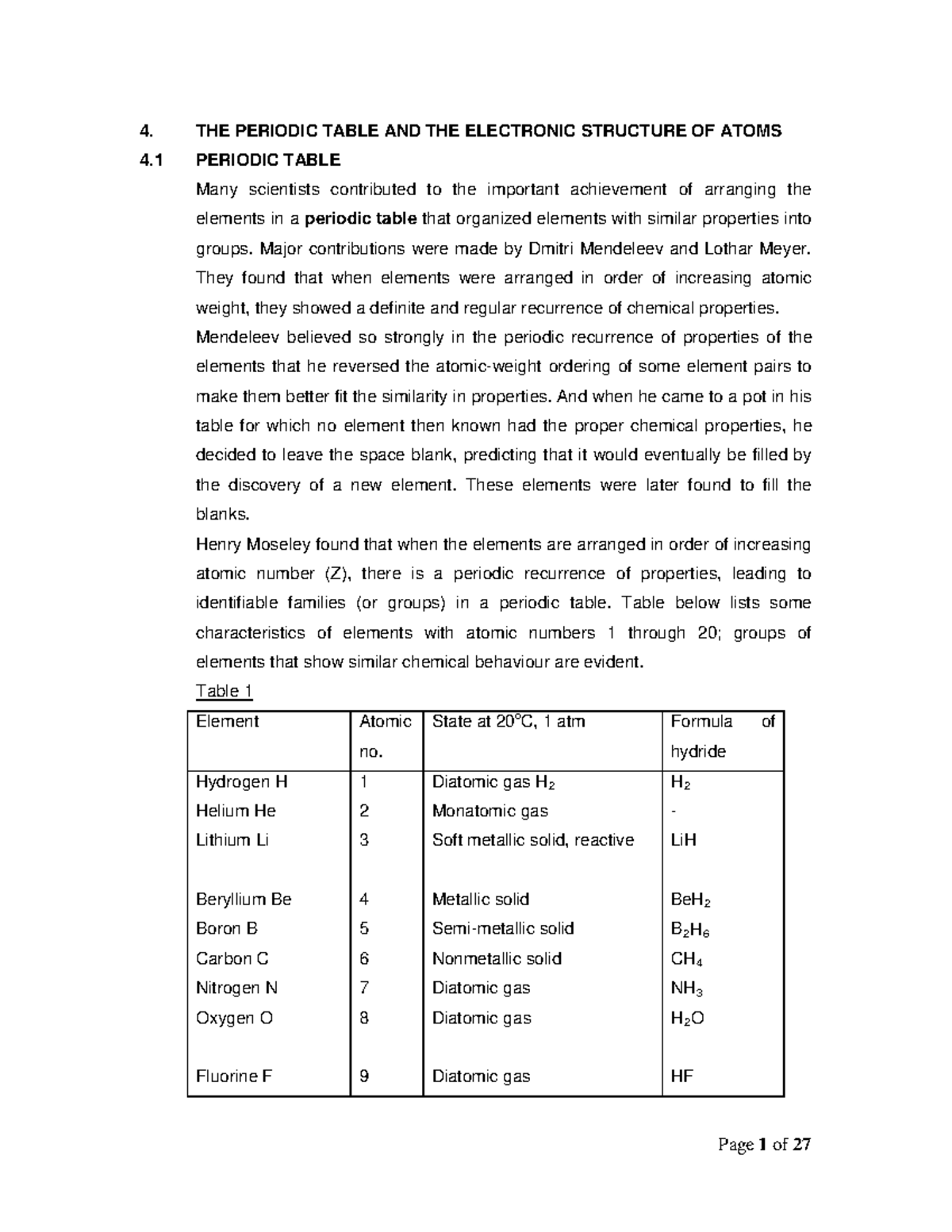
The periodic table is a master registry of chemical elements, organized systematically by atomic number, electron configuration, and recurring chemical properties. Each square on this grid represents a pure substance consisting of only one type of atom, defined strictly by the number of protons residing in its nucleus. Hydrogen, represented by the symbol H, sits proudly in the upper-left corner with an atomic number of 1. Nitrogen, represented by the symbol N, is located in group 15 with an atomic number of 7.
When analyzing the phrase "NH3 on the periodic table," a common point of confusion arises between fundamental elements and chemical compounds. Because the periodic table exclusively catalogues elements, a multi-atom molecule like ammonia will never have its own box, atomic number, or standard atomic weight assigned directly to the formula "NH3." Instead, understanding ammonia requires looking at how its constituent elements—nitrogen and hydrogen—interact, bond, and behave according to the periodic trends established within the table.
- THE CHEMICAL MAKEUP OF NH3
- Constituent Elements : Nitrogen (N) and Hydrogen (H)
- Atomic Number of N : 7
- Atomic Number of H : 1
- Bonding Mechanism : Covalent Bonding
- Molecular Geometry : Trigonal Pyramidal
To fully grasp what NH3 is and how it functions, scientists look up nitrogen and hydrogen individually on the periodic table to evaluate their electronegativity, valence electrons, and bonding tendencies. This foundational approach allows chemists to predict how these elements will combine to form stable structures that do not exist as independent entries on the periodic grid.
The Anatomy of Nitrogen and Hydrogen
To understand why ammonia forms in a 1:3 ratio, we must examine the properties of nitrogen and hydrogen on the periodic table.
Nitrogen is a nonmetal positioned in Period 2, Group 15 of the periodic table. It possesses seven total electrons, distributed with two in its inner shell and five in its outer valence shell. According to the octet rule, atoms strive to achieve a stable configuration of eight valence electrons. This means nitrogen requires three additional electrons to achieve a complete octet, making it highly reactive toward elements that can share electron density.
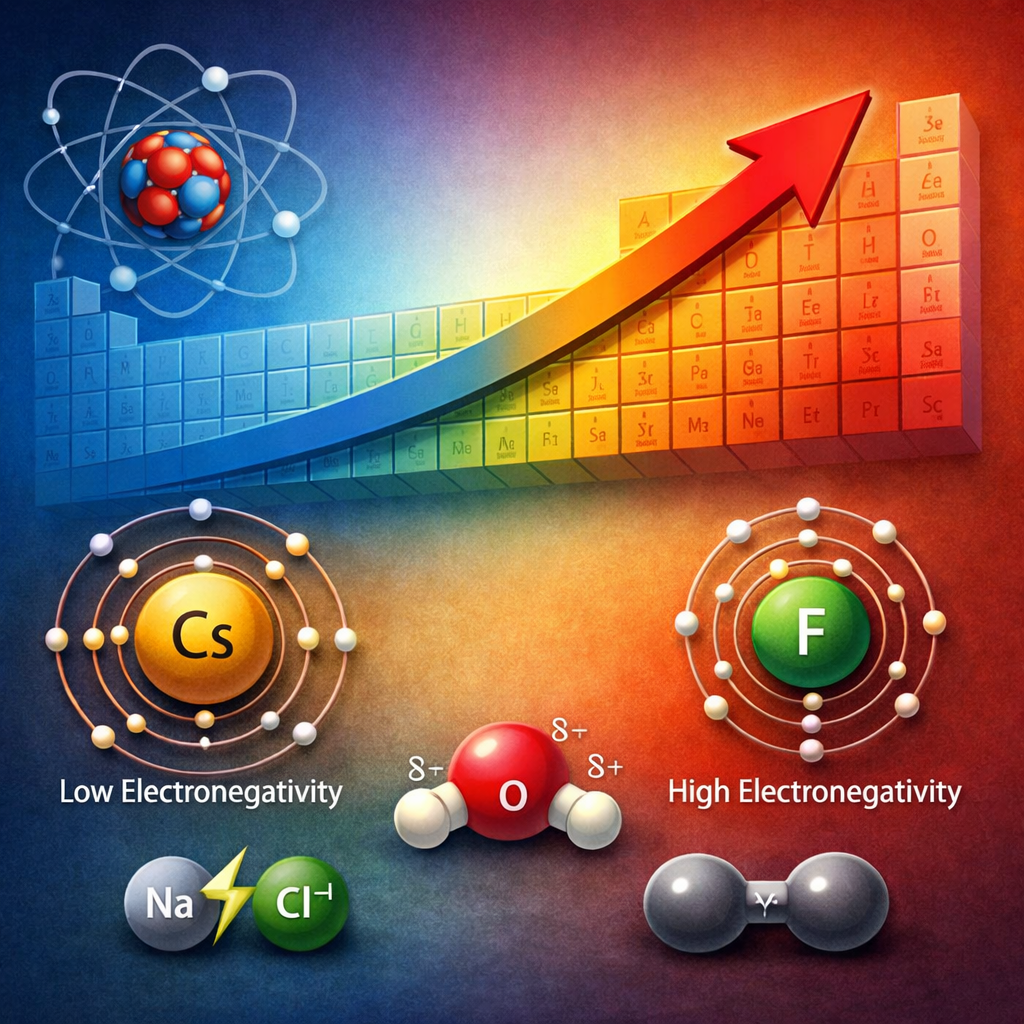
Hydrogen, the first element in Period 1, possesses a single electron and requires only one more to fill its valence shell, mimicking the stable electron configuration of helium. Because hydrogen has an electronegativity of 2.20 on the Pauling scale and nitrogen has a higher electronegativity of 3.04, the two elements are prime candidates for chemical combination.
When one nitrogen atom interacts with three hydrogen atoms, they share electrons rather than transferring them entirely. This sharing creates three strong covalent bonds. By pooling their electrons, the single nitrogen atom satisfies its need for three additional electrons, while each of the three hydrogen atoms secures the single electron it needs to stabilize its outer shell.
Molecular Geometry and Bonding Characteristics
Once nitrogen and hydrogen bond to form NH3, the resulting molecule displays unique physical and chemical properties that are heavily influenced by the periodic positions of its atoms.
The molecular geometry of ammonia is trigonal pyramidal. While the electron pairs around the central nitrogen atom arrange themselves in a tetrahedral electron geometry, the presence of a lone pair of electrons on the nitrogen pushes the three hydrogen atoms downward. This lone pair exerts a greater repulsion than the shared bonding pairs, resulting in an H-N-H bond angle of approximately 107 degrees, which deviates from the ideal 109.5-degree tetrahedral angle.
| Property | Description |
|---|---|
| Molecular Formula | NH3 |
| Molar Mass | ~17.031 g/mol |
| Molecular Shape | Trigonal Pyramidal |
| Intermolecular Force | Hydrogen Bonding |
| Bond Type | Polar Covalent |
Because of the electronegativity difference between nitrogen and hydrogen, the N–H bonds are polar. Nitrogen pulls the shared electron clouds closer to itself, giving the nitrogen atom a partial negative charge and the hydrogen atoms a partial positive charge. This polarity allows ammonia molecules to engage in extensive hydrogen bonding with one another and with water, explaining its remarkably high solubility in aqueous solutions and its relatively high boiling point compared to similar hydrides.
Industrial Synthesis and Practical Applications
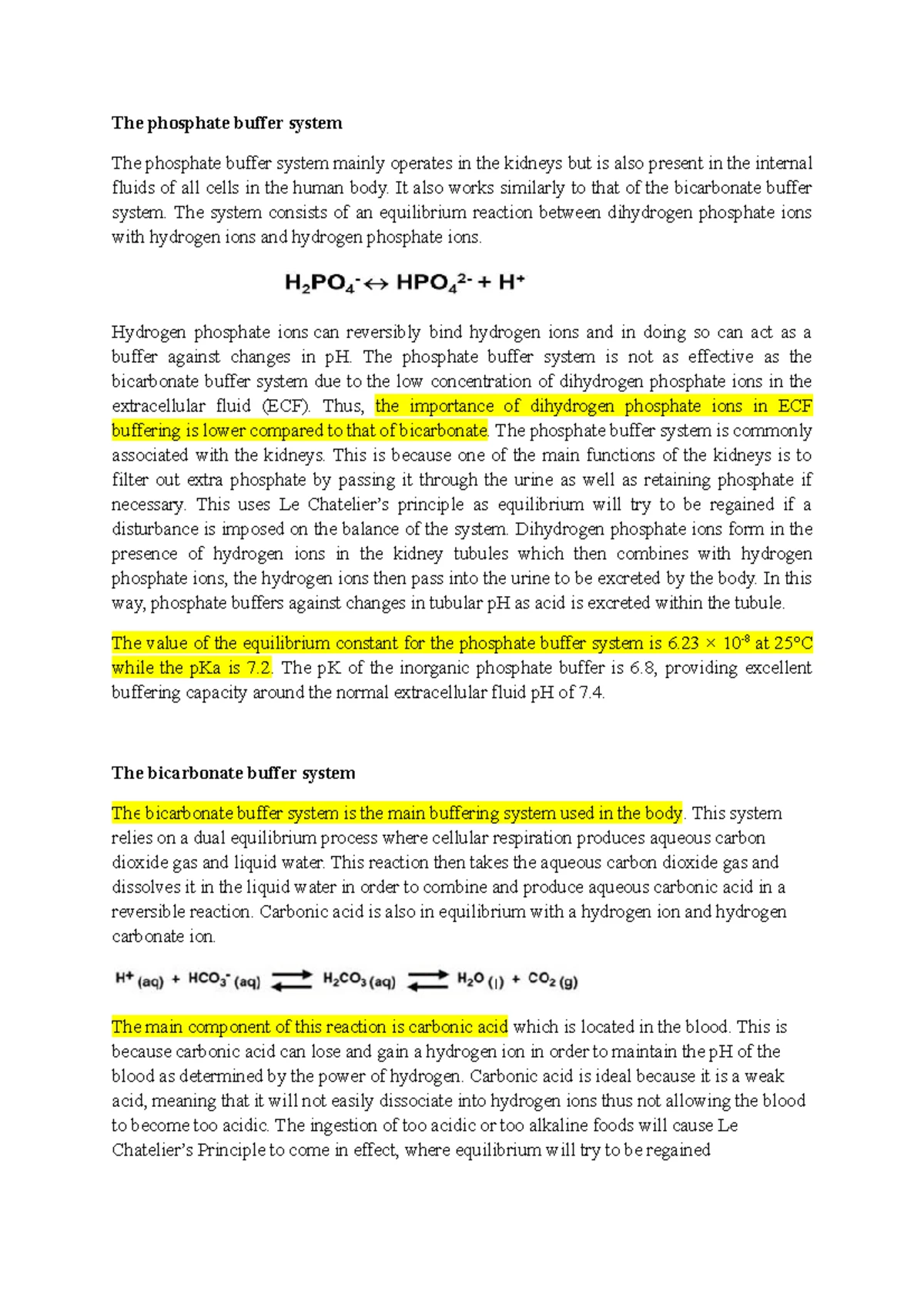
Although ammonia is not found as a standalone entry on the periodic table, it is one of the most widely produced synthetic chemicals in human history. The Haber-Bosch process, developed in the early 20th century, revolutionized agriculture and global industry by enabling the direct combination of atmospheric nitrogen (N2) derived from air with hydrogen gas (H2) derived typically from natural gas.
N2 (g) + 3 H2 (g) ⇌ 2 NH3 (g) + Heat
This catalytic reaction requires high pressures (ranging from 150 to 250 atmospheres) and elevated temperatures (around 400 to 500 degrees Celsius) in the presence of an iron-based catalyst. The resulting ammonia serves as the foundational building block for a vast array of downstream products:
- Agricultural Fertilizers: The overwhelming majority of global ammonia production is converted into ammonium nitrate, urea, and ammonium phosphates to enrich nitrogen-depleted soils.
- Industrial Cleaners: Aqueous solutions of ammonia serve as powerful degreasers and cleaning agents for commercial and household applications.
- Refrigeration Systems: Anhydrous ammonia functions as an efficient refrigerant in large-scale industrial chilling and cold-storage facilities due to its favorable thermodynamic properties.
- Chemical Manufacturing: Ammonia is a crucial precursor in the synthesis of nitric acid, explosives, plastics, and synthetic fibers.
Safety, Handling, and Environmental Considerations
Working with ammonia requires strict adherence to safety protocols. Anhydrous ammonia is a toxic, corrosive gas with a characteristically pungent, suffocating odor that is detectable by humans even at very low concentrations. Because it reacts violently with moisture, exposure to high concentrations can cause severe chemical burns to the skin, eyes, and respiratory tract.
When utilizing or storing ammonia in industrial or laboratory environments, specific engineering controls and personal protective equipment are mandatory:
- Ventilation: Operations involving ammonia must be conducted in well-ventilated areas or specialized fume hoods to prevent the accumulation of toxic vapor concentrations.
- Material Compatibility: Ammonia corrodes copper, brass, and various other copper alloys, meaning storage vessels and piping systems must be constructed from approved materials such as carbon steel or stainless steel.
- Emergency Preparedness: Facilities handling large volumes of ammonia must maintain readily accessible emergency eyewash stations, safety showers, and self-contained breathing apparatuses.
- Spill Mitigation: In the event of a release, water sprays are frequently deployed to knock down ammonia vapors, though careful containment is required to prevent contaminated runoff from entering local waterways where it can harm aquatic life.
Frequently Asked Questions
Why isn't NH3 listed on the periodic table?
The periodic table exclusively lists chemical elements defined by their atomic number. NH3 is a chemical compound consisting of two separate elements—nitrogen and hydrogen—bonded together, meaning it occupies a structural molecular category rather than an elemental one.
What elements make up ammonia?
Ammonia is composed of two chemical elements found on the periodic table: nitrogen (N) and hydrogen (H). One nitrogen atom bonds covalently with three hydrogen atoms to form the molecule.
How do nitrogen and hydrogen bond to form ammonia?
Nitrogen and hydrogen form polar covalent bonds by sharing valence electrons. Nitrogen shares three of its five valence electrons with three separate hydrogen atoms, allowing all atoms involved to achieve stable electron configurations.
What is the shape of an ammonia molecule?
Ammonia has a trigonal pyramidal molecular geometry. This shape is caused by three shared bonding pairs of electrons and one unshared lone pair on the central nitrogen atom, which pushes the hydrogen atoms downward.
How is ammonia used in modern industry?
Ammonia is primarily used to manufacture nitrogen-based fertilizers that support global food production. It is also utilized in chemical synthesis, industrial refrigeration, and commercial cleaning products.
Conclusion
While ammonia (NH3) does not have its own designated box on the periodic table, studying its constituent elements—nitrogen and hydrogen—reveals the fundamental chemical principles that govern its existence. By understanding atomic structure, electronegativity, and covalent bonding, scientists and engineers can harness this vital compound for agricultural, industrial, and technological advancements worldwide.