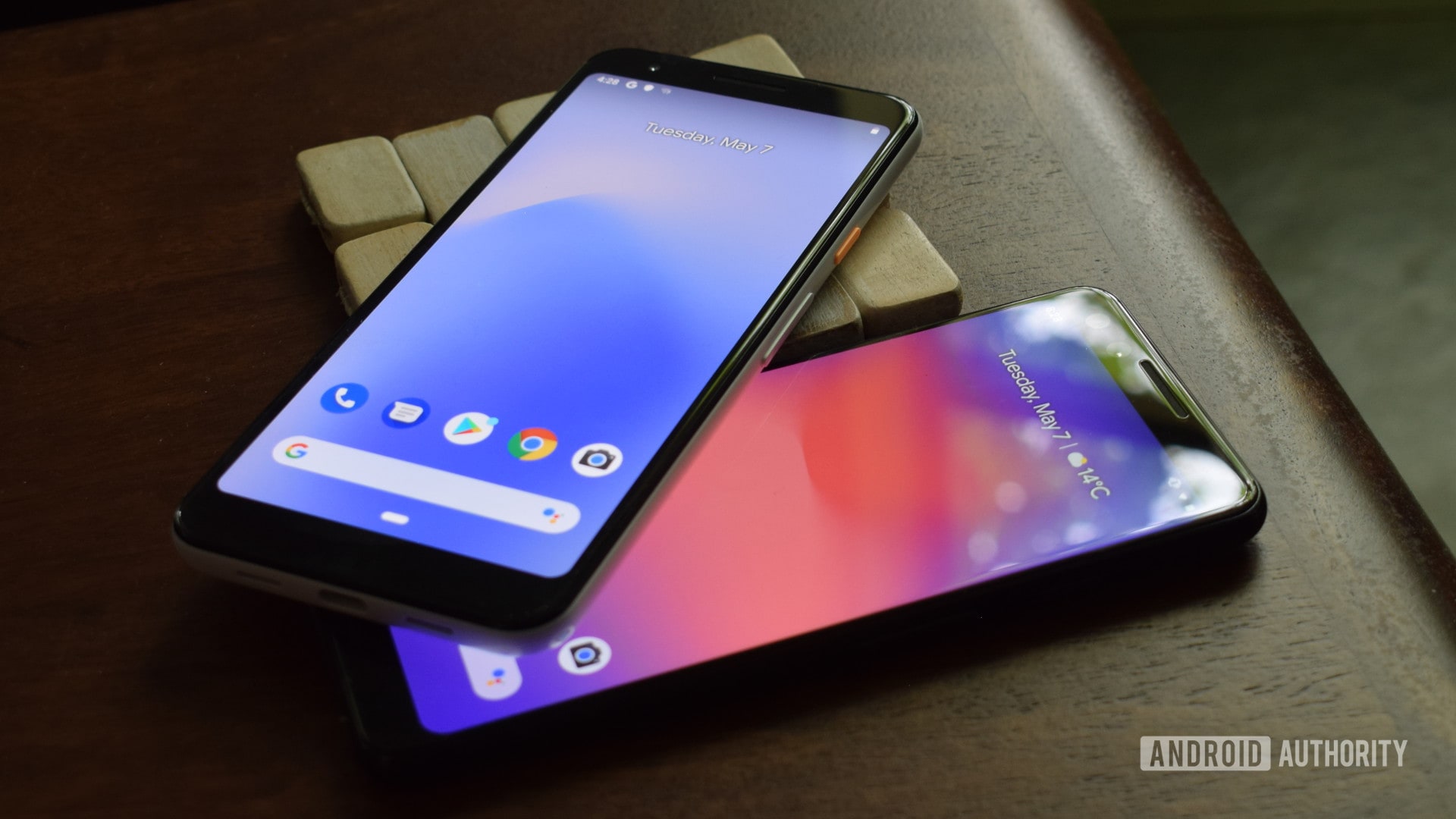
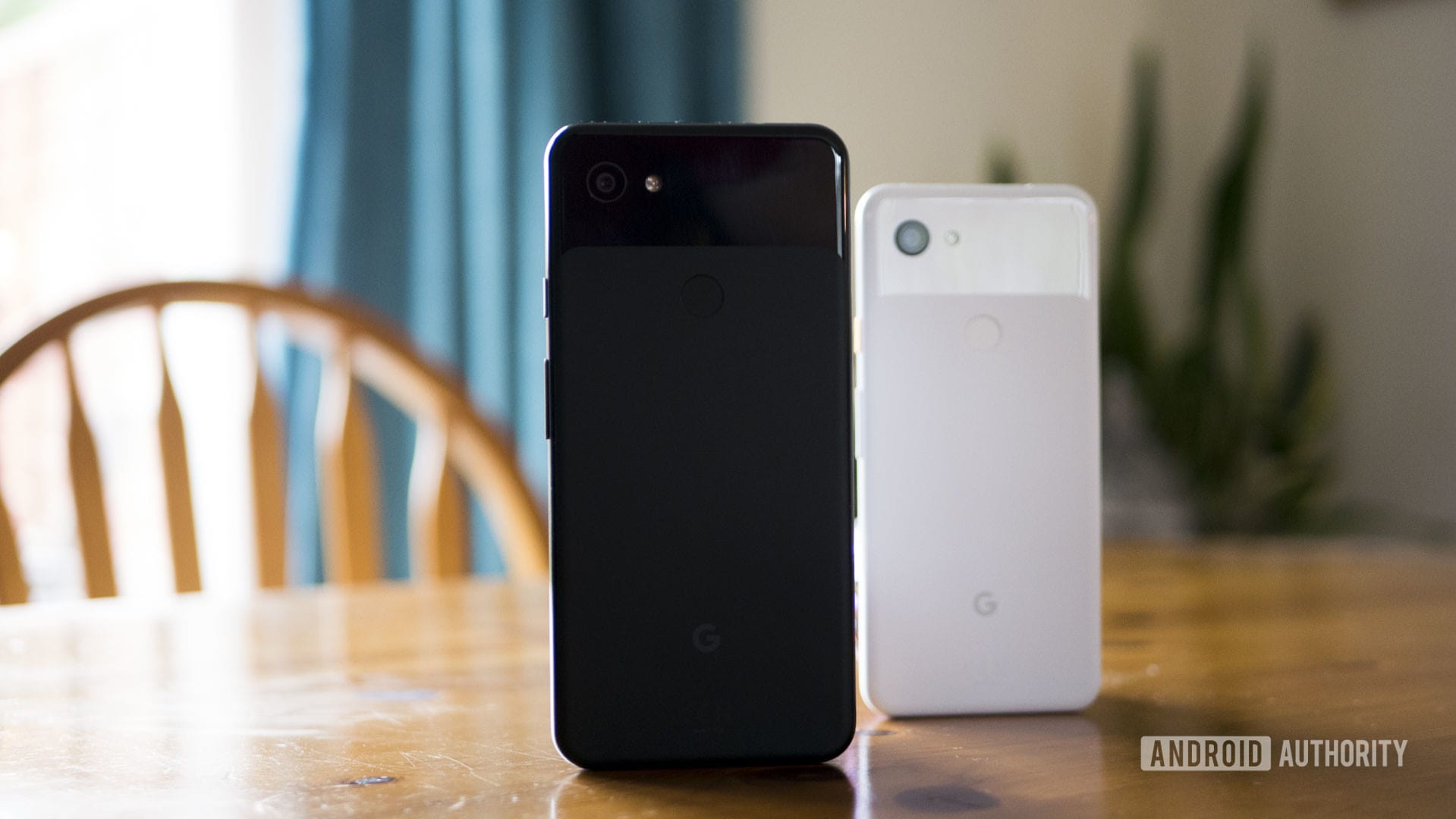
The Google Pixel 3 and the Pixel 3a represent two distinct philosophies in smartphone design: the former as a premium flagship device and the latter as an accessible mid-range alternative. In 2026, both devices serve primarily as vintage hardware or secondary legacy tools, with the core difference being the Pixel 3's premium build and wireless charging capabilities versus the 3a's plastic construction and inclusion of a traditional 3.5mm headphone jack.
Historical Context and Market Positioning
When Google introduced the Pixel 3 in late 2018, it was designed to compete directly with high-end devices from Apple and Samsung. It featured a glass-and-metal sandwich design, wireless charging, and the flagship Snapdragon 845 processor. It was positioned as the pinnacle of Google’s computational photography and AI-driven software experience.
The Pixel 3a, released in mid-2019, was a strategic pivot. Google identified a market segment that valued the renowned Pixel camera processing and clean software interface but was deterred by the high price point of the flagship models. By utilizing a polycarbonate unibody, a mid-range Snapdragon 670 processor, and removing secondary features like water resistance and wireless charging, Google created a "lite" version that retained the primary camera sensor of its more expensive sibling.
Design, Build Quality, and Durability
The most immediate difference when holding these two devices is the material composition. The Pixel 3 features a premium combination of Gorilla Glass 5 on both the front and back, separated by an aluminum frame. This gives the device a weighted, solid feel in the hand, but it also makes it highly susceptible to shattering if dropped.
Conversely, the Pixel 3a is constructed entirely from polycarbonate. While some might label this "plastic," it is significantly more durable when impacted. A drop on a sidewalk is more likely to result in a scuff on a 3a rather than the catastrophic cracking associated with the glass-backed Pixel 3. However, the Pixel 3 carries an IP68 rating for water and dust resistance, meaning it can survive submersion. The Pixel 3a lacks an official IP rating, offering only a basic level of water-repellent coating. For users in 2026, the absence of a glass back on the 3a often results in a better preserved secondary device, as modern batteries may have swollen over time, putting internal pressure on glass panels in the original flagship.
Display Technology and Visual Experience
Both phones utilize OLED technology, which provides the deep blacks and high contrast ratios that defined the "Pixel look." The Pixel 3 features a 5.5-inch flexible OLED panel, which is generally brighter and more color-accurate under laboratory conditions. The Pixel 3a uses a 5.6-inch "gOLED" (a more cost-effective rigid OLED panel).
In daily use, the differences are minimal. Both screens provide excellent visibility for text and media, though the Pixel 3 supports HDR content more effectively. One significant difference is the aesthetic of the front glass: the Pixel 3 utilizes a high-end curved glass finish, while the 3a uses flat glass, which makes applying third-party screen protectors significantly easier and more effective.
Processor Performance and Longevity
In 2026, the performance gap between the Snapdragon 845 (Pixel 3) and the Snapdragon 670 (Pixel 3a) is less about raw speed and more about thermal management and background task handling. The Pixel 3’s flagship chip offers better graphical performance for legacy games, but it also runs hotter.
The Pixel 3a’s chip is remarkably efficient, often resulting in a device that feels less taxed during simple tasks like browsing or messaging. However, because both devices stopped receiving official Android OS updates years ago, their performance is now strictly dictated by the bloat of modern third-party applications. Apps designed for 2026 hardware may struggle with the limited RAM (4GB) present in both models.
Camera Comparison: Computational Parity
The primary reason to consider either device today is the camera. Both phones utilize the same 12.2-megapixel rear sensor and, crucially, both benefit from Google's proprietary HDR+ processing. This allows both the Pixel 3 and 3a to capture images that often outperform mid-range phones released years later.
| Feature | Google Pixel 3 | Google Pixel 3a |
|---|---|---|
| Rear Camera | 12.2 MP, f/1.8 | 12.2 MP, f/1.8 |
| Front Camera | Dual (Wide/Standard) | Single (Standard) |
| Wireless Charging | Yes (Qi) | No |
| Headphone Jack | No | Yes |
| Build Material | Glass/Aluminum | Polycarbonate |
| IP Rating | IP68 | No official rating |
The Pixel 3 holds a slight advantage in versatility due to its dual-front camera system, which includes a wide-angle lens for group selfies—a feature notably absent from the 3a. For rear photography, the experience is functionally identical.
Practical Considerations for 2026 Users
If you are looking at these devices today, your choice should depend on your specific use case. The Pixel 3 is the "enthusiast" choice, offering premium build quality, wireless charging, and better water resistance. However, it is harder to repair; the glass back is difficult to remove without damaging the wireless charging coil.
The Pixel 3a is the "pragmatic" choice. The inclusion of the 3.5mm headphone jack is a major advantage for those who prefer wired audio without needing dongles. Furthermore, the plastic body is easier to open for battery replacements, which is a mandatory task for any device of this vintage.
Common Challenges and Troubleshooting
Given their age, the primary challenge for both devices is battery health. Lithium-ion batteries degrade chemically over time. If you acquire a used unit, expect the original battery to offer roughly 60-70% of its original capacity. Replacing these batteries is highly recommended.
Software support is another critical factor. Because neither device receives security patches, they are vulnerable to modern exploits. If you intend to use either as a daily driver, you must be aware that you are doing so on legacy software. Advanced users may mitigate this by installing custom ROMs (like LineageOS), which can provide updated Android versions and security patches, effectively extending the lifespan of the hardware well beyond its intended expiration.
Frequently Asked Questions
Is the Pixel 3a camera better than the Pixel 3 camera?
No, the image quality is virtually identical. They share the same primary sensor and Google’s post-processing algorithms. The Pixel 3 has a more advanced front-facing camera system, but the rear results are indistinguishable in most lighting conditions.
Can I still find battery replacements for these phones?
Yes. Because the Pixel 3a and Pixel 3 were popular devices, high-quality aftermarket batteries are still widely available. The 3a is notably easier to service because the display assembly is less fragile to remove than the Pixel 3’s glass back.
Do these phones still support modern banking apps?
As of 2026, most banking apps require a minimum level of security patches or OS versions. These devices will struggle to pass SafetyNet or Google Play Integrity checks on stock software. You would likely need to root the device or use a custom ROM to maintain compatibility with secure applications.
Which phone is better for a music lover?
The Pixel 3a is objectively better for music lovers due to the inclusion of the 3.5mm headphone jack. The Pixel 3 requires a USB-C to 3.5mm adapter, which is prone to failure and prevents you from charging the phone while listening to wired audio.
Does wireless charging matter for legacy devices?
Wireless charging is convenient, but it generates heat, which accelerates battery degradation. On an older device like the Pixel 3, you may find that wired charging is not only faster but safer for the overall longevity of the aging battery.
Recommendation
For most users in 2026, the Google Pixel 3a is the superior choice for a secondary device. Its inclusion of a headphone jack, ease of physical repair, and durable plastic exterior make it a more resilient tool for basic tasks, secondary media consumption, or offline utility. The Pixel 3 remains a more "premium" collector's item, but the fragility of its glass body and the difficulty of internal repairs make it a less practical investment for daily use.