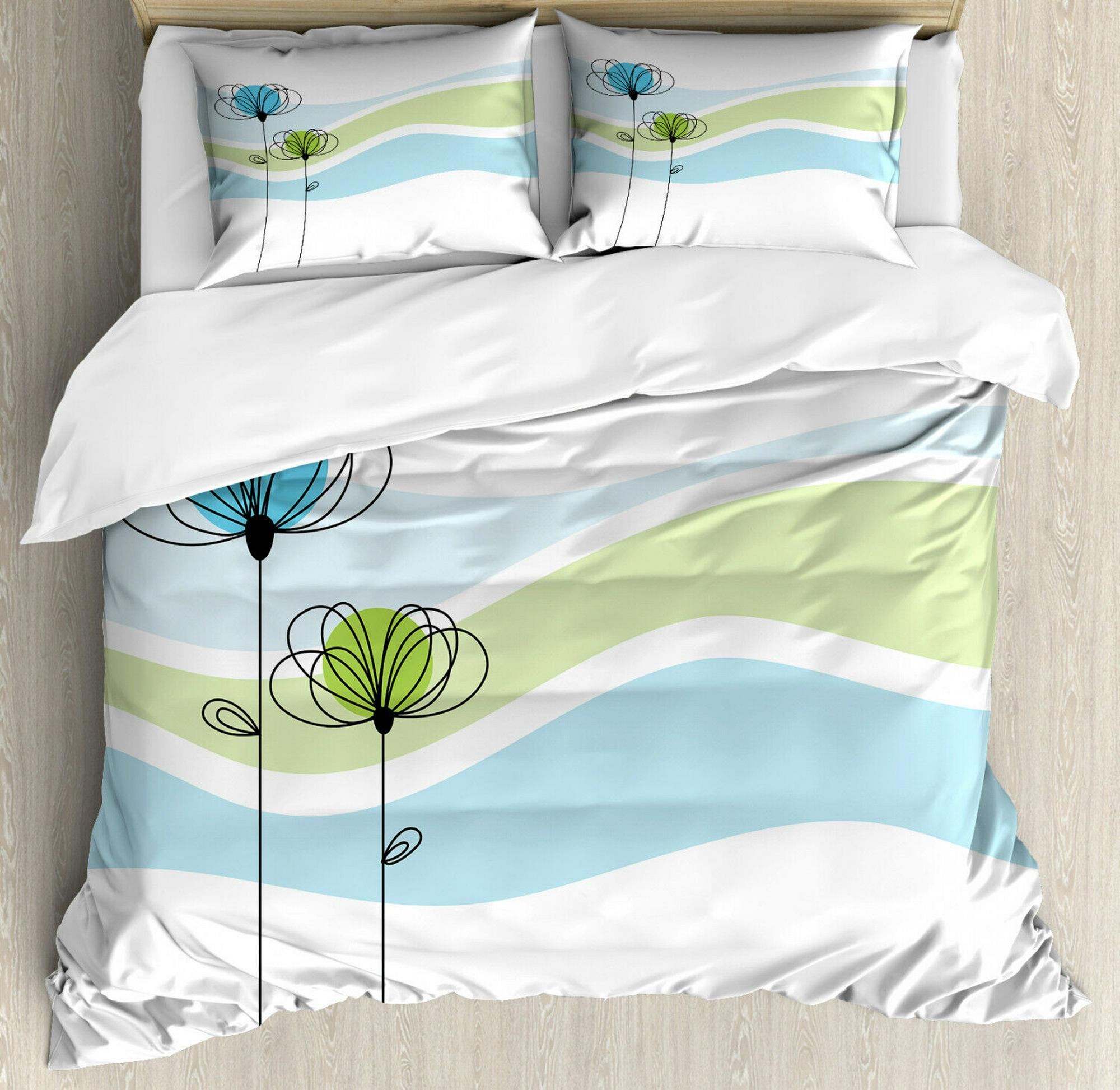
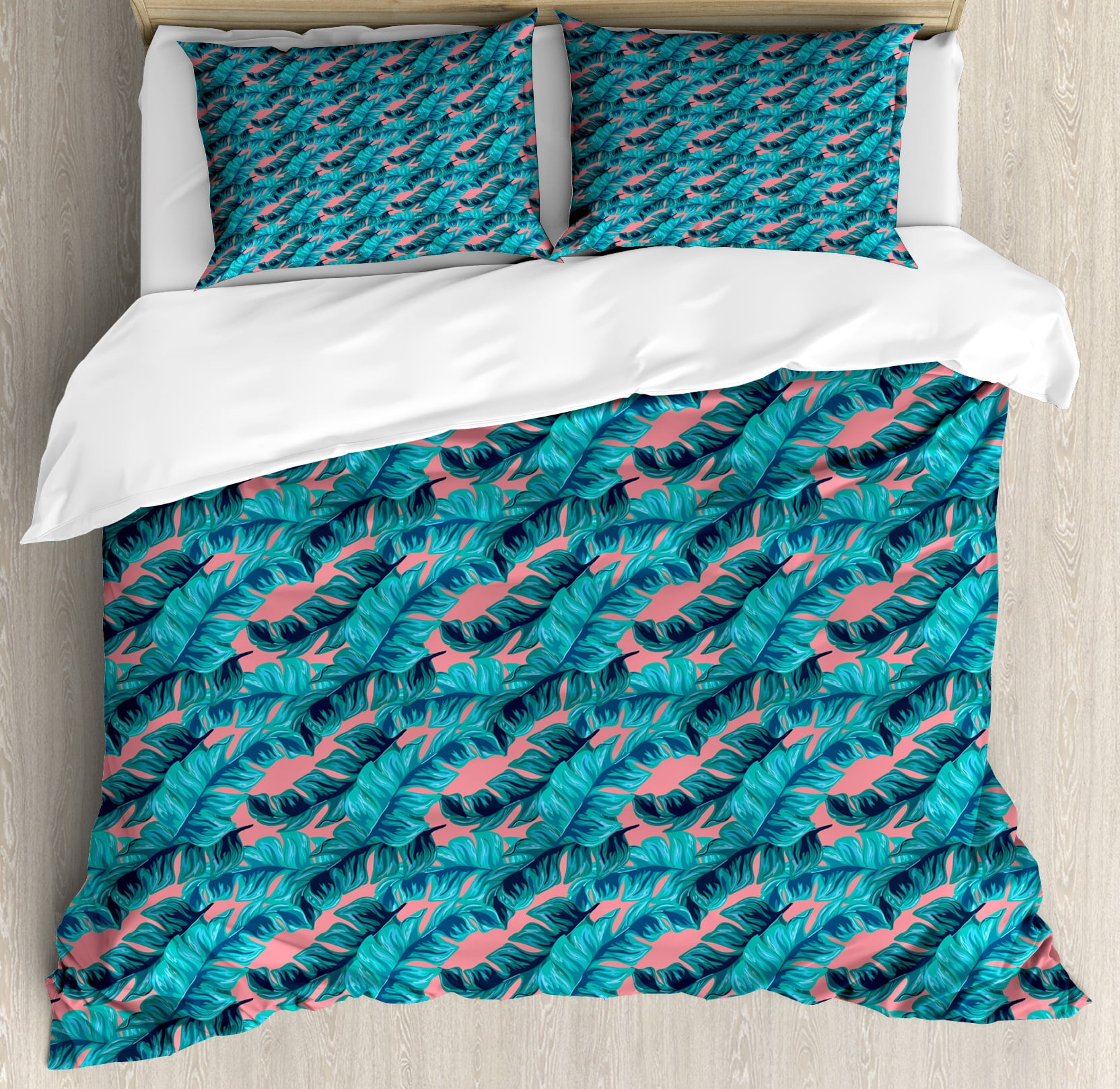
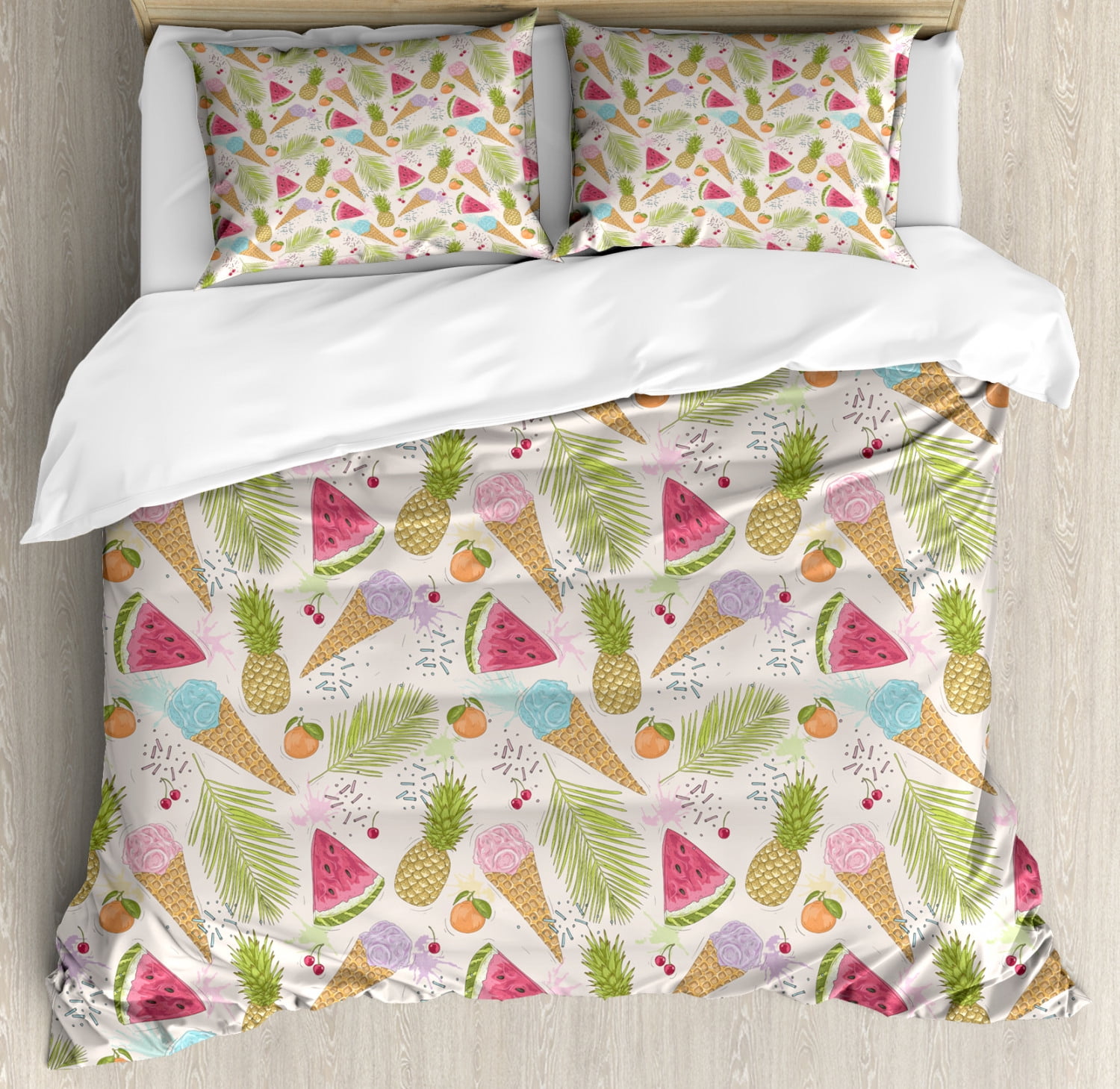
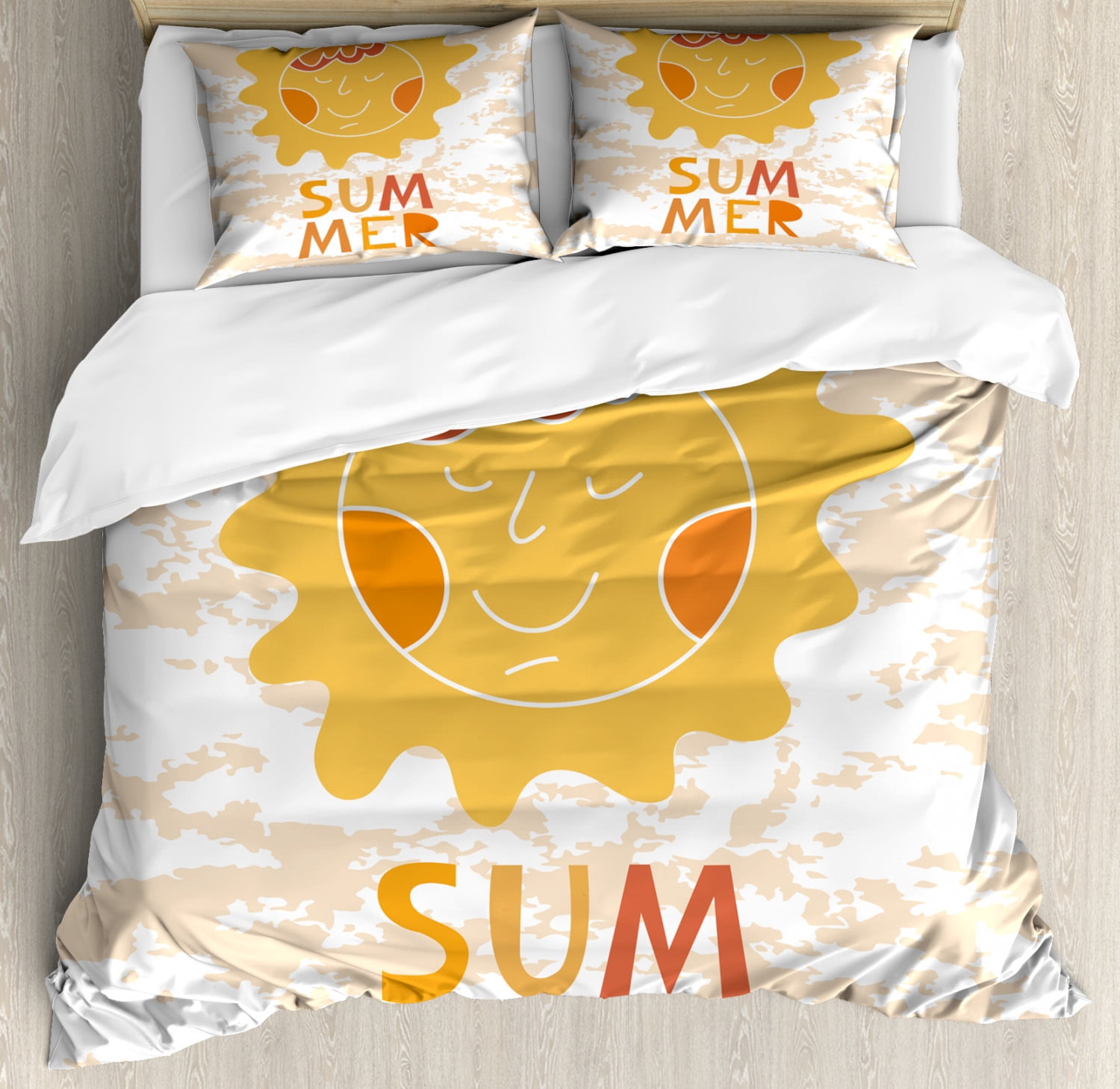
Selecting the absolute best summer duvet cover transforms a hot, restless night into cool, breathable comfort by pairing moisture-wicking fabrics with lightweight weaves that prevent overheating while maintaining a cozy bed aesthetic.
When warm weather arrives, heavy cottons, polyester blends, and winter-weight flannels trap body heat and humidity, disrupting natural sleep cycles. Finding the right duvet cover for summer requires balancing airflow, moisture management, tactile softness, and easy maintenance. Among the myriad materials available on the market, linen and high-grade percale cotton consistently emerge as the top choices for hot sleepers. This guide explores the single best category of summer duvet cover options, evaluates leading material specifications, compares weave types, and provides practical guidance to help you curate the ultimate cool-weather bedding setup.
Understanding the Summer Sleep Challenge: Why Standard Bedding Fails
Traditional bedding components are frequently engineered for thermal retention. Winter duvets and heavy decorative covers use dense weaves, synthetic fibers like standard polyester, or heavy-weight flannel that insulate the body. When ambient temperatures rise and humidity spikes, the human body naturally releases moisture. If a duvet cover lacks breathability, that moisture becomes trapped against the skin, creating a humid microclimate that triggers night sweats and frequent waking.
To solve this, a dedicated summer duvet cover must facilitate thermoregulation. Thermoregulation is the body's ability to maintain its core temperature, which drops slightly during sleep. Breathable textiles allow excess body heat to dissipate into the surrounding air while permitting accumulated perspiration to evaporate quickly. Synthetic materials tend to act as thermal barriers, whereas natural and specialized plant-based fibers offer superior hygroscopic properties—meaning they absorb and release moisture efficiently.
Furthermore, physical weight plays a psychological and physiological role in sleep comfort. Many sleepers crave the gentle, grounding pressure of a covered duvet even in July or August. A high-performing summer duvet cover provides that familiar, comforting weightless or featherlight drape without the accompanying thermal load, bridging the gap between cozy aesthetics and cool practicality.
The Contenders: Comparing Summer Duvet Cover Materials
Evaluating the best summer duvet cover options requires examining the raw materials that dictate performance. Different textiles possess distinct structural properties, durability metrics, and washing behaviors. The table below compares the primary contenders for warm-weather bedding.
| Material | Breathability | Moisture Wicking | Durability | Maintenance | Best Suited For |
|---|---|---|---|---|---|
| French or Belgian Flax Linen | Exceptional | High | High (Improves with age) | Machine wash, tumble dry low | Hot sleepers, lovers of relaxed textures |
| Long-Staple Cotton Percale | High | Moderate-High | High | Machine wash, regular dry | Crisp sheet feel, classic styling |
| Bamboo Lyocell / Viscose | High | Exceptional | Moderate | Gentle cycle, line dry or low heat | Extreme night sweaters, silky feel |
| Tencel Modal | High | High | High | Machine wash, low heat | Eco-conscious buyers, soft drape |
Flax Linen: The Undisputed King of Warm Weather
For most hot sleepers seeking the definitive best summer duvet cover, linen made from European flax stands out as the premier choice. Linen fibers are hollow and structurally larger than cotton fibers, which naturally promotes continuous airflow through the fabric.
One of linen's most celebrated characteristics is its moisture-absorbency. It can absorb up to 20% of its weight in moisture before feeling damp to the touch, and it releases that moisture rapidly into the air. This rapid evaporation creates a natural cooling sensation. While new linen can feel slightly crisp, high-quality flax softening treatments ensure a buttery hand-feel that grows softer with every single wash. Its naturally textured, rumpled appearance also means it requires zero ironing, making it as low-maintenance as it is functional.
Cotton Percale: The Crisp, Classic Alternative
If you prefer a smooth, hotel-quality finish rather than the relaxed texture of linen, cotton percale is the optimal alternative. Percale is not a material itself, but a tight, flat weave method using one-over-one-under interlacing.
This grid-like construction creates a matte finish with incredible porosity. Air passes freely through the microscopic gaps between threads. To ensure longevity and prevent pilling, look for duvet covers specified as long-staple or extra-long-staple (ELS) cotton—such as Pima or Egyptian cotton. Long-staple fibers allow for smoother, stronger yarns that resist fraying while maintaining a lightweight, crisp hand-feel that never clings to the skin.
Bamboo Lyocell and Tencel: Modern Sustainable Innovations
Derived from sustainably harvested bamboo or wood pulp, lyocell and modal fabrics produced via closed-loop manufacturing systems have revolutionized modern bedding.
Bamboo lyocell possesses microscopic gaps within its fibers that offer superior ventilation and moisture-wicking capabilities, often outperforming untreated cotton. It feels cool to the touch instantly upon contact—a property highly valued by chronic night sweaters. Tencel modal offers similar silk-like draping characteristics with enhanced tensile strength. However, these slippery, silky fabrics require gentler washing protocols to prevent seam stress over years of heavy use.
Essential Construction Features of a Quality Summer Duvet Cover
Choosing the right fabric is only half the battle. A poorly constructed duvet cover will bunch up, slip off the insert, or frustrate you during laundry day. When evaluating your options, examine the structural details that guarantee usability.
Corner Ties and Secure Fastenings
A summer duvet insert is often significantly lighter and thinner than a winter down comforter. Without proper internal anchoring, a lightweight insert will shift, slide down, and clump at the bottom of the cover.
- Internal Corner Ties: The gold standard features reinforced fabric ribbons sewn into all four interior corners (and sometimes mid-points along the sides). These tie securely around corresponding loops on your duvet insert.
- Hidden Closures: Button closures, zipper tracks, or snap enclosures keep the insert securely inside. Zippers offer a clean, seamless look, while high-quality coconut shell or corozo buttons provide durability and classic tailoring.
Weave Density and Thread Count Realities
Marketing claims often weaponize extremely high thread counts (e.g., 800 to 1,200 counts) as proof of superior luxury. For summer bedding, high thread counts are actually a disadvantage.
When manufacturers pack hundreds of threads into a square inch, they close the microscopic gaps necessary for airflow, effectively transforming a breathable fabric into an insulating trap. For summer percale or cotton covers, a thread count between 200 and 350 is the sweet spot, providing optimal structural durability without sacrificing ventilation.
How to Style and Maintain Your Summer Bedding Setup
Maximizing the cooling potential of your new duvet cover involves thoughtful layering and proper care routines that preserve textile integrity.
Strategic Layering for Changing Temperatures
Even in mid-summer, indoor air conditioning or sudden nighttime temperature drops can cause chilliness. Instead of adding a heavy winter blanket, adopt a modular layering strategy:
- Base Layer: Use breathable percale or linen sheets.
- Core Layer: Your summer-weight duvet insert housed inside your chosen breathable cover.
- Accent Layer: Fold a lightweight waffle-weave cotton blanket or quilt at the foot of the bed. It acts as a decorative accent during the day and provides an easily accessible, breathable layer if you need extra warmth at 3:00 AM.
Care and Laundering Guidelines
Natural fibers used for summer bedding require mindful laundering to prevent premature wear:
- Water Temperature: Wash in cool or lukewarm water (maximum 30°C to 40°C). High heat can break down natural fibers and weaken linen structural integrity.
- Detergents: Avoid harsh chemical bleaches or optical brighteners that coat natural fibers and reduce breathability. Use gentle, pH-neutral liquid detergents.
- Drying: Whenever possible, line dry linen and cotton percale in shaded fresh air; outdoor drying naturally freshens textiles and prevents mechanical shrinkage. If using a machine dryer, tumble dry on low heat and remove the cover slightly damp to minimize wrinkles and protect fabric elasticity.
Frequently Asked Questions
What is the coolest fabric for a summer duvet cover?
French or Belgian flax linen and bamboo lyocell are widely considered the coolest fabrics. Linen excels at continuous airflow and moisture evaporation, while bamboo lyocell offers an immediate cooling-to-the-touch sensation due to its high thermal conductivity.
Can I use my winter duvet insert inside a summer duvet cover?
You can, but it may defeat the purpose of a summer setup if the insert is heavily filled with thick down or dense synthetic batting. For true hot-weather comfort, pair your summer duvet cover with a lightweight summer-weight down alternative, silk fill, or ultra-thin baffle-box down insert.
Do linen duvet covers require ironing?
No. The inherent charm of high-end linen lies in its relaxed, organic texture. Ironing linen defeats its casual aesthetic; simply shaking it out when slightly damp and pulling it taut on the bed creates a clean, sophisticated, lived-in look.
How often should I wash a summer duvet cover?
Because summer nights involve higher perspiration levels, wash your summer duvet cover every one to two weeks. Frequent washing actually softens quality linen and cotton percale faster, keeping your sleep environment hygienic and fresh.
Are higher thread counts better for summer duvet covers?
No. High thread counts (above 400) indicate tightly packed weaves that trap body heat. For summer, look for percale weaves between 200 and 350 thread counts or relaxed linen weaves that prioritize airflow over dense thread packing.
Conclusion and Next Action
Achieving uninterrupted, cool sleep during warm months relies on prioritizing breathability, moisture management, and thoughtful textile selection. Skip heavy synthetic blends and ultra-high thread count sateen weaves in favor of pure European flax linen or crisp cotton percale. Inspect potential options for secure internal corner ties and durable closures to ensure effortless daily maintenance.
Your immediate next step is to evaluate your current sleep environment: assess whether your nightly discomfort stems from trapped humidity or heavy fabric weight, check your insert's fastening loops, and select a high-flow natural fiber cover tailored to your tactile preferences.