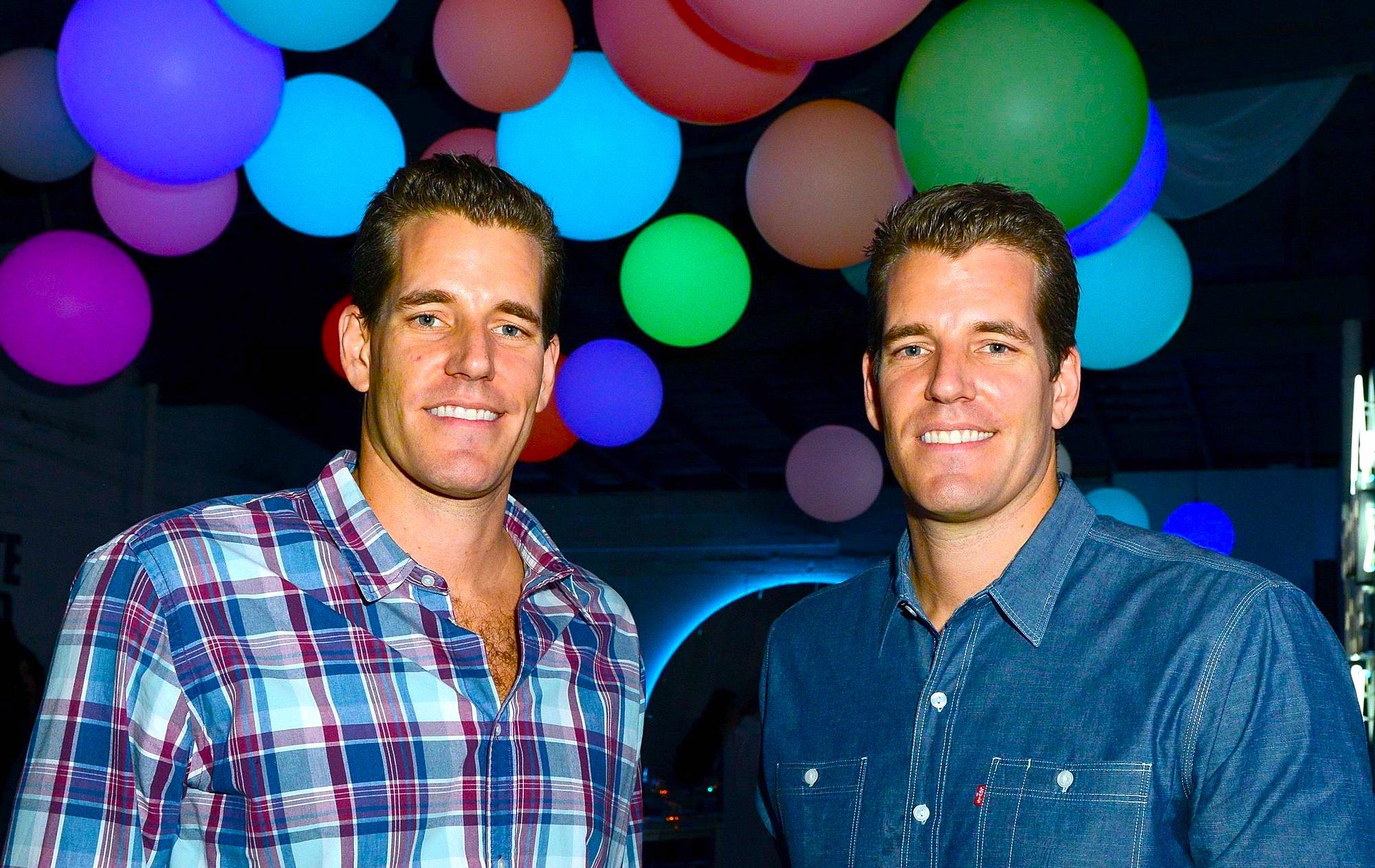
As of 2024 and continuing into 2026, Cameron and Tyler Winklevoss remain deeply influential figures in the global technology landscape. Their influence has transitioned from being the "Facebook co-founders" to becoming institutional gatekeepers of the cryptocurrency industry through their exchange, Gemini, and their extensive venture capital portfolio under Winklevoss Capital.
While the twins are no longer at the center of the social media discourse that defined their early careers, their impact on the "Internet of Value" is undeniable. They have moved from being Silicon Valley outsiders to becoming central architects of the regulated digital asset economy. Their influence in 2026 is measured not by user likes, but by the billions of dollars in institutional capital they help manage and the regulatory precedents they have helped set.
The Evolution of Influence: From Harvard to Bitcoin
To understand the influence of the Winklevoss twins in 2026, one must look at the trajectory of their careers, which has been defined by a move from centralized platforms to decentralized protocols. Their early involvement with ConnectU and the subsequent legal battle over the origins of Facebook provided the capital—approximately $65 million in settlement funds—that they famously pivoted into Bitcoin when the cryptocurrency was trading in the double digits.
By 2013, the twins reportedly owned nearly 1% of all Bitcoin in circulation. In 2026, this investment is viewed as one of the most successful "contrarian" bets in financial history. This early adoption gave them the "first-mover" credibility required to influence both the tech community and Wall Street. Unlike many tech founders who stay within the confines of software as a service (SaaS), the Winklevosses focused on the intersection of computer science and monetary theory.
The Philosophy of "Ask for Permission"
While other crypto pioneers adopted the "move fast and break things" mantra of early Silicon Valley, the Winklevoss twins took a radically different path. They chose a "compliance-first" approach. This decision initially made them outliers in the anarchic early days of crypto, but by 2026, this strategy has proven to be their greatest source of influence. As global regulators from the SEC to the NYDFS cracked down on offshore, unregulated exchanges, the Winklevosses’ insistence on working within the legal framework allowed them to survive while many of their competitors faced terminal legal challenges.
Gemini Trust Company: An Institutional Pillar in 2026
The primary vehicle for the twins' influence today is Gemini Trust Company, LLC. Founded in 2014, Gemini has matured into one of the world’s most trusted venues for digital asset custody and trading. In 2026, its influence is felt most strongly in the institutional sector.
Institutional Custody and the ETF Era
The approval and subsequent explosion of Bitcoin and Ethereum ETFs in 2024 and 2025 fundamentally changed the twins' role. Gemini serves as a sub-custodian for several major financial products, meaning that a significant portion of the world's institutional crypto holdings is secured by their infrastructure. Their influence here is technical and systemic; if Gemini's security protocols become the industry standard, the twins effectively dictate the safety parameters of the entire asset class.
Regulatory Resilience and Recovery
The twins' influence faced its sternest test during the "Crypto Winter" of 2022-2023, specifically regarding the Gemini Earn program and the collapse of Genesis Global Capital. However, by 2026, the resolution of these issues—including the successful return of billions of dollars to Earn users—has rehabilitated their reputation. Their ability to navigate a massive financial crisis and come out the other side with their exchange intact has solidified their status as resilient, long-term players rather than fly-by-night speculators.
Winklevoss Capital: Seeding the Next Tech Wave
Beyond cryptocurrency, Cameron and Tyler exercise influence through Winklevoss Capital. Their portfolio is a "who’s who" of disruptive technology, spanning far beyond the blockchain. In 2026, several of their early-stage bets have matured into mid-to-late-stage companies that are reshaping various industries.
Their investment strategy typically focuses on:
- Infrastructure for Decentralization: Beyond Bitcoin, they have funded protocols that aim to decentralize the storage of data and the execution of smart contracts.
- Fintech Innovation: Investing in companies that bridge the gap between traditional banking and automated finance.
- Deep Tech and AI: While crypto is their hallmark, they have increasingly moved into artificial intelligence and hardware, recognizing that the "Internet of Value" requires robust physical and cognitive infrastructure.
By providing "smart money" to startups, the twins influence the direction of technological development. When the Winklevosses invest, it often signals to other VC firms that a sector is ready for institutional participation.
Comparing Influencers in the Digital Asset Space
In 2026, the twins are part of a small group of individuals who bridge the gap between the original "cypherpunk" ethos and the modern "c-suite" reality.
| Entity | Primary Area of Influence | Regulatory Stance | Tech Legacy |
|---|---|---|---|
| Winklevoss Twins | Gemini / Bitcoin Whales | Pro-Regulation/Trust-Based | Institutional Crypto Adoption |
| Brian Armstrong | Coinbase | Aggressive Legal Defense | Retail Crypto Accessibility |
| Michael Saylor | MicroStrategy | Corporate Treasury | Bitcoin as a Reserve Asset |
| Vitalik Buterin | Ethereum Foundation | Open Source/Social Impact | Smart Contract Innovation |
This table illustrates that while other figures may have more "active" users or more public-facing personas, the Winklevoss twins occupy the "Trust" quadrant. Their influence is built on the premise that for tech to truly change the world, it must be stable, legal, and accessible to the largest pools of capital.
The Cultural Impact: From Cinema to Crypto-Politics
The twins’ influence also extends into the cultural and political spheres. Having been portrayed in the Academy Award-winning film The Social Network, they possess a level of name recognition that few tech founders can match. In 2026, they use this platform to advocate for "Financial Sovereignty."
Political Lobbying and Policy
Through their involvement with various blockchain advocacy groups and their own public statements, the twins have become major players in Washington D.C. They have been vocal proponents of clear "rules of the road" for tech, arguing that the United States risks losing its lead in innovation if it does not provide a clear legal framework for digital assets. In 2026, their campaign contributions and public testimony are key drivers in the ongoing effort to pass comprehensive crypto legislation.
The "Gemini Space" and Education
The twins have invested heavily in educational content, aiming to demystify complex tech for the average person. Their "Gemini" brand is often cited as the most "user-friendly" for those entering the space, influencing how tech products are designed for mass adoption rather than just for power users.
Challenges to Their Influence in 2026
No analysis of influence is complete without acknowledging the headwinds. In 2026, the twins face several challenges that could dilute their impact:
- De-personification of Crypto: As Bitcoin and Ethereum become "boring" institutional assets, the need for charismatic "founding fathers" like the Winklevosses may diminish. The protocol becomes the star, not the person holding it.
- Competition from Legacy Banks: Now that JPMorgan and Goldman Sachs have fully integrated digital assets, Gemini must compete with the massive balance sheets and centuries-old reputations of traditional finance.
- Technological Obsolescence: If the world moves away from the specific blockchain models that Gemini supports, the twins' influence could wane unless they successfully pivot—again.
Technical Specifications of Their Impact
The twins' influence isn't just about "vibes"; it's about the technical standards they’ve helped pioneer. Gemini’s security architecture, which involves geographically distributed multisig (multiple signature) cold storage, has become the blueprint for how digital assets are secured at scale.
Furthermore, their work on the "Gemini Dollar" (GUSD), a regulated stablecoin, provided a template for how private companies can issue digital representations of the U.S. dollar under strict oversight. This has influenced the ongoing global conversation regarding Central Bank Digital Currencies (CBDCs).
Troubleshooting Common Misconceptions
When discussing the Winklevoss twins in 2026, several myths often cloud the analysis of their actual influence:
- "They are just Bitcoin holders": While their wealth is tied to BTC, their influence comes from the infrastructure (Gemini) and the capital (Winklevoss Capital) they deploy. Holding an asset is passive; building a regulated exchange is active influence.
- "They are still fighting with Mark Zuckerberg": This narrative is largely dead in 2026. The twins have moved so far beyond the social media space that their professional overlap with Meta is negligible.
- "Gemini is only for Americans": Through their expansion into the UK, Europe, and Asia, the twins have exported their "compliance-first" model globally, influencing international regulatory standards.
Frequently Asked Questions
What is the estimated net worth of the Winklevoss twins in 2026?
While exact figures are private, their net worth is largely tied to the price of Bitcoin and the valuation of Gemini. Given the market trends leading into 2026, they remain multi-billionaires. However, their "influence" is often considered greater than their net worth because of the institutional assets they custody, which far exceed their personal holdings.
Do the twins still manage the day-to-day operations of Gemini?
Yes, Cameron and Tyler remain active as President and CEO respectively. Unlike many founders who exit after an IPO or a major growth phase, the twins have maintained a hands-on approach, particularly in high-level regulatory negotiations and strategic partnerships.
How did the Gemini Earn crisis affect their influence?
The crisis was a significant hurdle. However, the 2024 settlements and the full repayment of users demonstrated a commitment to their "Trust" brand. In 2026, this is largely viewed as a successful "stress test" that proved the twins would prioritize their customers over their own short-term profits.
What is the most influential project the twins are working on now?
Beyond the exchange, their focus on "Web3" and decentralized identity is their most influential current project. They are advocating for a version of the internet where users own their data and their digital "self," a direct philosophical counterpoint to the centralized model they helped inadvertently spark at Harvard.
Are they still involved in competitive sports?
While they are no longer Olympic rowers, the "athlete mindset"—discipline, long-term training, and resilience—is a core part of their public brand and investment philosophy. They often use rowing analogies to describe their business strategy: "Steady-state" growth over "sprinting."
Summary of Current Standing
In 2026, the Winklevoss twins are more influential in the architecture of the new economy than they ever were in the interface of the old one. Their influence is defined by:
- Systemic Importance: Gemini is a "too big to fail" entity within the crypto ecosystem.
- Regulatory Leadership: They have set the standard for how tech companies interact with financial regulators.
- Capital Allocation: Through Winklevoss Capital, they continue to fund the next generation of tech disruptors.
For anyone looking to understand the future of finance, the twins remain essential figures to watch. Their journey from the courtroom to the boardroom has become a masterclass in how to use a legal setback as a springboard for global technological influence.
Practical Action: For those tracking tech influence, monitoring Gemini’s quarterly "State of Crypto" reports and the Winklevoss Capital portfolio updates provides the best insight into where these two brothers are steering the industry next.