A.T. Still University (ATSU) offers premier occupational therapy education through its Arizona School of Health Sciences (ASHS) in Mesa, Arizona. The university provides two primary pathways: an entry-level Doctorate of Occupational Therapy (OTD) for those starting their careers and an online Post-Professional Doctorate of Occupational Therapy (ppOTD) for practicing therapists. These programs emphasize a whole-person healthcare approach, interprofessional collaboration, and clinical excellence.
Occupational therapy is a critical pillar of the rehabilitation sciences, and A.T. Still University has long been recognized for its commitment to the osteopathic philosophy of treating the mind, body, and spirit. As we look at the landscape in 2026, the demand for highly skilled occupational therapists continues to grow, driven by an aging population and an increased focus on mental health and wellness.
ATSU’s programs are designed to meet this demand by producing practitioners who are not only technically proficient but also deeply empathetic and culturally competent. This overview provides an in-depth analysis of the program structures, admission requirements, curriculum depth, and the unique clinical opportunities available at ATSU.
The ATSU Philosophy: Whole-Person Healthcare in OT
A.T. Still University was founded as the world’s first institution of osteopathic medicine. While occupational therapy is a distinct discipline from osteopathy, the university’s foundational "whole-person" philosophy permeates the OT curriculum. This means students are taught to look beyond a specific injury or diagnosis to understand the patient’s environment, psychological state, and social support systems.
In the context of the 2026 healthcare environment, this holistic approach is more relevant than ever. Occupational therapists are increasingly involved in preventative care, community health, and chronic disease management. ATSU prepares its students to operate at the intersection of traditional rehabilitation and modern wellness, ensuring that "occupation"—the activities that give life meaning—remains at the center of every intervention.
Entry-Level Doctorate of Occupational Therapy (OTD)
The entry-level OTD at A.T. Still University is the flagship program for students seeking to become licensed occupational therapists. Unlike the older Master of Science (MSOT) models, the OTD provides an additional year of study focused on leadership, advanced clinical practice, and a specialized capstone project.
Program Structure and Duration
The OTD is a full-time, residential program based in Mesa, Arizona. It typically spans three years (nine consecutive semesters). The first two years are heavily focused on didactic learning—classroom instruction, laboratory work, and "Level I" fieldwork. The final year is dedicated to intensive "Level II" fieldwork and the Doctoral Capstone.
The Doctoral Capstone
The defining feature of the OTD compared to a Master's degree is the Capstone. At ATSU, this involves an indepth experience in a specific area, such as clinical practice skills, research, administration, leadership, program and policy development, advocacy, or education. Students work with faculty mentors to design a project that contributes original value to the field of occupational therapy.
Post-Professional Doctorate of Occupational Therapy (ppOTD)
For individuals who are already practicing occupational therapists with a Bachelor’s or Master’s degree, ATSU offers the Post-Professional OTD. This program is delivered primarily online, allowing working professionals to advance their credentials without relocating or pausing their careers.
Target Audience and Goals
The ppOTD is designed for therapists who want to transition into leadership roles, academia, or specialized clinical niches. In 2026, the credentialing landscape has shifted, making the doctorate a preferred qualification for many department head positions and clinical educator roles.
Curriculum Focus
The ppOTD curriculum at ATSU focuses on:
- Evidence-Based Practice: Teaching students how to critically appraise and apply the latest research to clinical settings.
- Health Policy and Advocacy: Preparing therapists to influence healthcare legislation and reimbursement models.
- Advanced Clinical Reasoning: Moving beyond entry-level skills into complex case management and systemic interventions.
Admission Requirements and Prerequisites
Gaining admission to ATSU’s OT programs is a competitive process. The university utilizes the Occupational Therapy Centralized Application Service (OTCAS) for its entry-level applications.
Academic Prerequisites
Applicants must complete a baccalaureate degree from a regionally accredited institution prior to matriculation. Essential prerequisite courses typically include:
- Human Anatomy and Physiology: (with labs, usually 8 credits).
- Abnormal Psychology: Focusing on psychiatric disorders and treatments.
- Developmental Psychology: Covering the lifespan from birth to death.
- Statistics: Basic biostatistics or behavioral science statistics.
- Medical Terminology: Essential for clinical communication.
- Sociology or Anthropology: To foster cultural awareness.
Minimum Standards for 2026
While requirements can fluctuate, the following are the general benchmarks for a successful application:
- GPA: A minimum cumulative GPA of 3.0 on a 4.0 scale is generally required, though the average for accepted students is often higher (3.4–3.6).
- Observation Hours: Applicants are encouraged (and often required) to complete at least 30–40 hours of observation under a licensed Occupational Therapist (OTR) across multiple settings.
- Letters of Recommendation: Usually three letters, including one from an OTR and one from a former professor.
- Personal Statement: An essay detailing the applicant's understanding of OT and their commitment to the ATSU mission.
Curriculum Breakdown and Clinical Fieldwork
The curriculum at ATSU is a blend of foundational science, occupational therapy theory, and hands-on clinical application.
Didactic Phase
During the first six semesters, students cover topics such as:
- Kinesiology and Biomechanics: Understanding the mechanics of human movement.
- Neuroscience: Exploring the brain-body connection in disability and recovery.
- OT Process: Learning the stages of evaluation, intervention, and outcome measurement.
- Pediatrics, Geriatrics, and Physical Rehabilitation: Specialized courses for different populations.
Fieldwork Experiences
Fieldwork is divided into two categories:
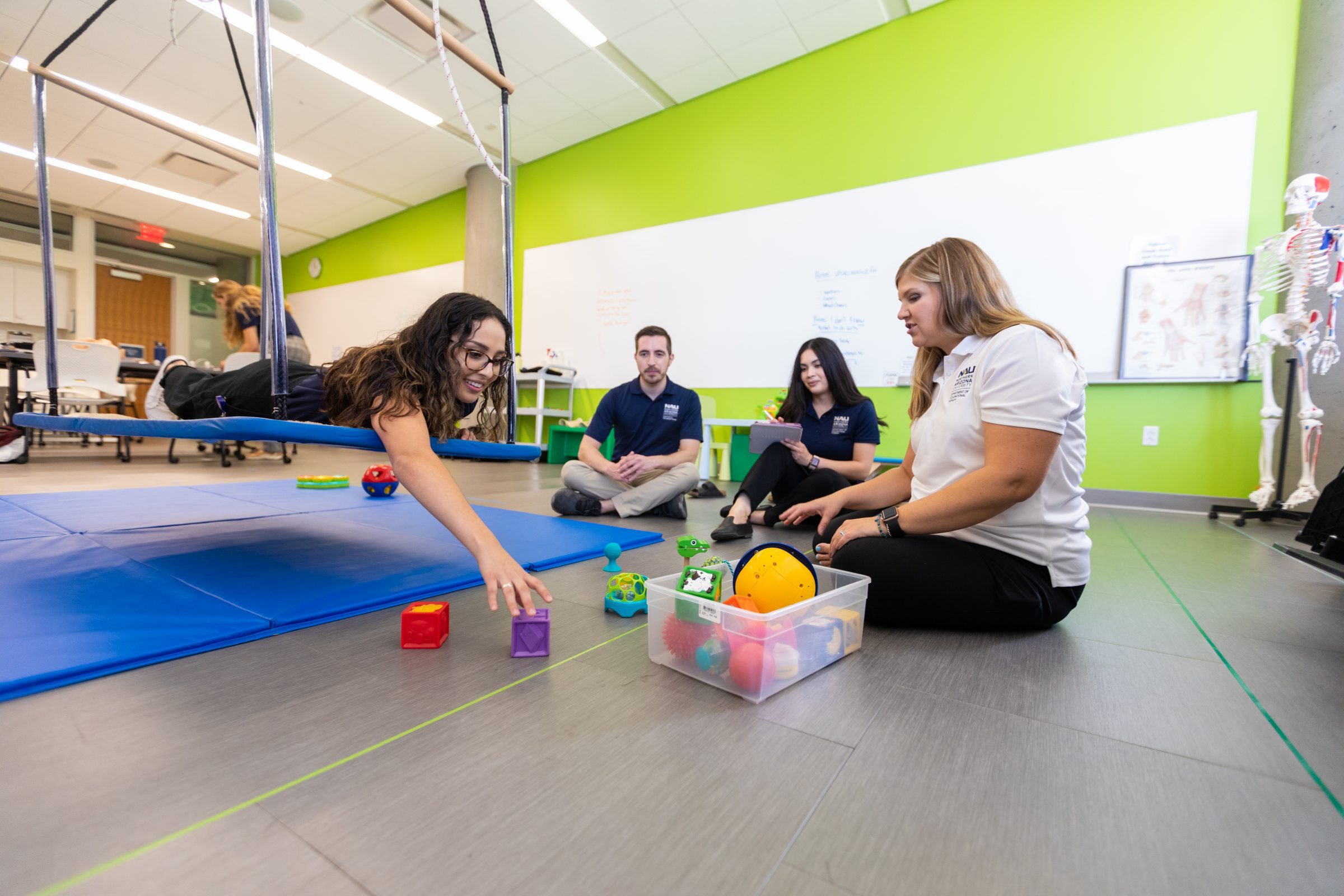
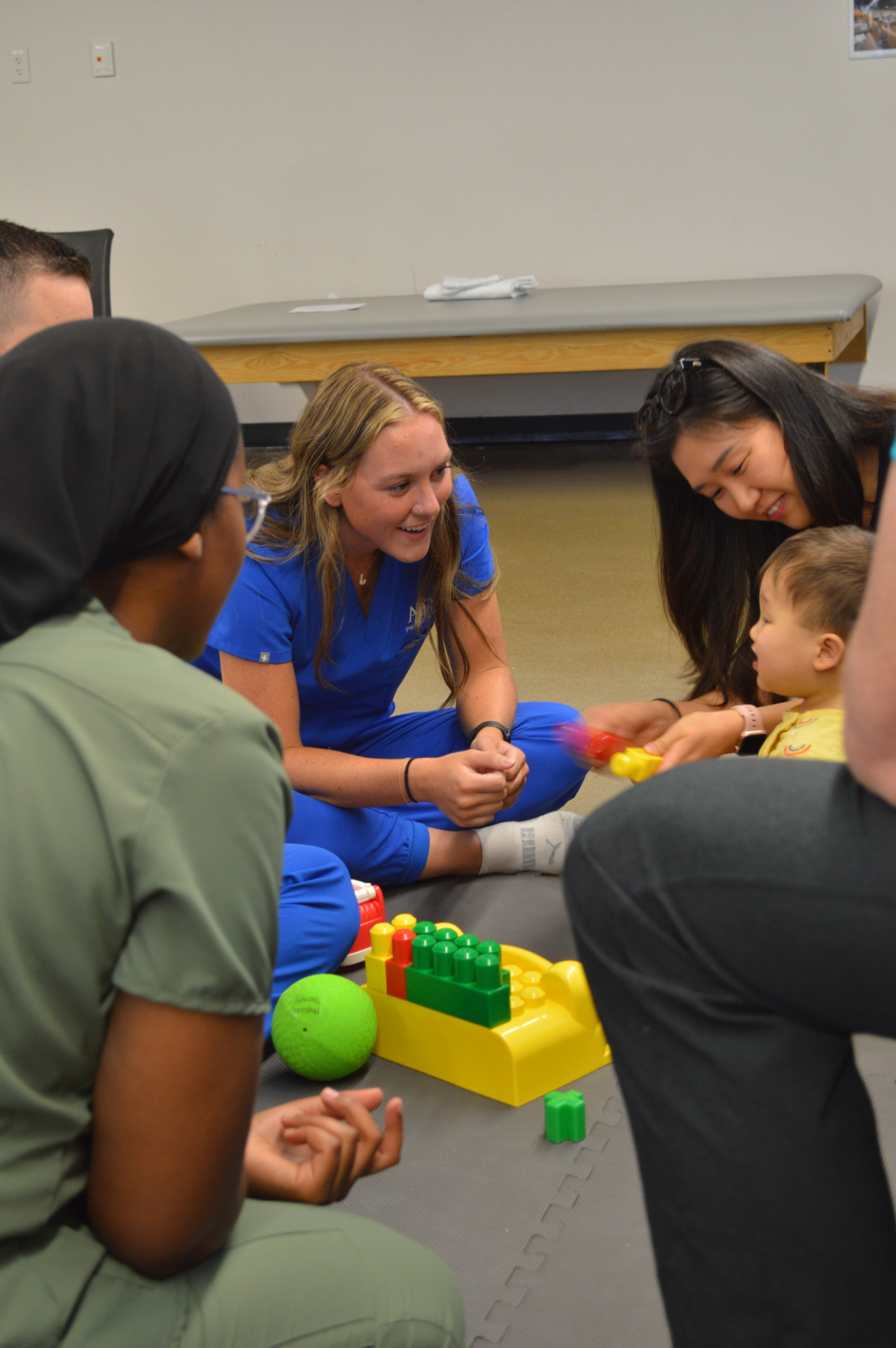
- Level I Fieldwork: Short-term placements that occur concurrently with classroom learning. These allow students to observe and begin participating in clinical sessions.
- Level II Fieldwork: Two 12-week, full-time rotations. These are immersive experiences where the student essentially functions as an entry-level therapist under the supervision of a clinical educator. ATSU has a vast network of clinical sites across the United States, including hospitals, schools, and outpatient clinics.
Program Comparison: OTD vs. ppOTD
| Feature | Entry-Level OTD | Post-Professional OTD (ppOTD) |
|---|---|---|
| Delivery Mode | On-campus (Mesa, AZ) | Online |
| Target Audience | Aspiring therapists with a BA/BS | Current OTs (OTR/L) |
| Duration | 3 years (full-time) | 1.5–2 years (flexible) |
| Fieldwork | Required (24 weeks + Capstone) | Not required (Capstone focus) |
| Primary Goal | Initial licensure and certification | Advanced leadership and specialization |
| Application Portal | OTCAS | ATSU Direct Application |
Tuition, Financial Aid, and Costs
For the 2026 academic year, students should budget carefully for the costs of a doctoral education. Tuition at private health sciences universities like ATSU is significant, but it reflects the high-tech laboratory access and small faculty-to-student ratios provided.
- Tuition: Estimated between $45,000 and $55,000 per year for the entry-level OTD.
- Fees: Includes lab fees, technology fees, and professional liability insurance.
- Living Expenses: Mesa, Arizona, offers a moderate cost of living compared to coastal cities, but students should account for housing, transportation, and health insurance.
ATSU offers various financial aid options, including Federal Direct Unsubsidized Loans, Grad PLUS Loans, and various institutional scholarships. Many students also pursue the National Health Service Corps (NHSC) Scholarship Program if they are committed to working in underserved areas after graduation.
Accreditation and Licensure Success
Prospective students must ensure their chosen program is accredited by the Accreditation Council for Occupational Therapy Education (ACOTE). Graduation from an ACOTE-accredited program is a prerequisite for sitting for the national certification exam administered by the National Board for Certification in Occupational Therapy (NBCOT).
A.T. Still University consistently maintains high NBCOT pass rates, often exceeding the national average. This is a critical metric for any program overview, as it indicates the effectiveness of the curriculum in preparing students for professional practice. Once a student passes the NBCOT exam, they are eligible for state licensure.
Life in Mesa, Arizona: The Learning Environment
The Mesa campus is a dedicated health sciences hub. It features the Carondelet Health Center, simulation labs, and interprofessional clinical spaces. Students often work alongside peers from the physical therapy, physician assistant, and dental programs.
This interprofessional education (IPE) is a hallmark of the ATSU experience. In the real world of 2026 healthcare, OTs do not work in a vacuum. Learning how to communicate with a physical therapist or a primary care physician while still in school gives ATSU graduates a significant advantage in the job market.
Frequently Asked Questions
Is the GRE required for the ATSU Occupational Therapy program?
As of the 2026 application cycle, ATSU has moved toward a more holistic admissions process. While the GRE (Graduate Record Examination) was historically a requirement, applicants should check the current OTCAS portal for ATSU, as many programs are now making the GRE optional or removing it entirely in favor of GPA and clinical experience.
Can I work while enrolled in the entry-level OTD program?
The entry-level OTD is an intensive, full-time program. While some students manage very part-time jobs during the didactic phases, the university generally discourages full-time employment. The schedule often involves 30–40 hours of classroom and lab time per week, plus significant study time and fieldwork requirements.
What is the difference between the MSOT and the OTD?
The Master of Science in Occupational Therapy (MSOT) was the previous standard for entry-level practice. The OTD (Doctor of Occupational Therapy) provides more depth in research, policy, and leadership. In the current 2026 professional environment, the OTD is becoming the preferred entry-level degree by many employers, particularly in specialized medical centers and academic roles.
Does ATSU help with fieldwork placements?
Yes, ATSU has a dedicated Clinical Education Coordinator who manages the placement process. While students may have the opportunity to request specific geographic locations or clinical specialties, the final placement is determined by the university to ensure it meets all ACOTE educational standards.
Are the online programs synchronous or asynchronous?
The Post-Professional OTD (ppOTD) is designed for flexibility. Most of the coursework is asynchronous, meaning students can log in and complete assignments on their own schedule. However, there may be scheduled virtual meetings or "office hours" to facilitate peer interaction and faculty support.
Final Recommendation for Prospective Students
Choosing an occupational therapy program is a significant investment in your professional future. A.T. Still University is ideal for students who value a holistic approach to healthcare and want to be part of a community dedicated to serving the underserved.
If you are a prospective student, your next steps should be:
- Verify Prerequisites: Ensure your undergraduate coursework aligns with ATSU’s requirements.
- Shadow a Professional: Gain exposure to different OT settings (pediatrics, hand therapy, geriatrics) to confirm your passion for the field.
- Attend a Virtual Information Session: ATSU frequently hosts webinars that provide direct access to faculty and admissions counselors.
- Prepare Your OTCAS Application: Start early, as gathering letters of recommendation and documented observation hours can take several months.
By choosing ATSU, you are joining a legacy of health sciences innovation that prepares you to lead in the evolving healthcare landscape of 2026 and beyond.
For official updates and detailed application deadlines, visit the A.T. Still University website or the ACOTE directory.