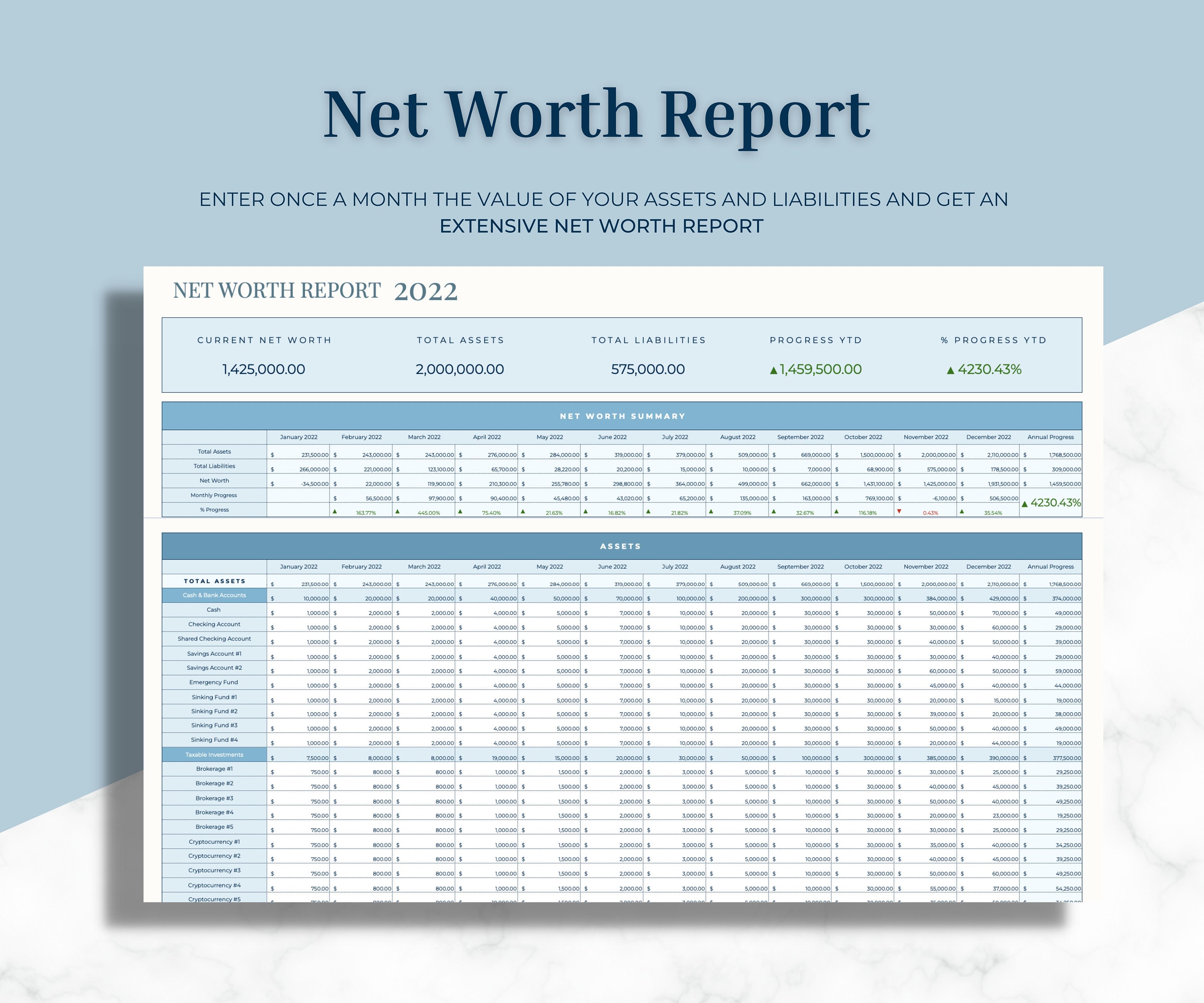
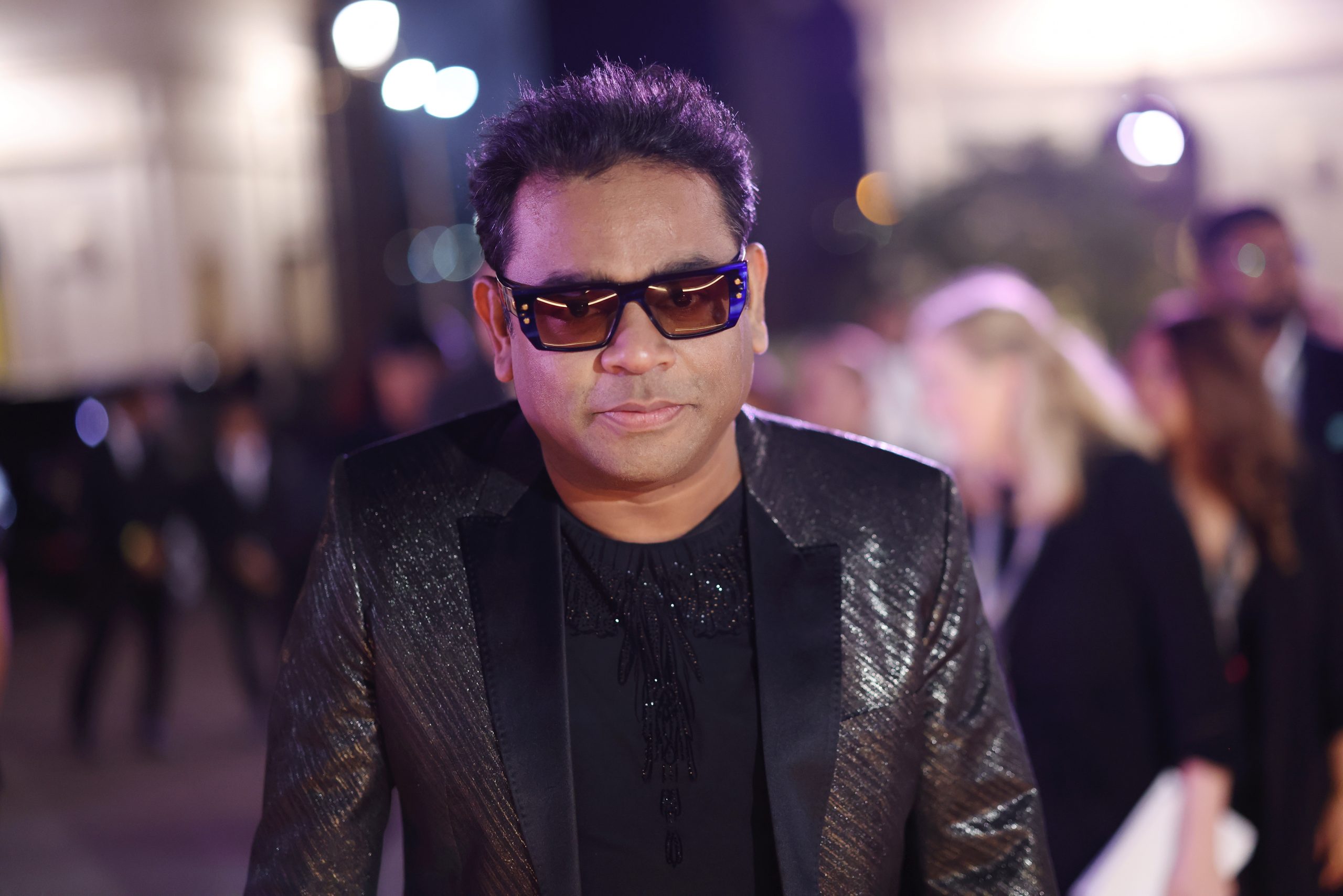
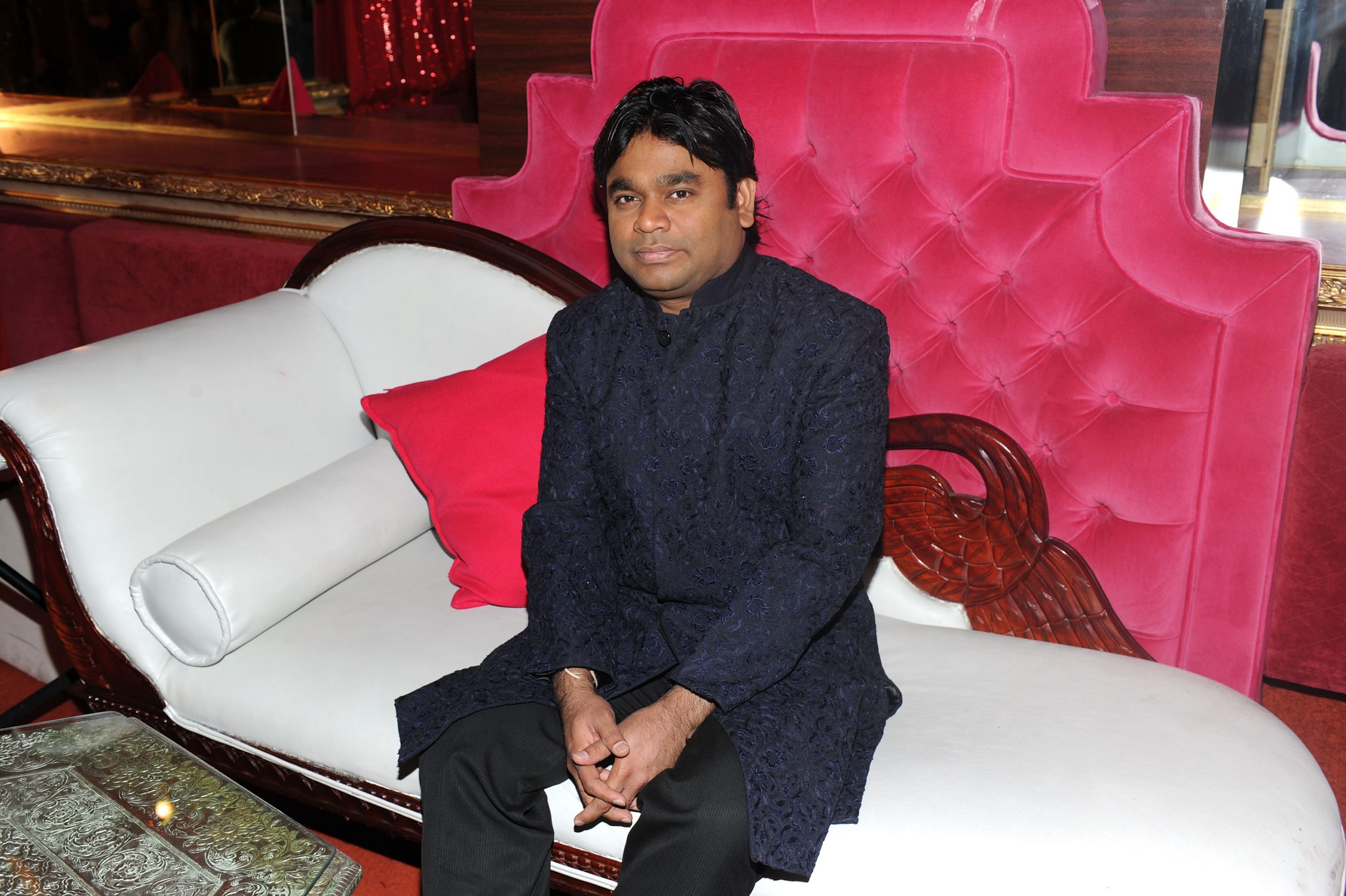
As of 2026, A R Rahman’s estimated net worth is widely reported to range between $80 million and $100 million. This wealth is primarily derived from a multifaceted career spanning over three decades, encompassing film scoring, global concert tours, record production, and strategic investments in music technology and educational ventures.
The Composition of Musical Wealth
The financial trajectory of Allah Rakha Rahman, born A.S. Dileep Kumar, is a testament to the transition of music from a creative pursuit to a highly scalable business model. Unlike many of his contemporaries who relied solely on traditional playback singing or background scores for films, Rahman diversified his income streams early in his career. His net worth is not the result of a single hit record, but a cumulative accumulation of diverse professional engagements.
Film Scoring and Royalty Structures
The backbone of Rahman’s earnings remains the Indian and international film industry. As a composer, his fee structures for major motion pictures are among the highest in the South Asian market. However, beyond the flat fees for soundtracks and background scores, a significant portion of his long-term wealth stems from intellectual property (IP) management. Rahman was one of the early proponents in the Indian film industry to negotiate for the retention of music rights or performance royalties, allowing him to benefit from the continuous streaming and usage of his vast catalog.
Global Tours and Live Performances
Live performance remains a primary liquidity generator for top-tier musical artists. Rahman’s concert tours, such as the Jai Ho world tour and subsequent global performances in North America, Europe, and the Middle East, have consistently sold out high-capacity venues. These tours are high-margin ventures where revenue is generated through ticket sales, corporate sponsorships, and merchandise, often exceeding the revenue generated from film production alone.
Strategic Diversification: Beyond Composition
A R Rahman’s financial portfolio extends beyond the recording studio. His entrepreneurial spirit has led him to invest in sectors that complement his primary expertise while ensuring long-term financial growth.
KM Music Conservatory
Founded in 2008, the KM Music Conservatory represents a blend of philanthropy and institutional investment. By establishing a center for excellence in music education in Chennai, Rahman has not only created a legacy asset but also positioned himself at the nexus of talent development. While this is not primarily a profit-maximizing entity in the commercial sense, it represents a significant commitment to intellectual capital and educational infrastructure.
Audio Engineering and Technology Ventures
Rahman is a pioneer in the adoption of advanced audio engineering techniques. His studios, such as AM Studios in Chennai, are recognized globally for their high-end acoustic design and equipment. By maintaining proprietary studio facilities, he minimizes overhead costs for his own projects and generates revenue by renting world-class production space to other high-profile artists and film production houses.
Comparative Financial Context
To understand the scale of A R Rahman’s financial standing, it is useful to view his trajectory alongside other global composers and music producers. The following table illustrates the diverse pillars that contribute to the net worth of prominent creative professionals in the music industry.
| Revenue Source | Significance to Net Worth | Typical Revenue Model |
|---|---|---|
| Film Scoring | High Initial Capital | Flat fee + percentage of licensing |
| Streaming Royalties | Long-term Passive Income | Per-stream fractional payment |
| Live Concerts | High Immediate Liquidity | Ticket sales, sponsorship, merch |
| Music Education | Long-term Asset Building | Institutional fees, grants, IP |
| Real Estate/Tech | Wealth Preservation | Capital gains and asset appreciation |
The Role of Intellectual Property (IP)
In the current financial landscape of 2026, the value of music catalogs has reached unprecedented levels. Investors and private equity firms are increasingly purchasing the rights to legendary song catalogs. While Rahman maintains significant control over his own works, the potential valuation of his portfolio—spanning thousands of tracks across Tamil, Hindi, Telugu, and English cinema—is a critical factor in his net worth assessment. The ability to control how music is synced for global advertisements, digital streaming platforms, and international media productions ensures that his wealth continues to accrue long after the original compositions were released.
Practical Considerations for Professional Musicians
For aspiring artists or those looking to understand the financial management of creative assets, A R Rahman’s career provides several clear takeaways regarding wealth sustainability:
- Retention of Rights: Negotiating for the ownership of master recordings or performance rights is essential for long-term wealth. Dependence solely on work-for-hire fees creates a ceiling on potential earnings.
- Infrastructure Investment: Investing in personal studio facilities allows artists to control their production environment while creating a depreciable asset that can serve as a revenue-generating entity when not in personal use.
- Global Scalability: Limiting one’s market to a single region or language reduces the potential for royalty growth. Rahman’s successful transition into Hollywood productions, such as Slumdog Millionaire and 127 Hours, significantly elevated his global brand value and licensing potential.
Common Misconceptions Regarding Net Worth
Public estimations of celebrity wealth often conflate gross earnings with net worth. It is crucial to distinguish between the two:
- Gross Earnings: This refers to the total revenue generated by concerts, fees, and royalties before taxes, agent commissions, production costs, and overheads.
- Net Worth: This is an estimate of assets minus liabilities. Assets include cash, real estate, studio equipment, and the valuation of intellectual property. Liabilities include operational debts, taxes, and ongoing maintenance costs for large-scale operations.
Reports indicating that a celebrity "made" a certain amount in a year often fail to account for the substantial reinvestment required to maintain a professional standard in the music industry. Consequently, the fluctuations in reported net worth for figures like Rahman often reflect market volatility or changes in valuation methodologies rather than actual shifts in liquid wealth.
Financial Disclaimer
The net worth figures presented here are estimates based on public records, industry reports, and historical earnings analysis. They do not constitute financial advice. Individual financial situations are subject to tax laws, investment strategies, and private contractual agreements that are not publicly disclosed. Readers should consult with qualified financial advisors regarding their own investment and planning decisions.
Frequently Asked Questions
1. Does A R Rahman earn more from films or live concerts? While film scoring provides a consistent baseline, international live tours typically generate higher immediate liquidity. However, the long-term compounding of film royalties provides a more stable, recurring income stream compared to the episodic nature of touring.
2. How does Rahman’s studio ownership affect his net worth? By owning his studio complexes, he avoids high rental costs for his massive volume of production work. These studios also act as income-generating assets, as they are often utilized by other production companies, thereby turning an operational cost into a revenue stream.
3. Has his work in Hollywood significantly impacted his net worth? Yes, his international projects elevated his status, leading to higher fee structures for global licensing and brand endorsements, which command higher premiums compared to regional opportunities.
4. What impact do streaming platforms have on a composer's wealth today? Streaming platforms provide a global reach that traditional distribution could not achieve. For an artist with a catalog as vast as Rahman’s, these platforms create a "long tail" of revenue where even older tracks continue to generate significant passive income.
5. How are private assets like the KM Music Conservatory valued? Institutional assets are valued based on their infrastructure, land, and the intellectual capital they hold. While not always intended for short-term profit, they contribute to the overall valuation of the individual’s estate and brand legacy.
Recommendations for Further Exploration
To understand how creative professionals manage their wealth effectively, focus on the study of Intellectual Property Law as it pertains to the music industry and Asset Management for high-net-worth creative individuals. Studying the transition of music rights in the digital era will provide deeper insights into why composers like A R Rahman have been able to sustain and grow their wealth over several decades. For those interested in the technical side, researching the evolution of digital audio workstations (DAWs) and studio infrastructure can explain the practical costs and benefits associated with professional music production.