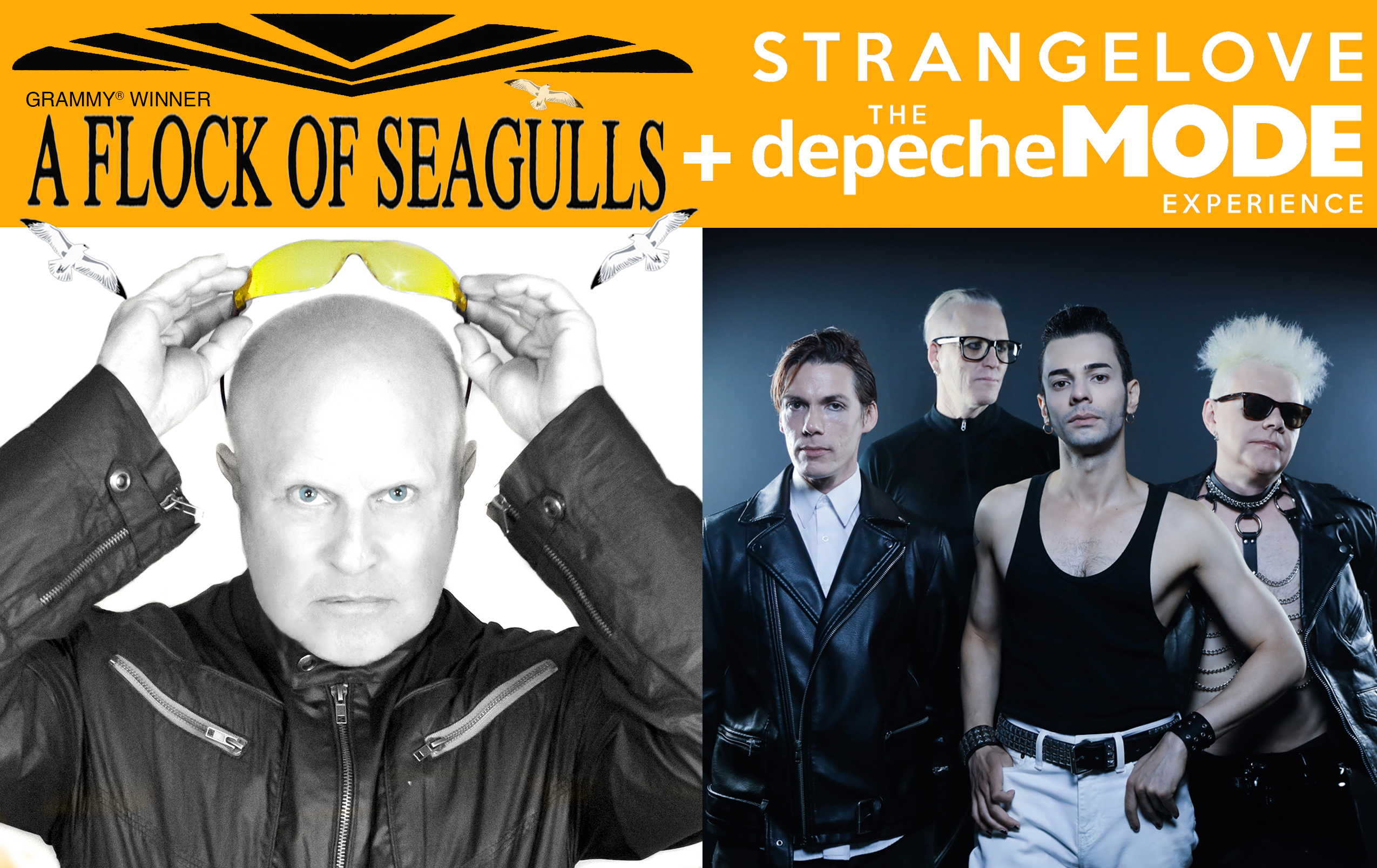
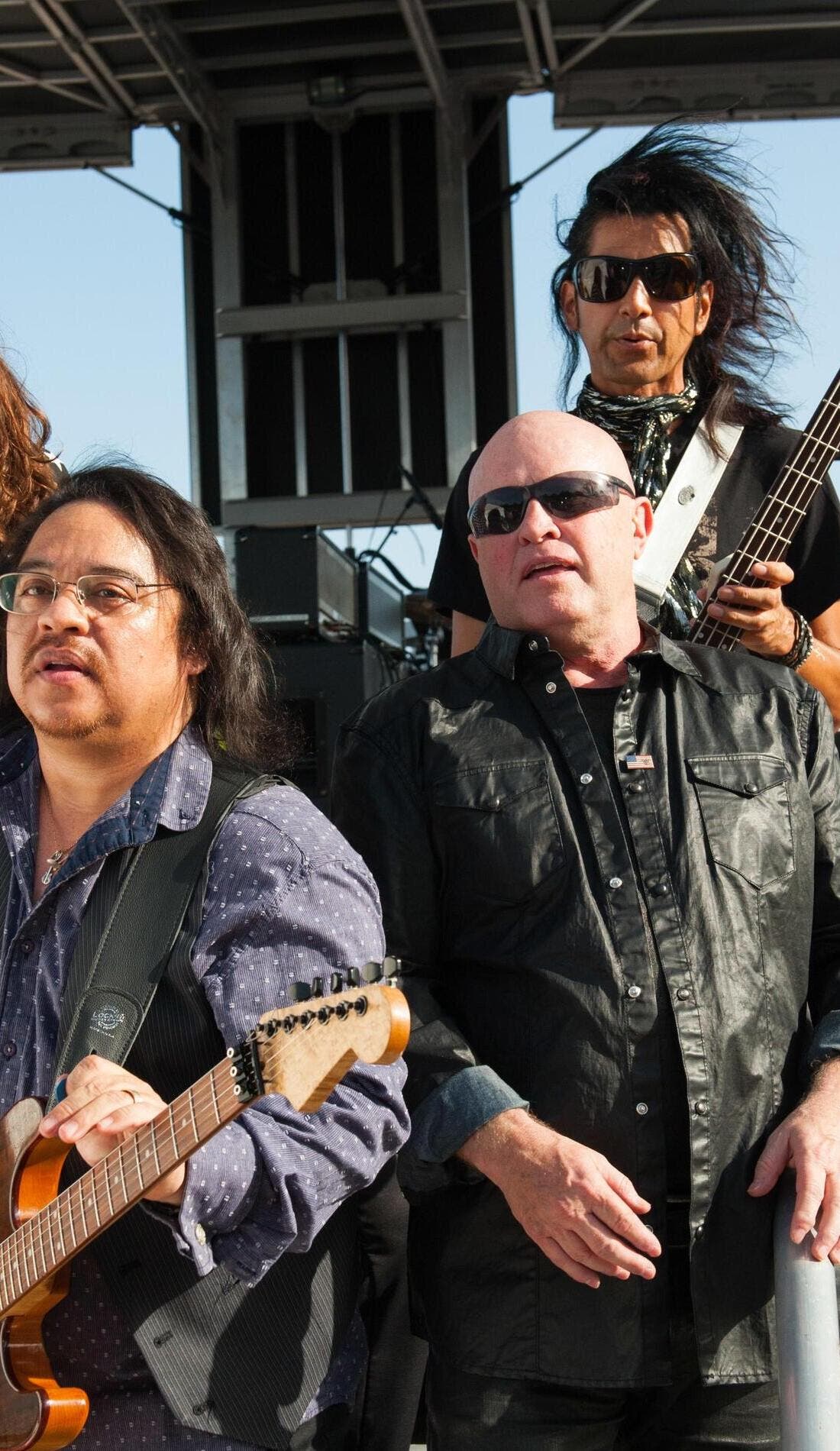
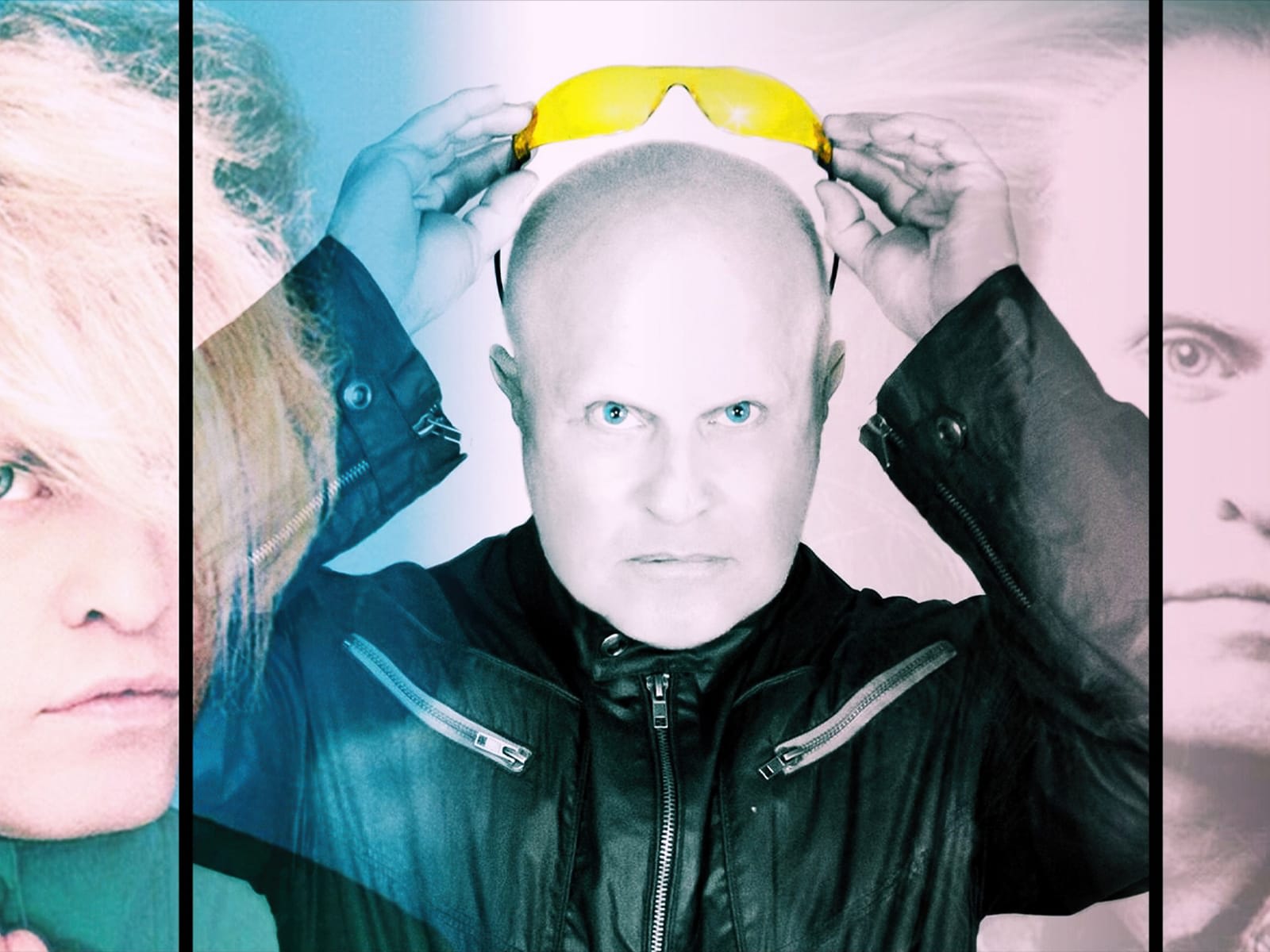
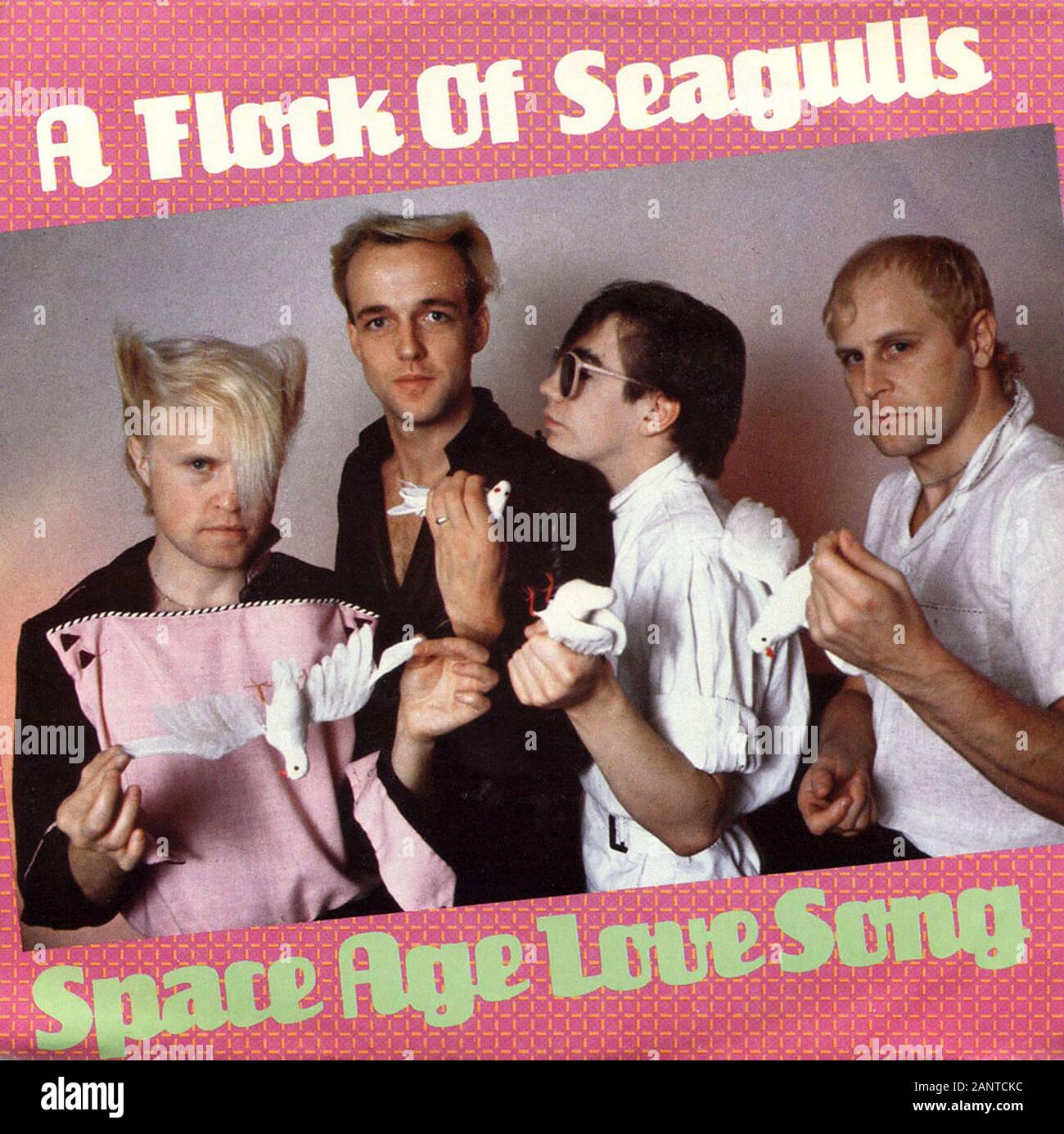
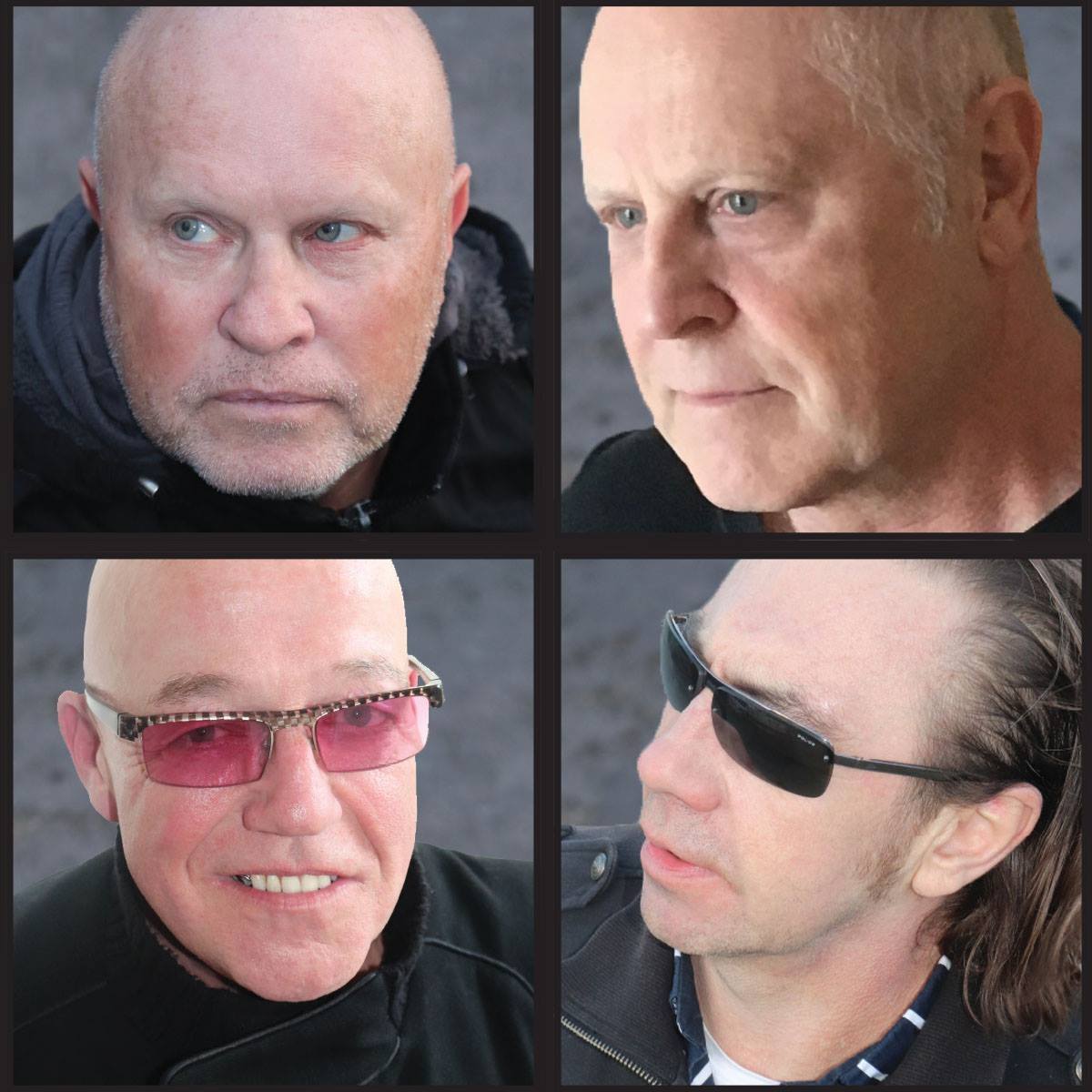
The reunion of the original A Flock of Seagulls lineup—comprising Mike Score, Alister Score, Frank Maudsley, and Paul Reynolds—was primarily realized through the recording of two major orchestral albums, Ascension (2018) and String Theory (2021). While Mike Score continues to tour with a separate band, these projects marked the first time the founding quartet collaborated in the studio since 1984.
The story of A Flock of Seagulls is one of meteoric rises, iconic visual branding, and a long period of fragmentation that finally found a sense of closure through modern recording technology and symphonic reimagining. To understand the reunion, one must look past the famous "waterfall" hairstyle and examine the complex interpersonal dynamics and the specific projects that brought the four Liverpudlians back into the same creative orbit after three decades of silence.
The Long Road to Reconciliation: Why the Split Happened
To explain the reunion, we must first address the depth of the separation. A Flock of Seagulls was a quintessential New Wave act that defined the early MTV era. However, the pressure of maintaining global stardom took a heavy toll on the group. By 1984, the original lineup began to crumble.
Paul Reynolds, the band’s highly influential guitarist, was the first to depart. His intricate, echo-laden guitar work was the engine behind their sound, but the grueling tour schedules and the stresses of the industry led to his exit following the release of The Story of a Young Heart. The band attempted to continue as a trio, but the chemistry was fundamentally altered. By 1986, after the release of Dream Come True, the remaining members went their separate ways.
For the next thirty years, Mike Score remained the face of the brand. He relocated to the United States and continued to tour under the name A Flock of Seagulls with a revolving door of talented session musicians. Meanwhile, Ali Score, Frank Maudsley, and Paul Reynolds largely stepped away from the global spotlight, leading to a narrative that the original band would never play together again.
The 2003 VH1 Catalyst: "Bands Reunited"
The first public sign of a potential reunion occurred in 2003 when the VH1 program Bands Reunited attempted to bring the original quartet back together for a single performance. The show’s premise involved tracking down former band members and convincing them to perform a one-night-only show.
While the episode successfully brought Mike, Ali, Frank, and Paul onto a stage in London to perform their hits "I Ran (So Far Away)" and "Space Age Love Song," the reunion was fleeting. The tension between the members was palpable on screen, suggesting that while the musical chemistry remained, the personal logistics of a full-scale reunion were not yet feasible. This event served as a "proof of concept" for fans, but it would take another fifteen years for a formal recording project to materialize.
The Ascension Project (2018): Rebuilding the Bridge
The most significant development in the A Flock of Seagulls reunion saga occurred in 2018 with the announcement of the album Ascension. This project was facilitated by the independent label August Day and producer John P. Taylor.
Unlike the 2003 VH1 special, which focused on a live performance, Ascension was a studio-based endeavor. The core concept involved the original four members re-recording their greatest hits accompanied by the Prague Philharmonic Orchestra.
Why Ascension Was the "True" Reunion
- Recording Together: It marked the first time since 1984 that all four original members were credited on the same studio recording.
- Creative Validation: By utilizing an orchestra, the band was able to elevate their 80s synth-pop arrangements into cinematic soundscapes, giving the members a fresh reason to engage with their legacy.
- Logistical Ease: The recording process allowed the members to contribute their parts without the necessity of a grueling world tour, which had been a major sticking point in previous years.
The success of Ascension was a turning point. It proved there was still a massive global appetite for the original lineup's sound and that the members could collaborate professionally despite their long history of separation.
String Theory (2021) and the Continued Collaboration
Building on the momentum of Ascension, the original lineup reunited once again for String Theory in 2021. This second orchestral collaboration followed a similar format but delved deeper into the band's catalog, including tracks like "Say You Love Me" and "Messages."
As of 2026, String Theory remains a definitive piece of the band's discography. It demonstrated that the 2018 reunion wasn't a fluke but a sustainable way for the original members to manage their collective legacy. The "reunion" in this context is defined as a creative partnership rather than a permanent touring entity.
Touring vs. Studio: The Current Status in 2026
A common point of confusion for fans is why they might see "A Flock of Seagulls" performing live without Paul Reynolds or Ali Score. It is essential to distinguish between the touring band and the original recording lineup.
In 2026, Mike Score continues to front the touring version of A Flock of Seagulls. This lineup consists of dedicated musicians who have played with Mike for years. The original members—Ali, Frank, and Paul—generally do not participate in these live tours. The reasons for this are largely personal and logistical:
- Geography: The members are living in different parts of the world (Mike in the US, others in the UK).
- Health and Lifestyle: The rigors of constant travel are less appealing to members who have established lives outside of the music industry.
- Financial Structures: Mike Score has maintained the trademark and the touring infrastructure for decades, making it his primary professional vehicle.
Therefore, the "reunion" is best explained as a legacy project. The original four members are at peace with one another and willing to collaborate on prestige studio recordings, but they are not a full-time, active touring band in the traditional sense.
Comparison of A Flock of Seagulls Eras
The following table summarizes the different stages of the band's lineup and the status of their reunions over the years.
| Era/Event | Years | Key Members Involved | Primary Output/Result |
|---|---|---|---|
| Original Classic Era | 1979–1984 | Mike, Ali, Frank, Paul | A Flock of Seagulls, Listen, The Story of a Young Heart |
| Fragmented Era | 1985–2002 | Mike Score + Various | Dream Come True, The Light at the End of the World |
| VH1 Reunion | 2003 | Mike, Ali, Frank, Paul | One-off live performance in London (Bands Reunited) |
| Orchestral Reunion 1 | 2018 | Mike, Ali, Frank, Paul | Ascension (Orchestral re-recordings) |
| Orchestral Reunion 2 | 2021 | Mike, Ali, Frank, Paul | String Theory (Further orchestral collaborations) |
| Current Status (2026) | 2022–2026 | Mike Score (Touring) / All 4 (Legacy) | Continued touring by Mike; original lineup as a studio entity |
Technical and Creative Impact of the Reunion
The reunion was not merely a nostalgic exercise; it had a measurable impact on the band's technical legacy. When the original members returned to the studio for the August Day projects, they faced the challenge of translating 1980s analog synthesizer textures into arrangements suitable for a full philharmonic orchestra.
Paul Reynolds' guitar style, characterized by the use of the Roland JC-120 amplifier and heavy digital delay, had to be carefully integrated with the violins and cellos of the Prague Philharmonic. Musicians and critics noted that the reunion recordings highlight the "symphonic" nature of the original compositions—songs like "European (I Wish I Could Fly)" were revealed to have a structural complexity that was sometimes obscured by the "hair band" labels of the 1980s.
Furthermore, the reunion allowed Frank Maudsley's melodic bass lines and Ali Score's precise, driving percussion to be remastered with modern fidelity. For fans, these recordings served as a definitive "final word" on how these classic tracks should sound with the benefit of 21st-century production values.
The Role of Modern Media and Synth-Wave
The reunion was also spurred by the cultural resurgence of "Synth-Wave" and 1980s aesthetics in the 2010s and 2020s. Shows like Stranger Things and films like Drive created a new generation of fans who viewed A Flock of Seagulls not as a "one-hit wonder" with funny hair, but as pioneers of an atmospheric, electronic sound.
This cultural shift provided the financial and critical incentive for the original members to reconcile. The demand for "authentic" 80s icons meant that a reunion of the original four held significantly more market value than Mike Score touring alone. This explains why the reunion focused on high-quality studio albums that could be sold to both old fans and new audiophiles.
Frequently Asked Questions
Why did Paul Reynolds leave the band originally?
Paul Reynolds left in 1984 due to a combination of physical and mental exhaustion caused by the band's relentless touring schedule and the pressures of sudden fame. As the youngest member, the "pop star" lifestyle took a significant toll on him, leading to his decision to exit just as the band was at its commercial peak. His departure is widely cited as the moment the original "magic" of the group's sound began to dissipate.
Is the original lineup of A Flock of Seagulls touring in 2026?
No, the original lineup is not currently touring as a quartet in 2026. Mike Score continues to tour the world with his established band under the A Flock of Seagulls name. The "reunion" of the original members is strictly limited to studio projects and special recording events rather than live concert tours.
What is the difference between the albums Ascension and String Theory?
Ascension (2018) focused on the band's most famous hits, providing massive orchestral backdrops for songs like "I Ran" and "Space Age Love Song." String Theory (2021) served as a "Volume 2," focusing on deeper cuts and fan favorites that allowed for more experimental orchestral arrangements. Both albums feature the original four members.
Did the reunion result in any brand-new songs?
The primary focus of the 2018-2021 reunion projects was the reimagining of their classic 1980s catalog. While there have been discussions regarding new material, the core of the original lineup's reunion has been centered on celebrating and elevating the songs that defined their career. Mike Score has released solo material and new music with his touring lineup separately.
Are the band members on good terms now?
Yes, the consensus among music journalists and interviews from the members indicates that the animosity of the 1980s and 1990s has largely faded. The successful collaboration on the August Day label projects suggests a professional and cordial relationship, with the members being happy to acknowledge their shared history without the pressure of living and working together on the road.
Summary of Next Actions for Fans
If you are looking to experience the A Flock of Seagulls reunion in 2026, the best way to do so is through their collaborative media:
- Listen to the Orchestral Dilogy: Seek out Ascension and String Theory on high-fidelity streaming platforms or vinyl. These are the only modern recordings featuring the full original lineup.
- Follow Official Channels: Monitor the official A Flock of Seagulls website and the August Day label social media for any future studio announcements.
- Support the Touring Band: While not the original lineup, Mike Score’s current band provides a high-energy live experience that keeps the spirit of the 80s alive.
- Explore the Back Catalog: To appreciate the reunion, revisit the first three albums to understand the foundational sound that Mike, Ali, Frank, and Paul built together.