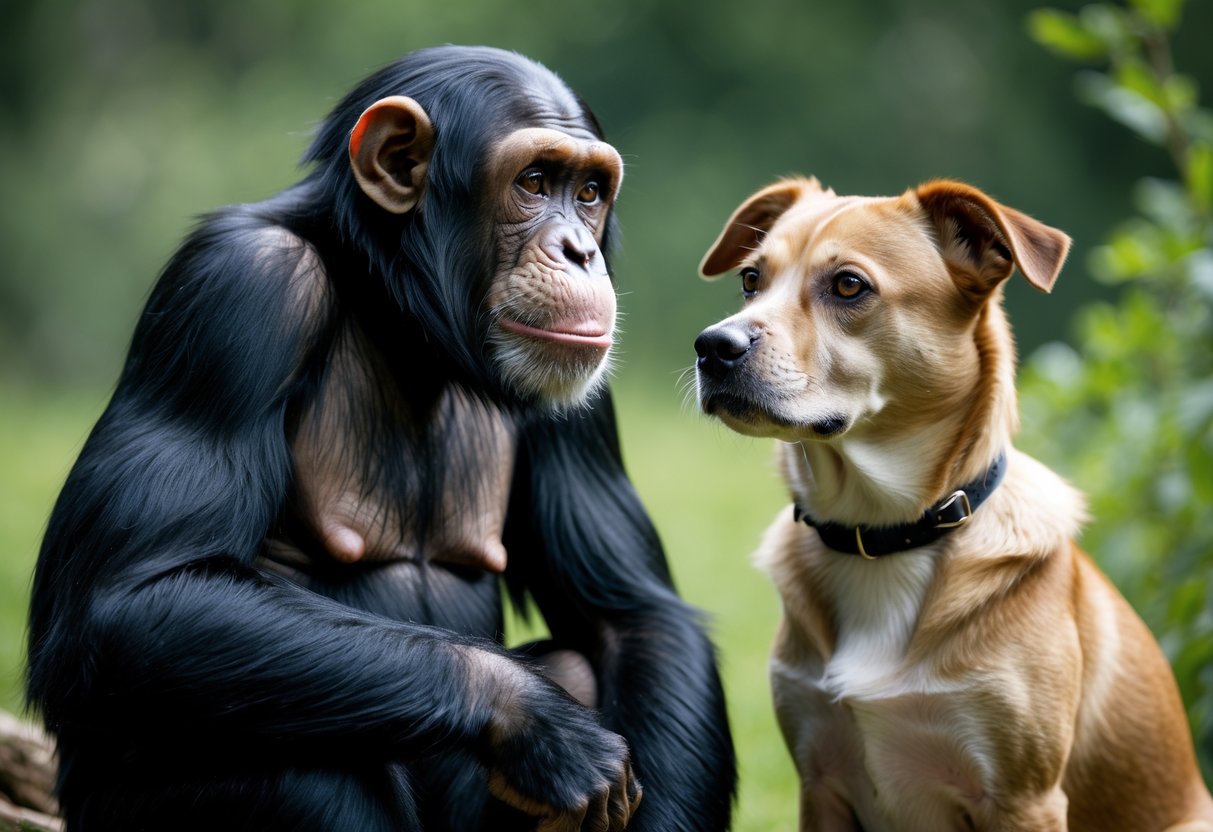
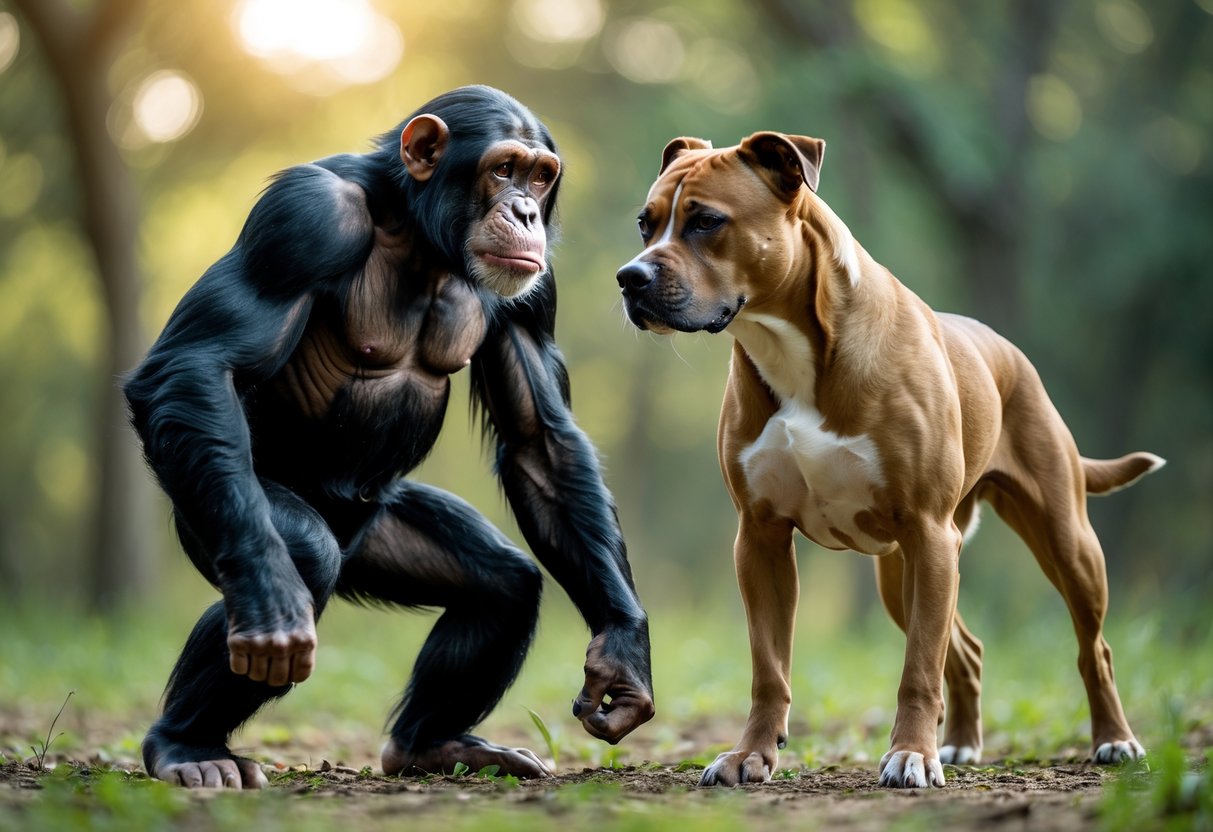
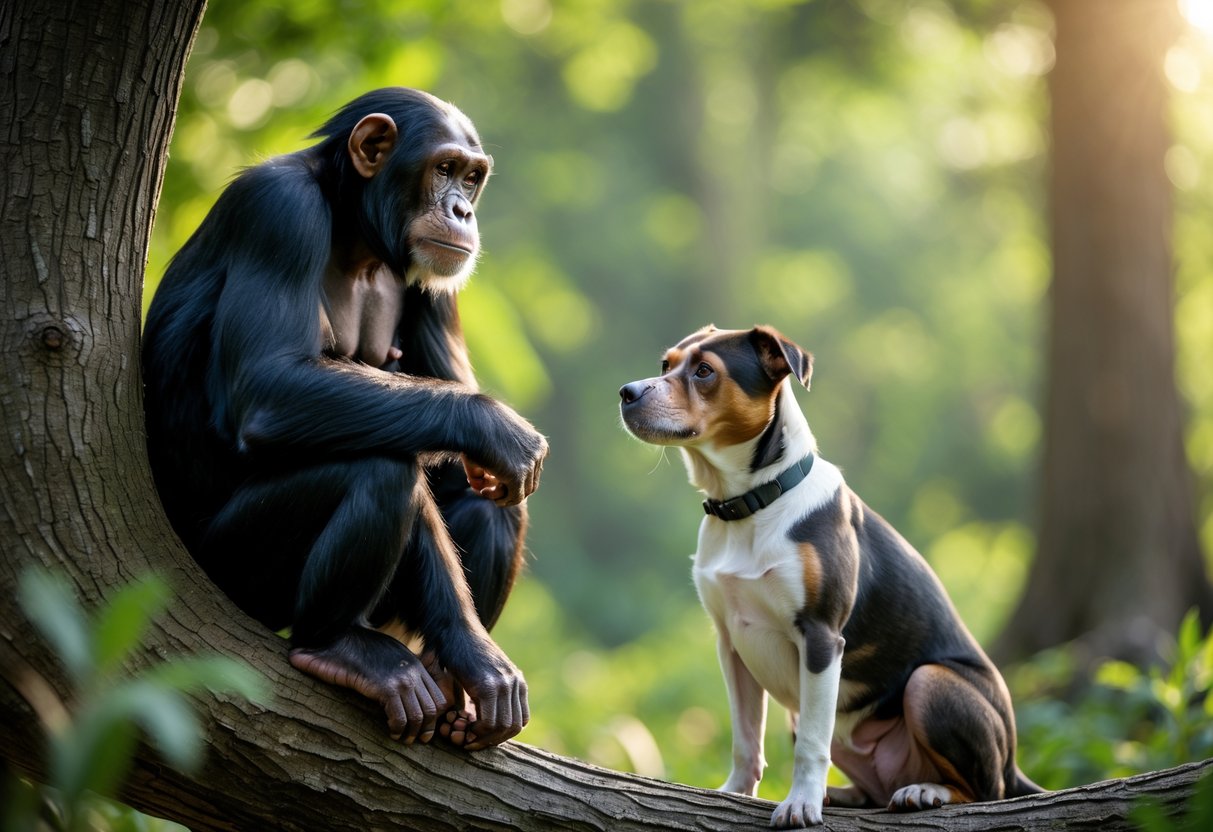
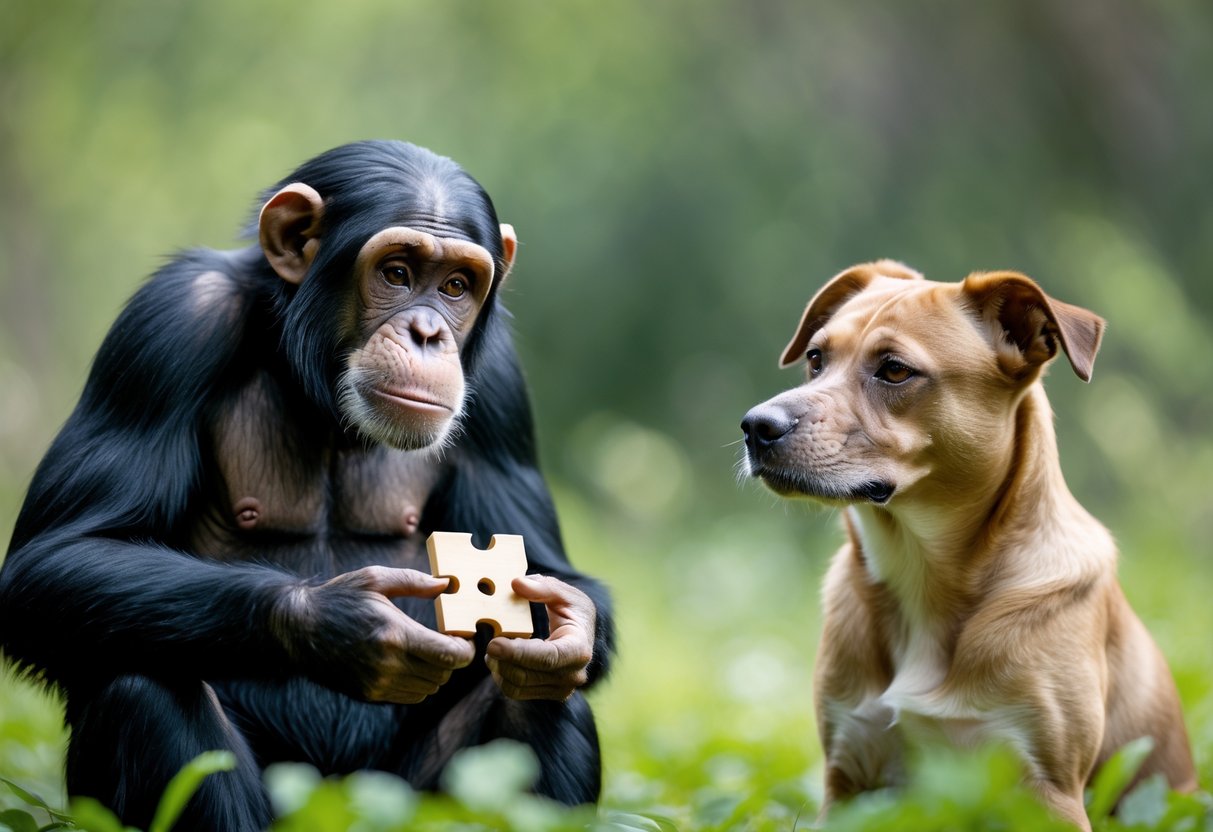
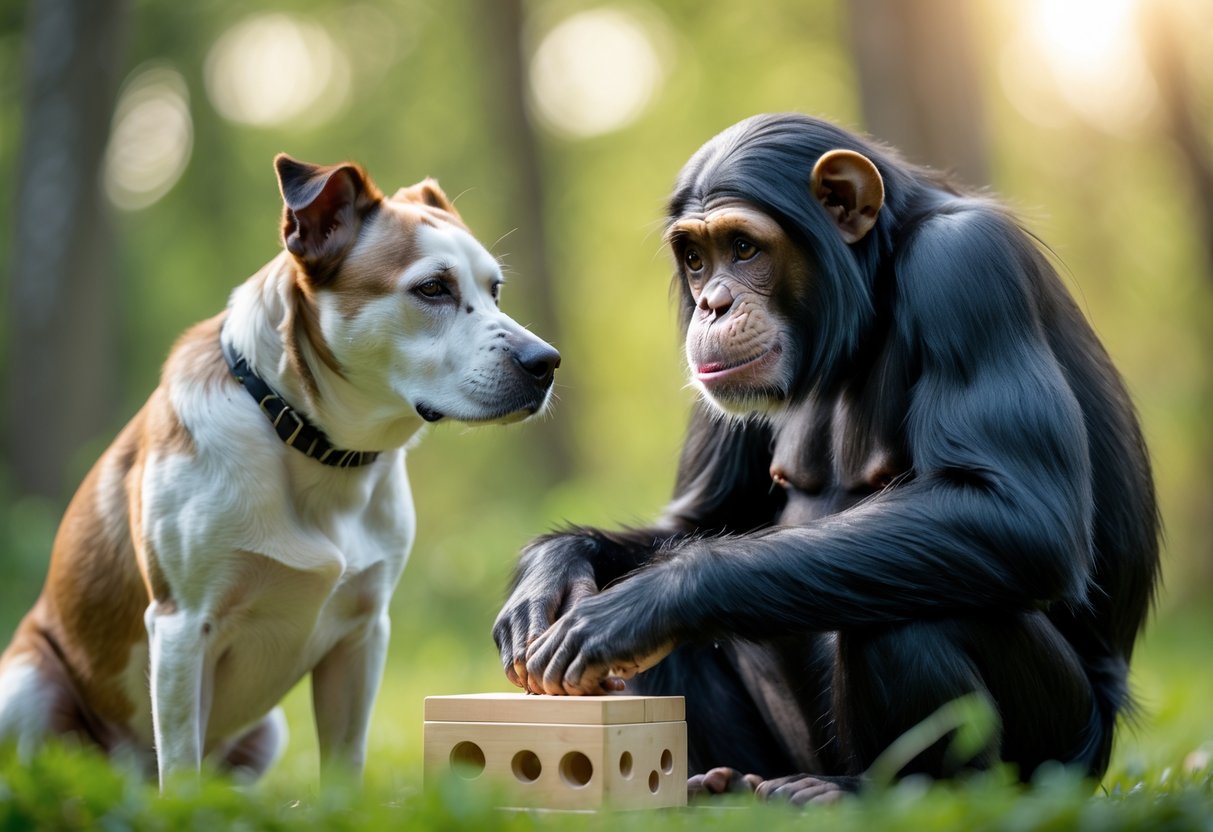
A "chimpanzee dog" is not a biological hybrid, but rather a colloquial term most often used to describe the Affenpinscher, a dog breed whose name literally translates from German as "monkey terrier." These dogs are characterized by their distinct primate-like facial structures, expressive eyes, and mischievous temperaments that mirror small apes.
While the idea of a genetic cross between a canine and a primate is a biological impossibility, the "chimpanzee dog" label has gained traction in popular culture, search trends, and digital media. This phenomenon is driven by a combination of specific brachycephalic (flat-faced) dog breeds, viral AI-generated imagery, and genuine behavioral overlaps between highly intelligent dogs and primates. As of 2026, the fascination with "human-like" or "ape-like" pets continues to grow, making it essential to distinguish between the real-world breeds that fit this description and the scientific myths surrounding them.
The Biological Reality: Why a Dog-Chimpanzee Hybrid is Impossible
To address the "chimpanzee dog" as a concept, one must first look at the genetic barriers that prevent such a creature from existing. In the hierarchy of biological classification, dogs and chimpanzees are separated by millions of years of evolution and belong to entirely different families.
Chromosomal Incompatibility
The primary obstacle to any hybrid is the chromosome count. Dogs (Canis lupus familiaris) possess 78 chromosomes (39 pairs). In contrast, chimpanzees (Pan troglodytes) possess 48 chromosomes (24 pairs). For a hybrid to occur, the gametes (sperm and egg) must be able to fuse and create a viable embryo with a compatible set of instructions. The massive disparity in chromosome number and structure means that even if fertilization were attempted via advanced laboratory methods, the resulting cellular blueprint would be non-functional.
Taxonomic Divergence
Dogs belong to the order Carnivora and the family Canidae. Chimpanzees belong to the order Primates and the family Hominidae. These two lineages diverged approximately 60 to 90 million years ago. While dogs can hybridize with other canids (like wolves, coyotes, or jackals), and chimpanzees share 98% of their DNA with humans, there is no genetic bridge between the two families.
The Affenpinscher: The Original "Monkey Dog"
If you are looking for a dog that truly embodies the "chimpanzee" aesthetic, the Affenpinscher is the primary candidate. This breed was specifically developed to have a face that resembles a small primate.
Historical Origins
The Affenpinscher originated in Germany in the 17th century. Originally, they were larger dogs used for "ratting"—hunting rodents in stables and kitchens. Over time, they were bred down in size to become lap dogs, but they retained their wire-haired coats and tenacious personalities. The German word Affe means monkey, reflecting the common perception of their appearance even hundreds of years ago.
Physical Characteristics
The "chimpanzee" look comes from several specific traits:
- The Mask: Their facial hair grows in a way that frames the face, similar to the hair patterns of a chimp or a capuchin monkey.
- Prognathism: A slightly undershot jaw is a breed standard, which creates the protruding lower lip often seen in primates.
- Prominent Eyes: Large, dark, and forward-facing eyes give them a "human-like" expression of curiosity and intelligence.
- Coat Texture: Their rough, wiry coat can appear "shaggy" or "wild" if not meticulously groomed, further enhancing the forest-primate aesthetic.
Other Breeds Frequently Called "Chimpanzee Dogs"
While the Affenpinscher holds the title, several other breeds share physical or behavioral traits that lead observers to use primate-based nicknames. These breeds typically fall into the "toy" or "companion" categories and feature brachycephalic facial structures.
The Brussels Griffon
Often compared to the "Ewoks" from Star Wars, the Brussels Griffon has a face that is remarkably similar to a small chimpanzee. They possess a prominent chin, a large nose with wide nostrils, and a "pout" that mimics primate expressions. Like the Affenpinscher, they are known for their self-important attitude and complex emotional range.
The Japanese Chin
The Japanese Chin is often described as "feline" in its movements, but its facial structure is frequently compared to that of a marmoset or a small ape. Their wide-set eyes and distinct facial markings give them an alert, primate-like gaze.
Comparing "Ape-Like" Dog Breeds
| Feature | Affenpinscher | Brussels Griffon | Japanese Chin |
|---|---|---|---|
| Origin | Germany | Belgium | Japan/China |
| Primary Nickname | Monkey Dog | Bearded Dog / Ewok Dog | Royal Spaniel |
| Coat Type | Wire-haired, dense | Rough or Smooth | Long, silky |
| Facial Structure | Brachycephalic with beard | Strong chin, flat face | Flat face, high forehead |
| Temperament | Bold, adventurous | Sensitive, "velcro" dog | Noble, cat-like |
| Primate Similarity | High (Chimpanzee face) | Moderate (Gibbon/Marmoset) | Low (Marmoset eyes) |
Behavioral Parallels: Why They Act Like Primates
Beyond physical appearance, the "chimpanzee dog" label often stems from behavior. Certain dog breeds exhibit a level of dexterity and social intelligence that mimics primate behavior.
Use of Paws
Affenpinschers and Brussels Griffons are known for being unusually "hand-oriented." While most dogs use their mouths to investigate objects, these breeds often use their paws to "grasp," swat, or manipulate toys in a way that looks like a primate reaching for fruit. This dexterity is a hallmark of the breed and contributes to the "chimp" persona.
Problem-Solving and Tool Use
While dogs do not use tools in the same way chimpanzees do (such as using sticks to fish for termites), high-intelligence breeds demonstrate "means-end" reasoning. An Affenpinscher might move a stool to reach a counter or use one toy to retrieve another from under a sofa. This level of environmental manipulation is a key reason owners feel their dogs possess a "primate-like" mind.
Emotional Expressiveness
Primates are known for their wide range of facial expressions. Brachycephalic dogs, due to their flat faces and visible eye whites (sclera), are able to convey "sadness," "guilt," or "excitement" in a way that humans interpret more easily than the expressions of long-moted dogs like Huskies or Shepherds. This creates a stronger anthropomorphic bond.
The Impact of Digital Media and AI in 2026
In the current landscape of 2026, the search term "chimpanzee dog" is frequently linked to viral content. It is crucial for researchers and potential pet owners to verify the source of the imagery they encounter.
AI-Generated Hybrids
Generative AI has reached a point where realistic "chimp-dog" hybrids can be created in seconds. These images often go viral on social media platforms, leading to misinformation where users believe a new "designer breed" has been discovered. These are purely fictional. If an animal looks like a perfect 50/50 split between a chimp and a Labrador, it is almost certainly a digital fabrication.
Grooming Trends
The "Monkey Cut" is a specific grooming style that has seen a resurgence. By shaving the body short and leaving a voluminous "mane" and facial beard, groomers can make various breeds—including Poodles and Doodles—look like small primates. This is a popular trend for competitive grooming and social media engagement.
Caring for an "Ape-Faced" Dog Breed
If you are interested in owning a dog that fits the "chimpanzee" description (specifically the Affenpinscher or Brussels Griffon), you must be prepared for their specific biological and psychological needs.
Health Considerations
Brachycephalic breeds are prone to Brachycephalic Obstructive Airway Syndrome (BOAS). Their shortened facial bones can lead to breathing difficulties, especially in hot or humid weather. Prospective owners should ensure they buy from breeders who prioritize respiratory health and open nostrils (stenotic nares).
Grooming Requirements
To maintain the "chimpanzee" look, regular grooming is non-negotiable. Wire-haired breeds like the Affenpinscher require "hand-stripping"—a process of pulling out dead hair by hand to maintain the coat's texture and color. If the coat is simply clipped with electric shears, it will become soft and lose its characteristic primate-like appearance.
Training Challenges
"Monkey dogs" are notoriously stubborn. They possess a high degree of independent thought, which can make traditional obedience training difficult. They respond best to positive reinforcement and "gamified" training that keeps their active minds engaged.
Common Misconceptions and Troubleshooting
When discussing the chimpanzee dog, several myths frequently arise. Correcting these is vital for responsible pet ownership and scientific literacy.
- Myth: They are "Part Monkey." As established, this is genetically impossible. Any "monkey-like" trait is the result of selective breeding within the canine gene pool.
- Myth: They are hypoallergenic. While wire-haired breeds like the Affenpinscher shed less than others, no dog is truly hypoallergenic. Their dander and saliva can still trigger allergies.
- Myth: They are good for small children. Many of the breeds that look like chimps are small and "sturdy" but have a low tolerance for the rough handling typical of toddlers. They prefer to be treated as equals or "little humans."
Frequently Asked Questions
Is there a dog breed that actually looks like a chimpanzee?
The Affenpinscher is the breed most recognized for looking like a chimpanzee. Its name literally means "monkey dog." The Brussels Griffon is another breed with very similar primate-like facial features, including a prominent chin and expressive eyes.
Can a dog and a monkey breed?
No. Dogs and monkeys (including chimpanzees) are biologically incompatible. They have different numbers of chromosomes and belong to different taxonomic families. They cannot produce offspring, even with medical intervention.
Why does my dog act like a monkey?
Certain breeds, particularly Terriers and Toy breeds, exhibit "monkey-like" behaviors such as using their paws to grab objects, climbing on furniture, and displaying complex facial expressions. This is a result of high intelligence and specific physical traits, not primate DNA.
Are Affenpinschers good family pets?
Affenpinschers are excellent pets for families with older children who understand how to respect a small dog's boundaries. They are loyal, protective, and highly entertaining, but they can be wary of strangers and may be difficult to housebreak.
What is the "Monkey Dog" breed called?
The official name for the "Monkey Dog" is the Affenpinscher. In some regions, the Brussels Griffon is also referred to by this nickname due to its similar appearance.
Final Recommendations
If you are drawn to the "chimpanzee dog" for its unique appearance and high intelligence, focus your search on the Affenpinscher or the Brussels Griffon. These breeds offer the charm, dexterity, and "human-like" personality you are seeking without the ethical or biological concerns of a fictional hybrid.
Before committing to one of these breeds, ensure you have access to a veterinarian familiar with brachycephalic health issues and a groomer experienced with wire-haired coats. For those who have seen "chimpanzee dogs" on social media that look like large hybrids, remember that these are likely the result of creative grooming or AI-generated content. Always prioritize the health and welfare of established canine breeds over "viral" trends.