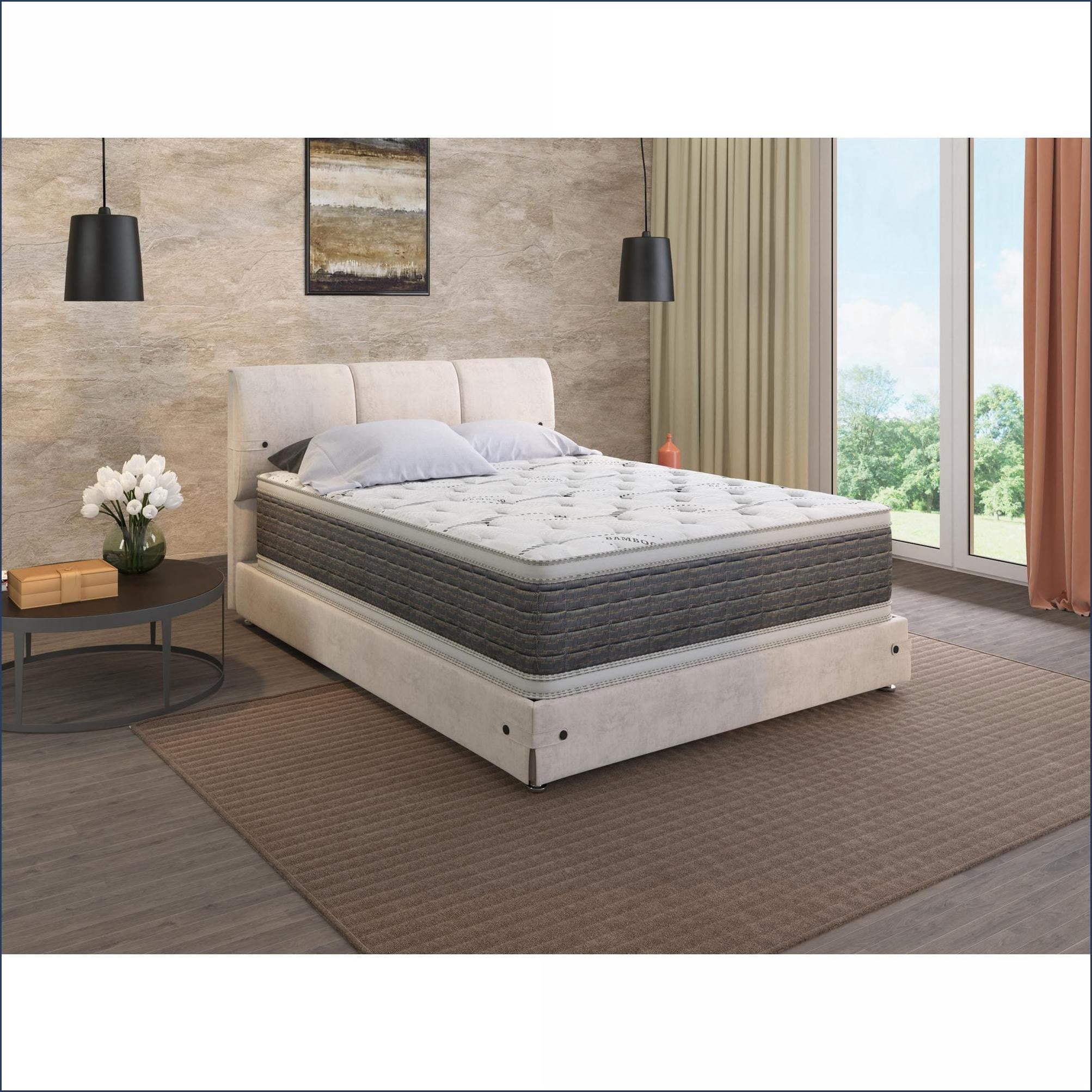
Bamboo mattresses are an excellent choice for individuals who prioritize temperature regulation, moisture-wicking, and hypoallergenic properties. Most modern bamboo mattresses utilize bamboo-derived viscose or lyocell in the cover, paired with bamboo charcoal-infused memory foam. These materials work together to create a cooler, cleaner sleeping environment compared to traditional synthetic foam mattresses.
Choosing a mattress is one of the most consequential decisions for your physical health and daily productivity. As we move through 2026, the sleep industry has seen a massive shift toward bio-based materials, with bamboo leading the charge. However, the term "bamboo mattress" is often misunderstood by consumers. To determine if a bamboo mattress is right for you, it is essential to understand exactly what these beds are made of, how they perform under different conditions, and the specific trade-offs involved in their manufacturing.
What Exactly is a Bamboo Mattress?
When retailers discuss bamboo mattresses, they are rarely referring to a bed made entirely of wood-like bamboo stalks. Instead, the term refers to two specific applications of bamboo technology in sleep products: bamboo-derived fabrics and bamboo charcoal-infused foams.
Bamboo-Derived Fabrics (Viscose and Lyocell)
The most common application is in the mattress cover. Manufacturers process bamboo cellulose into a soft, silk-like fiber. This is typically done through the viscose process or the more environmentally friendly lyocell process (often branded as Tencel). These fabrics are prized for their extreme softness and their ability to wick moisture away from the body significantly faster than cotton.
Bamboo Charcoal-Infused Foam
The second application involves the comfort layers of the mattress. Bamboo is burned at high temperatures to create charcoal, which is then ground into a fine powder and infused into memory foam. This infusion serves several technical purposes. First, charcoal is naturally porous, which helps the foam breathe. Second, it is highly effective at absorbing odors and moisture, preventing the "stale" smell that can sometimes plague older synthetic mattresses.
The Primary Benefits of Bamboo Mattresses
To understand why bamboo has become a dominant material in 2026, we must look at the specific performance metrics where it outshines traditional polyfoam and inner-spring options.
Superior Temperature Regulation
One of the most frequent complaints about traditional memory foam is that it "runs hot." Traditional foam works by trapping body heat to soften the material, which can lead to overheating. Bamboo mattresses mitigate this through the natural conductivity of bamboo charcoal and the breathability of the bamboo cover. The micro-gaps in bamboo fibers allow for much higher air permeability, facilitating heat dissipation rather than retention.
Hypoallergenic and Antimicrobial Properties
Bamboo contains a unique natural bio-agent known as "Bamboo Kun." While much of this is lost during heavy chemical processing, high-quality bamboo fabrics retain a significant resistance to bacteria, fungal growth, and dust mites. For individuals with asthma or skin sensitivities, this makes a bamboo mattress a much safer environment. The moisture-wicking nature of the fabric also ensures that the sleep surface remains dry, which is the primary deterrent for mold and mildew.
Enhanced Pressure Relief
When bamboo charcoal is infused into memory foam, it often changes the cell structure of the foam. Many users find that bamboo-infused foams offer a more "responsive" feel. They provide the deep pressure relief necessary for side sleepers to protect their shoulders and hips, but they tend to recover their shape faster than traditional foams, preventing that "stuck" feeling.
Potential Drawbacks and Considerations
While the benefits are substantial, a bamboo mattress is not a universal panacea for sleep issues. There are specific limitations that consumers should be aware of before investing.
- Initial Off-Gassing: Like any foam-based mattress shipped in a box, bamboo mattresses may emit a "new mattress smell" for the first 24 to 48 hours. While the bamboo charcoal helps reduce this, the underlying polyurethane foam still requires time to aerate.
- Price Point: Bamboo mattresses generally sit in the mid-to-high price tier. The complexity of harvesting bamboo and chemically converting it into soft textiles adds to the manufacturing cost.
- Maintenance of the Cover: Bamboo fabric is softer than cotton but can be more delicate. If the mattress does not have a removable, machine-washable cover, you must be extremely careful with spot cleaning to avoid pilling the fibers.
- Weight: High-quality bamboo hybrid mattresses, which include steel coils for support, can be significantly heavier than basic foam mattresses, making them harder to move or rotate.
Comparing Mattress Technologies in 2026
The following table compares bamboo-infused mattresses against other popular market alternatives to help you identify which material composition aligns with your sleep needs.
| Feature | Bamboo Infused Memory Foam | Traditional Memory Foam | Natural Latex | Hybrid (Bamboo/Coil) |
|---|---|---|---|---|
| Cooling Ability | High (Wicking & Porous) | Low (Heat Trapping) | Moderate (Breathable) | Very High (Airflow) |
| Durability | 7–10 Years | 5–8 Years | 12–15+ Years | 8–12 Years |
| Motion Isolation | Excellent | Excellent | Moderate | Good |
| Eco-Friendliness | Moderate (Bio-content) | Low (Petroleum-based) | Very High (Organic) | Moderate |
| Price Range | Mid-Tier ($800–$1,500) | Budget ($300–$800) | Premium ($1,500+) | Mid-to-High ($1,000+) |
| Firmness Range | Soft to Medium-Firm | Soft to Firm | Medium to Firm | Variable |
Who Should Choose a Bamboo Mattress?
Suitability depends largely on your physical profile and sleep environment. Based on current sleep science data for 2026, bamboo mattresses are specifically recommended for the following groups:
Hot Sleepers
If you frequently wake up damp or find yourself kicking off the covers, the moisture-wicking properties of bamboo viscose are transformative. By pulling sweat away from the skin and allowing it to evaporate, the mattress helps maintain a consistent core body temperature, which is a prerequisite for reaching deep REM sleep.
People with Sensitive Skin
Bamboo fibers are naturally smoother and rounder than cotton fibers, which can have microscopic "spurs" that irritate sensitive skin. If you suffer from eczema or general skin sensitivity, the silk-like texture of a bamboo mattress cover reduces friction and irritation throughout the night.
Eco-Conscious but Budget-Aware Shoppers
While natural latex is the "gold standard" for eco-friendly bedding, it is often prohibitively expensive. Bamboo offers a middle ground. Bamboo is one of the fastest-growing plants on Earth and requires no pesticides. While the chemical conversion to fabric is an industrial process, it is still generally considered a more sustainable path than 100% petroleum-based synthetic mattresses.
Critical Certifications to Look For
To ensure that your bamboo mattress is truly "good" and safe, you must look beyond marketing claims and verify third-party certifications. These labels ensure that the foams and fabrics are free from harmful chemicals.
- CertiPUR-US: This is the baseline requirement for any foam mattress. It guarantees the foam is made without ozone depleters, PBDE flame retardants, mercury, lead, or heavy metals, and has low VOC (Volatile Organic Compound) emissions.
- OEKO-TEX Standard 100: This certification is vital for the bamboo cover. It tests every thread and button for harmful substances, ensuring the fabric is safe for prolonged contact with human skin.
- GREENGUARD Gold: This is a more rigorous standard for chemical emissions. If a mattress is GREENGUARD Gold certified, it is tested for over 10,000 chemicals and is safe for use in sensitive environments like nurseries or hospitals.
Longevity and Care: Making Your Investment Last
A bamboo mattress is an investment in your health, and proper care can extend its lifespan by several years. Unlike traditional innerspring beds, bamboo foam mattresses should never be flipped unless they are specifically designed as dual-sided. Most are tiered, with the bamboo comfort layers only on the top.
Instead of flipping, rotate the mattress 180 degrees every six months. This prevents permanent body indentations from forming in the foam. Additionally, always use a breathable, waterproof mattress protector. While bamboo is moisture-wicking, allowing liquid to seep into the internal foam layers will degrade the material and void most warranties.
When cleaning the bamboo cover, avoid harsh bleaches or high-heat drying. Heat can shrink the bamboo fibers, causing the cover to lose its soft texture and fit. Use mild detergents and air-dry whenever possible to maintain the integrity of the natural cellulose.
Frequently Asked Questions
Do bamboo mattresses smell when new?
Yes, most bamboo mattresses undergo a process called off-gassing. Because they are often compressed for shipping, they release VOCs when first opened. While bamboo charcoal helps neutralize these odors faster than standard foam, you should still allow the mattress to air out in a well-ventilated room for at least 24 hours before sleeping on it.
Are bamboo mattresses better than memory foam?
A bamboo mattress is essentially an upgraded version of memory foam. While it uses memory foam as a base, the addition of bamboo-derived fabrics and charcoal infusions solves the two biggest problems of traditional foam: heat retention and odor buildup. If you like the "cradling" feel of foam but hate getting hot, bamboo is the superior choice.
Is a bamboo mattress firm or soft?
Bamboo mattresses are available in various firmness levels, but most fall into the medium-firm category (a 6 or 7 out of 10). This is because the bamboo-infused layers are designed to be soft and pressure-relieving, while the high-density support foam underneath provides the necessary firmness for spinal alignment.
How long does a bamboo mattress last?
You can expect a high-quality bamboo mattress to last between 7 and 10 years. The durability is largely dependent on the density of the base foam. While the bamboo cover might show wear (pilling) after 5 years if not protected, the internal structure will remain supportive for nearly a decade with proper rotation and care.
Can I use a bamboo mattress on any bed frame?
Bamboo mattresses, particularly those made of foam or hybrids, require a solid or slatted foundation. If using a slatted frame, ensure the slats are no more than 3 inches apart. Using a traditional box spring with a foam mattress can lead to sagging and may void the manufacturer’s warranty.
Final Recommendation
If you are looking for a mattress in 2026 that balances comfort, hygiene, and temperature control, a bamboo mattress is an outstanding choice. It is particularly effective for couples, as the foam construction excels at motion isolation, and the bamboo charcoal prevents the accumulation of odors over time. While it requires a slightly higher upfront investment than basic synthetic alternatives, the benefits to your sleep quality and skin health make it a highly recommended option for most sleepers. Before purchasing, confirm the presence of CertiPUR-US and OEKO-TEX certifications to ensure you are getting a product that is as safe as it is comfortable.