The public interest surrounding Ashley Banjo and various television performances involving partial or simulated nudity typically points toward his work on the television specials The Real Full Monty and its subsequent iterations, such as The Real Full Monty: Ladies' Night. These ITV programs were designed to raise awareness for life-threatening cancers by encouraging celebrities to perform stripteases, bringing significant attention to early detection and health checks rather than featuring literal unauthorized exposure.
The Genesis of The Real Full Monty Phenomenon
To understand the context of these television broadcasts, one must look at how the format originated and evolved. Inspired by the 1997 British comedy film The Full Monty, television producers adapted the concept into a high-profile factual entertainment format. The core premise involves gathering a group of well-known public figures, putting them through rigorous physical rehearsals, and building up to a dramatic, choreographed stage routine where they strip down to raise awareness for cancer testing.
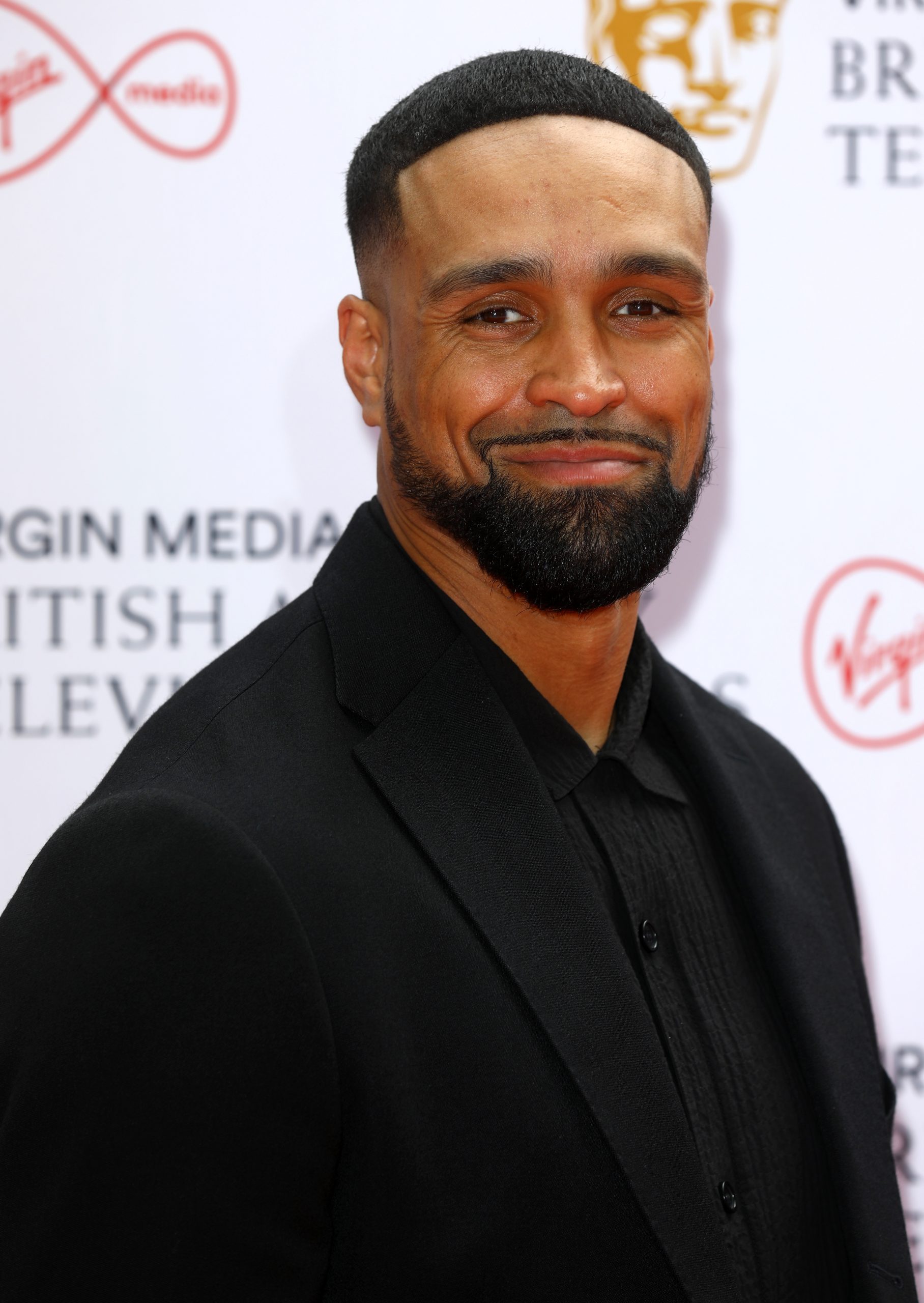
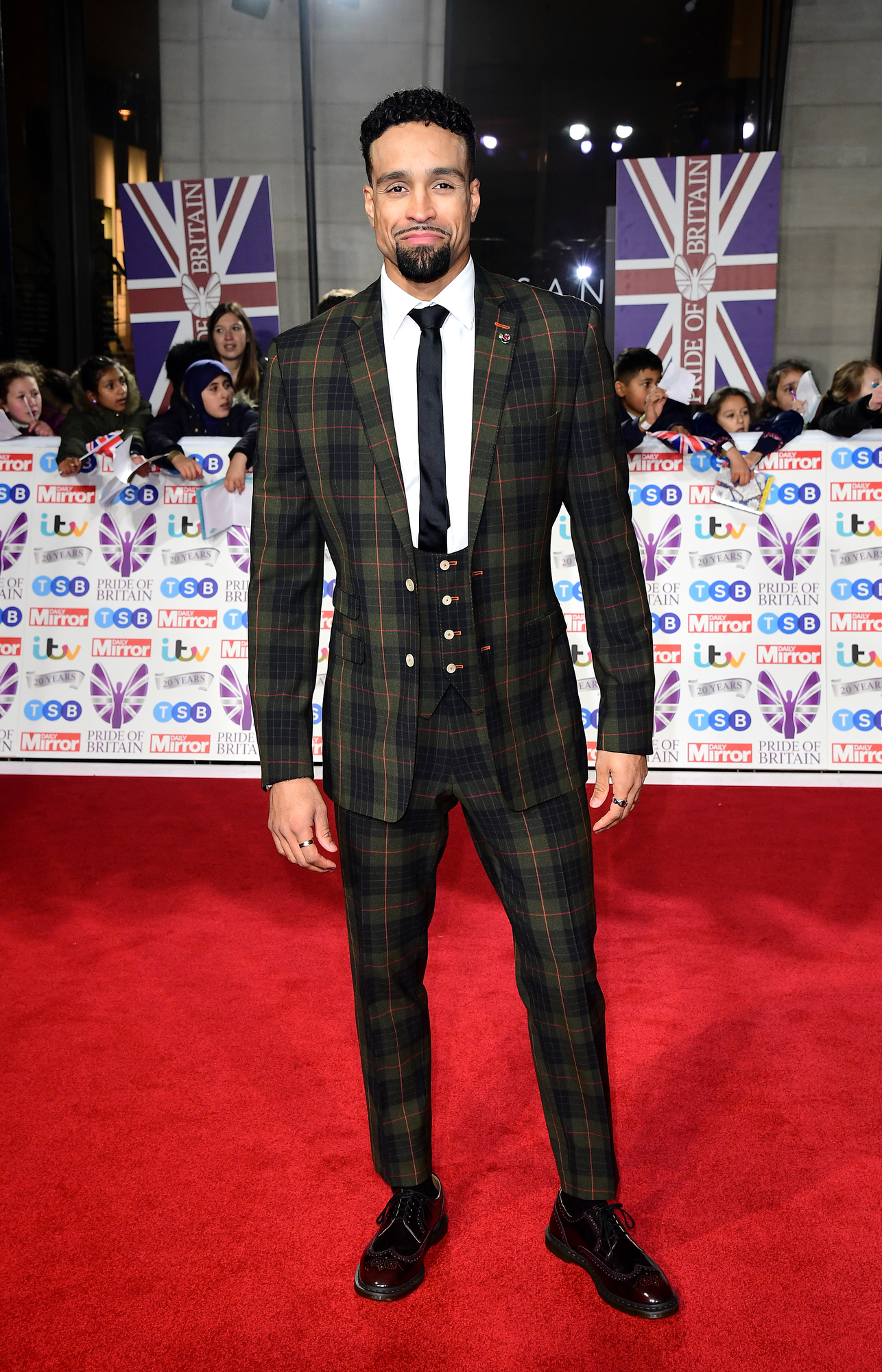
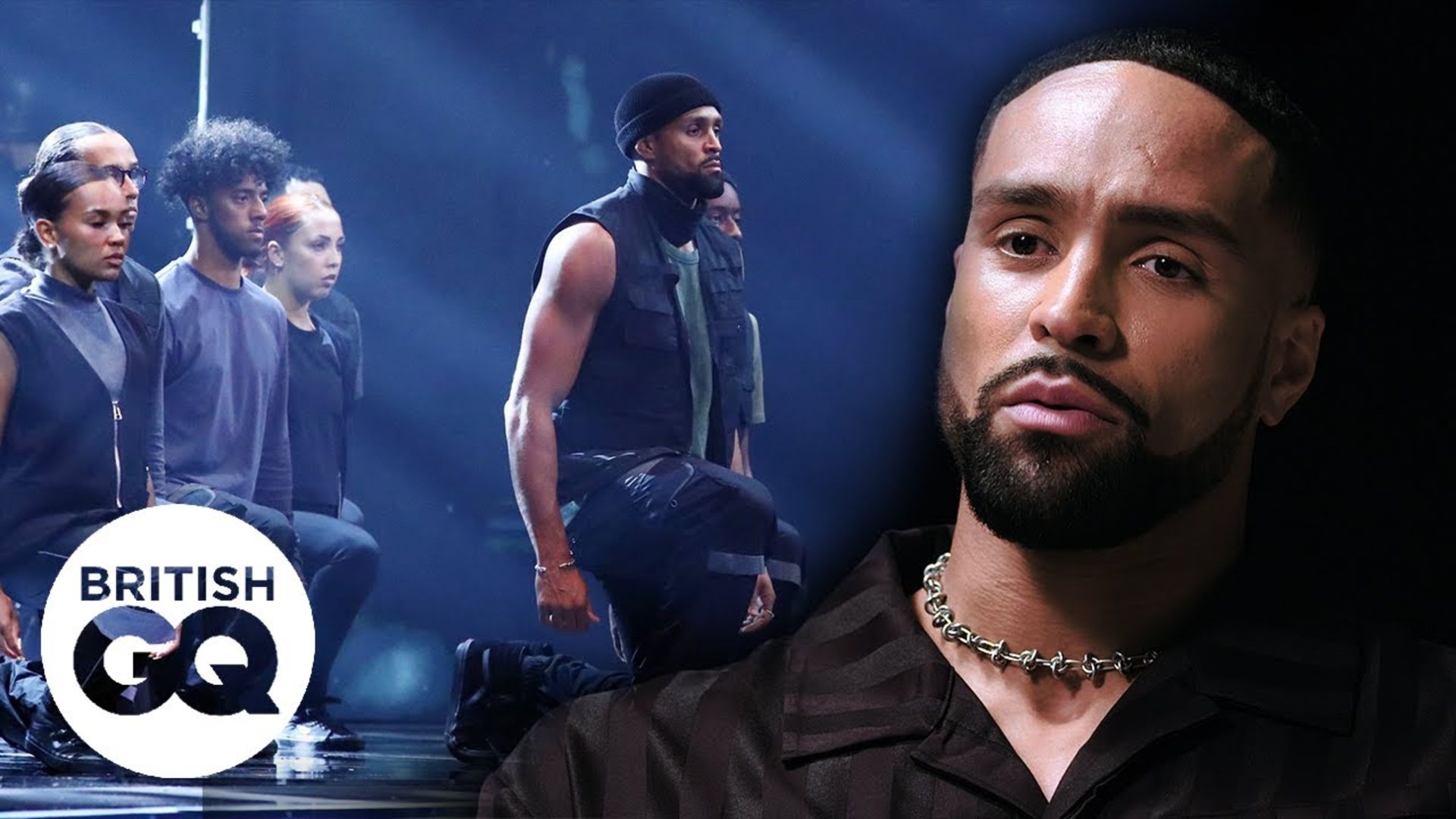
Ashley Banjo, best known as the leader and choreographer of the dance troupe Diversity (which won the third series of Britain's Got Talent in 2009), stepped into the role of choreographer, mentor, and team captain for these specials. Rather than appearing in a purely casual or spontaneous capacity, Banjo's involvement was structured around professional dance training. His primary objective was to transform a diverse group of celebrities—many with no prior dance experience and various body types—into a cohesive, confident troupe capable of performing under intense public scrutiny.
The television specials were not intended as sensationalist entertainment for its own sake. Instead, every performance served a distinct public health messaging campaign. By tackling taboos surrounding male and female reproductive and intimate cancers, the programs used the vulnerability of a striptease to break down embarrassment, encourage medical consultations, and ultimately save lives through early diagnosis.
Ashley Banjo’s Role as Choreographer and Mentor
Ashley Banjo’s contribution to The Real Full Monty extends far beyond basic dance instruction. As a seasoned professional who has spent years on massive stages, Banjo brought an understanding of theatricality, staging, and psychological encouragement. Many participating celebrities expressed severe body image anxieties, personal insecurities, or trauma related to cancer within their own families.
Banjo’s approach combined strict discipline with empathetic leadership. He structured the rehearsal process to help participants conquer their fears incrementally. Starting with basic fitness and rhythm exercises, the training gradually progressed toward the psychological uninhibitedness required for the final routine. This methodical approach helped contestants realize that the performance was not about physical perfection, but about solidarity, courage, and a shared mission.
| Program Title / Special | Broadcaster | Primary Cause & Focus | Ashley Banjo’s Role |
|---|---|---|---|
| The Real Full Monty (2017) | ITV | Testicular and prostate cancer awareness | Lead Choreographer and Mentor |
| The Real Full Monty: Ladies' Night (2018) | ITV | Breast and cervical cancer awareness | Lead Choreographer and Mentor |
| The Real Full Monty: On Ice (2020) | ITV | Cancer awareness via ice skating routines | Lead Choreographer and Director |
| The Real Full Monty (Current Iterations) | ITV | General life-saving cancer check campaigns | Lead Producer/Director and Mentor |
The table above illustrates the expansion of the format over the years. What began as a single male-centric television special grew into gender-specific editions and even ice-skating adaptations, all maintaining the core mission of driving health awareness under Banjo's creative direction.
Public Reception, Regulation, and Broadcast Standards
Broadcasting partial nudity on mainstream British television requires careful navigation of watershed regulations and broadcast standards set by Ofcom. Because The Real Full Monty specials are broadcast after the 9:00 PM watershed, ITV has legal latitude to show mature content, provided it serves a legitimate editorial, artistic, or educational purpose.
The public reception of these performances has historically been overwhelmingly positive, distinguishing itself from tabloid sensationalism through its transparent charitable framework. Viewers and media critics frequently praised the courage of the participating celebrities and the sensitivity with which Banjo handled the choreography. Rather than playing the moments for cheap laughs, the direction emphasized emotional resonance, personal storytelling, and direct calls to action, such as displaying helpline numbers and NHS advisory links on screen during the broadcasts.
Furthermore, medical charities frequently reported surges in website traffic and direct inquiries following the broadcasts. This measurable impact validated the format, proving that prime-time entertainment could successfully intersect with serious public health advocacy.
Key Elements and Impact of the Performances
The success of these television events relies on several structural and emotional components that resonate with millions of viewers:
- Vulnerability and Authenticity: Watching familiar television presenters, actors, and athletes overcome profound personal insecurities humanizes the public figures and mirrors the anxieties everyday people feel about medical examinations.
- Professional Execution: Under Ashley Banjo's direction, the routines are treated as genuine theatrical dance pieces, utilizing lighting, music, and synchronized choreography to elevate the performance above a simple novelty act.
- Direct Public Health Calls to Action: The production integration ensures that entertainment is immediately paired with actionable health guidance, urging viewers to check themselves and consult general practitioners (GPs) regarding unusual symptoms.
- Sustained Legacy: The specials have inspired community adaptations across the United Kingdom, encouraging local groups to host similar fundraising and awareness events.
Common Misconceptions and Search Intent Clarifications
Online searches utilizing terms like "ashley banjo naked performance" often stem from curiosity about what actually happens during these television broadcasts or whether Banjo himself participates in the stripping aspects of the show.
To clarify these points accurately:
- Is Ashley Banjo naked on the show? No. While Ashley Banjo choreographs, leads, and directs the routines, his role is primarily that of the professional mentor guiding the celebrity participants who perform the striptease.
- Is the performance explicit? The routines are carefully choreographed and staged to culminate in strategic, covered partial nudity or comedic reveal moments that comply strictly with post-watershed broadcast regulations. They are designed for dramatic and advocacy impact, not adult entertainment.
- What is the ultimate goal? The driving purpose is always cancer awareness, fundraising for major health charities, and encouraging viewers to undergo routine medical screenings.
Practical Guidance for Viewers Seeking Health Information
For audiences inspired by these television broadcasts to learn more about cancer symptoms, self-examination techniques, or screening programs, relying on verified medical resources is essential.
- Consult Official Health Services: In the UK, the National Health Service (NHS) provides comprehensive, verified guidelines on recognizing early signs of breast, testicular, prostate, and cervical cancers.
- Support Recognized Charities: Organizations such as Cancer Research UK, Macmillan Cancer Support, and Prostate Cancer UK offer direct assistance, informational materials, and support networks for patients and families.
- Prioritize Professional Medical Advice: Television specials serve as powerful awareness tools, but they cannot replace professional medical diagnosis. Anyone experiencing persistent or unexplained physical symptoms should schedule an appointment with a qualified healthcare provider immediately.
By understanding the television context, the professional leadership of Ashley Banjo, and the serious public health mission behind The Real Full Monty, viewers can appreciate these high-profile broadcasts for what they truly are: a blend of high-energy entertainment and vital, life-saving advocacy.