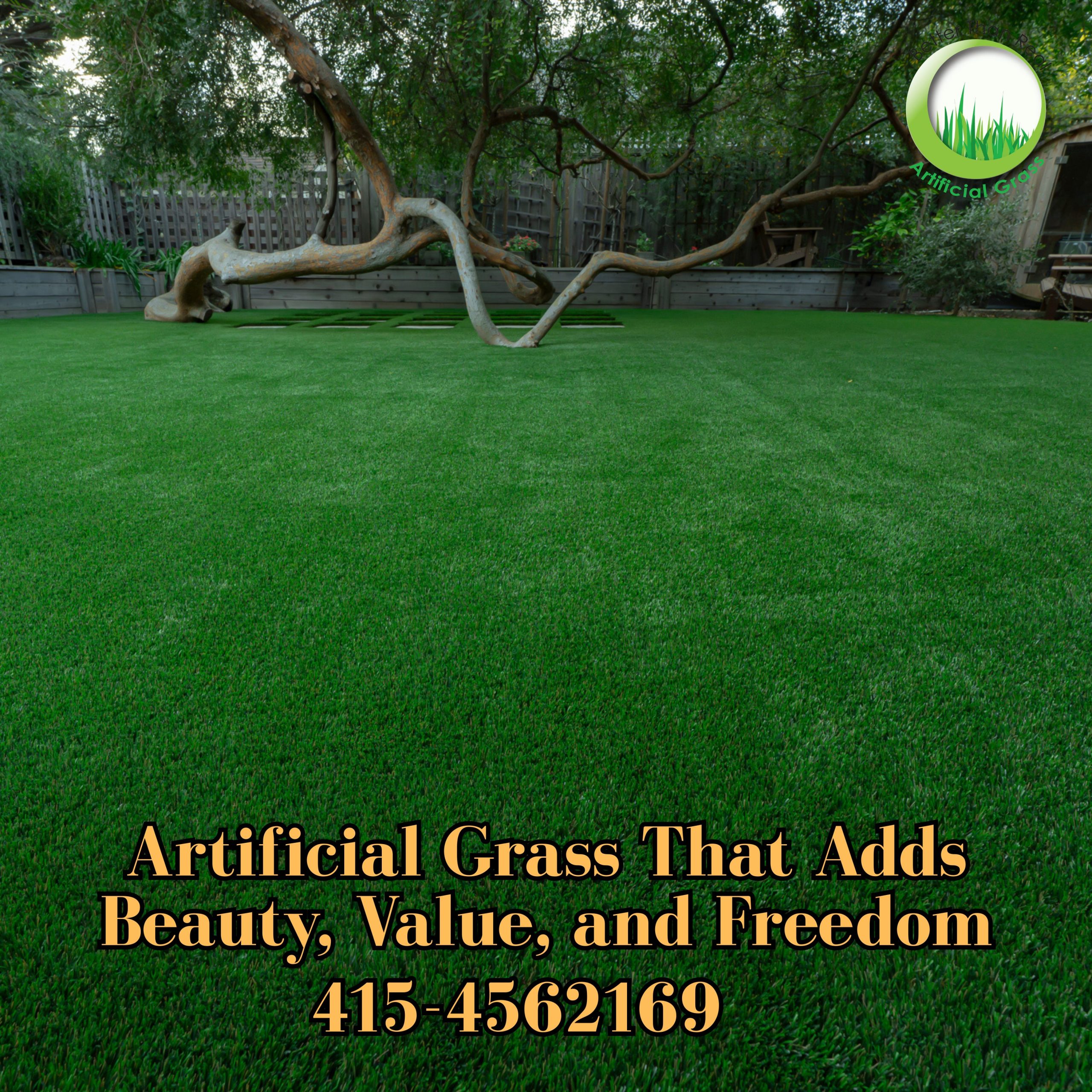
Artificial grass in California has evolved from a niche luxury to a mainstream necessity for homeowners and commercial property managers seeking to mitigate the effects of persistent drought and rising water utility rates. In 2026, synthetic turf serves as a critical component of water-wise landscaping, providing a durable, aesthetically pleasing alternative to natural sod while complying with strict state environmental regulations.
The shift toward synthetic surfaces is driven by California’s unique climate challenges and a robust legislative framework that protects the rights of property owners to install drought-tolerant landscaping. Whether you are navigating Homeowners Association (HOA) guidelines in Orange County or seeking to reduce maintenance costs for a commercial complex in Sacramento, understanding the technical specifications, legal landscape, and installation requirements of artificial grass is essential for a successful transition.
The California Context: Why Synthetic Turf Dominates in 2026
California’s relationship with water has fundamentally reshaped the state's approach to residential and commercial landscaping. With the California Department of Water Resources implementing more stringent tiers of the Model Water Efficient Landscape Ordinance (MWELO), the traditional "green lawn" is increasingly difficult and expensive to maintain.
Water Conservation and Economic Incentives
Natural grass in California requires approximately 55 to 70 gallons of water per square foot annually, depending on the microclimate. For a standard 1,000-square-foot lawn, this translates to over 50,000 gallons of water per year. In contrast, artificial grass requires zero irrigation for growth, necessitating only occasional rinsing for dust or pet waste.
Many California water districts, including the Metropolitan Water District of Southern California (MWD) and the Los Angeles Department of Water and Power (LADWP), continue to offer "Turf Replacement" rebates. As of 2026, these programs often provide between $2 and $5 per square foot to homeowners who replace living grass with sustainable alternatives, which can include high-quality synthetic turf when paired with permeable elements.
Legislative Protections (Civil Code 4735)
A common concern for Californians is the restriction of artificial grass by HOAs. However, California Civil Code Section 4735 renders void and unenforceable any provision of the governing documents that prohibits, or includes conditions that have the effect of prohibiting, the use of low water-using plants as a group or as a replacement for existing grass. This legislation explicitly protects the use of artificial turf, though HOAs retain the right to impose "reasonable" architectural standards regarding the quality and appearance of the product.
Technical Specifications: Choosing the Right Turf
Selecting artificial grass in California requires more than just picking a shade of green. The state’s high UV index and varied temperatures necessitate specific material compositions to ensure longevity and safety.
Material Composition
- Polyethylene (PE): The most common material for residential lawns in 2026. It offers a soft texture and a realistic appearance. PE is highly resistant to UV degradation, preventing the "fading" common in lower-quality products.
- Polypropylene (PP): Frequently used for putting greens and as a thatch layer. It is more heat-resistant but slightly more abrasive than polyethylene.
- Nylon: The strongest and most heat-resistant fiber. While more expensive, it is often used in high-traffic commercial areas or as a secondary fiber to help the lawn "spring back" after being walked on.
Pile Height and Face Weight
- Pile Height: This refers to the length of the grass blades. For a standard residential look in California, a pile height of 1.5 to 1.75 inches is recommended. Shorter heights (under 1 inch) are common for pet runs and sports surfaces, while heights over 2 inches may require more frequent brushing to prevent matting.
- Face Weight: Measured in ounces per square yard, face weight indicates the density of the turf. In 2026, premium California installations typically use a face weight of 70 to 90 ounces. Higher face weights generally translate to better durability and a more "plush" feel underfoot.
Heat Mitigation Technology
One of the primary criticisms of synthetic turf is heat retention. In regions like the Inland Empire or the Central Valley, surface temperatures on standard turf can exceed 150°F. Modern California-spec turf utilizes cool-yarn technology, which incorporates specialized pigments and blade shapes (such as "U" or "W" shapes) to reflect infrared light rather than absorbing it. This can reduce surface temperatures by up to 15% to 20% compared to older flat-blade varieties.
The Professional Installation Process in California
A successful artificial grass installation in California is defined by the quality of the "sub-base" and drainage system. Because many parts of the state have expansive clay soils, proper ground preparation is non-negotiable.
1. Site Preparation and Excavation
The process begins with the removal of existing sod and soil, typically to a depth of 3 to 4 inches. This excavation ensures that the finished turf sits flush with surrounding hardscapes like patios and walkways.
2. Base Installation and Compaction
A layer of Class II Road Base or Decomposed Granite (DG) is spread and compacted. This creates a stable, porous foundation. In 2026, installers increasingly emphasize permeability. A properly compacted base allows water to drain through the turf and into the water table, preventing runoff that can contribute to local flooding during heavy atmospheric river events.
3. Weed Barrier and Turf Layout
A heavy-duty geotextile weed barrier is applied to prevent native California weeds from penetrating the backing. The turf is then rolled out, ensuring the "grain" of the blades faces the primary viewing angle (usually toward the house or the street).
4. Seaming and Securing
For larger areas, multiple rolls of turf must be joined. Professional installers use high-strength adhesive and seaming tape to ensure the joints are invisible and durable. The perimeter is secured with 6-inch galvanized landscape nails or "U" staples every few inches.
5. Infill Application
Infill is the final component, consisting of small granules spread across the turf and brushed into the fibers. It serves three roles: it weighs down the turf, keeps the blades upright, and protects the backing from UV damage. In California, antimicrobial acrylic-coated sand is the preferred choice for pet owners to prevent odors, while silica sand remains the standard for general use.
Comparison of Landscaping Options in California (2026)
| Feature | Natural Sod | Artificial Grass | Xeriscaping (Drought-Tolerant) |
|---|---|---|---|
| Annual Water Use | High (55+ gal/sq.ft.) | Minimal (Cleaning only) | Low (Variable) |
| Maintenance Labor | High (Mowing, Edging) | Low (Brushing, Rinsing) | Moderate (Pruning, Weeding) |
| Initial Cost | Low ($1–$3/sq.ft.) | High ($8–$15/sq.ft.) | Moderate ($5–$12/sq.ft.) |
| Lifespan | Indefinite (with care) | 15–20 Years | Variable by species |
| Heat Retention | Low (Cools air) | Moderate to High | Low to Moderate |
| Rebate Eligibility | No | Yes (Most districts) | Yes (Most districts) |
Environmental Considerations and PFAS Regulations
In 2026, environmental scrutiny of artificial grass has intensified. The California Legislature has passed several measures ensuring that synthetic turf sold in the state is free from "forever chemicals" or PFAS (per- and polyfluoroalkyl substances). When sourcing artificial grass in California, it is vital to verify that the manufacturer provides a PFAS-free certification.
Furthermore, end-of-life recycling has become a priority. While historical turf often ended up in landfills, newer 2026 products are designed with polyolefin-based backings that are fully recyclable. Several facilities in Southern California and the Bay Area now specialize in separating the infill from the plastic fibers to repurpose the materials for industrial use.
Maintenance Requirements for the California Climate
While "maintenance-free" is a common marketing term, artificial grass in California requires specific care to maximize its 20-year lifespan:
- Debris Removal: California’s dry season can lead to an accumulation of leaves and organic matter. If left to decompose, this can create a substrate for weed growth within the turf fibers. Use a leaf blower or a plastic rake (never metal) to clear the surface.
- Brushing: High-traffic areas may experience matting. Periodically use a power brush or a stiff synthetic broom to "re-bloom" the fibers and keep them standing upright.
- Sanitization: For pet owners, California's heat can exacerbate odors. Regular application of an enzymatic cleaner specifically designed for synthetic turf is necessary to break down uric acid crystals.
- Watering for Temperature Control: On peak summer days, a quick 2-minute "spritz" can significantly lower the surface temperature through evaporative cooling, making the lawn comfortable for children and pets.
Frequently Asked Questions
Is artificial grass legal in all California cities?
Yes, under California Civil Code 4735, local governments and HOAs cannot prohibit the use of drought-tolerant landscaping, which includes artificial grass. However, they can mandate specific quality standards, such as a minimum face weight or a specific range of natural-looking colors, to ensure the turf does not negatively impact neighborhood aesthetics.
How long does artificial grass last in the California sun?
High-quality synthetic turf installed in 2026 is engineered to last between 15 and 25 years. The primary factor in longevity is the UV stabilizer used in the manufacturing process. Premium polyethylene fibers are tested to withstand the equivalent of 20+ years of California sun without significant fading or fiber breakdown.
Can artificial grass be installed over a pool deck or concrete?
Yes, it can be installed over hard surfaces, but it requires a specialized drainage tile or "drain core" system underneath. Without this, water can become trapped between the turf and the concrete, leading to mold, mildew, and unpleasant odors.
Is it safe for dogs and cats?
Artificial grass is highly popular among California pet owners because it eliminates mud and "brown spots" caused by pet urine. Most modern turf is non-toxic and lead-free. The key for pet owners is ensuring the use of a permeable backing and an antimicrobial infill to manage drainage and hygiene effectively.
Will artificial grass increase my property value?
In California’s 2026 real estate market, professional artificial grass installation is often viewed as a value-add, similar to a kitchen remodel or drought-tolerant xeriscaping. It signals to potential buyers that the property is "low-maintenance" and "water-conscious," which are highly desirable traits in drought-prone regions.
Practical Recommendations for Next Actions
If you are considering artificial grass for your California property, your first step should be to consult the California Department of Water Resources or your local water agency to check for available turf replacement rebates. Many of these programs require a pre-inspection before you remove your existing lawn.
Once rebates are confirmed, seek out a licensed C-27 (Landscaping) or D-12 (Synthetic Product) contractor. Ensure they provide a sample of the specific turf variety, a PFAS-free certification, and a minimum 10-year manufacturer warranty. Because the California sun is the greatest threat to your investment, prioritize products with proven cool-yarn technology and high UV resistance ratings.