Paris remains the undisputed heart of the global art market, blending centuries of tradition with a rapidly evolving contemporary scene. Attending art shows in the city requires careful planning, as the ecosystem ranges from massive, internationally recognized trade fairs like Art Basel Paris to intimate, gallery-driven neighborhood events. Understanding the seasonal calendar, ticketing requirements, and the distinct nature of each venue ensures you can maximize your visit to one of the world's most vibrant cultural landscapes.
The Landscape of Parisian Art Fairs
The Parisian art calendar is defined by a cycle of major events that attract collectors, gallerists, and curators from across the globe. By 2026, the city has consolidated its position as a primary European hub, primarily driven by the professionalization of its flagship events.
Art Basel Paris
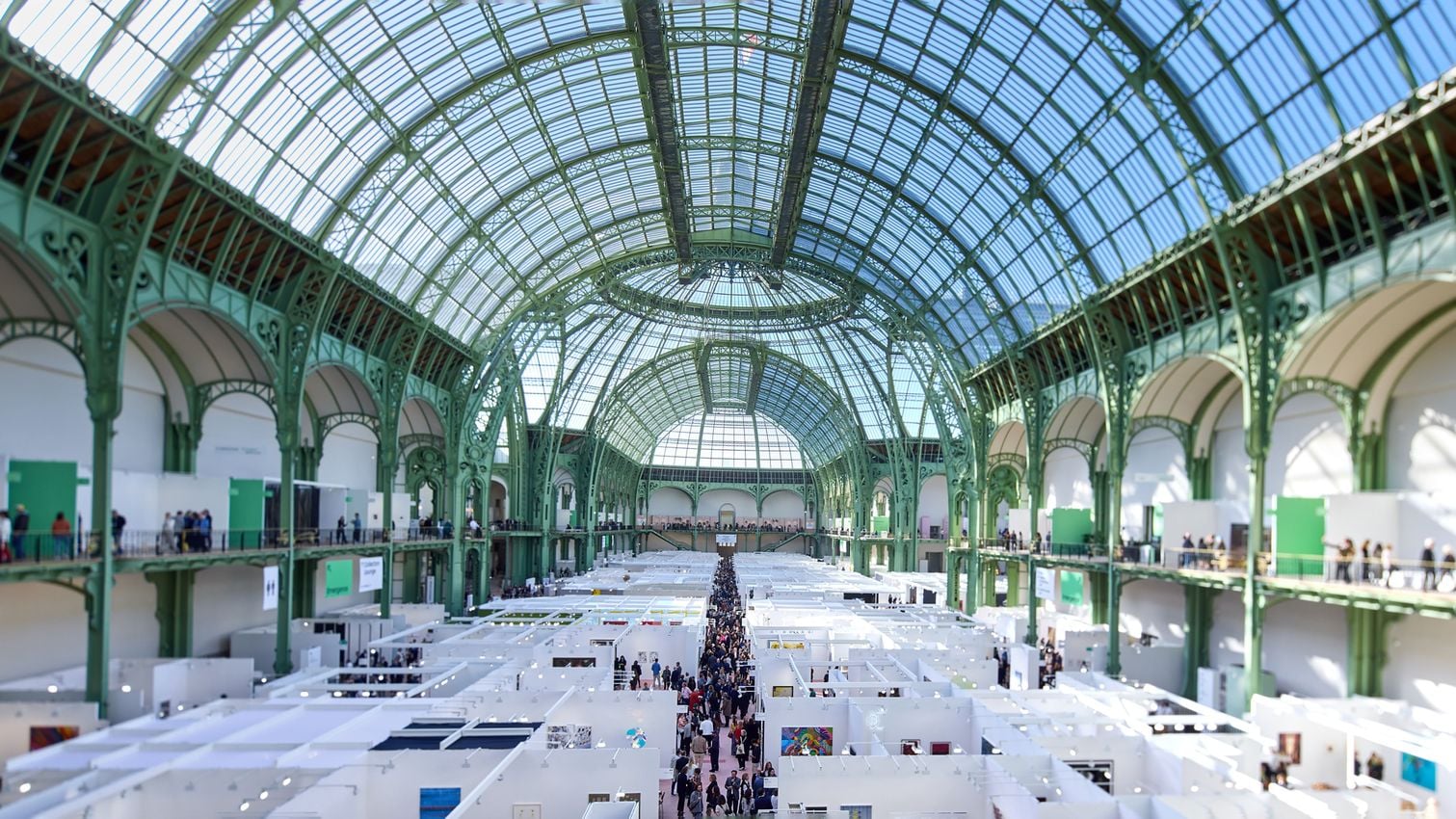
Formerly known as FIAC and later Paris+ par Art Basel, Art Basel Paris has solidified its role as the anchor of the autumn season. Held at the Grand Palais, this fair is the definitive destination for modern and contemporary art. It is a high-stakes environment where primary galleries from London, New York, and Hong Kong present their top-tier inventory.
- Target Audience: Serious collectors, institutional buyers, and high-net-worth individuals.
- Prerequisites: Advance booking is mandatory. VIP credentials—often requiring prior invitation or documented history of acquisition—grant early access during the "Preview" days, which are essential for securing significant works before they are claimed by private collections.
Independent and Satellite Fairs
While the Grand Palais captures the headlines, the surrounding "satellite" fairs offer a more approachable entry point. Events like Galeristes focus on the relationship between artists and dealers, fostering a more conversational atmosphere. Meanwhile, specialized fairs focusing on photography, such as Paris Photo at the Grand Palais Éphémère, provide deep, curated explorations of specific mediums that are often overshadowed at broader fairs.
Essential Planning: Timing and Logistics
Navigating Paris during the peak of art show season—typically October—requires logistical foresight. Hotels often reach capacity months in advance, and the city’s transit systems become significantly busier.
- Strategic Scheduling: Align your visit with the "Art Week" designation. Most major fairs are grouped within a ten-day window to facilitate travel for international collectors.
- Ticketing Tiers: Distinguish between public days and professional days. Public days allow for casual viewing but often involve significant queuing. Professional days provide the quiet required for technical evaluation and negotiation but necessitate formal registration.
- Digital Access: Use official fair apps to pre-register your interests. By 2026, most major Parisian art events have transitioned to digital-first ticketing, meaning physical tickets at the door are increasingly rare and often sold out weeks ahead of time.
Comparative Overview of Major Art Events
| Event Name | Primary Focus | Typical Timing | Atmosphere |
|---|---|---|---|
| Art Basel Paris | Blue-chip Contemporary | October | High-energy, Exclusive |
| Paris Photo | Photography & Film | November | Academic, Curated |
| Drawing Now | Contemporary Drawing | March | Niche, Artistic |
| Galeristes | Independent Gallerists | November | Intimate, Conversational |
Engaging with the Parisian Gallery Scene
Beyond the temporary fairs, the Parisian gallery scene provides the daily heartbeat of the art world. Neighborhoods such as Le Marais and Saint-Germain-des-Prés are home to permanent spaces that host rotating exhibitions throughout the year.
Unlike temporary art shows, permanent galleries offer a longer window for engagement. This is the optimal environment for:
- Developing Relationships: Collectors are encouraged to build long-term relationships with gallerists rather than treating them as simple retail clerks.
- Artist Profiles: Galleries often host vernissages (opening nights) which serve as social mixers. Checking gallery calendars online before arriving in Paris can help you coordinate your visit with an exhibition opening.
- Due Diligence: If you are considering a significant acquisition, the permanent gallery space is the correct venue to request provenance documents, condition reports, and authentication certificates.
Practical Steps for First-Time Visitors
If you are visiting Paris specifically to engage with the art market, follow this sequence to ensure your trip is productive rather than merely observational:
1. Define Your Objectives Are you looking to invest, decorate, or simply learn? If your goal is investment, prioritize the professional days of major fairs. If you are learning, focus on the "Public Days" and the vibrant, free exhibition spaces in the Marais district.
2. Verify Authenticity and Provenance Never purchase an artwork without verifying the credentials of the gallery. In France, the Comité Professionnel des Galeries d'Art (CPGA) maintains standards for member galleries. Ensure the gallery you are working with is recognized, especially when dealing with high-value items.
3. Account for Export and VAT International buyers must account for the Taxe sur la Valeur Ajoutée (VAT). In France, art imports may be subject to reduced VAT rates, but these regulations are complex. Always consult with a professional tax advisor or the gallery staff regarding the logistics of shipping artwork out of the European Union, as paperwork must be completed at the time of sale.
Common Mistakes to Avoid
- The "Queue" Trap: Avoid attempting to attend professional preview days without official accreditation. These days are strictly reserved for registered professionals and invitees.
- Underestimating Scale: The Grand Palais and other large exhibition halls are physically exhausting. Limit your focus to specific booths or sectors to avoid "fair fatigue," which impairs your ability to make sound acquisition decisions.
- Ignoring Local Rules: Photography policies vary by booth and gallery. Always ask before taking pictures of specific works, especially at private galleries where the artist may have specific exhibition restrictions.
Frequently Asked Questions
How do I get an invitation to the VIP preview days for Art Basel Paris? VIP status is typically extended to established collectors already within the fair’s database. If you are new, reach out to a gallery participating in the fair. Galleries have a limited number of VIP passes they can distribute to their most valued clients; demonstrating an intent to acquire or a strong interest in their specific roster is the best way to secure an invitation.
Are there free art shows I can attend in Paris? Yes. While major fairs charge admission, many galleries in the Marais and the Belleville districts host free exhibitions. Additionally, the Nuit Blanche festival in October often features public art installations throughout the city that are entirely free to the public.
What should I bring when visiting a high-end gallery? Bring an open mind and, if you are serious about a purchase, a record of your previous collecting interests. You do not need to bring cash; all major galleries operate through secure wire transfers and established banking systems.
Can I negotiate prices at Parisian art shows? Negotiation is common in the primary market, especially for established collectors. However, it is a delicate process. Discussing a "professional courtesy" or a discount for a multi-piece purchase is generally acceptable, but it should be done quietly and respectfully away from the public floor.
Is it safe to buy art in Paris? Paris has a highly regulated art market. Purchasing from established galleries that belong to trade associations provides a significant layer of legal protection. Always demand a formal invoice that includes the artist’s name, the title of the work, the medium, the date of creation, and proof of authenticity.
Recommendation for Your Next Action
If you are planning your visit for late 2026, begin by identifying which segment of the art market aligns with your interest. If you are a serious collector, navigate to the official website of the Grand Palais and review the exhibitor list for the upcoming autumn sessions. Once you identify three to five galleries that align with your aesthetic or investment goals, contact them directly via email before your trip to introduce yourself and express interest in their upcoming show. This proactive step transforms you from a passive attendee into an active participant in the Parisian art market.