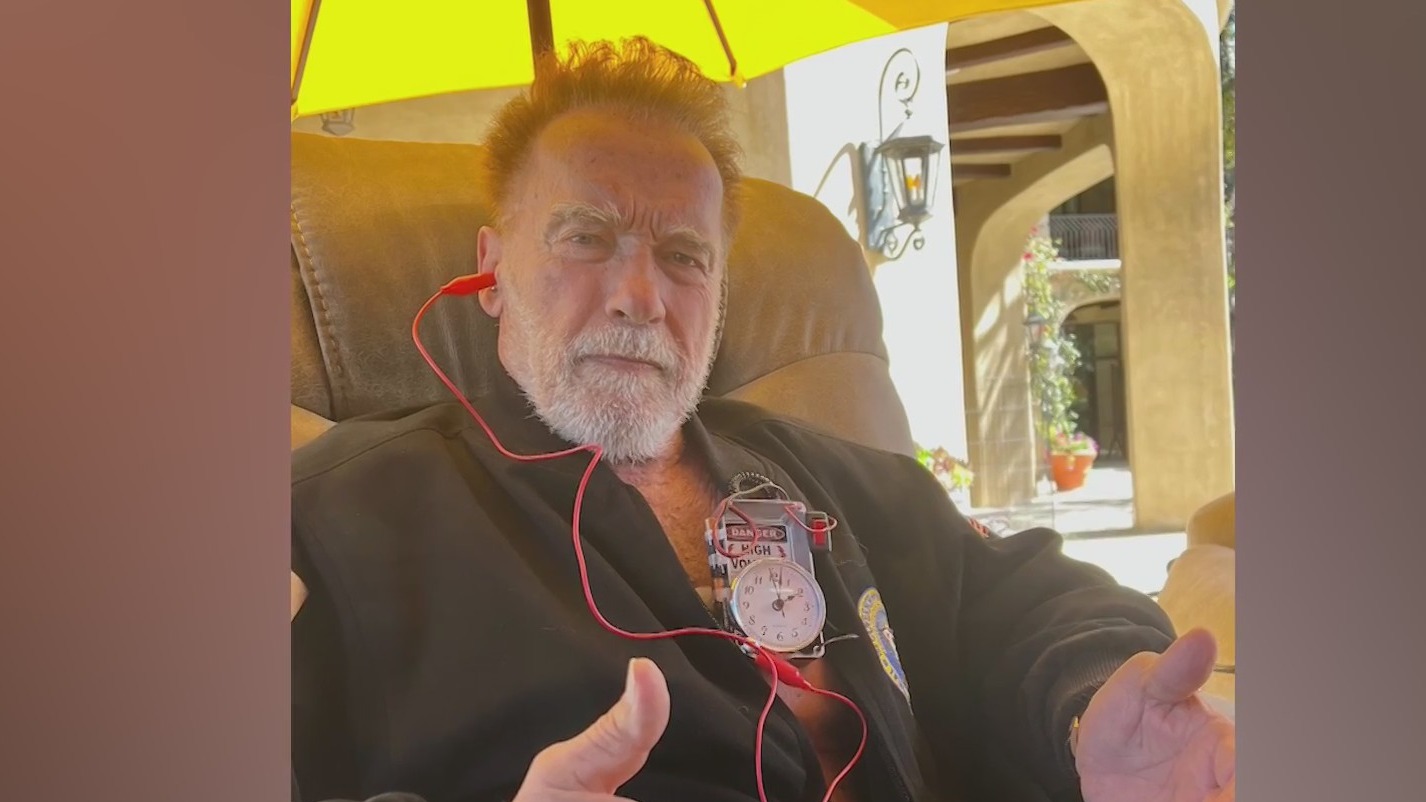
Arnold Schwarzenegger received a pacemaker in March 2024 to regulate an irregular heartbeat caused by scar tissue from previous heart surgeries. Now in 2026, the 78-year-old fitness icon remains fully active, using his experience to destigmatize cardiac procedures and encourage proactive health monitoring among his global audience of "fitness crusaders."
The Lifelong Battle with Congenital Heart Disease
Arnold Schwarzenegger’s journey with heart health did not begin in his later years; it is a lifelong narrative rooted in a congenital condition known as a bicuspid aortic valve. In a healthy heart, the aortic valve has three small flaps (leaflets) that open and close to regulate blood flow from the heart to the rest of the body. A bicuspid valve has only two leaflets. Over time, this anatomical variation often leads to complications such as aortic stenosis (narrowing of the valve) or regurgitation (leaking).
Schwarzenegger has been remarkably transparent about the fact that he inherited this condition from his mother, who refused surgery and eventually passed away due to valve complications. His decision to pursue medical intervention throughout his life has been a calculated strategy to avoid the fate of previous generations. Before the 2024 pacemaker implantation, Schwarzenegger had already undergone three major open-heart surgeries:
- 1997: Replacement of the aortic and pulmonary valves.
- 2018: Replacement of the pulmonary valve (which famously nearly resulted in his death during a "botched" non-invasive procedure that turned into emergency open-heart surgery).
- 2020: Replacement of the aortic valve at the Cleveland Clinic.
By 2026, these interventions are viewed not as signs of frailty, but as the very reason the "Austrian Oak" remains a dominant figure in entertainment and wellness. Each surgery was a prerequisite for his continued longevity, addressing the structural degradation inherent to his congenital defect.
Why Arnold Schwarzenegger Needed a Pacemaker
The transition from valve replacements to a pacemaker in March 2024 was a physiological consequence of his extensive surgical history. When a patient undergoes multiple open-heart surgeries, the heart tissue is subjected to repeated trauma, leading to the formation of fibrosis or scar tissue.
The heart’s rhythm is controlled by an internal electrical system. Electrical impulses travel through the heart muscle to trigger contractions. However, scar tissue does not conduct electricity. As the scar tissue from Schwarzenegger’s 1997, 2018, and 2020 surgeries accumulated, it began to interfere with the electrical signals traveling to his ventricles. This condition often manifests as a "heart block" or an irregular heartbeat (arrhythmia).
Schwarzenegger revealed in his podcast, Arnold’s Pump Club, that his doctors advised the pacemaker after his heart rate became dangerously irregular. Monitoring showed that his heart was no longer consistently maintaining the rhythm necessary to support his high-intensity lifestyle. The pacemaker serves as a fail-safe, monitoring the heart's natural rhythm and delivering a tiny electrical pulse if the heart rate drops too low or skips a beat.
The Technical Reality of Modern Pacemaker Technology
In 2026, pacemaker technology has reached a level of sophistication that allows patients to lead near-normal lives. These devices are roughly the size of a large coin and are typically implanted under the skin just below the collarbone.
For a high-performance individual like Schwarzenegger, the device likely features rate-responsive technology. This means the pacemaker uses sensors to detect physical activity or breathing rates and adjusts the heart rate accordingly. If Arnold is lifting weights or cycling, the device senses the increased demand for oxygen and increases the pacing rate, mimicking the natural physiological response of a healthy heart.
Standard Recovery and Integration
The recovery process for a pacemaker is significantly less invasive than the open-heart surgeries Schwarzenegger previously endured. Typically, the procedure is performed under local anesthesia with sedation.
- The First 48 Hours: Monitoring for lead displacement and site infection.
- The First 4-6 Weeks: Restriction of heavy lifting and overhead reaching on the side of the implant to allow the "leads" (the wires connecting the device to the heart) to scar into place securely.
- Long-term Maintenance: Modern batteries last between 7 and 12 years. In 2026, remote monitoring allows doctors to check the device’s performance and battery life via a smartphone app or a bedside console, reducing the need for frequent in-person hospital visits.
Summary of Arnold Schwarzenegger’s Cardiac History
The following table outlines the progression of Schwarzenegger's cardiac interventions, highlighting the shift from structural repairs to electrical regulation.
| Year | Procedure Type | Specific Target | Primary Cause |
|---|---|---|---|
| 1997 | Open-Heart Surgery | Pulmonic & Aortic Valve Replacement | Congenital Bicuspid Valve |
| 2018 | Open-Heart Surgery | Pulmonic Valve Replacement | Valve Degradation (End of Life) |
| 2020 | Non-Invasive (TAVR) | Aortic Valve Replacement | Valve Degradation (End of Life) |
| 2024 | Minimally Invasive | Pacemaker Implantation | Scar Tissue / Arrhythmia |
| 2026 | Maintenance | Remote Monitoring | Ongoing Performance Check |
Destigmatizing the "Machine": Arnold’s Cultural Impact
One of the most significant aspects of Arnold Schwarzenegger’s pacemaker announcement was his framing of the event. By joking that he was "becoming a little bit more of a machine" like his Terminator character, he effectively dismantled the stigma associated with cardiac devices.
For many aging men, the need for a pacemaker is often viewed as a "beginning of the end" or a sign of terminal decline. Schwarzenegger’s transparency—sharing his "boring" recovery updates and his swift return to the gym—provided a counter-narrative. He emphasized that medical technology is a tool for optimization, not a badge of weakness.
By 2026, his advocacy has led to increased awareness of preventative cardiology. He consistently encourages his audience to listen to their doctors, get regular EKG (electrocardiogram) tests, and not fear the "upgrades" that modern medicine offers. His message is clear: the goal is to stay "useful," and if a piece of technology helps maintain that utility, it should be embraced.
Training and Lifestyle with a Pacemaker in 2026
A common concern for fitness enthusiasts facing a pacemaker is how it will affect their ability to train. In 2026, Schwarzenegger continues to provide a blueprint for "training for longevity." While he has moved away from the heavy powerlifting of his "Pumping Iron" days, his routine remains rigorous but adapted for cardiac health.
Adaptation of Exercise
Post-pacemaker, the primary concern is avoiding direct trauma to the device site and ensuring the pacing rate matches the exertion level.
- Resistance Training: Arnold focuses on higher repetitions and controlled movements, which place less sudden "spike" stress on the cardiovascular system compared to maximal one-rep attempts.
- Cardiovascular Health: Low-impact cardio, such as cycling or brisk walking, is prioritized to maintain heart muscle elasticity without overtaxing the electrical system.
- Monitoring: Using wearable technology to cross-reference the pacemaker's activity with external heart rate monitors ensures he stays within his "target zone" for safety and efficiency.
Expert Perspectives on Multiple Heart Surgeries
Medical professionals often point to Schwarzenegger as a "best-case scenario" for cardiac resilience. Undergoing four major heart procedures by age 76 is a significant burden on the body. However, his lifelong commitment to nutrition, muscle mass (which aids in metabolic recovery), and mental fortitude has played a crucial role in his survival and high functioning.
Cardiologists note that the primary risk in 2026 for a patient with his history is the management of anticoagulants (blood thinners) and the prevention of endocarditis (infection of the heart lining). Because artificial valves and pacemaker leads are foreign objects, they can become sites for bacterial growth. Schwarzenegger’s disciplined approach to dental hygiene and infection prevention is as vital as his gym routine.
Frequently Asked Questions
Can Arnold Schwarzenegger still lift weights with a pacemaker?
Yes, Arnold Schwarzenegger returned to weight training shortly after his 2024 procedure. While he avoids extreme heavy loading that could strain the surgical site or cause excessive blood pressure spikes, he continues a daily resistance training regimen. By 2026, his routine is a model for "active aging," focusing on maintaining muscle mass to support metabolic health.
Why did the pacemaker become necessary so long after his first surgery?
The necessity for a pacemaker was cumulative. Each of his three previous surgeries created a small amount of scar tissue. Over 27 years (from 1997 to 2024), this scar tissue eventually blocked the natural electrical pathways of his heart. This is a common long-term progression for patients who have had multiple valve replacements.
Is Arnold Schwarzenegger's heart condition common?
Bicuspid aortic valve disease affects approximately 1% to 2% of the population. It is the most common congenital heart defect. While many people live their whole lives without knowing they have it, others require the series of interventions Schwarzenegger has experienced to prevent heart failure or aortic aneurysm.
How often does a pacemaker need to be replaced?
The device itself does not usually need "repair," but the battery has a finite life. In 2026, most pacemaker batteries last between 7 and 12 years. When the battery runs low, the entire generator (the small box) is replaced in a minor outpatient procedure, while the leads (the wires in the heart) are usually left in place if they are functioning correctly.
Did the pacemaker affect Arnold's acting or filming schedule?
Following his March 2024 surgery, Schwarzenegger took a brief hiatus before returning to film Season 2 of his hit series FUBAR. His recovery was remarkably fast, and by 2026, he continues to maintain a full schedule of acting, hosting his fitness crusade, and environmental advocacy, proving the device has not limited his professional output.
Practical Recommendations for Heart Health
If you or a loved one are facing a cardiac diagnosis or the possibility of a pacemaker, consider the following steps based on the clinical standards observed in high-performing patients like Schwarzenegger:
- Prioritize Transparency: Discuss your family history of heart disease with your physician. Congenital issues often have a genetic component.
- Monitor Early: If you have a known valve issue, regular echocardiograms and EKGs are non-negotiable. Detecting an irregular rhythm early can prevent emergency situations.
- Build a "Health Buffer": Maintaining muscle mass and cardiovascular fitness before surgery significantly improves post-operative outcomes. Schwarzenegger’s "pre-hab" was his decades of fitness.
- Embrace the Technology: Modern cardiac devices are not "life-limiters"; they are "life-extenders." View a pacemaker as a regulatory tool that allows you to continue the activities you love.
- Seek Specialized Care: For complex cases involving multiple surgeries, seeking treatment at high-volume cardiac centers (like the Cleveland Clinic, where Schwarzenegger was treated) ensures access to the latest minimally invasive techniques.
For further information on managing heart valve disease or understanding pacemaker procedures, visit the American Heart Association or the Mayo Clinic's cardiology department for the most current clinical guidelines and patient resources.