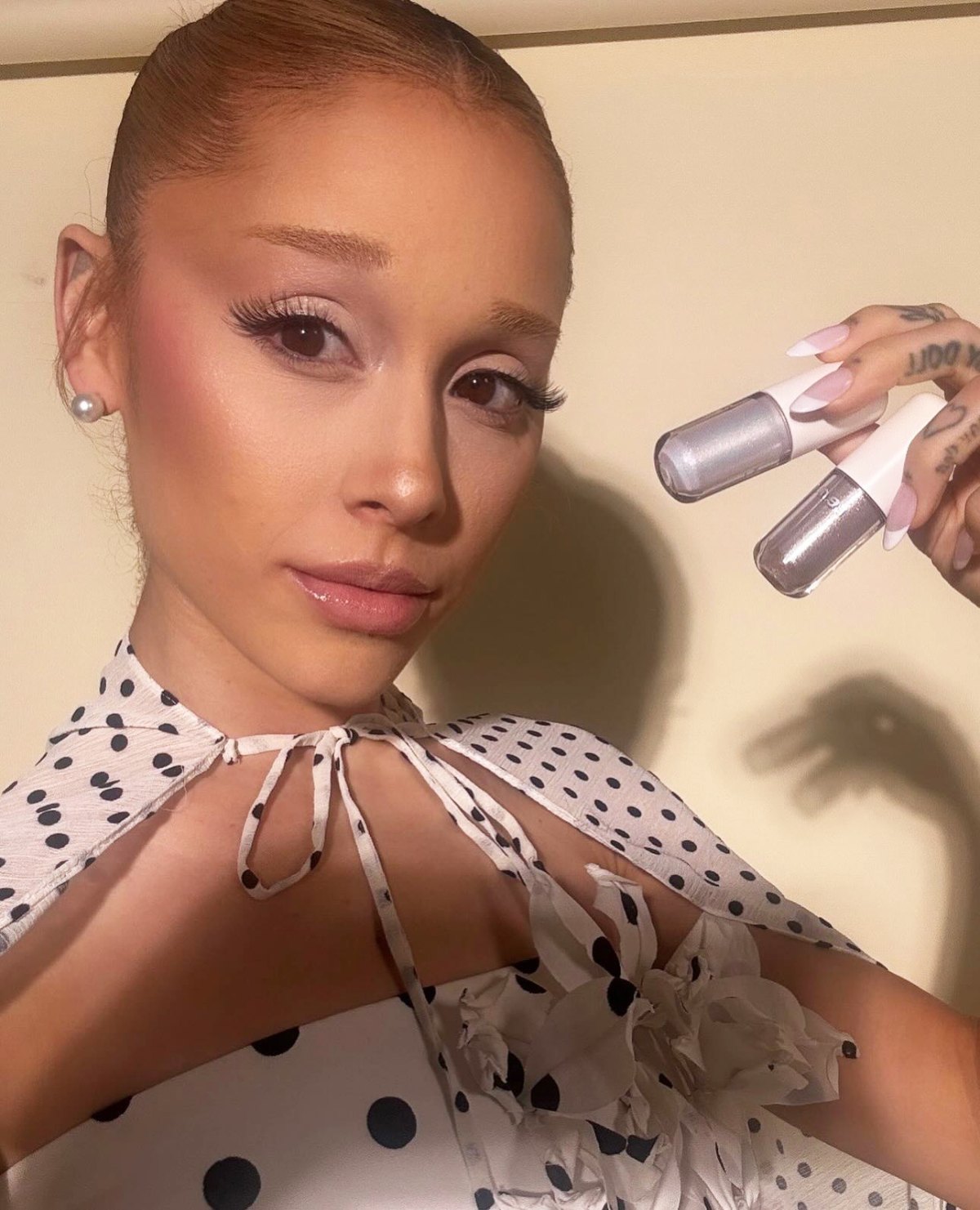
Ariana Grande’s transition to a short, chic bob hairstyle represented a significant departure from her signature, ultra-long high ponytail, signaling a new aesthetic era. This transformation, characterized by its sharp edges and sophisticated silhouette, influenced contemporary hair trends, demonstrating how celebrities use dramatic hair changes to define personal growth and artistic reinvention.
The narrative surrounding Ariana Grande’s hair has always been a subject of intense public and media interest. For years, the singer’s trademark high ponytail served as both a style icon and a protective measure following years of chemical damage sustained during her time portraying Cat Valentine on Nickelodeon’s Victorious and Sam & Cat. When she opted for a blunt, chin-length bob, it was not merely a cosmetic adjustment; it was a deliberate stylistic pivot that mirrored her evolution into more mature artistic ventures, including her role in the Wicked film franchise and her later musical projects.
The Evolution of the Signature Ponytail
To understand the significance of the bob, one must first recognize the cultural weight of the ponytail. Grande’s long, often extended, high ponytail was a central component of her public identity during the mid-2010s. It became an instantly recognizable silhouette, synonymous with her pop-star persona.
However, the weight and tension associated with such an intense style frequently lead to traction alopecia and hair breakage. Grande’s public acknowledgment of her hair damage—and her subsequent integration of extensions—humanized her image. By choosing a bob, she effectively prioritized the health of her natural hair, proving that radical aesthetic changes can be both a creative statement and a practical necessity for recovery.
The Mechanics of the Bob Transformation
The "unexpected" nature of the transformation stems from the sharp contrast between her previous look and the precision of the bob. A bob, in technical terms, requires a specific approach to cutting geometry. For those looking to replicate the style, understanding the technical requirements is essential.
- Consultation and Face Shape: A chin-length or jaw-line bob accentuates the jawline. For individuals with rounder faces, a slightly longer cut often provides more balance.
- Texture Consideration: The bob requires a commitment to styling. Whether the hair is fine, medium, or coarse, the blunt ends of a bob can make fine hair appear thicker, while dense hair may require internal texturizing to prevent a "triangular" effect.
- Maintenance Requirements: Unlike a long ponytail, which can be easily gathered, a bob requires consistent maintenance. The "sharpness" that defines the look typically necessitates a trim every 6 to 8 weeks to maintain the perimeter line.
- Styling Tools: Achieving the sleek finish often associated with this look requires a high-quality flat iron or a round brush blow-dry technique to ensure the ends tuck inward rather than flipping out.
Comparing Hair Styles for Maintenance and Health
Choosing between long extensions and a short, natural bob involves weighing aesthetic preferences against hair health. The following table provides a comparison of the requirements for these two distinct styles.
| Feature | Signature Long Ponytail | Modern Blunt Bob |
|---|---|---|
| Hair Health | High risk of tension/breakage | Low tension; promotes health |
| Styling Time | High (requires smoothing/styling) | Moderate (daily smoothing needed) |
| Professional Upkeep | Frequent (tightening extensions) | Regular (trimming the perimeter) |
| Styling Versatility | High (braids, updos, volume) | Moderate (sleek, textured, or wavy) |
| Cost Factors | High (extensions, maintenance) | Moderate (frequent salon cuts) |
Technical Considerations for Dramatic Hair Changes
Transitioning from long hair to a short, blunt cut is a significant decision. For those inspired by celebrity transformations, it is important to treat the process with professional rigor. When you decide to "go short," you are physically removing weight from your hair follicles. This can change how your hair reacts to humidity, gravity, and daily care products.
One common mistake individuals make is underestimating the "growth phase" of a bob. As the hair grows out, the shape begins to lose its intended architectural edge. Unlike long hair, which maintains its appearance for longer periods between cuts, a short bob will quickly evolve into a "lob" (long bob). If you intend to keep the crisp aesthetic of the original transformation, you must be prepared for the financial and temporal commitment of consistent salon visits.
Preparing for the Cut
If you are planning to emulate a bob transformation, the preparation is as important as the haircut itself. Ensure that your hair is in the best condition possible before the big chop. If your hair has been subjected to significant heat styling or chemical treatments, consider a series of deep-conditioning or protein treatments in the weeks leading up to your appointment.
Furthermore, gather visual references that clearly show the length relative to the jawline and the neck. A "bob" is a broad term that includes everything from an ear-level crop to a shoulder-grazing length. Bringing precise photos ensures that your stylist understands the specific geometry you are aiming for.
Frequently Asked Questions
Does a bob haircut require less styling time than long hair? While a bob has less surface area to style, it often requires more frequent attention to the ends. Long hair can be styled and left for days, whereas a bob often looks best when fresh. You will likely spend less time per session, but you may need to style your hair more frequently to keep it looking polished.
Will a blunt bob make my hair look thicker? Yes. By cutting hair to a single, blunt line at the bottom, you remove the tapered, wispy ends that often characterize long, damaged hair. This creates a dense "perimeter" that gives the appearance of significantly increased volume and thickness.
How often should I trim a bob to keep it looking like Ariana’s? To maintain a clean, sharp, blunt-line bob, a trim every 6 to 8 weeks is standard. Allowing it to grow longer will shift the style into a different shape, losing the intended impact of the transformation.
What is the best way to manage "flipping" ends with a short bob? Flipping occurs when the hair hits the shoulders or is cut in a way that contradicts the natural growth pattern. To minimize this, use a round brush while blow-drying, aiming the airflow downward toward the floor. A light application of a smoothing serum or a small amount of pomade can also help weigh the ends down effectively.
Final Next Steps
The decision to transition to a bob is an excellent way to reset hair health while achieving a modern, polished aesthetic. Before scheduling your appointment, assess your commitment to the upkeep. Start by researching local stylists who specialize in precision cutting, as a blunt bob requires a high level of technical skill to ensure the line is perfectly horizontal and clean. By focusing on the structural health of your hair and choosing a length that complements your specific features, you can achieve a sophisticated look that serves as both a stylistic upgrade and a positive shift in your beauty routine.