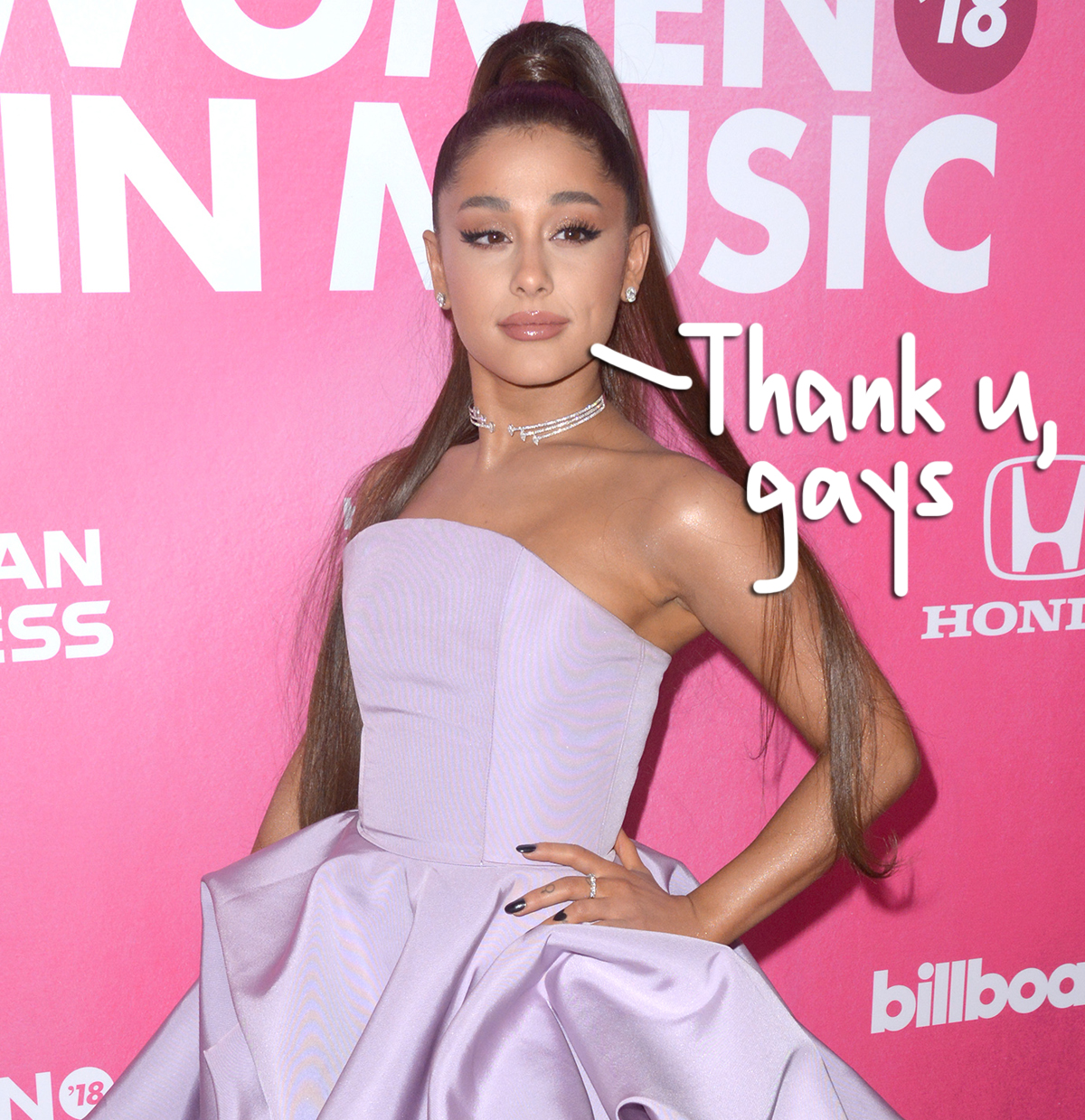
Ariana Grande has established herself as a consistent and vocal ally to the LGBTQ community throughout her career, utilizing her global platform to advocate for equality, safety, and representation. Her involvement spans from public statements and legislative advocacy to dedicated support for charitable organizations, music industry representation, and direct efforts to uplift marginalized voices within her fan base and beyond.
The Foundation of Grande’s Advocacy
The roots of Ariana Grande’s support for the LGBTQ community are deeply intertwined with her personal values and her early career experiences. Growing up in a household where she was taught to value inclusivity, Grande has frequently spoken about the influence of her older half-brother, Frankie Grande, who is openly gay. This personal connection served as a foundational element, transforming her advocacy from a secondary concern into a core component of her public identity.
In the early 2010s, as her fame grew, Grande began to leverage her social media reach to amplify the voices of marginalized groups. Her approach has rarely been performative; instead, it has evolved into a strategic use of her influence to support legislation that protects LGBTQ rights. She has been a recurring critic of discriminatory policies in the United States, specifically focusing on the intersection of healthcare access, education, and the fundamental right to exist without fear of state-sanctioned harassment.
Concerts, Advocacy, and Crisis Response
One of the most significant moments in Grande’s career regarding her relationship with the LGBTQ community occurred following the 2017 Manchester Arena bombing. The tragic event, which occurred at her concert, hit the LGBTQ community hard, as many of her fans—and several victims—were part of the community. In the aftermath, Grande demonstrated profound solidarity by organizing the One Love Manchester benefit concert.
While the concert was a response to a broader tragedy, the inclusivity displayed on stage and the subsequent support provided to victims and their families reinforced her bond with the queer community. Many critics and cultural observers noted that her actions during this period transcended typical celebrity "support" by prioritizing the needs of her fans over commercial interests. By maintaining a focus on the humanity of the individuals affected, she solidified a reputation as a protector and a steadfast ally during times of collective trauma.
Legislative Influence and Political Mobilization
Grande’s commitment to the LGBTQ community has transitioned from general support to active, targeted political engagement. Throughout the 2020s, as debates surrounding gender-affirming care and LGBTQ-inclusive education accelerated in the United States, Grande began directing substantial financial and platform-based resources toward civil rights organizations.
She has partnered with various groups, including the ACLU and the Trevor Project, to raise awareness about the rise of anti-LGBTQ legislation. Her strategy often involves:
- Financial Contributions: Direct donations to legal funds aimed at challenging discriminatory state-level laws.
- Platform Amplification: Using her Instagram and X (formerly Twitter) accounts to share educational resources that explain the technical nuances of pending legislation to her millions of followers.
- Voter Mobilization: Encouraging her fan base to participate in local and state elections, emphasizing that the legislative bodies responsible for anti-LGBTQ bills are elected officials who remain accountable to their constituents.
This approach highlights a shift in modern celebrity advocacy, where stars move beyond awareness campaigns and engage with the structural and legal mechanisms of governance.
Representation and LGBTQ Themes in Music
The influence of LGBTQ culture on Grande’s artistic output is undeniable. Her music, choreography, and visual aesthetics often draw heavily from ballroom culture and queer nightlife. By incorporating these elements into mainstream pop music, Grande has provided a platform for queer creators, dancers, and visual artists.
| Element of Involvement | Description | Primary Impact |
|---|---|---|
| Visible Advocacy | Consistent public statements on rights | Normalizes support among younger demographics |
| Philanthropic Support | Donations to organizations like GLSEN | Sustains grassroots advocacy and education |
| Cultural Collaboration | Hiring queer dancers and choreographers | Provides professional representation and visibility |
| Legal/Political Action | Funding litigation against discriminatory laws | Directly influences systemic legal outcomes |
Her collaborative efforts extend to her hiring practices as well. By consistently choosing to work with members of the LGBTQ community for her tours and video productions, Grande ensures that queer artists are not just represented in the audience, but are also part of the professional workforce that brings her projects to life.
The Role of Fan Base Dynamics
A significant aspect of Grande’s involvement with the LGBTQ community is her relationship with her fan base, which has long included a large percentage of LGBTQ youth. She has been noted for fostering a "safe space" environment at her live shows, which has become a hallmark of her touring history.
The "safe space" concept is more than a marketing slogan for Grande; it involves:
- Security Protocols: Enhanced training for venue staff to handle harassment of queer fans.
- Community Building: Allowing fans to use her platforms to form support networks.
- Representation: Actively acknowledging the diversity of her audience during performances and in marketing materials.
By actively cultivating an environment where LGBTQ fans feel seen and protected, Grande has created a unique symbiotic relationship. Her fans, in turn, have mobilized to support her social causes, creating a feedback loop of activism that is rare in the contemporary music landscape.
Common Misconceptions and Nuanced Realities
It is important for observers to distinguish between "allyship" as a performance and "allyship" as an institutional commitment. Critics sometimes question whether celebrities are merely capitalizing on the loyalty of the LGBTQ fan base. However, a review of Grande’s career demonstrates a level of consistency that exceeds the standard "Pride Month" social media post.
One common mistake in analyzing this relationship is the failure to distinguish between individual influence and structural change. While Grande can shift public opinion, she cannot unilaterally change the law. Her effectiveness is best measured not by whether she single-handedly reverses legislation, but by the tangible resources (funds and information) she provides to the organizations that do this work. Understanding this limitation is crucial for anyone analyzing the intersection of pop culture and political activism.
Frequently Asked Questions
How does Ariana Grande financially support the LGBTQ community? Grande supports the community primarily through direct donations to civil rights organizations and by partnering with legal advocacy groups like the ACLU. She often uses her platform to drive donation traffic to specific funds dedicated to fighting anti-LGBTQ legislative efforts at the state level.
Why is Ariana Grande considered a key ally for LGBTQ youth? She is viewed as an ally because she consistently validates the identities of her queer fans through her public messaging and by creating inclusive spaces at her concerts. Her long-standing, open-hearted relationship with her brother, Frankie, and her vocal stance on equality have made her a reliable figure for youth who may not have supportive environments at home.
Has Ariana Grande participated in Pride events? Yes, Grande has performed at various Pride-related events throughout her career. Beyond formal performances, she consistently marks Pride Month with calls to action rather than just symbolic celebrations, often focusing on the history of the movement and current political threats to the community.
What specific organizations does she work with? While her partnerships are diverse, she has frequently collaborated with and highlighted the work of the Trevor Project (focusing on suicide prevention for queer youth) and GLSEN (focusing on ensuring inclusive K-12 education).
Does her music contain specific LGBTQ themes? Her music often incorporates themes of self-love, liberation, and personal agency, which resonate deeply with the queer experience. Furthermore, her visual work frequently pays homage to the history of the ballroom scene, helping bring queer-originated art forms to a massive, global audience.
Recommendation for Further Engagement
For those interested in the impact of celebrity advocacy, it is recommended to monitor the official annual reports of the organizations Grande supports. These reports often provide the most accurate assessment of how celebrity funding translates into legislative and social outcomes. If you are looking to support the causes Grande champions, consider directing your efforts toward local community centers or organizations like The Trevor Project, which provide direct, daily support to LGBTQ individuals.