In the context of AMAX Auto Insurance, a "state rating" primarily refers to two distinct but related concepts: the financial strength ratings assigned to the insurance carriers AMAX represents within a specific state, and the state-regulated "rating factors" used to determine your individual premium. As an agency rather than a direct carrier, AMAX provides policies from a variety of providers whose rates are filed with and approved by state insurance departments.
Understanding how these ratings work is essential for any driver in 2026 looking to navigate the complexities of non-standard auto insurance. Whether you are dealing with the Texas Department of Insurance (TDI) or the Oklahoma Insurance Department (OID), the "rating" on your policy is a reflection of both the company’s ability to pay claims and the specific risk profile you present to the state’s actuarial tables.
What is AMAX Auto Insurance?
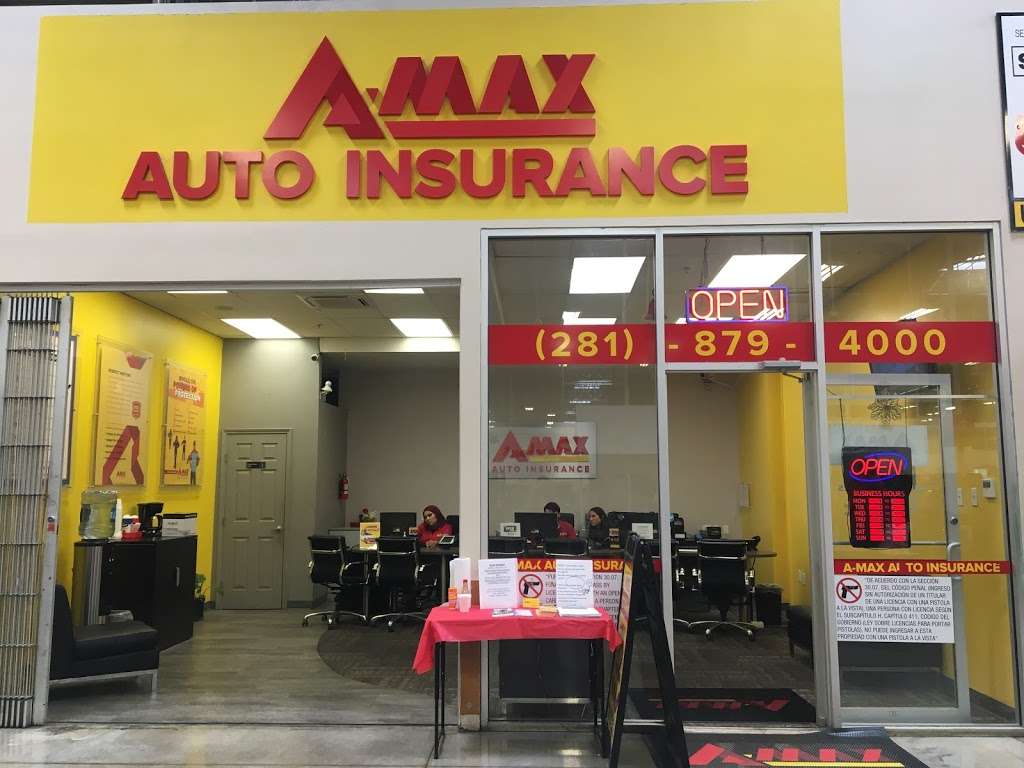
Before diving into state ratings, it is crucial to understand the role AMAX plays in the insurance ecosystem. AMAX is an independent insurance agency—not an insurance company (underwriter) itself. Based in Dallas, Texas, and operating extensively throughout Texas and Oklahoma, AMAX acts as a bridge between high-risk or "non-standard" drivers and the companies willing to insure them.
When you receive a "state rating" through AMAX, you are actually looking at a product from one of their partner carriers, such as Progressive, Foremost, or specialized non-standard providers. Because AMAX works with multiple carriers, the "state rating" can vary significantly from one policy to another depending on which underlying company is underwriting the risk.
The Two Pillars of State Insurance Ratings
When consumers search for "state rating explained," they are often looking for one of two things: the financial health of the insurer or the methodology used to calculate their bill. Both are governed by state-specific regulations.
1. Financial Strength Ratings (AM Best and State Regulators)
Every insurance company operating in a state must be licensed and monitored for solvency. Financial rating agencies, most notably AM Best, assign letter grades (e.g., A++, B+, C) to companies to indicate their ability to meet ongoing insurance obligations.
In the non-standard market where AMAX often operates, some carriers may not carry an AM Best rating but are instead monitored strictly by state-level solvency requirements. If a carrier has a "B" rating or is "Unrated" by AM Best, it does not necessarily mean they are unreliable, but it does mean they have less surplus capital than "A" rated giants. In 2026, state regulators have increased scrutiny on these ratings to protect consumers against the rising costs of climate-related claims and litigation.
2. Premium Rating Factors (The "Rate" You Pay)
This is the "rating" most drivers interact with daily. Every state has a unique set of laws regarding how an insurance company can "rate" a driver. For example, Texas allows the use of credit-based insurance scores in rating, whereas other states may limit how much a zip code can influence a premium.
When AMAX provides a quote, they are utilizing the carrier’s filed "rating manual" with the state. This manual is a complex mathematical formula that assigns points or "tiers" to your driving history, vehicle type, and location.
How State-Specific Regulations Impact AMAX Policies
Because AMAX operates primarily in the Southern United States, specifically Texas and Oklahoma, the state rating environment is influenced by regional risks.
Texas State Rating Environment
Texas is a "file and use" state. This means insurance companies can file their rates with the Texas Department of Insurance and begin using them immediately, though the state can later order a refund if the rates are found to be excessive.
- Tort System: Texas uses a "proportional comparative fault" system. Your state rating through AMAX will reflect the high cost of litigation and medical care in the state.
- Uninsured Motorist Data: Texas has a significant percentage of uninsured drivers. This affects the "rating" of your Uninsured/Underinsured Motorist (UM/UIM) coverage, often making it a mandatory point of discussion for AMAX agents.
Oklahoma State Rating Environment
Oklahoma insurance ratings are heavily influenced by environmental factors.
- Comprehensive Claims: Due to the high frequency of hail and windstorm damage, the "state rating" for comprehensive coverage in Oklahoma is often higher than in neighboring states.
- Non-Standard Market Growth: Oklahoma has a robust market for non-standard insurance, which allows AMAX to offer competitive tiers even for drivers with multiple infractions.
Deep Dive: How Your Individual "Risk Rating" is Calculated
When an AMAX agent enters your data into their system, the "state rating" process begins. This is not a human judgment but a computer-generated risk tier based on thousands of data points approved by the state.
The Role of the MVR and CLUE Reports
The most significant contributors to your rating are your Motor Vehicle Record (MVR) and your CLUE (Comprehensive Loss Underwriting Exchange) report.
- MVR: This shows your tickets, accidents, and license status. In 2026, many states have moved toward "perpetual" rating systems where minor infractions stay on your "state rating" profile for exactly three to five years, depending on the state’s specific statutes.
- CLUE: This report tracks claims made on any insurance policy. Even if you weren't at fault, a high frequency of claims can lead a carrier to "rate" you as a higher risk, moving you from a "Preferred" tier to a "Non-Standard" or "Substandard" tier.
Territory and Garaging Zip Codes
Where you park your car is often as important as how you drive it. State regulators allow companies to group risks by territory. A driver in a high-traffic area like Houston or Oklahoma City will receive a higher "territory rating" than a driver in a rural county. This rating accounts for the statistical likelihood of theft, vandalism, and multi-vehicle collisions.
Vehicle Symbol Ratings
Insurance companies assign a "symbol" to every vehicle. This symbol represents the cost of repairing that specific make and model, as well as its safety record. In 2026, the complexity of Advanced Driver Assistance Systems (ADAS)—such as sensors and cameras in bumpers—has caused vehicle symbols for even "budget" cars to rise, impacting the overall state rating.
Comparison of State Rating Factors: Texas vs. Oklahoma (2026)
| Rating Factor | Texas Impact (AMAX Focus) | Oklahoma Impact (AMAX Focus) |
|---|---|---|
| Credit-Based Insurance Score | High - Heavily used to determine tiering. | Moderate - Regulated but widely applied. |
| Weather/Comprehensive | Moderate (except Coastal regions). | Extreme - Primary driver of rate increases. |
| Liability Limits | 30/60/25 (State Minimums). | 25/50/25 (State Minimums). |
| Uninsured Motorist | Very High - Affects base premium significantly. | High - Frequently claimed due to state stats. |
| Filing System | File and Use (Fast rate changes). | Prior Approval (Slower rate changes). |
Understanding "Non-Standard" State Ratings
AMAX specializes in the non-standard market. A "non-standard" state rating is applied to drivers who do not qualify for "preferred" or "standard" rates due to:
- Lack of prior insurance (insurance lapse).
- Foreign or international driver's licenses.
- A high number of points on their MVR.
- The need for an SR-22 (Certificate of Financial Responsibility) filing.
When you are rated in the non-standard tier, the state-approved multipliers are higher. For example, while a standard driver might have a base rate multiplied by 1.0, a non-standard driver might have a multiplier of 2.5 or higher. AMAX’s value proposition is searching through multiple carriers to find the one whose state-filed rating manual is the most "lenient" toward your specific type of risk (e.g., one company might be cheaper for speeding tickets, while another is cheaper for credit issues).
How to Verify an Insurer’s State Rating and Financial Health
Before signing a policy through AMAX, it is wise to verify the carrier behind the scenes.
- Ask for the Underwriter's Name: On your ID card or declarations page, look for the actual insurance company name (e.g., "Old American County Mutual" or "National General").
- Visit the State Department of Insurance Website: Both Texas (tdi.texas.gov) and Oklahoma (oid.ok.gov) provide search tools where you can look up a company’s "Complaint Index." A company with a rating of 1.0 has an average number of complaints; higher numbers indicate more consumer dissatisfaction.
- Check AM Best or Demotech: Enter the carrier's name into these rating sites. In 2026, a rating of "A-" (Excellent) or "A" (Exceptional) is the gold standard, but in the non-standard market, "B++" or "B+" is common and generally considered stable.
The Impact of 2026 Regulatory Changes on State Ratings
As of 2026, several regulatory shifts have altered how AMAX policies are rated:
- Telematics Integration: States have become more permissive regarding "pay-how-you-drive" programs. Many AMAX carriers now offer a "Telematics Rating," which can override traditional state rating factors if the driver proves safe habits via a smartphone app.
- Inflationary Adjustments: State regulators have approved "Trend Factors" that allow carriers to automatically adjust rates based on the rising cost of labor and parts, meaning your state rating might stay the same, but your premium could still rise.
- Social Inflation: This technical term refers to the rising costs of insurance claims due to increased litigation. States like Texas have seen "state rating" adjustments specifically to account for larger jury awards in auto accident cases.
Frequently Asked Questions
Does AMAX have its own financial rating?
No. AMAX is an agency, not an underwriting carrier. Therefore, it does not receive a financial strength rating from AM Best. You should instead look at the rating of the insurance company that actually issues your policy documents.
Why is my state rating higher in a big city?
Insurance companies use "territory ratings." Urban areas have a higher density of vehicles, which statistically leads to more frequent accidents. Furthermore, higher rates of vehicle theft and vandalism in cities force state-approved rates upward for those zip codes.
Can I change my state rating through AMAX?
While you cannot change the state's laws or a carrier's filed rates, you can change your risk tier. This is done by maintaining continuous coverage, improving your credit score (in states where allowed), and keeping your driving record clean. After 6 to 12 months of "clean" driving, AMAX can often re-rate you with a different carrier at a lower tier.
What is a "Symbol" rating on my AMAX policy?
A "Symbol" is a code assigned to your vehicle's VIN. It dictates how much you are charged for Comprehensive and Collision coverage based on the vehicle's MSRP, repairability, and safety features. High-performance vehicles have higher symbol ratings, leading to higher premiums.
Why did my rate change if I didn't have an accident?
This is usually due to a "state-wide rate filing." If the insurance carrier proves to the State Department of Insurance that they are losing money due to increased claims across the board (due to weather, inflation, etc.), the state may grant a percentage increase that applies to all policyholders, regardless of individual driving history.
Recommendations for AMAX Customers
To ensure you are getting the best possible state rating in 2026, follow these steps:
- Request an Annual Review: Since AMAX is a broker, ask them to "re-shop" your policy every year. Carriers update their state-filed rating manuals frequently, and a company that was the cheapest for you last year may not be the cheapest today.
- Bundle Coverages: Even in the non-standard market, many carriers represented by AMAX offer "multi-policy" discounts. Rating your auto and renters insurance together can often drop you into a more favorable pricing tier.
- Verify the Carrier: Always ask for the AM Best or financial rating of the specific carrier the AMAX agent is recommending. Do not settle for a carrier with a "C" rating or lower if a "B+" or "A" option is available for a similar price.
- Maintain Continuous Coverage: In the eyes of state regulators and carriers, a "lapse" in insurance is a major red flag. Maintaining even a state-minimum policy will significantly improve your rating tier when you eventually look for better coverage.