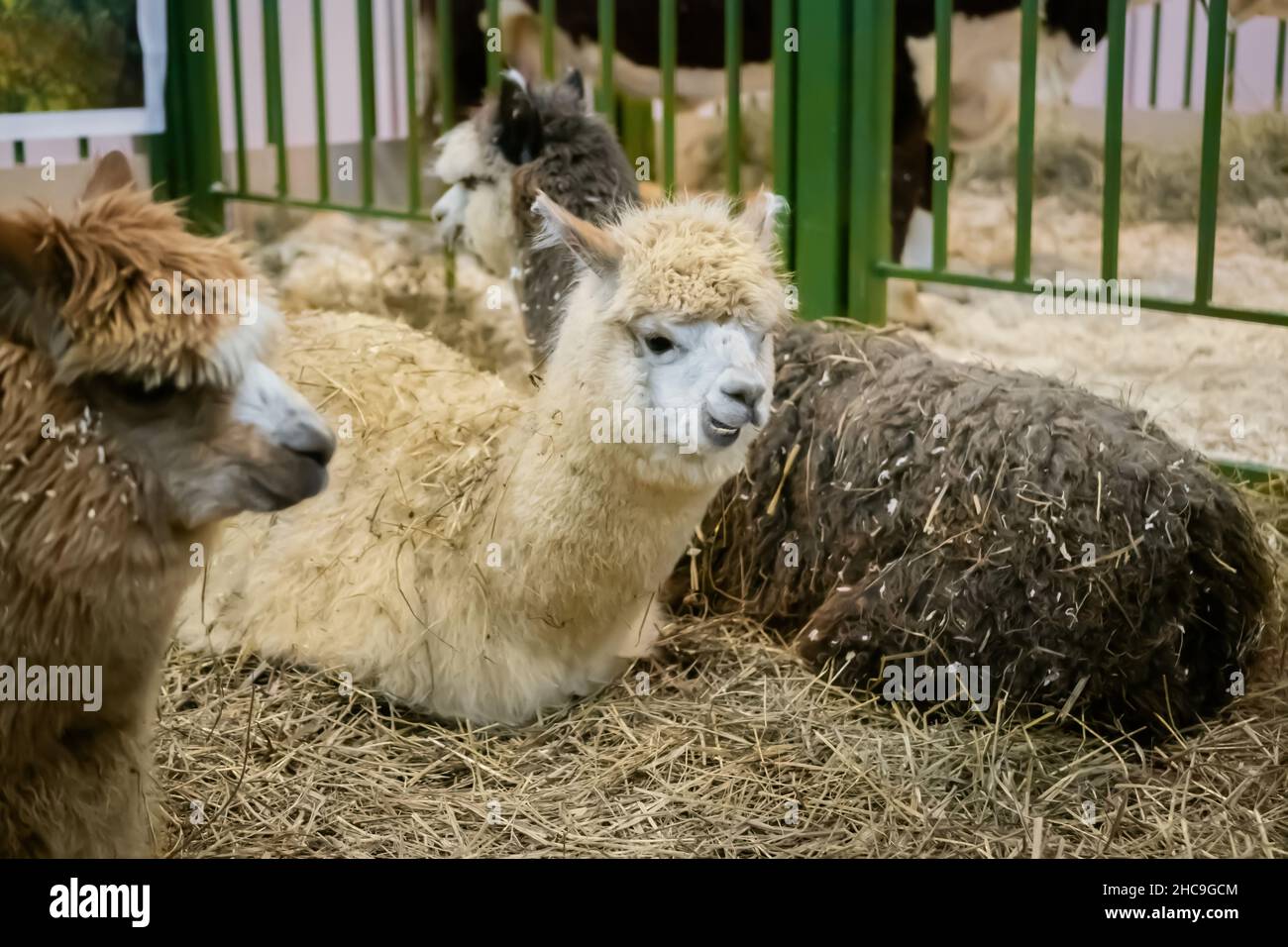
In 2026, alpacas serve as a cornerstone for precision livestock farming, utilizing AI-driven biometric sensors and blockchain-enabled traceability to redefine high-value fiber production. Their low environmental impact makes them the primary candidates for autonomous, tech-integrated regenerative agriculture, bridging the gap between traditional husbandry and modern sustainable AgTech solutions.
Precision Livestock Farming (PLF) for Camelids
Precision Livestock Farming (PLF) has moved beyond experimental phases in 2026, becoming a standard operating procedure for alpaca breeders globally. Unlike traditional livestock, alpacas exhibit a "stoic" nature, often hiding symptoms of illness or distress until they are critical. Modern AgTech addresses this through continuous monitoring systems tailored to the unique physiology of Vicugna pacos.
Biometric Wearables and Health Analytics
The integration of IoT (Internet of Things) wearables has transformed alpaca herd management. Smart collars and ear tags now monitor heart rate, respiratory patterns, and rumination cycles in real-time. In 2026, these devices utilize edge computing to analyze "cush" patterns—the specific way an alpaca sits—to detect early signs of meningeal worm or heat stress.
For the Huacaya and Suri breeds, heat dissipation is a significant concern during summer months. Advanced thermal imaging sensors, integrated into barn entryways, automatically scan each animal as it moves toward water stations. These systems sync with mobile dashboards, alerting farm managers to localized inflammation or fever before visual symptoms appear. This proactive approach reduces veterinary costs and minimizes the need for broad-spectrum antibiotics, aligning with the 2026 global push for reduced antimicrobial use in agriculture.
AI-Driven Fiber Quality Assessment
The economic value of an alpaca is largely tied to the "micron count" of its fleece. Historically, testing required sending samples to centralized laboratories, often resulting in long lead times. In 2026, portable Near-Infrared (NIR) spectroscopy devices allow farmers to conduct on-site fiber analysis.
These handheld tools integrate with AI databases to provide instant readings on fiber diameter, staple length, and comfort factor. By mapping this data against the animal’s nutritional intake and genetic profile, breeders can make real-time adjustments to diets. This technological leap ensures that fiber consistency—a major requirement for high-end textile manufacturers—is maintained throughout the growth cycle.
Sustainable Pasture Management and Robotics
Alpacas are naturally "light on the land" due to their padded feet and grazing habits. In 2026, they have become the preferred species for testing autonomous pasture management technologies. Because they do not pull grass out by the roots and tend to use "communal dung piles," their grazing patterns are highly predictable and beneficial for soil health.
Autonomous Grazing and Virtual Fencing
The implementation of virtual fencing technology has seen a 40% increase in adoption within the alpaca industry since 2024. These systems use GPS-enabled collars that emit auditory cues or mild haptic feedback to keep herds within specific "cells" of a pasture. This allows for ultra-high-density rotational grazing without the need for physical interior fences.
For alpaca farmers, this tech enables the precise management of parasite loads. By using soil sensors that track moisture and temperature, the management software calculates when larvae are most active and automatically shifts the "virtual fence" to protect the herd. This integration of animal behavior and environmental data is a hallmark of 2026 agricultural strategy.
Integration with Agricultural Drones
Drones have evolved from simple aerial cameras to sophisticated herd management tools. In large-scale operations across the Altiplano and the American West, autonomous drones perform daily headcounts using multi-spectral imaging. These drones can distinguish between an alpaca and a predator, such as a coyote or stray dog, using thermal signatures.
If a predator is detected, the drone can deploy ultrasonic deterrents or alert the farm’s automated security systems. Furthermore, drones equipped with multispectral cameras assess pasture biomass, ensuring that the alpacas are moved to the most nutrient-dense forage areas before overgrazing occurs. This helps maintain the carbon-sequestration potential of the soil, a key metric for farms participating in carbon credit markets.
Genetic Tech and Breeding Optimization
The 2026 alpaca industry relies heavily on genomic selection to accelerate the production of "ultra-fine" fiber. Agricultural technology in this sector has moved from simple pedigree tracking to complex bio-informatic modeling.
Genomic Mapping and Selection
By utilizing low-cost DNA sequencing, breeders can now identify specific markers for fiber density and luster at birth. This reduces the "generation interval" by allowing farmers to make culling or breeding decisions long before the animal reaches maturity. Software platforms now integrate these genomic profiles with phenotypic data collected by PLF sensors, creating a "Digital Twin" for every animal in the herd.
These Digital Twins allow breeders to run simulations: "What would be the expected fiber quality of an offspring from Sire A and Dam B under a drought-prone climate scenario?" This level of predictive modeling has stabilized the alpaca market, making it more attractive to institutional investors who prioritize data-backed risk management.
Blockchain and the Digital Thread of Fiber
Consumer demand for transparency in 2026 has forced a vertical integration of the alpaca supply chain. Blockchain technology provides an immutable record of a fleece’s journey from the alpaca's back to the retail shelf.
Every shearing session is now logged via mobile apps that record the animal’s ID, the date, and the quality metrics verified by NIR spectroscopy. This data is minted as a "digital passport" for each bale of fiber. When a luxury brand purchases this fiber, they can guarantee to the end-consumer that the product is 100% ethically sourced and environmentally neutral. This "farm-to-fashion" traceability has allowed alpaca fiber to command a premium over generic wool or synthetic alternatives, which often struggle to verify their sustainability claims.
Comparative Tech Adaptability: Alpaca vs. Traditional Livestock
To understand why alpacas are at the forefront of AgTech in 2026, it is useful to compare them with other fiber-producing animals.
| Feature | Alpacas | Merino Sheep | Cashmere Goats |
|---|---|---|---|
| Padded Feet (Soil Impact) | Low: Ideal for sensor-rich soil | High: Can damage buried IoT probes | Medium: Moderate compaction |
| Manure Management | Centralized: Easy for AgBots to collect | Scattered: Difficult to automate | Scattered: Difficult to automate |
| Stoic Behavior Risk | High: Requires 24/7 biometric monitoring | Medium: Obvious distress signals | Low: Highly vocal/active signals |
| Fiber Traceability | High: Individualized ID standard | Medium: Often bulk-processed | Low: High risk of adulteration |
| Grazing Precision | High: Nibbles only the tops of grass | Low: Tends to pull roots | Low: Browser/Destructive grazing |
Economic Considerations for Tech-Enabled Farms
Transitioning to a tech-integrated alpaca farm involves significant initial capital expenditure (CAPEX), but the operational expenditure (OPEX) reductions in 2026 are compelling.
- Infrastructure Costs: The cost of high-speed rural internet—often satellite-based—is the primary hurdle. Without 100% pasture coverage, virtual fencing and real-time biometric alerts are unreliable.
- Sensor Longevity: In 2026, the battery life of alpaca wearables has reached 36 months, significantly reducing the labor costs associated with catching and re-collaring animals.
- Data Monetization: Farmers are now generating secondary income by selling anonymized herd health and environmental data to AgTech developers and climate researchers. This "Data-as-a-Crop" model helps offset the costs of the hardware.
- Labor Shift: The role of the farm hand has shifted from physical labor to data management. Successful operations in 2026 employ individuals who are as comfortable with software troubleshooting as they are with animal husbandry.
Troubleshooting Common Tech Failures in Alpaca Husbandry
Despite the advancements of 2026, technology is not infallible. Farmers must be prepared for specific technical challenges:
- Connectivity Dead Zones: In rugged terrain, alpacas may move into "shadows" where GPS signals drop. Redundant systems, such as long-range Bluetooth relays, are necessary to prevent animals from "escaping" virtual fences.
- Sensor Fouling: Alpacas love to roll in the dust. This can coat optical sensors or thermal cameras. Regular maintenance schedules for cleaning stationary sensors must be integrated into the farm's workflow.
- Data Overload: Small-scale farmers often struggle with "analysis paralysis." The most successful AgTech platforms in 2026 are those that offer simplified, actionable insights (e.g., "Check Alpaca #402 for possible foot rot") rather than raw data streams.
Frequently Asked Questions
How does alpaca manure integrate into smart farming systems?
Alpaca manure is unique because it can be used directly on plants without "burning" them. In 2026, automated pelletizing machines process communal dung pile waste into standardized bio-fertilizer. These machines are often synced with soil health sensors to create custom fertilizer blends that address specific nutrient deficiencies in the pasture.
Is virtual fencing safe for alpacas?
Yes, in 2026, virtual fencing is considered highly humane. The collars use a "tone-first" approach, where the animal learns to turn back when it hears a specific sound. The haptic feedback is only used if the auditory warning is ignored. Studies have shown that alpacas learn the boundaries within 48 hours, experiencing less stress than they would with physical prods or herding dogs.
Can small-scale alpaca farms afford this technology in 2026?
Technological costs have plummeted since 2023. Many AgTech firms now offer "Equipment-as-a-Service" (EaaS) models, where farmers pay a monthly subscription fee per head rather than buying the hardware outright. This makes precision monitoring accessible for herds as small as ten animals.
Does tech replace the need for human shearers?
While robotics have made inroads, the intricate task of shearing an alpaca without damaging the "blanket" (the best quality fiber) still largely requires human expertise. However, tech assists by providing real-time tension sensors on the shears to prevent skin nicks and AI-guided sorting tables that categorize fiber types automatically as they are shorn.
What is the role of alpacas in 2026 carbon-neutral farming?
Alpacas produce significantly less methane than cattle or sheep due to their efficient three-chambered stomachs. When combined with IoT-monitored rotational grazing that promotes deep-root grass growth, alpaca farms can often qualify as carbon sinks. This allows farmers to sell carbon offsets, creating a new revenue stream.
Practical Recommendation
For those looking to integrate technology into alpaca farming in 2026, the most effective starting point is a modular biometric monitoring system. Rather than investing in a fully autonomous farm at once, begin with smart collars that track health and location. This provides the highest immediate return on investment by preventing animal loss and optimizing health. Once a baseline of data is established, farmers should then look toward portable NIR spectroscopy to categorize fiber quality, as this directly impacts the market value of the annual harvest.
Always ensure your farm has a robust, redundant Wi-Fi or Mesh network before deploying wearables, as the value of the technology is entirely dependent on the continuity of the data stream.