Allstate auto insurance provides a modular coverage structure that allows policyholders to blend mandatory liability requirements with elective protections. By choosing from a range of liability limits, physical damage coverages, and specialized endorsements, drivers can tailor their protection to match their vehicle’s value, their financial risk tolerance, and their specific driving habits within the current 2026 marketplace.
Understanding the Core Components of Auto Insurance
To navigate Allstate’s offerings effectively, it is essential to distinguish between mandatory state-regulated coverages and elective protections. In almost every U.S. jurisdiction, the law requires drivers to carry a minimum amount of liability insurance. This covers the costs you are legally responsible for if you injure someone else or damage their property in an accident.
However, liability insurance does not cover your own vehicle or your own medical expenses. Allstate’s structure allows you to layer additional protections atop these legal requirements. Understanding these layers is the first step in building a policy that does not leave you financially vulnerable after an incident.
Mandatory Liability Coverage
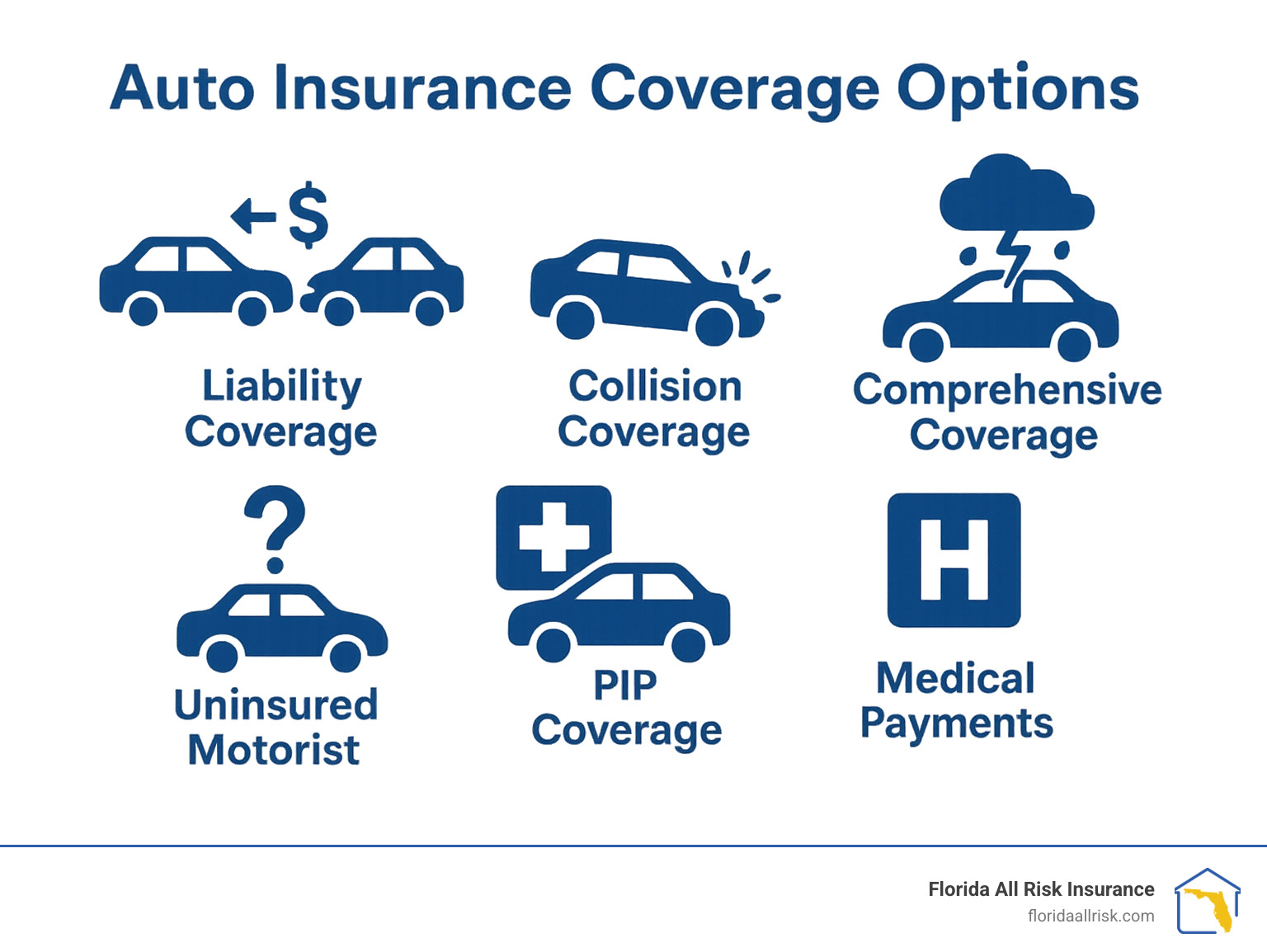
Every Allstate policy begins with the foundation of liability, which consists of two primary segments:
- Bodily Injury Liability: This pays for the medical expenses of other people if you cause an accident. It also covers legal fees if you are sued.
- Property Damage Liability: This covers the cost of repairing or replacing someone else’s property, such as their vehicle, a fence, or a building, if you are at fault.
These coverages are usually expressed in split limits (e.g., 50/100/50), representing the maximum amount the insurer will pay for bodily injury per person, bodily injury per accident, and property damage per accident, respectively.
Essential Physical Damage Protections
While liability coverage protects your assets from lawsuits, physical damage coverage protects your vehicle itself. These are typically required if you are financing or leasing your car.
- Collision Coverage: This pays for damage to your vehicle resulting from a collision with another object or vehicle, regardless of who is at fault. If you slide into a pole or hit another car, this is the policy component that triggers a payout.
- Comprehensive Coverage: Often referred to as "other than collision," this covers damage to your car caused by events beyond your control. This includes theft, vandalism, fire, natural disasters, and impacts with animals.
Both collision and comprehensive coverages are subject to a deductible—the amount you agree to pay out-of-pocket before the insurance company covers the remaining repair costs. Choosing a higher deductible typically lowers your premium but requires you to have more cash on hand if an incident occurs.
Medical and Uninsured Protections
Beyond damage to vehicles and third-party liabilities, you must consider the physical well-being of the occupants of your car.
- Medical Payments (MedPay) or Personal Injury Protection (PIP): These cover medical bills for you and your passengers after an accident, regardless of fault. PIP is more comprehensive, often covering lost wages or funeral expenses in addition to medical costs, and is mandatory in certain no-fault states.
- Uninsured/Underinsured Motorist (UM/UIM) Coverage: This is a vital protection for many drivers. If you are struck by a driver who carries no insurance or insufficient insurance to cover your medical costs or vehicle repairs, this coverage steps in to prevent you from being forced to pay those costs yourself.
Specialized Allstate Endorsements
Allstate offers various "add-ons" or endorsements that provide coverage beyond standard policy limits. These are elective and often come at an additional cost, but they offer specific value for certain types of vehicle owners.
- New Car Replacement: If your new car is totaled within a certain period (usually two model years), this endorsement ensures Allstate pays for a brand-new vehicle of the same make and model, rather than just the depreciated cash value of your car.
- Rental Reimbursement: If your car is in the shop following a covered loss, this helps pay for a rental vehicle so your daily routine is not interrupted.
- Towing and Labor: This provides coverage for roadside assistance services, such as jump-starting a battery, changing a flat tire, or towing your vehicle to a repair facility.
- Roadside Assistance: Available as a standalone service or coverage, this helps provide professional help when you are stranded due to mechanical failure.
Comparing Key Allstate Coverage Features
| Coverage Type | What It Protects | Mandatory? |
|---|---|---|
| Bodily Injury Liability | Other people's injuries | Yes (State law) |
| Property Damage Liability | Other people's property | Yes (State law) |
| Collision | Your car (accident) | If financed |
| Comprehensive | Your car (theft/fire/vandalism) | If financed |
| Uninsured Motorist | Your injuries/car (at-fault driver uninsured) | Varies by state |
| Medical Payments/PIP | Your medical bills | Varies by state |
Factors Influencing Your Insurance Costs
The premium you pay for these options is not static. Allstate, like other insurers, uses a variety of actuarial factors to determine risk. In 2026, these factors remain centered on:
- Vehicle Profile: The make, model, age, and safety features of your car affect the cost of parts and the likelihood of theft.
- Driver History: Your accident record, traffic citations, and years of licensed driving experience are primary drivers of your base rate.
- Location: Insurance rates are highly localized. Urban areas with higher crime rates and traffic density typically result in higher premiums than rural environments.
- Coverage Selections: The limits you choose, the deductibles you set, and the number of elective endorsements you add will cumulatively define your final cost.
Frequently Asked Questions
1. Is it better to have a higher or lower deductible? A higher deductible lowers your premium immediately but increases your financial liability if you have an accident. Choose a higher deductible only if you maintain a sufficient emergency fund to cover that out-of-pocket expense. If you lack cash reserves, a lower deductible is safer, even though the monthly premium will be higher.
2. Does Allstate coverage follow the car or the driver? In general, auto insurance follows the car. If you lend your car to a friend and they have an accident, your policy is typically the primary payer. However, state laws and specific policy language can affect this, so it is important to review your declarations page for specific "permissive user" clauses.
3. What is the difference between gap insurance and new car replacement? Gap insurance pays the difference between what you owe on a loan and the depreciated value of your car if it is totaled. New car replacement, by contrast, provides enough funds to buy a brand-new vehicle of the same model. They serve different purposes, and you would generally only need one or the other depending on your financing situation and car age.
4. How can I lower my Allstate premiums without dropping coverage? Look into bundling your auto insurance with a home or renters policy, as multi-policy discounts are among the most significant savings available. Additionally, maintain a clean driving record and ensure you are taking advantage of all eligible safety discounts, such as those for anti-theft devices or defensive driving courses.
5. Are Allstate’s roadside services available 24/7? Yes, Allstate’s roadside assistance program is designed to provide help at any hour. This is often integrated through their mobile application, allowing for real-time tracking of service vehicles, which provides transparency and reduces wait-time anxiety during an emergency.
Practical Next Steps for Policy Management
To ensure your Allstate policy meets your current needs in 2026, perform an annual coverage audit. Start by reviewing your "Declarations Page," which summarizes your current limits, deductibles, and any active endorsements.
If your life situation has changed—such as moving to a new ZIP code, paying off your car loan, or adding a new driver to your household—contact your local Allstate agent to recalibrate your selections. Often, policyholders carry unnecessary coverage on older vehicles (such as collision coverage on a car with very low market value) or, conversely, carry limits that are too low to protect their current financial assets in the event of a significant liability claim. By keeping your information current, you ensure that you are paying only for the coverage that provides actual utility and protection for your specific lifestyle.