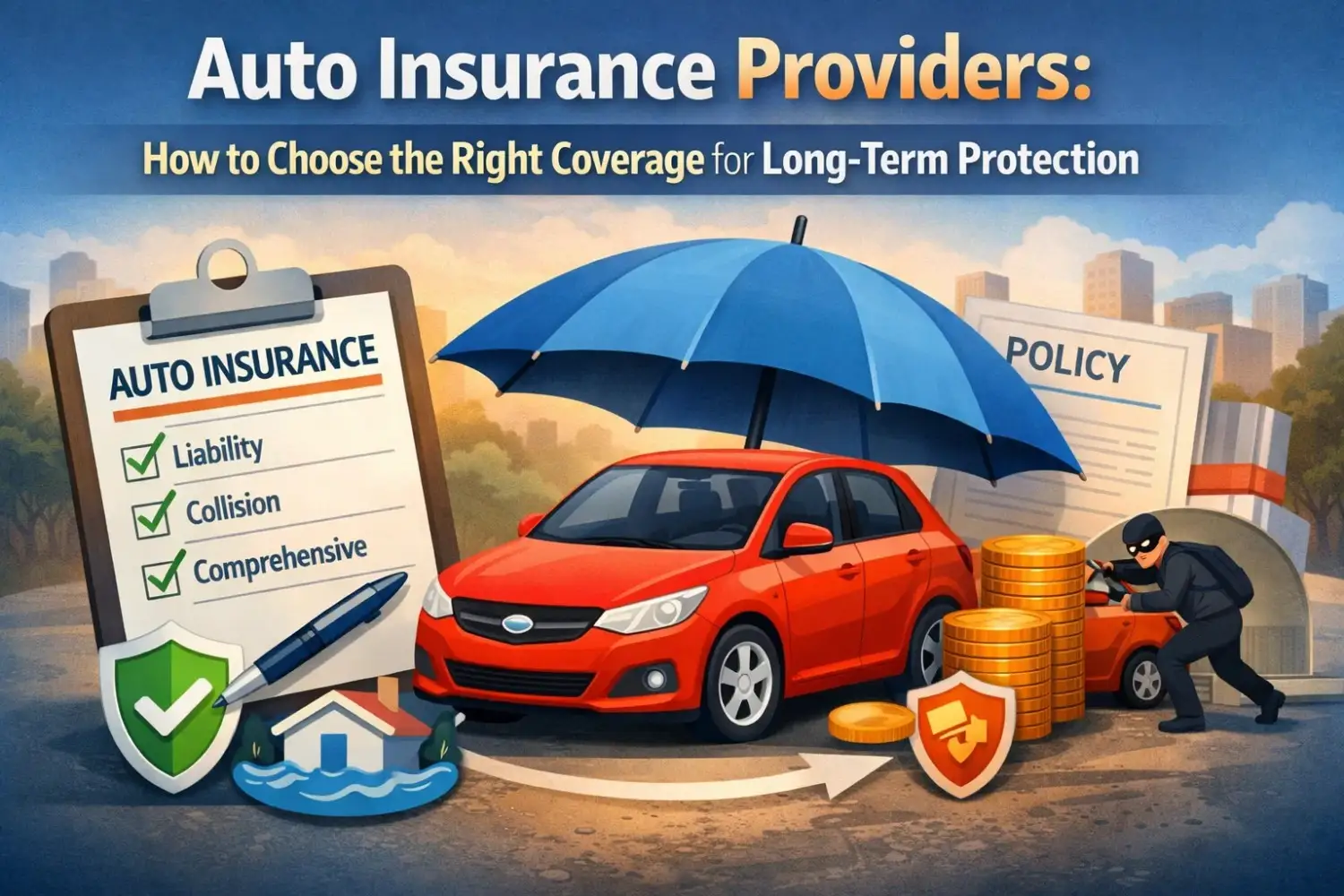
All Guard auto insurance for outdoor adventurers is a specialized insurance solution designed to protect modified vehicles, high-end recreational gear, and drivers who operate in off-road or remote environments. Unlike standard policies, it focuses on agreed-value coverage for modifications, off-pavement recovery services, and comprehensive protection for equipment like mountain bikes and camping gear.
Outdoor enthusiasts—ranging from casual weekend campers to dedicated overlanders and mountain bikers—often find that traditional auto insurance policies fall short when they leave the asphalt. Standard insurance is typically designed for commuting and city driving, often excluding damage sustained on unmaintained roads or failing to account for thousands of dollars in aftermarket modifications. All Guard auto insurance addresses these gaps by offering a hybrid of traditional liability and specialized property protection tailored to the 2026 adventure lifestyle.
Understanding the Need for Adventure-Specific Coverage
The primary challenge for outdoor adventurers in 2026 is the complexity of their "rigs." A modern adventure vehicle is rarely stock; it often features lift kits, specialized suspension, roof-top tents (RTTs), and integrated power systems. Standard carriers often cap "custom parts and equipment" (CPE) coverage at a low threshold, such as $1,000 or $5,000, which barely covers a set of high-quality all-terrain tires and wheels.
Furthermore, the geographical scope of standard policies can be ambiguous. Many insurers deny claims if an accident occurs on a "non-standard" road or a trail not recognized by the Department of Transportation. All Guard policies are structured to recognize that an adventurer's "road" includes Forest Service roads, Bureau of Land Management (BLM) tracks, and designated off-road parks.
The Gap Between Standard and Specialty Policies
Standard policies focus on the "Actual Cash Value" (ACV) of a vehicle. This means if a 2022 Toyota Tacoma with $20,000 in modifications is totaled, the insurer may only pay out the base value of the truck, minus depreciation. For an adventurer, this represents a massive financial loss. All Guard utilizes "Agreed Value" or "Stated Amount" endorsements, ensuring that the premiums paid reflect the true replacement cost of both the vehicle and its upgrades.
Core Features of All Guard Auto Insurance
All Guard has established itself as a leader in this niche by bundling features that would otherwise require multiple separate riders or separate insurance companies. In 2026, these features have become more streamlined through integrated telematics and digital appraisal tools.
1. Comprehensive Modification Coverage
This is the cornerstone of the All Guard policy. It provides specific protection for:
- Suspension and Armor: Coverage for lift kits, skid plates, rock sliders, and upgraded bumpers.
- Electrical and Tech: Protection for solar arrays, auxiliary batteries, and integrated satellite communication hardware.
- Living Systems: Coverage for built-in cabinetry, refrigerators, and heating/cooling systems in van conversions or overlanding builds.
2. Off-Road Recovery and Assistance
One of the most significant risks for adventurers is the "recovery bill." If a vehicle becomes stuck or disabled on a remote trail, standard roadside assistance (like AAA or basic carrier towing) will typically refuse to help because the vehicle is not on a "publicly maintained road." All Guard policies include specialized recovery coverage that pays for professional off-road extraction teams who possess the winches and heavy-duty equipment necessary to retrieve a vehicle from sand, mud, or rocky terrain.
3. Personal Effects and Gear Endorsements
Adventurers rarely travel alone; they carry bikes, kayaks, skis, and expensive camping equipment. While homeowners' or renters' insurance sometimes covers these items, the deductibles are often high, and the claims process is cumbersome. All Guard integrates gear coverage directly into the auto policy, protecting items against theft from the vehicle, damage during transport, or loss during a collision.
Eligibility and Prerequisites for All Guard Policies
Not every vehicle qualifies for an All Guard adventure policy. Because the risk profile is higher than a standard sedan, there are specific requirements that owners must meet to secure coverage in 2026.
- Vehicle Classification: The vehicle must typically be a truck, SUV, or van capable of off-road travel. While All Guard does cover AWD crossovers, the coverage limits for modifications may vary.
- Documentation of Value: Policyholders must provide a detailed "Build Sheet" or "Manifest" of all modifications. In 2026, this is often handled via a digital portal where receipts and photos are uploaded to establish the "Agreed Value."
- Usage Limitations: While All Guard covers off-road exploration, it generally excludes "competitive racing" or "extreme rock crawling" in designated competition environments. It is intended for recreational exploration, not professional motorsports.
- Driver History: Because remote recovery is expensive, All Guard examines driving records for evidence of reckless behavior. However, they are often more lenient with "adventure-related" incidents than standard carriers might be.
Cost Considerations and Premium Factors
The cost of All Guard insurance is generally higher than a "budget" auto policy, but it is often more cost-effective than attempting to stack multiple riders onto a standard policy. Premiums are calculated based on several specialized variables.
| Factor | Impact on Premium | Description |
|---|---|---|
| Agreed Value Total | High | The total replacement cost of the vehicle plus all documented modifications. |
| Geographic Radius | Moderate | Whether the driver stays within the US/Canada or requires international coverage (e.g., Baja, Mexico). |
| Recovery Limit | Moderate | The maximum payout for a single off-road extraction (ranging from $500 to $5,000+). |
| Storage & Security | Low (Discount) | Discounts for vehicles equipped with GPS tracking and stored in secure garages when not in use. |
| Deductible Choice | Variable | Higher deductibles for off-road damage can significantly lower monthly premiums. |
The "Adventure Surcharge" vs. The "Modification Discount"
Interestingly, some adventurers find their premiums are lower than expected because All Guard recognizes that "built" vehicles are often better maintained and driven by more experienced operators. A vehicle with upgraded brakes and lighting is, in many ways, safer than a stock vehicle being pushed to its limits.
How to Verify and Apply for Coverage
Securing an All Guard policy involves a more technical "underwriting" process than a 15-minute online quote. For 2026, the process follows these specific steps:
- Initial Valuation: Use a digital appraisal tool to estimate the current market value of your base vehicle and the retail value of your modifications.
- The Manifest Submission: Create a comprehensive list of equipment. This includes everything from your winch model to your roof rack brand.
- Photos and Proof: Take high-resolution photos of the vehicle from four angles, plus interior shots of any permanent modifications.
- Review of Off-Road Scope: Clearly define your intended use. If you plan to travel through the Pan-American Highway, for example, you must specify the need for international riders.
- Policy Issuance: Once the "Agreed Value" is signed by both parties, the policy becomes active. It is vital to update this manifest whenever new major modifications are added to ensure they are covered.
Common Mistakes to Avoid
When dealing with adventure insurance, minor oversights can lead to denied claims.
- Under-Reporting Modifications: Some owners under-report the value of their mods to save on premiums. If the vehicle is totaled, they will only receive the lower reported amount, leaving them unable to rebuild the rig.
- Assuming Homeowners Covers Everything: Many adventurers assume their $5,000 mountain bike is fully covered by their home insurance. However, many home policies have a $1,000 or $1,500 limit on "sporting equipment" and may not cover "theft from a vehicle" unless the vehicle shows signs of forced entry.
- Ignoring the "Maintenance" Clause: Insurance covers accidents, not mechanical failures. If you break an axle because you didn't maintain your CV boots, All Guard (like any insurer) may deny the claim. Coverage is for "sudden and accidental" loss, not wear and tear.
Frequently Asked Questions
Does All Guard cover me if I get stuck in a river crossing?
Yes, provided the river crossing was on a recognized trail or route and not a result of "gross negligence" or illegal trespassing. All Guard's comprehensive coverage usually includes water damage, and their recovery service can assist in extracting the vehicle from the water to prevent further mechanical loss.
Can I insure my camping gear and my vehicle under one All Guard policy?
Yes, this is one of the primary benefits. All Guard offers an "Inland Marine" style endorsement that covers high-value gear (bikes, drones, cameras, tents) while they are in transit or in use during a trip. This simplifies the claims process significantly, as you only deal with one adjuster for the entire incident.
What is the difference between "Actual Cash Value" and "Agreed Value"?
Actual Cash Value (ACV) pays what the vehicle is worth today, accounting for heavy depreciation. Agreed Value is a set amount determined when the policy is written, which does not fluctuate based on market conditions. For modified vehicles, Agreed Value is almost always the better choice because modifications do not follow standard vehicle depreciation curves.
Does All Guard cover international adventure travel?
By default, most policies cover the United States and Canada. However, All Guard is known for offering "Baja Riders" or temporary international extensions for adventurers crossing into Mexico or further south. These must be activated before crossing the border.
How does All Guard handle "Recovery" vs. "Towing"?
Towing is moving a vehicle from a paved road to a shop. Recovery is the act of getting a vehicle back to a paved road. All Guard provides specific funds for recovery specialists who use kinetic ropes, winches, and MaxTrax, whereas standard roadside assistance only provides for a flatbed or hook-and-chain truck.
Are "DIY" van conversions eligible for All Guard?
Yes, but they require more rigorous documentation. DIYers must provide photos of electrical wiring, plumbing, and structural changes. All Guard often requires a professional safety inspection of the electrical system to mitigate fire risks before a full comprehensive policy is issued.
Practical Recommendation for 2026 Adventurers
If you own a vehicle with more than $5,000 in aftermarket modifications or frequently travel more than 50 miles from the nearest paved road, a standard auto policy is likely insufficient for your needs. The risk of a "denied recovery" or a "depreciated payout" is too high.
Next Action: Conduct a "Modification Audit." List every item added to your vehicle and its current replacement cost. If that total exceeds your current policy's "Custom Parts" limit, contact an All Guard specialist to transition to an Agreed Value policy. Ensure you have digital copies of all receipts stored in the cloud, as these will be the primary evidence used during a 2026 claims process.