Alkalosis is a pathological condition characterized by an excessive accumulation of base (bicarbonate) or a significant loss of acid (hydrogen ions) in the body, resulting in a blood pH level above the normal range of 7.35 to 7.45. The primary causes are categorized into respiratory alkalosis, driven by low carbon dioxide levels from hyperventilation, and metabolic alkalosis, resulting from gastrointestinal losses, diuretic use, or hormonal imbalances.
The Physiological Basis of Alkalosis
To understand the causes of alkalosis, one must first understand the delicate acid-base balance the human body maintains through homeostasis. The blood's pH is primarily regulated by two organ systems: the lungs and the kidneys. The lungs manage the levels of carbon dioxide ($CO_2$), which acts as a weak acid when dissolved in the blood. The kidneys manage bicarbonate ($HCO_3^-$), which acts as a buffer or a base.
In 2026, clinical standards continue to emphasize that even minor deviations from the 7.35–7.45 pH range can disrupt enzymatic functions, cellular signaling, and electrolyte stability. Alkalosis occurs when the ratio of bicarbonate to carbon dioxide shifts in favor of the base. This can happen through two distinct pathways:
- Respiratory Alkalosis: A decrease in partial pressure of arterial carbon dioxide ($PaCO_2$).
- Metabolic Alkalosis: An increase in serum bicarbonate concentration or a loss of non-volatile acids.
When one system fails, the other often attempts to compensate. For example, if the body suffers from metabolic alkalosis, the respiratory system may slow down breathing (hypoventilation) to retain $CO_2$ and lower the pH back toward normal. Understanding the root causes is essential for differentiating between a primary disorder and a compensatory response.
Primary Causes of Respiratory Alkalosis
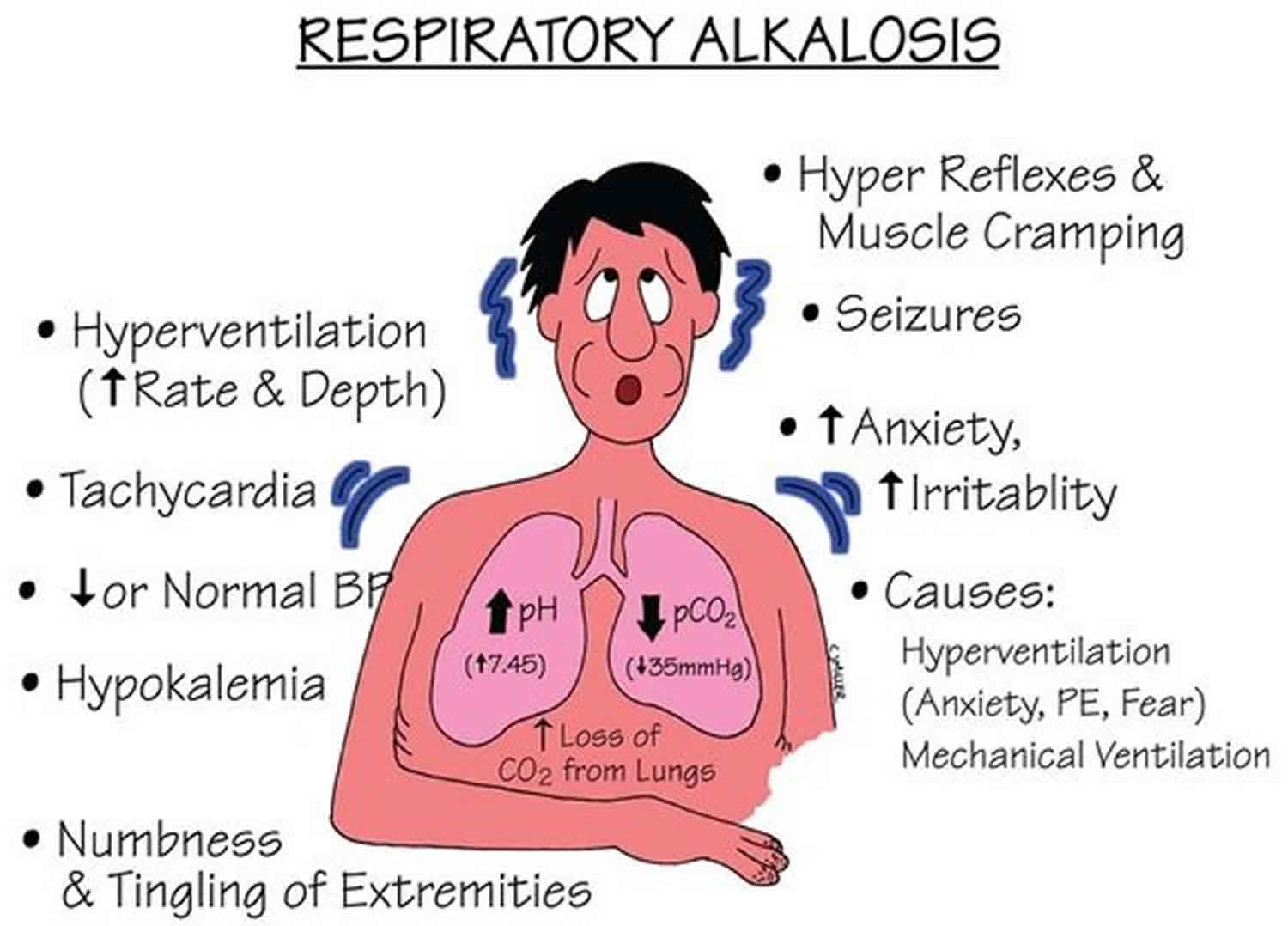
Respiratory alkalosis is defined by a primary decrease in $PaCO_2$ due to alveolar hyperventilation. When an individual breathes faster or deeper than necessary to meet the body's metabolic demands, they "wash out" carbon dioxide. Since $CO_2$ produces carbonic acid in the blood, losing it causes the blood to become alkaline.
Acute Anxiety and Hyperventilation Syndrome
Psychological distress remains one of the most common causes of respiratory alkalosis. Panic attacks or severe anxiety can trigger the sympathetic nervous system, leading to rapid, shallow breathing. This excessive exhalation of $CO_2$ causes an immediate rise in blood pH. Patients often experience a "vicious cycle" where the symptoms of alkalosis—such as tingling in the fingers (paresthesia) and lightheadedness—increase anxiety, further accelerating the respiratory rate.
High Altitude and Hypoxia
As of 2026, travel to high-altitude regions for recreation or work remains a frequent trigger for pH imbalances. At high altitudes, the atmospheric pressure of oxygen is lower. The body senses this drop in oxygen (hypoxia) and stimulates the peripheral chemoreceptors to increase the rate of breathing. While this brings in more oxygen, it simultaneously removes too much $CO_2$, leading to respiratory alkalosis. This is a hallmark of "altitude sickness" and is typically managed through gradual acclimatization, which allows the kidneys to excrete excess bicarbonate to balance the pH.
Pulmonary Diseases and Embolisms
Various lung conditions can interfere with gas exchange, leading to a reflexive increase in breathing.
- Pulmonary Embolism (PE): A blockage in the lung arteries can cause sudden hypoxia and pain, both of which stimulate hyperventilation.
- Pneumonia and Asthma: Early stages of these conditions often present with respiratory alkalosis as the patient struggles to maintain oxygenation by breathing faster.
- Interstitial Lung Disease: The stiffening of lung tissue can trigger rapid, shallow breathing patterns.
Salicylate Toxicity (Early Stage)
A specific and dangerous cause of respiratory alkalosis is the early stage of aspirin (salicylate) overdose. Salicylates directly stimulate the respiratory center in the brain, leading to hyperventilation. Interestingly, as the toxicity progresses, it often transitions into a complex mixed acid-base disorder, including metabolic acidosis, making early identification of the respiratory alkalotic phase critical for emergency intervention.
Primary Causes of Metabolic Alkalosis
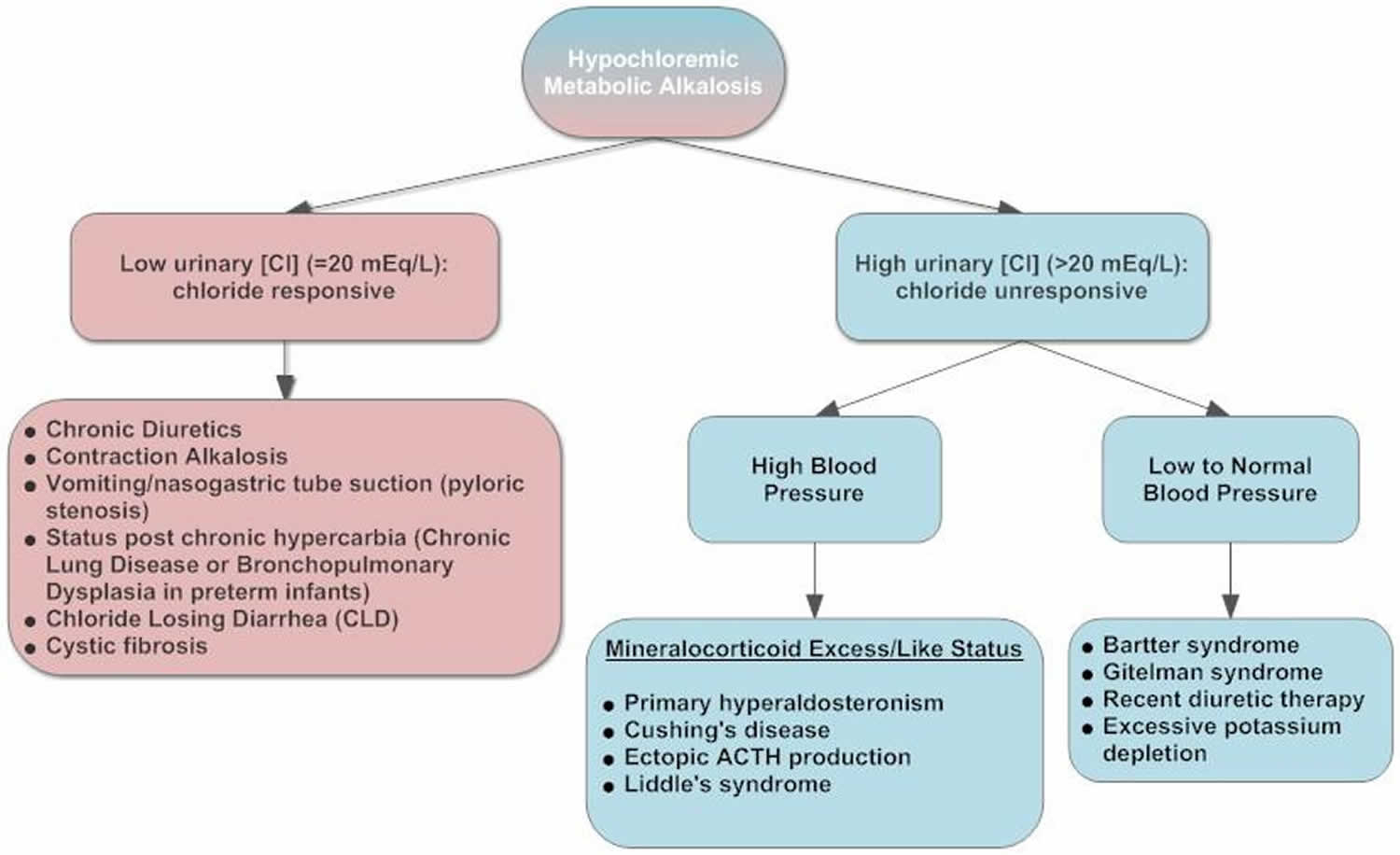
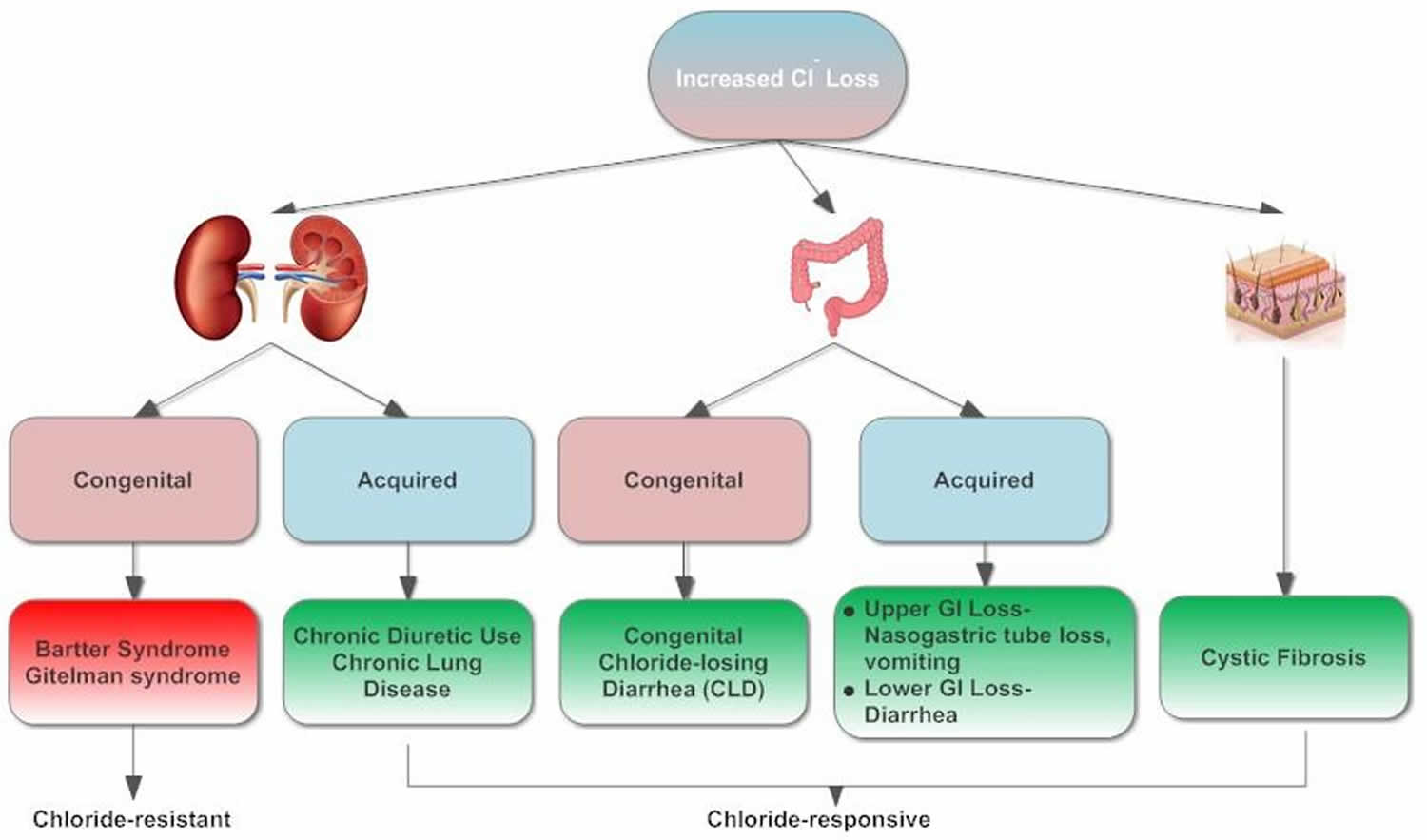
Metabolic alkalosis is more complex than its respiratory counterpart, often involving the kidneys' inability to excrete excess bicarbonate. It is generally classified by how the body responds to saline (chloride) administration: chloride-responsive or chloride-resistant.
Gastrointestinal Acid Loss
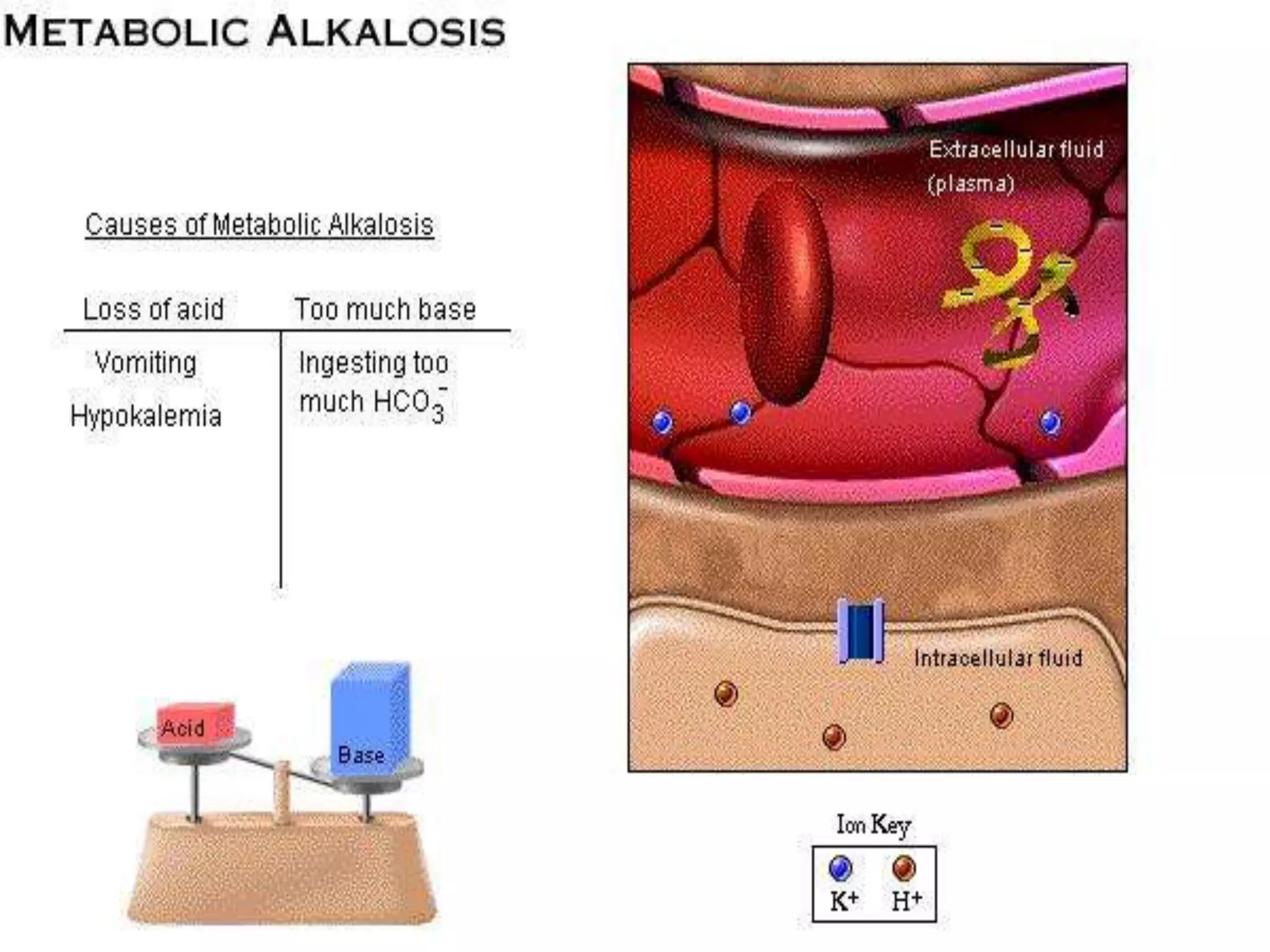
The stomach produces high concentrations of hydrochloric acid (HCl). When this acid is lost from the body, the remaining bicarbonate in the blood increases.
- Severe Vomiting: Chronic or acute vomiting results in the loss of hydrogen and chloride ions. As the body loses chloride, the kidneys are forced to retain bicarbonate to maintain electrical neutrality in the cells, a process that sustains the alkalotic state.
- Nasogastric (NG) Suctioning: In hospital settings, the continuous removal of gastric secretions can inadvertently lead to significant acid loss and subsequent metabolic alkalosis.
Diuretic Therapy
The use of "loop" diuretics (like furosemide) or thiazide diuretics is a frequent cause of metabolic alkalosis in patients with heart failure or hypertension. These medications encourage the kidneys to excrete sodium, potassium, and chloride. The loss of these electrolytes, particularly chloride, and the resulting contraction of extracellular fluid volume ("contraction alkalosis"), triggers the kidneys to reabsorb bicarbonate aggressively. Furthermore, the loss of potassium (hypokalemia) shifts hydrogen ions into the cells, further raising the pH of the blood.
Mineralocorticoid Excess (Hormonal Imbalances)
Hormones produced by the adrenal glands play a massive role in pH regulation.
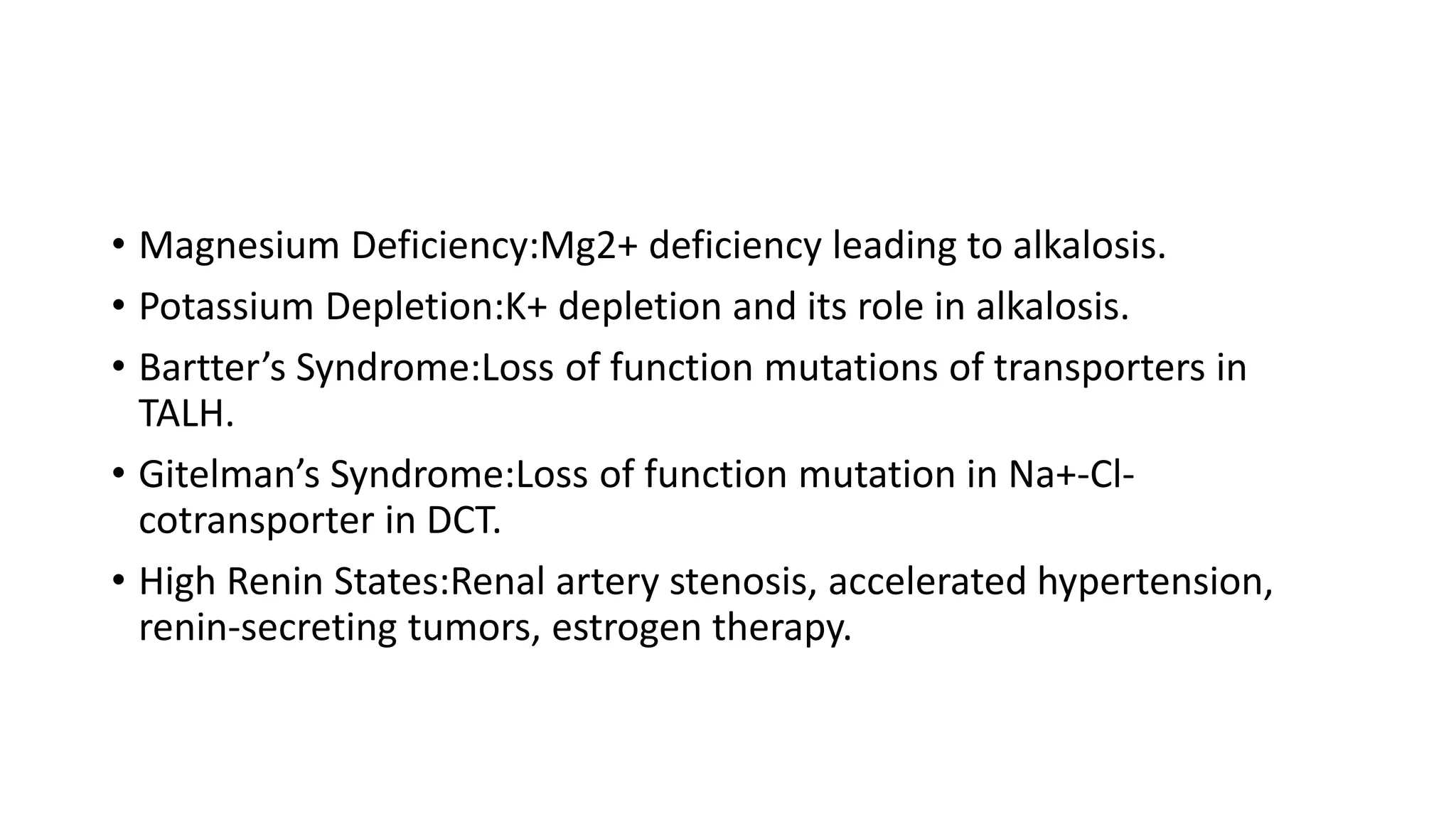
- Primary Hyperaldosteronism (Conn’s Syndrome): Excessive production of aldosterone causes the kidneys to retain sodium and excrete potassium and hydrogen ions. The loss of hydrogen ions directly contributes to an alkaline state.
- Cushing’s Syndrome: High levels of cortisol can have a mineralocorticoid effect, leading to similar patterns of acid loss and bicarbonate retention.
- Bartter and Gitelman Syndromes: These are rare genetic disorders that mimic the effects of long-term diuretic use, causing chronic metabolic alkalosis through salt-wasting in the kidneys.
Excessive Bicarbonate Intake
While less common due to the kidneys' natural efficiency at excreting base, the ingestion of large amounts of alkaline substances can cause "Milk-alkali syndrome." This traditionally occurred in patients taking large amounts of calcium carbonate (antacids) for peptic ulcers. In 2026, this is still observed in individuals self-treating osteoporosis or indigestion with excessive over-the-counter supplements.
The Role of Electrolytes: Potassium and Chloride
Electrolyte imbalances are not just symptoms of alkalosis; they are often the driving causes or stabilizing factors that prevent the body from correcting its pH.
Hypokalemia (Low Potassium)
There is a reciprocal relationship between potassium and hydrogen ions. When blood potassium levels are low, the body attempts to compensate by moving potassium out of cells and into the blood. To maintain electrical balance, hydrogen ions move from the blood into the cells. This removal of acid from the extracellular fluid results in alkalosis. Furthermore, in the kidneys, low potassium levels stimulate the secretion of hydrogen ions into the urine, which exacerbates the high blood pH.
Hypochloremia (Low Chloride)
Chloride is the most abundant anion in the extracellular fluid. When chloride is lost (through vomiting or diuretics), the kidneys must find another negative ion to pair with sodium to maintain balance. That ion is usually bicarbonate. This is why "chloride-responsive" alkalosis can often be treated simply by administering saline (sodium chloride) solutions, providing the kidneys with the chloride necessary to finally excrete the excess bicarbonate.
Symptoms and Clinical Manifestations
Alkalosis affects the neuromuscular and cardiovascular systems primarily by decreasing the levels of ionized calcium in the blood. As pH rises, more calcium binds to albumin, leaving less "free" calcium available for nerve and muscle function.
- Neuromuscular Irritability: Patients may experience "tetany," characterized by muscle twitches, prolonged contractions, or spasms.
- Paresthesia: A sensation of tingling or "pins and needles," usually in the extremities or around the mouth (perioral numbness).
- Confusion and Lethargy: Severe alkalosis can impair cerebral blood flow and oxygen delivery, leading to mental status changes.
- Arrhythmias: Changes in pH and associated potassium shifts can disrupt the electrical conductivity of the heart, leading to dangerous heart rhythms.
Diagnostic Evaluation and Testing
To identify the cause of alkalosis, clinicians rely on a series of laboratory tests. The first step is almost always an Arterial Blood Gas (ABG) test, which measures the pH, $PaCO_2$, and $HCO_3^-$ directly.
Once alkalosis is confirmed, the following diagnostic steps are typically taken:
- Check $PaCO_2$: If it is low, the cause is respiratory. If it is normal or high (as compensation), the cause is metabolic.
- Urine Chloride Test: This is essential for metabolic alkalosis. If urine chloride is low (< 20 mEq/L), the alkalosis is likely due to vomiting or prior diuretic use (chloride-responsive). If urine chloride is high (> 20 mEq/L), it suggests hormonal issues or active diuretic use (chloride-resistant).
- Electrolyte Panel: Measuring potassium, magnesium, and calcium helps determine the severity and secondary drivers of the imbalance.
| Feature | Respiratory Alkalosis | Metabolic Alkalosis |
|---|---|---|
| Primary Change | Low $CO_2$ (hypocapnia) | High $HCO_3^-$ (bicarbonate) |
| Common Causes | Anxiety, Altitude, PE, Fever | Vomiting, Diuretics, Antacids |
| Compensation | Kidneys excrete $HCO_3^-$ | Lungs retain $CO_2$ (slow breathing) |
| Key Electrolyte | Ionized Calcium (decreases) | Potassium and Chloride (often low) |
| Initial Treatment | Address breathing; oxygen | Saline/Potassium replacement |
Frequently Asked Questions
Can anxiety really cause a serious medical condition like alkalosis?
Yes, anxiety-induced hyperventilation is a primary cause of respiratory alkalosis. While it is rarely fatal on its own, it causes significant physical symptoms like chest pain, numbness, and fainting. The physiological shift is real—the blood pH actually rises because $CO_2$ is being exhaled too rapidly. Treatment often involves calming the patient or, in some cases, breathing techniques to help retain $CO_2$.
Does diet play a role in causing alkalosis?
For a healthy individual, diet rarely causes clinical alkalosis because the kidneys are incredibly efficient at processing excess acids or bases. However, "Milk-alkali syndrome" can occur if someone consumes massive amounts of calcium carbonate (found in some antacids) alongside high-calcium dairy products. This can lead to high blood calcium and metabolic alkalosis.
Why does vomiting cause the blood to become alkaline?
The stomach contains hydrochloric acid (HCl), which is highly acidic. When you vomit, you lose hydrogen ions ($H^+$) and chloride ions ($Cl^-$). The loss of $H^+$ directly raises the blood pH. Additionally, the loss of $Cl^-$ signals the kidneys to hold onto bicarbonate ($HCO_3^-$) to maintain the body's electrical balance, which keeps the blood in an alkaline state.
Is alkalosis as dangerous as acidosis?
Both are dangerous, but they present different risks. Severe alkalosis (pH > 7.60) can cause life-threatening heart arrhythmias, seizures, and a significant drop in blood flow to the brain. It is often harder to treat than acidosis because it frequently involves complex electrolyte and fluid volume issues that must be corrected simultaneously.
Can medications other than diuretics cause alkalosis?
Yes, certain medications like laxatives (if used excessively to cause diarrhea and potassium loss) or corticosteroids can lead to alkalosis. Additionally, the administration of sodium bicarbonate during medical procedures, if not carefully monitored, can cause exogenous metabolic alkalosis.
Recommended Next Actions
If you or someone else is experiencing symptoms of alkalosis—such as unexplained muscle twitching, severe tingling in the hands, or confusion following a period of illness or high stress—it is imperative to seek medical evaluation. Because alkalosis is often a symptom of an underlying problem (like a pulmonary embolism, kidney issue, or electrolyte deficiency), a simple blood test is required to determine the exact cause.
For those at high risk, such as patients on chronic diuretic therapy or those with known adrenal issues, regular monitoring of electrolyte levels (Potassium and Chloride) as of 2026 remains the gold standard for preventing severe pH imbalances. Always consult with a healthcare professional before adjusting dosages of prescribed medications or starting significant new supplement regimens.
Detailed medical information regarding acid-base disorders can be further explored through the National Institutes of Health (NIH) or the Merck Manual Professional Version.