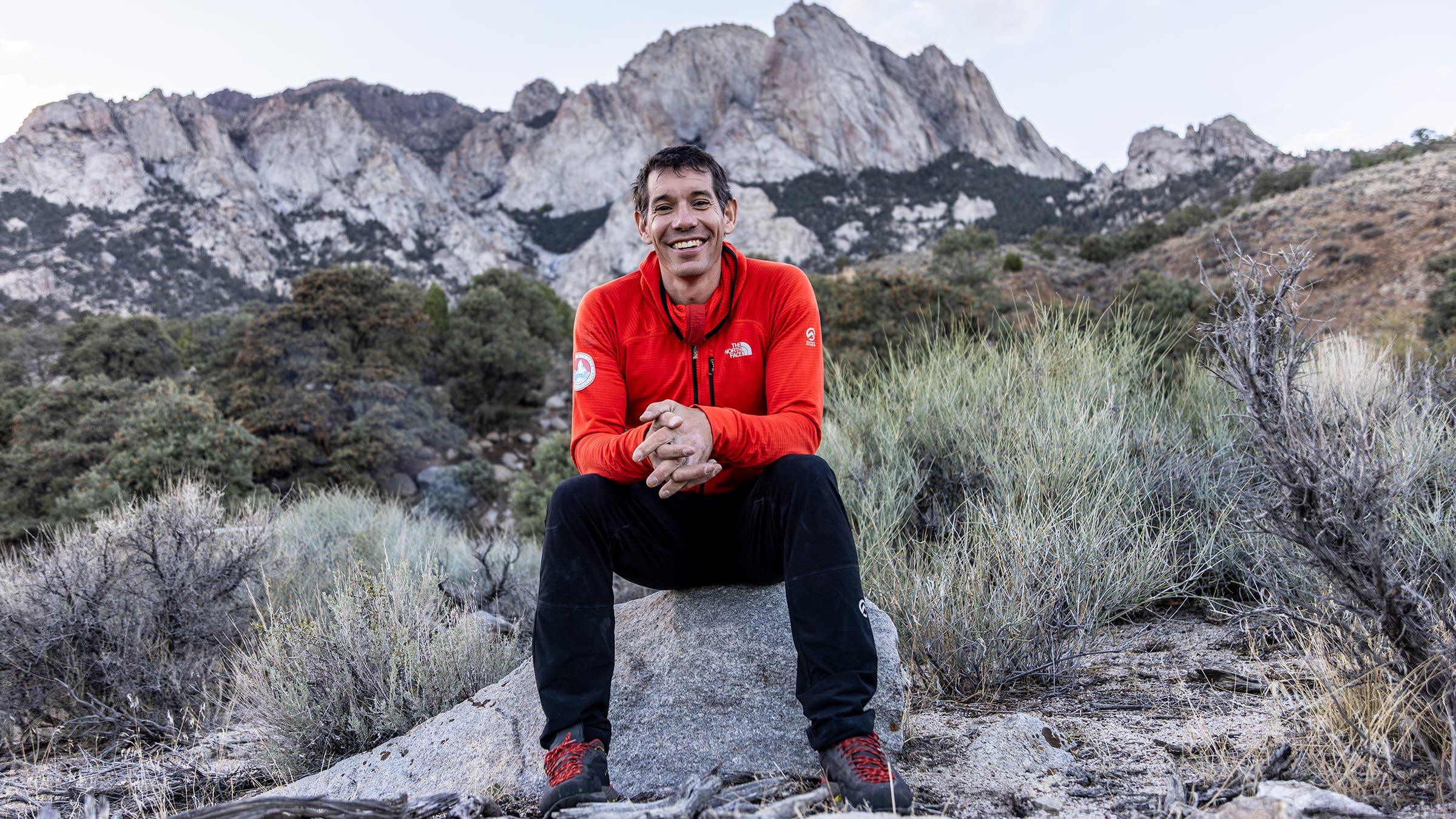
Alex Honnold lives in Las Vegas, Nevada, primarily to maintain year-round access to the world-class sandstone climbing at Red Rock Canyon National Conservation Area. While he famously spent over a decade living in a ProMaster van, he transitioned to a permanent residence in the Summerlin area to balance his professional climbing career with his growing family and environmental advocacy through the Honnold Foundation.
For years, the name Alex Honnold was synonymous with "van life." Following the global success of the documentary Free Solo, which chronicled his historic rope-less ascent of El Capitan, public interest in Honnold’s domestic life surged. As of 2026, the transition from a nomadic elite athlete to a settled Las Vegas resident is complete, yet his choice of location remains deeply rooted in the same pragmatic athleticism that defined his early career. Las Vegas offers a unique convergence of geological variety, logistical convenience, and economic benefits that make it an ideal base for a professional outdoor athlete.
The Geographic Magnet: Red Rock Canyon and Beyond
The primary reason Alex Honnold chose Las Vegas is the proximity to Red Rock Canyon National Conservation Area. Located just minutes from the suburban edges of Summerlin, Red Rock offers thousands of climbing routes across a spectrum of disciplines, including bouldering, sport climbing, and long traditional (trad) multi-pitch routes.
Year-Round Training Conditions
Unlike traditional climbing hubs like Yosemite or the High Sierra, which are often inaccessible due to snow during the winter months, Las Vegas provides a viable training ground throughout the year. While the summer heat in the Mojave Desert can be intense, the nearby Mount Charleston offers high-altitude limestone climbing at cooler temperatures. This "seasonal migration" within a 45-minute radius allows Honnold to maintain peak physical condition without the need for constant long-distance travel.
Geological Diversity
The Aztec Sandstone of Red Rock is world-renowned for its friction and unique features. For a climber of Honnold’s caliber, having access to such a massive volume of "backyard" climbing is an unparalleled asset. It allows for high-volume training days where he can climb thousands of vertical feet in a single afternoon—a necessity for maintaining the endurance required for massive walls in Patagonia or the Karakoram.
The Transition from Van Life to Suburban Stability
Honnold’s move to a fixed address was not an overnight decision but a calculated evolution. For much of his 20s, the van was the ultimate tool for efficiency, allowing him to follow the best weather and the best rock. However, as his career matured and his public profile grew, the limitations of van life became apparent.
The First Vegas Home
Honnold’s first foray into Las Vegas real estate was a relatively modest townhouse in Summerlin, purchased around 2017. This home served as a "base camp" where he could store gear, host fellow climbers, and recover between expeditions. It marked a shift in his philosophy: the home was no longer a luxury but a strategic resource to support his longevity in a high-risk sport.
The Modern Sustainable Residence
By 2026, Honnold has moved into a more significant, custom-built residence that reflects his commitment to environmentalism. This home is a showcase of sustainable technology, featuring extensive solar arrays, high-efficiency insulation, and "net-zero" energy goals. This aligns with the mission of the Honnold Foundation, which provides solar energy solutions to marginalized communities worldwide. Living in Las Vegas—one of the sunniest cities in the United States—provides the perfect environment to leverage solar power.
Logistical and Economic Advantages of Nevada
Beyond the rock, Las Vegas offers practical benefits that are essential for a globally recognized professional.
- Travel Accessibility: Harry Reid International Airport (LAS) is a major hub with direct flights to Europe, South America, and Asia. For an athlete who spends several months a year on international expeditions or speaking tours, the ability to get from his front door to a terminal in 20 minutes is a significant logistical advantage.
- No State Income Tax: Nevada is one of the few U.S. states without a state income tax. For a high-earning professional athlete with multiple endorsements and film projects, this provides a significant financial incentive to maintain primary residency in the state.
- The Outdoor Community: Las Vegas has evolved into a legitimate "outdoor town." It is no longer just a gambling destination; it is a hub for professional climbers, ultramarathoners, and mountain bikers. Honnold is surrounded by a peer group of elite athletes, creating a community of practice that pushes his performance.
Family Life and the Summerlin Community
The move to Las Vegas was also influenced by Honnold’s marriage to Sanni McCandless Honnold and the birth of their children. McCandless, a life coach and co-founder of Outwild, also benefits from the outdoor-centric lifestyle of the region.
A Focus on Community
The Summerlin area of Las Vegas is known for its extensive park systems, high-quality schools, and safety—factors that are paramount for a young family. While the "Vegas Strip" is what most people associate with the city, the western suburbs offer a quiet, family-oriented lifestyle that is largely disconnected from the casino culture. For the Honnolds, this balance of suburban comfort and immediate wilderness access is the key to their long-term stay in the region.
Comparing Las Vegas to Other Climbing Hubs
To understand why Honnold remains in Vegas, it is helpful to compare it to other iconic climbing locations.
| Feature | Las Vegas (Red Rock) | Yosemite Valley | Boulder, Colorado | Bishop, California |
|---|---|---|---|---|
| Primary Rock Type | Sandstone / Limestone | Granite | Sandstone / Granite | Granite / Volcanic |
| Climbing Season | Fall, Winter, Spring | Spring, Summer, Fall | Year-round (weather permitting) | Fall, Winter, Spring |
| Airport Access | Excellent (International) | Poor (3-4 hours away) | Excellent (1 hour away) | Poor (4-5 hours away) |
| State Income Tax | None | High | Moderate | High |
| Cost of Living | Moderate | Very High (housing crisis) | High | Moderate |
The Role of the Honnold Foundation in Las Vegas
While Honnold’s foundation works globally, his presence in Las Vegas has brought attention to local environmental issues. He has been a vocal advocate for the protection of public lands surrounding the city. As Las Vegas continues to expand, the tension between suburban development and the preservation of Red Rock Canyon has become a central local issue. Honnold’s residency lends a high-profile voice to conservation efforts, ensuring that the very reason he moved to the city—the pristine desert wilderness—remains protected for future generations.
Managing Fame in a Transient City
One might assume that one of the most famous climbers in the world would be hounded in a city like Las Vegas. However, the transient and sprawling nature of the city provides a level of anonymity. In Summerlin, Honnold is often just another "outdoorsy neighbor" at the local grocery store or climbing gym. This allows him to lead a relatively normal life compared to the intense scrutiny he might face in a smaller, more concentrated climbing town like Bishop or Moab.
Training Regimen and Local Gyms
Even with world-class rock in his backyard, Honnold is a frequent visitor to local climbing gyms. Las Vegas boasts several high-end facilities, including The Pad and Origin Climbing & Fitness. These gyms provide the controlled environment necessary for specific strength training and finger boarding, which are essential for maintaining the high level of technical proficiency required for his projects. The availability of high-quality indoor training is a critical component of his residency, especially during the peak heat of mid-summer.
Frequently Asked Questions
Does Alex Honnold still live in a van?
No, Alex Honnold no longer lives in a van full-time. While he still uses a custom-built van for climbing trips and expeditions, he has lived in a permanent home in Las Vegas since approximately 2017. He transitioned to a more stable living situation to accommodate his family and professional commitments.
Why didn't he move to Yosemite?
While Yosemite is the site of his most famous achievements, it is difficult to live there year-round. The park has strict residency and camping regulations, and the surrounding areas lack the logistical conveniences (like a major international airport and year-round climbing variety) that Las Vegas offers.
Is he involved in the local Las Vegas climbing community?
Yes, Honnold is an active member of the local community. He is frequently seen at local climbing gyms and at the crags in Red Rock. He also supports local conservation initiatives aimed at preserving the desert environment.
What part of Las Vegas does he live in?
Alex Honnold lives in the Summerlin area, which is located on the western edge of the Las Vegas Valley. This location was chosen specifically for its proximity to Red Rock Canyon, which is roughly a 15-to-20-minute drive from most parts of the neighborhood.
How does he handle the Las Vegas heat?
During the hottest summer months, Honnold typically climbs at higher elevations, such as Mount Charleston, or travels to cooler climates for expeditions (e.g., Greenland, Alaska, or Europe). The ability to use Las Vegas as a central hub for global travel makes it easy to escape the 110-degree Fahrenheit peaks.
Practical Recommendation for Visiting Red Rock
If you are inspired by Alex Honnold’s choice of residence to visit Red Rock Canyon yourself, it is essential to plan ahead. Due to its popularity, the Bureau of Land Management (BLM) implemented a timed entry reservation system for the Scenic Drive. Reservations are typically required from October through May. If you intend to climb or hike, ensure you have your permits and reservations secured weeks in advance, and always follow "Leave No Trace" principles to preserve the fragile desert ecosystem that Honnold and many others call home.