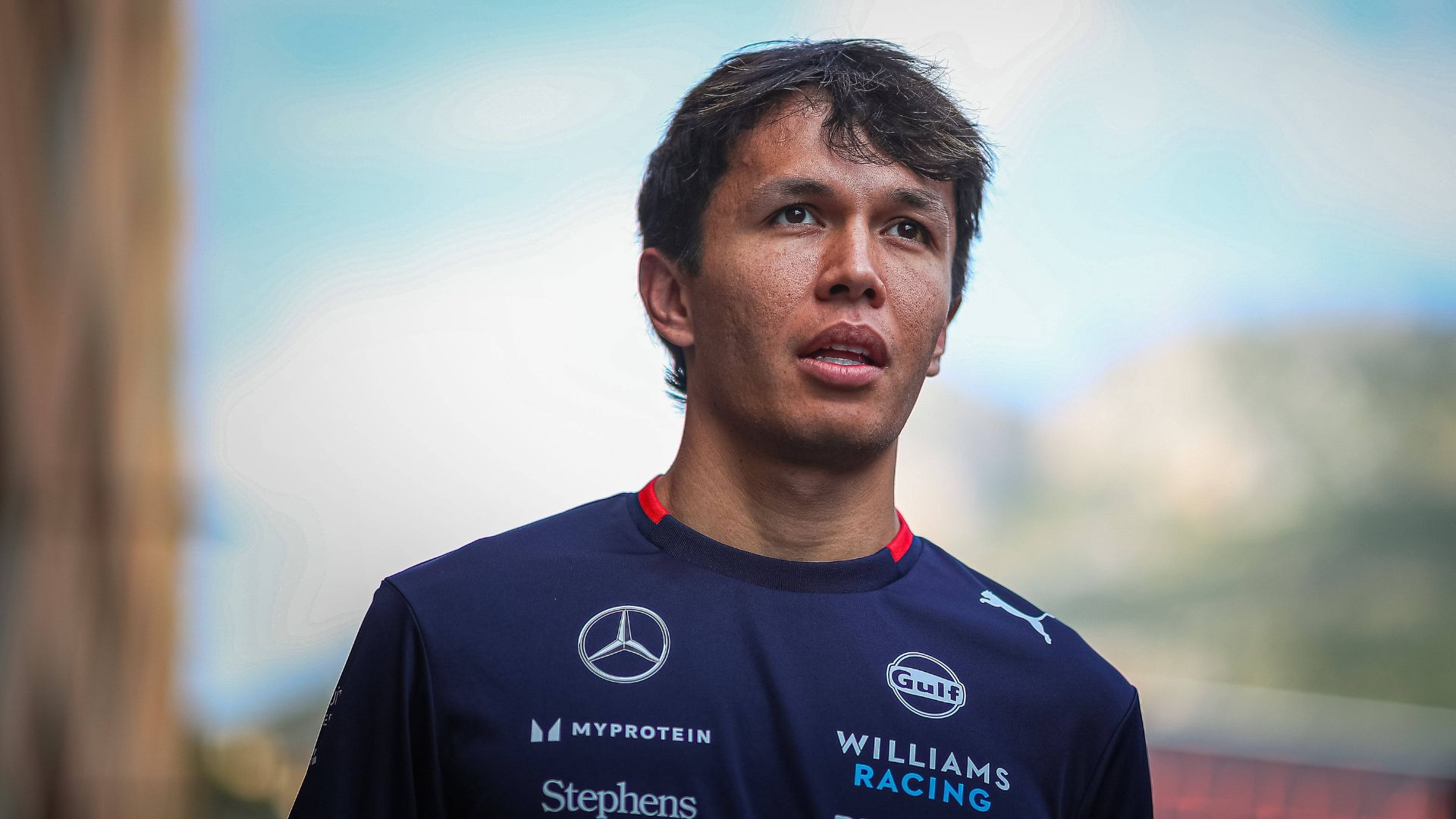
Alexander Albon is a professional Formula 1 driver who holds dual British and Thai nationality. While he was born and raised in London, England, he competes under the Thai flag. This dual heritage makes him the first Thai driver to reach the podium in Formula 1 history and a significant figure for Southeast Asian representation in global motorsport.
The identity of Alexander Albon is a blend of two distinct cultures, a factor that has shaped both his personal life and his professional trajectory in Formula 1. As of 2026, Albon remains one of the most respected drivers on the grid, currently leading the charge for Williams Racing. To understand why his "Thai-British" status is more than just a passport entry, one must look at his family history, the strategic decisions of his early career, and the unique position he occupies within the sport’s commercial landscape.
The Roots of a Dual Identity: Family and Upbringing
Alexander Albon Ansusinha was born on March 23, 1996, in London. His father, Nigel Albon, is a British former racing driver who competed in the British Touring Car Championship and the Porsche Carrera Cup. His mother, Kankamol Albon, is from Thailand. This mix provided Albon with a multicultural upbringing in the United Kingdom, specifically in Suffolk, where he attended Ipswich School.
Growing up in the UK, Albon was immersed in the European racing scene, which is widely considered the heart of global motorsport. However, his connection to his mother’s homeland remained a core part of his identity. In the world of Formula 1, where nationality often dictates sponsorship opportunities and fan bases, Albon’s choice to embrace his Thai heritage was both a personal tribute and a professional differentiator.
The Influence of Nigel Albon
Nigel Albon’s experience in the racing world was instrumental in Alex’s early development. Unlike many "pay drivers" who come from billionaire backgrounds, the Albon family had to navigate the high costs of junior racing through talent and local sponsorships. Nigel’s understanding of the British racing ladder allowed Alex to begin karting at the age of eight, quickly proving his mettle by winning the British Kart Championship in 2006 and the European Championship in 2010.
The Role of Kankamol Albon and Thai Culture
While his father handled the racing logistics, his mother provided the cultural bridge to Thailand. Despite living in England, the family maintained Thai traditions. This connection became publicly significant as Albon progressed toward the pinnacle of motorsport. It wasn't just about heritage; it was about representing a nation that had been absent from Formula 1 for over half a century.
The Strategic Decision: Representing Thailand
One of the most frequent questions regarding Albon is why he chooses to race under the Thai flag despite his British accent and upbringing. The decision was formalized during his junior career and solidified when he joined the Red Bull program.
The Legacy of Prince Bira
Before Alex Albon, the only Thai driver to have competed in Formula 1 was Prince Birabongse Bhanudej, better known as Prince Bira, who raced in the 1950s. By choosing to represent Thailand, Albon stepped into a role of immense national importance. He isn't just another British driver in a field often crowded with them; he is the Thai driver. This status has garnered him a massive following in Southeast Asia, a region where Formula 1 has seen explosive growth in viewership.
The Red Bull Connection
The decision also carried significant commercial weight. Red Bull, the energy drink giant, has deep Thai roots. The original "Krating Daeng" drink was created by Thai businessman Chaleo Yoovidhya before Dietrich Mateschitz partnered with him to take the brand global. To this day, the Yoovidhya family owns 51% of the company. Having a talented Thai driver within the Red Bull Junior Team—and eventually the senior team—was a perfect alignment of brand heritage and athletic talent.
Navigating the FIA Nationality Regulations
Under the FIA (Fédération Internationale de l'Automobile) regulations, a driver’s racing nationality is determined by the passport they hold. Since Albon holds both British and Thai passports, he had the legal right to choose either flag for his racing license.
| Feature | British Context | Thai Context |
|---|---|---|
| Birthplace | London, United Kingdom | N/A (Heritage through mother) |
| Racing License | Historically used in early karting | Current FIA License (F1) |
| National Anthem | God Save the King | Phleng Chat Thai |
| Sponsorship | British-based technical partners | PTT, Singha, Thai business consortia |
| Fan Base | Strong UK following | National hero status in Thailand |
| Media Identity | Often grouped with "The Twitch Quartet" | Southeast Asia's F1 Ambassador |
When Albon stands on a podium, as he famously did at the 2020 Tuscan Grand Prix, the Thai national anthem is played. This distinction is vital for the visibility of the sport in non-European markets and has made Albon a central figure in F1’s "Global Expansion" era.
Career Resilience: From Red Bull to Williams (2019-2026)
Albon’s career has been a testament to the resilience often associated with his dual-identity narrative. He was famously dropped from the Red Bull Junior program in 2012, only to fight his way back into the fold through exceptional performances in Formula 2.
The Red Bull Rollercoaster
In 2019, Albon made his F1 debut with Toro Rosso. After only 12 races, he was promoted to the senior Red Bull Racing team to replace Pierre Gasly. This was a meteoric rise that placed immense pressure on the young driver. While he showed flashes of brilliance, the 2020 season proved difficult as he struggled to match the pace of teammate Max Verstappen.
The 2021 Hiatus and Development Role
After being replaced by Sergio Perez for the 2021 season, Albon did not fade away. He served as Red Bull’s reserve and development driver, playing a crucial role in the simulator to help develop the car that eventually won Verstappen the World Championship. This period highlighted Albon’s technical maturity—a trait that would later define his tenure at Williams.
Leading Williams Racing in 2026
Since joining Williams in 2022, Albon has transitioned from a "promising talent" to a "team leader." By 2026, he has become the cornerstone of the Grove-based team’s resurgence. His ability to extract performance from mid-field cars has earned him the nickname "The Tire Whisperer" and "Mr. Saturday" among fans. His Thai-British identity remains a point of pride for the team, which enjoys a diverse international profile.
The Cultural Impact: "Albono" and the Modern Fan
Beyond the statistics, Albon’s personality has made him a fan favorite. He is part of the "new generation" of drivers who have used social media and streaming (such as Twitch) to connect with fans.
Representation Matters
For many young aspiring drivers in Asia, Albon is proof that the path to Formula 1 is possible. He often incorporates Thai culture into his gear, such as featuring Thai symbols or visiting orphanages in Thailand (like the Wat Sakraeo orphanage) to give back to the community. His charitable work in Thailand has solidified his status as a national icon, transcending the sport of racing.
The "Twitch Quartet"
Albon is frequently grouped with fellow drivers George Russell, Lando Norris, and Charles Leclerc. While the others are European, Albon’s dual heritage adds a layer of globalism to this group. Their camaraderie, often showcased through online gaming during the 2020 lockdowns, helped humanize F1 drivers for a younger demographic.
Technical Depth: How Nationality Affects F1 Logistics
While fans see the flag on the screen, the technical reality of being a Thai-British driver involves complex logistics.
- Travel and Residency: Albon, like many F1 drivers, is based in Monaco but spends significant time at the Williams factory in the UK. His British upbringing makes the "home" life at an English team like Williams very seamless.
- Sponsorship Activation: Being Thai allows Albon to tap into markets that a purely British driver might not reach. Companies like PTT (Petroleum Authority of Thailand) have historically supported him, providing the financial backing necessary for a top-tier racing career.
- Media Duties: Albon often performs media duties in both English and Thai. While he has admitted in interviews that his Thai language skills are not as fluent as his English, his effort to engage with Thai media is highly valued by the fans in Bangkok and beyond.
Common Misconceptions About Alex Albon
There are several misconceptions regarding Albon’s nationality that frequently appear in sports journalism and fan forums:
- "He only races for Thailand for the money": While sponsorship is a factor in F1, Albon’s choice was made early in his career and is deeply tied to his mother’s heritage and the desire to represent an underrepresented nation.
- "He doesn't speak Thai": Albon speaks some Thai but is more comfortable in English. He has been open about his desire to improve his Thai to better connect with his fans.
- "He is purely a British driver": Legally and competitively, this is false. In the eyes of the FIA and the Olympic committee (should motorsport ever be included), he is a Thai athlete.
Frequently Asked Questions
Is Alex Albon the first Thai F1 driver?
No, he is the second. The first was Prince Bira (Prince Birabongse Bhanudej), who competed from 1950 to 1954. Albon is, however, the first Thai driver to achieve a podium finish in Formula 1.
Does Alex Albon have two passports?
Yes, Albon holds dual citizenship with the United Kingdom and Thailand. He uses his Thai passport for his FIA racing license.
Where was Alex Albon born?
He was born in London, England. He grew up in Suffolk and attended school in the UK, which explains his British accent.
Which team does Alex Albon drive for in 2026?
As of 2026, Alex Albon continues to drive for Williams Racing, having signed a multi-year contract extension that solidified his role as the team’s lead driver during their transition into the new era of F1 regulations.
Why is he called "Thai-British"?
The term reflects his dual heritage—a British father and a Thai mother. It acknowledges both his cultural upbringing in England and his competitive representation of Thailand.
Does Albon have a British accent?
Yes, Albon has a standard British accent, having lived the majority of his life in the United Kingdom.
Final Perspective for Fans and Analysts
For those following Formula 1 in 2026, Alexander Albon represents the modern, globalized face of the sport. His "Thai-British" identity is not a conflict of interest but a synergy of two worlds. He brings the technical discipline of the British racing ladder and the passionate support of the Thai nation to the grid.
Whether you are a fan of his "last-to-points" charges at Williams or an observer of the sport's commercial evolution, Albon remains a pivotal figure. To support Albon's journey, fans can follow official Williams Racing updates and the official Formula 1 standings. His career serves as a blueprint for how dual nationality can be embraced to create a unique and powerful brand in the world's most competitive racing series.