Navigating Alabama workers compensation funds requires understanding state-specific mandates, self-insurance group options, and the administrative mechanisms that govern workplace injury claims. Employers operating within the state must secure proper coverage either through traditional commercial insurance, individual self-insurance, or participation in approved group funds, while injured workers look to these mechanisms for medical and wage-replacement benefits.
Overview of the Alabama Workers' Compensation System
The Alabama workers' compensation system operates under the legal framework established by the Alabama Workers' Compensation Act (Code of Alabama, Title 25, Chapter 5). Unlike systems in some other states that utilize a state-operated exclusive fund, Alabama relies entirely on private insurance carriers, individual self-insured employers, and group self-insurance funds to provide necessary coverage.
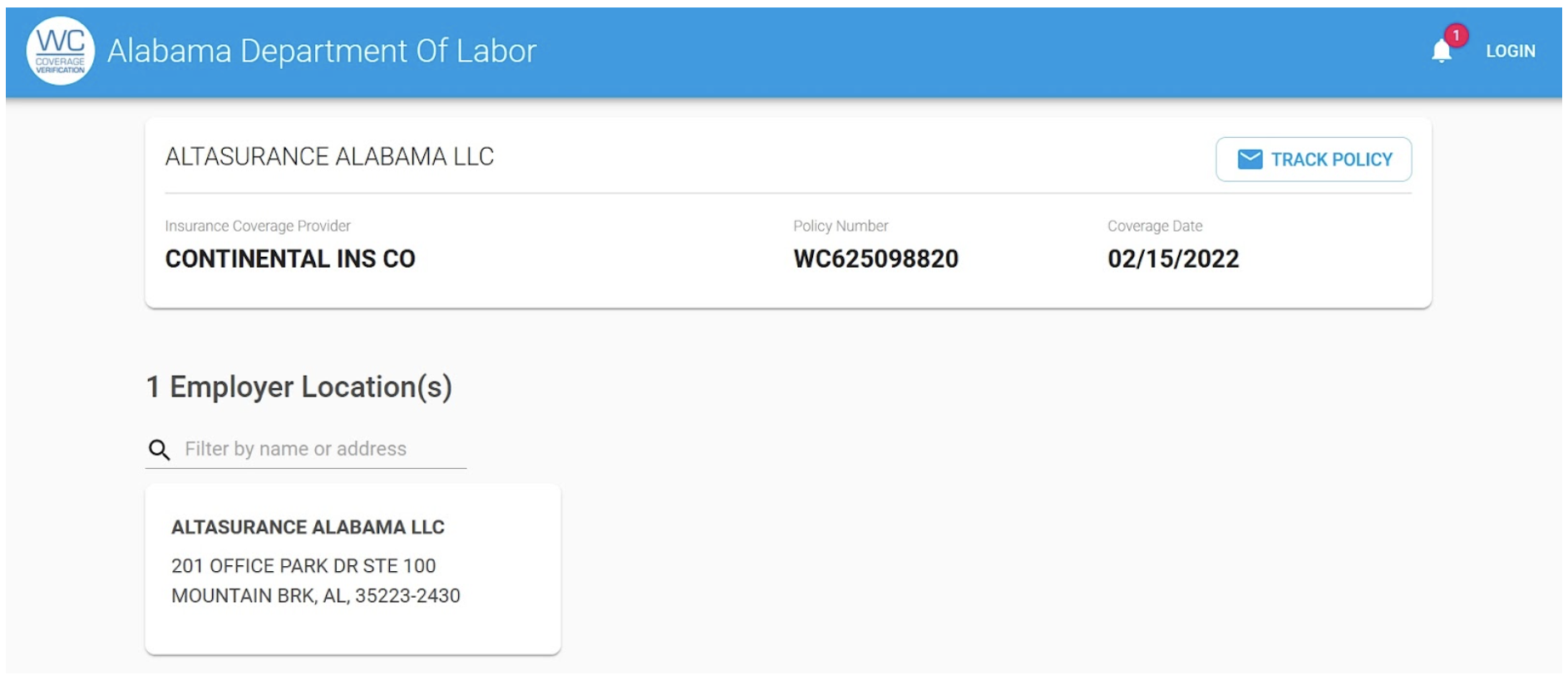
Administration of the system is overseen primarily by the Alabama Department of Labor (ADOL), which handles reporting, compliance monitoring, and mediation services. However, actual dispute resolution occurs through the Alabama Circuit Courts rather than an administrative workers' compensation commission or board. This unique judicial structure means that contested claims, medical disputes, and settlement approvals ultimately proceed through the state court system.
For employers, securing adequate protection is mandatory. Understanding how workers compensation funds operate helps businesses maintain compliance, manage risk, and control costs. For employees, knowing the structures behind these funds clarifies how claims are funded, processed, and paid following a workplace injury or occupational disease.
Employer Coverage Requirements and Compliance
Under Alabama law, virtually every employer that regularly employs five or more employees must secure workers' compensation coverage. This requirement applies whether the workers are full-time, part-time, or seasonal. Certain exemptions exist, including agricultural laborers, domestic employees in private homes, real estate agents working on a commission basis, and casual employees whose employment is not in the usual course of business of the employer.
Employers have three primary methods to fulfill their statutory obligation to provide coverage:
- Commercial Workers' Compensation Insurance: Purchasing a standard policy from a licensed private insurance carrier authorized to write workers' compensation insurance in Alabama.
- Individual Self-Insurance: Meeting stringent financial, capitalization, and administrative standards set by the Alabama Department of Labor to self-fund liabilities directly.
- Group Self-Insurance Funds: Joining an authorized group fund where employers within the same industry pool their risks and liabilities to provide coverage collectively.
Failure to secure and maintain required coverage is a serious misdemeanor under Alabama law, exposing employers to substantial financial penalties, stop-work orders, and direct civil liability for workplace injuries sustained by employees while uninsured.
Group Self-Insurance Funds in Alabama
Group self-insurance funds represent a specialized option for employers looking for alternatives to traditional commercial policies. Authorized under the Alabama Workers' Compensation Act, these funds allow homogeneous groups of employers—such as contractors, manufacturers, or healthcare providers—to pool their resources to pay claims and administrative costs.
Structure and Regulation
Group self-insurance funds operate under the regulatory oversight of the Alabama Department of Labor and the Alabama Department of Insurance. To establish and maintain a group fund, participants must meet specific capitalization thresholds, maintain aggregate and specific excess insurance (reinsurance) to protect against catastrophic losses, and undergo regular financial audits.
Each group fund is governed by a board of trustees elected by the participating members. The board is responsible for setting contribution rates, establishing safety standards for member businesses, managing investments, and overseeing claims administration.
Advantages and Risks of Group Funds
Participating in a group self-insurance fund offers distinct operational benefits alongside notable financial risks:
- Potential Cost Savings: Well-managed funds with low loss histories often return surplus funds or dividends to member employers.
- Loss Control and Safety Programs: Group funds typically provide specialized safety training, risk assessments, and claims management services tailored to the specific industry.
- Joint and Several Liability: The most critical risk in group self-insurance is joint and several liability. If the fund suffers catastrophic losses or insolvency and member contributions are insufficient to cover claims, all participating employers can be held jointly and severally liable for the unpaid obligations of the fund.
Comparison of Coverage Mechanisms
To better understand the structural differences between traditional insurance, individual self-insurance, and group funds, consider the comparison below:
| Feature | Commercial Insurance | Group Self-Insurance Funds | Individual Self-Insurance |
|---|---|---|---|
| Primary Target | All eligible employers | Homogeneous industry groups | Large employers with high financial stability |
| Risk Transfer | Transferred entirely to the private carrier | Shared among member employers in the pool | Retained entirely by the employer |
| Regulatory Body | Alabama Department of Insurance / ADOL | Alabama Department of Labor & Insurance | Alabama Department of Labor |
| Financial Liability | Limited to premium and deductible | Joint and several liability among members | Unlimited direct liability backed by security deposits |
| Dividend Potential | Rare, depends on carrier surplus programs | Common if loss experience is favorable | N/A (direct savings retention) |
Funding and Financial Mechanics of Claims
When an industrial accident or occupational illness occurs, the financial mechanism supporting the claim depends entirely on the employer's chosen coverage vehicle. Regardless of whether claims are paid by a commercial carrier, a group fund, or an individual self-insured balance, statutory benefit structures remain consistent under Alabama law.
Types of Benefits Covered
Workers compensation funds must cover three primary categories of statutory benefits:
- Medical Benefits: Reasonable and necessary medical, surgical, and hospital treatment, including prescription medications, physical therapy, and durable medical equipment, without any co-pays or deductibles for the injured worker.
- Temporary Disability Benefits: Wage-replacement benefits (typically calculated at 66 2/3% of the employee's average weekly wage, subject to statutory maximums) paid while the employee is recovering and unable to work.
- Permanent Disability and Death Benefits: Compensation for permanent partial or total functional impairment, as well as burial expenses and dependency benefits in fatal cases.
Premium Calculation and Experience Rating
For commercial insurance and group funds, contributions or premiums are calculated using the employer’s payroll categorized by job classifications, multiplied by manual rates established by the National Council on Compensation Insurance (NCCI). An employer's Experience Modification Rate (EMR) directly impacts these costs. Businesses with safe workplaces and low claim frequencies earn an EMR below 1.0, reducing their costs, while those with frequent or severe claims face higher multipliers.
Frequently Asked Questions
What happens if an Alabama employer fails to provide workers' compensation coverage?
Employers who fail to maintain required coverage face civil penalties, stop-work orders issued by the state, and criminal misdemeanor charges. Furthermore, injured employees can sue the uninsured employer directly in civil court, where the employer is stripped of standard common-law defenses such as contributory negligence.
Are all employees in Alabama covered by workers' compensation?
No. Certain workers are legally exempt from mandatory coverage under the Alabama Workers' Compensation Act. Exempt categories generally include agricultural workers, domestic employees, independent contractors who meet specific legal tests, and employees of businesses with fewer than five total employees.
How are disputes handled if a claim is denied by a workers compensation fund?
Unlike states with administrative boards, Alabama does not utilize a state workers' compensation commission to resolve disputes. If a claim is denied or contested, the injured worker or employer must file a lawsuit in an Alabama Circuit Court to have the dispute adjudicated by a judge.
Can an injured employee choose their own doctor in Alabama?
Under Alabama law, the employer or their insurance carrier (or group fund) has the right to select the initial authorized treating physician. If an employee seeks treatment from an unauthorized physician without referral or emergency justification, the employer or fund is generally not responsible for the associated medical bills.
What is joint and several liability in a group self-insurance fund?
Joint and several liability means that every member employer in a self-insurance fund shares responsibility for the financial obligations of the entire group. If the fund experiences severe losses that exceed its reserves and reinsurance, all participating businesses can be legally required to pay additional assessments to cover outstanding claims.
Next Steps and Professional Guidance
Employers seeking to establish group self-insurance, apply for individual self-insurance permits, or verify commercial policy compliance should consult the official resources provided by the Alabama Department of Labor. Injured workers requiring assistance with claim denials, benefit calculations, or dispute resolutions should review statutory timelines and consider consulting a qualified attorney specializing in Alabama workers' compensation law.