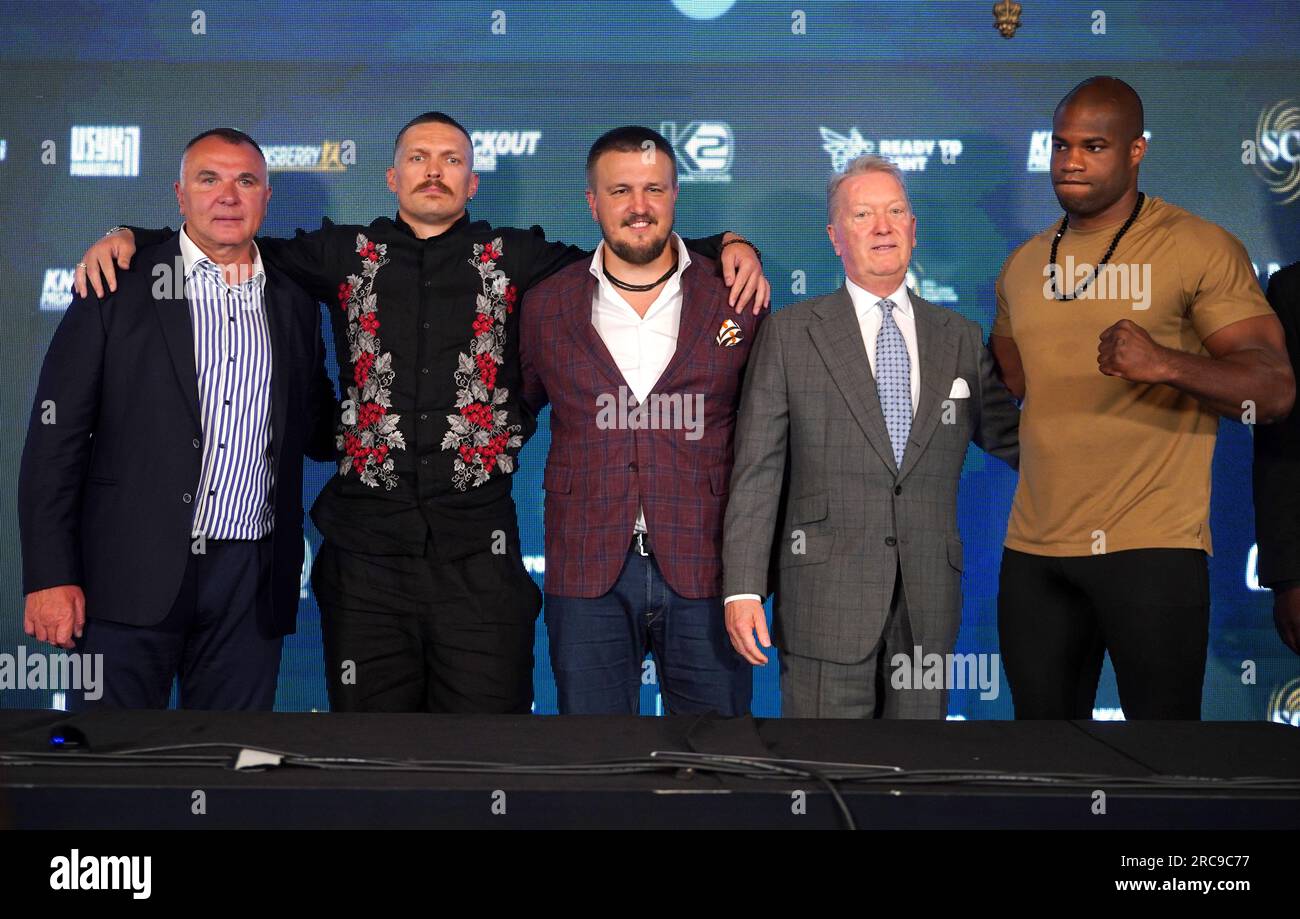
Al Haymon is a prominent and enigmatic American boxing manager, promoter, and advisor who revolutionized the modern boxing industry by shifting control away from traditional television networks and mega-promoters toward the fighters themselves. Rather than operating a public-facing traditional promotional outfit, Haymon founded Premier Boxing Champions (PBC) in 2015 to secure guaranteed purses, maximize television exposure across broadcast and cable networks, and retain creative control for elite fighters through a talent-advisory business model.
The Origins and Background of Al Haymon
Before entering the combat sports landscape, Al Haymon established himself as a highly successful music promoter and business executive. Graduating from Harvard University with an MBA, Haymon initially managed rhythm and blues artists, hip-hop acts, and comedians, building a reputation for astute financial negotiation and strategic marketing. His transition into boxing began in the early 2000s when he started advising fighters, applying the same rigorous financial principles he used in the music industry to the notoriously volatile fight business.
Haymon’s entry into boxing was marked by a quiet, behind-the-scenes approach. Unlike traditional promoters who courted media attention, public rivalries, and weekly press conferences, Haymon rarely gave interviews or appeared on camera. Instead, he worked directly with athletes, offering financial guarantees, advisory services, and strategic career direction. By prioritizing guaranteed purses over percentage-based risk-sharing, Haymon quickly attracted a stable of elite talent, positioning himself as one of the most powerful powerbrokers in professional boxing.
The Business Model: Advisory and Premier Boxing Champions (PBC)
The cornerstone of Al Haymon’s influence in boxing lies in his departure from the standard promoter-fighter dynamic. Traditionally, a boxing promoter finances an event, handles venue rentals, pays the fighters, and attempts to turn a profit through ticket sales, sponsorships, and television rights fees. In exchange, the promoter often takes a significant percentage of a fighter’s earnings and maintains considerable control over their career trajectory.
The Advisor Structure
Haymon inverted this model by primarily acting as an advisor rather than a licensed promoter in every jurisdiction. Under this structure:
- Fighter Advocacy: Haymon negotiates on behalf of his fighters, ensuring they receive lucrative guarantees regardless of gate revenue or pay-per-view buy rates.
- Capital Independence: He secured substantial financial backing from private equity and institutional investors, allowing him to fund operations, venue costs, and fighter guarantees independently of traditional promotional houses like Top Rank or Golden Boy Promotions.
- Consolidated Stable: At its peak, Haymon represented dozens of world champions and contenders across multiple weight classes, giving him unprecedented leverage when negotiating with television networks.
The Launch of Premier Boxing Champions (PBC)
In 2015, Haymon launched Premier Boxing Champions, a boxing series designed to bring the sport back to free broadcast television and basic cable networks such as NBC, CBS, ESPN, and Fox. The objective of PBC was to eliminate the heavy reliance on pay-per-view (PPV) models, broaden the sport's audience reach, and create a consistent, league-like schedule for boxing fans.
| Metric / Feature | Traditional Promotional Model | Al Haymon / PBC Model |
|---|---|---|
| Primary Role | Promoter (financier, event runner, matchmaker) | Advisor / Media Producer (PBC) |
| Fighter Compensation | Percentage of gate, PPV, and broadcast revenue | Guaranteed purses backed by venture capital/media deals |
| Broadcast Strategy | Heavy reliance on PPV and exclusive premium cable (HBO/Showtime) | Focus on free-to-air broadcast (NBC, CBS, Fox) and basic cable |
| Public Presence | High visibility, media-driven trash talk, self-promotion | Low public profile, avoidance of media interviews |
| Fighter Control | Long-term promotional contracts with restrictive clauses | Advisory agreements emphasizing autonomy and financial security |
Key Fighters and Notable Matchups Managed by Haymon
Al Haymon’s stable has included many of the most dominant pound-for-pound fighters and world champions of the 21st century. By managing elite talent across divisions—particularly in the welterweight, junior middleweight, and super middleweight categories—Haymon facilitated some of the most anticipated fights of the era.
Prominent champions associated with Haymon’s advisory stable or PBC platform include:
- Floyd Mayweather Jr.: Although Mayweather operated independently late in his career, he partnered with Haymon to orchestrate his most lucrative pay-per-view blockbusters, maximizing his financial take through direct promotional control.
- Errol Spence Jr.: A unified welterweight world champion whose career was built almost entirely under the PBC banner on major broadcast networks.
- Deontay Wilder: The longtime WBC heavyweight champion whose explosive knockout streak became a centerpiece of PBC’s heavyweight programming.
- Canelo Alvarez: Alvarez maintained a multi-fight promotional relationship with PBC for bouts staged on Amazon Prime Video and Showtime platforms.
- Gervonta "Tank" Davis: A marquee attraction whose fights consistently draw massive live gates and strong pay-per-view numbers within the PBC ecosystem.
Impact on the Modern Boxing Ecosystem
Al Haymon’s entry into boxing fundamentally altered the economic landscape of the sport. His strategies generated both significant praise and substantial criticism from industry veterans, promoters, and media analysts.
Positive Impacts
- Increased Fighter Pay: By injecting private capital and securing multi-year television licensing deals, Haymon ensured that fighters lower down on cards, as well as main event headliners, received higher baseline guarantees.
- Return to Mainstream Television: PBC successfully brought high-level boxing back to free television networks, exposing casual sports fans to championship bouts without requiring premium subscriptions.
- Economic Leverage: Fighters gained greater independence from traditional promotional monopolies, allowing them to dictate terms and negotiate more favorable career paths.
Industry Criticism and Challenges
- The "Cold War" Effect: In the early years of PBC, traditional promoters expressed frustration that Haymon fighters were restricted from facing opponents signed with rival companies like Top Rank or Golden Boy, leading to stalled negotiations for superfights.
- Financial Sustainability: Media analysts frequently questioned the long-term viability of funding guaranteed purses and expensive television time slots without immediate profitability from gate receipts or high PPV buy rates.
- Reduced Card Frequency: Over time, as cable networks shifted their sports programming strategies and linear television budgets tightened, PBC adjusted its operational model, reducing the frequency of free televised cards and pivoting heavily toward pay-per-view events and digital streaming partnerships such as Amazon Prime Video.
Frequently Asked Questions
What is Al Haymon's background before boxing?
Before entering boxing, Al Haymon worked as a successful music promoter, concert producer, and business manager. He managed major rhythm and blues artists, hip-hop acts, and comedians, applying his expertise in contract negotiation, tour management, and financial structuring to the entertainment industry before shifting his focus to combat sports.
Why is Al Haymon rarely seen in public?
Haymon maintains a notoriously low public profile, rarely giving interviews, attending press conferences, or appearing on television broadcasts. This deliberate strategy allows him to operate behind the scenes, letting fighters and promotional events take center stage while he focuses strictly on business negotiations and strategic advisory work.
What is Premier Boxing Champions (PBC)?
Premier Boxing Champions is a professional boxing promotional and media series founded by Al Haymon in 2015. It was created to showcase elite fighters across major broadcast and cable networks, moving away from traditional promoter-controlled platforms and providing fighters with guaranteed purses and consistent television exposure.
Does Al Haymon hold a traditional promoter license?
While Haymon has held promotional licenses at various times to facilitate specific events, he primarily operates as a business advisor and manager to fighters. This distinction allows him to represent athletes' interests directly during negotiations with networks, venues, and other licensed promotional entities.
How did Al Haymon change fighter pay in boxing?
Haymon revolutionized fighter compensation by shifting athletes away from percentage-based deals that depended on ticket sales and variable pay-per-view bonuses. By utilizing private equity and guaranteed television licensing fees, he secured fixed minimum purses for fighters, reducing their financial exposure and risk.
Conclusion and Next Actions
Al Haymon remains one of the most influential figures in modern boxing history, having permanently shifted the power dynamic between athletes, promoters, and television networks. For fans, analysts, and prospective fighters looking to understand the contemporary fight business, studying Haymon's advisory model provides essential insight into how media distribution, venture capital, and talent representation intersect in professional sports. When evaluating modern boxing schedules, pay-per-view structures, and fighter management contracts, tracking the ongoing evolution of Premier Boxing Champions and its digital distribution partnerships offers a clear window into the sport's economic future.