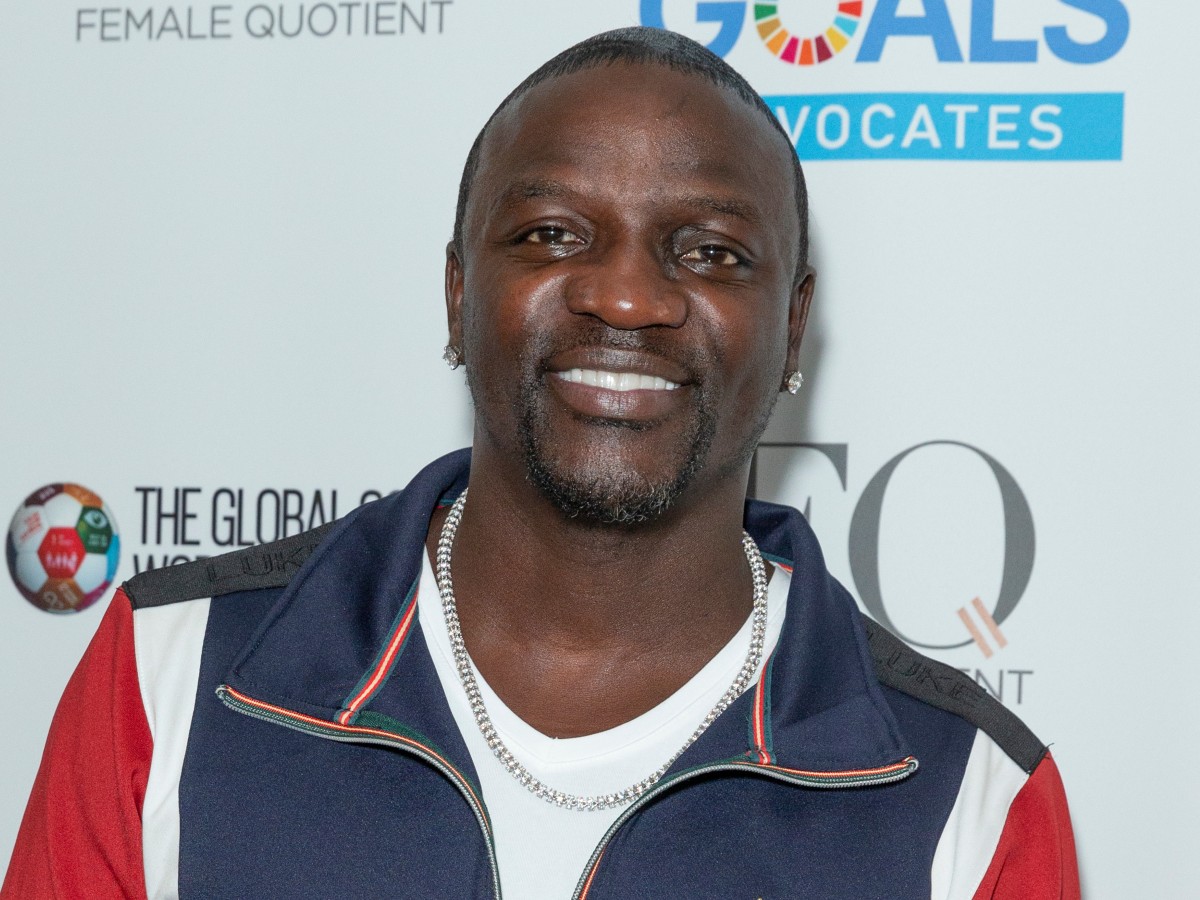
Akon was born in St. Louis, Missouri, United States, but he spent a significant portion of his childhood in Senegal, West Africa. This dual identity—as both an American-born citizen and a descendant of Senegalese heritage—has fundamentally shaped his career, his music, and his extensive philanthropic and business ventures across the African continent.
The question of where Akon is from often yields a complex answer because the artist, born Aliaune Damala Badara Akon Thiam, has consistently identified with his Senegalese roots just as much as, if not more than, his American birthplace. To understand Akon, one must look past a simple geographic coordinate and examine the cultural bridge he has built between the Midwestern United States and the coast of West Africa.
The Early Years: From Missouri to West Africa
Akon was born on April 16, 1973, in St. Louis, Missouri. While many fans associate him strictly with the East Coast or Africa, his birth in the "Gateway City" provided him with U.S. citizenship from birth. However, his stay in Missouri was relatively brief. His parents, Mor Thiam and Kine Gueye Thiam, were both highly respected figures in the arts. Mor Thiam was a world-renowned jazz percussionist and drummer, and Kine was a professional dancer.
Shortly after his birth, the family moved back to Senegal. It was here, in the capital city of Dakar and surrounding areas, that Akon spent his formative years. This period was crucial for his development, as he was immersed in Senegalese culture, the Wolof language, and the vibrant musical traditions of the region. Growing up in Senegal allowed him to develop a global perspective that many of his American peers lacked. He often speaks of his childhood in Africa as a time of freedom and cultural grounding, which later served as a creative wellspring for his music.
The influence of his father, Mor Thiam, cannot be overstated. As a master of the djembe and a cultural ambassador, Mor instilled in Akon a deep respect for rhythm and the power of sound. This foundation in West African percussion eventually blended with the hip-hop and R&B influences Akon would encounter later in the United States, creating the unique "Konvict" sound that dominated the mid-2000s.
Returning to the United States: The New Jersey Chapter
At the age of seven, Akon returned to the United States with his family, eventually settling in New Jersey. The transition was not without its challenges. Moving from the culturally homogenous environment of Senegal to the urban landscapes of Newark and Jersey City required a significant adjustment. Akon has frequently discussed the "culture shock" of re-entering the American school system and the struggle to fit in while maintaining his African identity.
During his teenage years in New Jersey, Akon began to lean more heavily into the local music scene. It was here that he was exposed to the burgeoning hip-hop movement of the late 1980s and early 1990s. The juxtaposition of his Senegalese upbringing and his life in Jersey City created a duality in his persona. He was an American kid with a deep African heartbeat, a combination that would eventually become his greatest commercial asset.
His time in New Jersey was also marked by personal struggles, some of which he documented in his debut album, Trouble (2004). While some aspects of his "criminal past" have been scrutinized by the media, there is no denying that the urban environment of the Jersey Shore and Northern New Jersey played a massive role in shaping the "hustler" mentality that Akon would later apply to the music industry and international business.
Establishing a Global Identity: The Rise of Akon
Akon burst onto the international stage in 2004 with his hit single "Locked Up." The song’s raw energy and melodic hook introduced the world to a voice that felt both familiar and exotic. As his career progressed with multi-platinum albums like Konvicted and Freedom, Akon never shied away from his roots. He frequently incorporated African rhythms and collaborated with international artists, long before the "Afrobeats" genre achieved its current mainstream dominance in the 2020s.
His ability to bridge the gap between U.S. R&B and global sounds solidified his status as a "citizen of the world." When people asked where he was from, Akon began to use the opportunity to highlight Senegal and the potential of the African continent. He became a self-appointed ambassador, using his platform to educate Western audiences about the realities—and the opportunities—within Africa.
Key Biographical and Geographic Milestones
The following table outlines the timeline of Akon’s movements and major life events that define his origin and heritage.
| Year | Event | Location | Significance |
|---|---|---|---|
| 1973 | Birth | St. Louis, Missouri, USA | Established U.S. citizenship and birth origins. |
| 1970s | Relocation | Senegal, West Africa | Early childhood immersion in African culture and music. |
| 1980 | Return to USA | New Jersey, USA | Start of his formal education and exposure to R&B/Hip-Hop. |
| 2004 | Debut Album Release | Global (New York-based) | Released Trouble, launching his international career. |
| 2014 | Launch of Akon Lighting Africa | 14+ African Nations | A major shift from music to large-scale African philanthropy. |
| 2018 | Announcement of Akon City | Mbodiène, Senegal | The beginning of his "futuristic city" project in his home country. |
| 2026 | Current Status | Global / Senegal | Continued oversight of Akon City and pan-African investments. |
Akon Lighting Africa and the Return Home
Akon’s connection to his "home" in Senegal took a literal and highly impactful turn in 2014 with the launch of Akon Lighting Africa. Recognizing that hundreds of millions of Africans lacked access to reliable electricity, Akon, along with Samba Bathily and Thione Niang, sought to provide solar-powered energy solutions.
This project was more than just a business venture; it was a homecoming. By focusing on rural electrification, Akon addressed a fundamental barrier to development in the region where he spent his childhood. As of 2026, the initiative has expanded significantly, proving that his commitment to "where he is from" extends far beyond nostalgic lyrics. It involves tangible infrastructure that has improved the lives of millions across more than a dozen countries, including Senegal, Mali, and Guinea.
For more information on the initiatives supporting energy access in West Africa, the International Energy Agency (IEA) provides comprehensive reports on regional progress.
Akon City: Building the Future in Senegal
Perhaps the most ambitious project tying Akon to his origins is Akon City. Located in Mbodiène, Senegal, on land gifted to him by the Senegalese government, the project was envisioned as a futuristic, sustainable city powered by renewable energy and utilizing his own cryptocurrency, Akoin.
In the years leading up to 2026, Akon City has been a subject of both intense fascination and skepticism. However, for Akon, the city represents the ultimate synthesis of his dual identity. It is an American-style "smart city" built on African soil, designed to provide jobs and modern living standards for the Senegalese people. The project aims to stimulate the local economy and provide a blueprint for future urban development across the continent.
By investing billions into Senegal, Akon has answered the question "where is he from" with action. He has chosen to repatriate his wealth and influence to the land of his ancestors, reinforcing his identity as a Senegalese patriot.
The Cultural Significance of His Name
To truly understand Akon's origins, one must look at his full name: Aliaune Damala Badara Akon Thiam. Each part of his name carries weight in Senegalese tradition. "Thiam" is a common surname among the Wolof and Fula people, often associated with a lineage of artisans and intellectuals.
Akon has often explained that his name is a source of pride and a constant reminder of his responsibilities to his family and his heritage. In West African culture, names are not just identifiers; they are stories of lineage and expectations. By keeping his full name and using "Akon" as his stage persona, he maintained a link to his Thiam ancestry while creating a brand that could navigate the Western music industry.
Why the "Where is He From" Confusion Exists
The confusion regarding Akon's birthplace usually stems from his accent and his vocal advocacy for African issues. Early in his career, many fans assumed he was an immigrant who had only recently arrived in the U.S. His distinctive vocal style, which blends American R&B melodic structures with African tonal inflections, contributed to this perception.
Furthermore, Akon has occasionally been vague or inconsistent in early interviews regarding specific biographical details, sometimes focusing more on his African experiences to differentiate himself in a crowded music market. However, official records and his later, more detailed biographical accounts confirm the St. Louis-Senegal-New Jersey trajectory.
Frequently Asked Questions
Is Akon a citizen of the United States?
Yes, Akon is a U.S. citizen by birth, having been born in St. Louis, Missouri. He also maintains a very close relationship with Senegal, where he is treated with the respect of a national hero, though he primarily operates as a global citizen with significant business interests in both regions.
Does Akon speak Wolof?
Yes, Akon is fluent in Wolof, the most widely spoken language in Senegal. He has frequently used the language in his music and during his visits to West Africa to communicate with local residents and government officials. His fluency in Wolof is a testament to the years he spent living in Senegal during his youth.
Where does Akon live now in 2026?
As of 2026, Akon maintains multiple residences, reflecting his global business interests. He spends a significant amount of time in Dakar, Senegal, overseeing the development of Akon City, but he also maintains a presence in the United States, particularly in Atlanta and Los Angeles, which remain hubs for his entertainment and production ventures.
Is Akon's father a famous musician?
Yes, his father, Mor Thiam, is a highly respected Senegalese drummer and cultural historian. Mor Thiam’s influence was instrumental in Akon's musical development. He worked with many jazz greats and was a key figure in bringing African percussion to the global stage, a path his son would later follow in the world of pop and R&B.
Why is Akon so involved in Senegalese politics and development?
Akon views himself as a bridge between the African diaspora and the continent. His involvement in Senegal is driven by a desire to see the country—and Africa as a whole—achieve economic independence. He has often stated that he wants to use his success to create opportunities for others in his home country, moving away from a reliance on foreign aid toward self-sustained development.
Conclusion and Final Recommendation
Akon’s story is a quintessential example of the modern, globalized identity. While he is from St. Louis, Missouri, his heart and heritage are firmly rooted in Senegal. He has successfully navigated the complexities of being a first-generation American, using his platform to uplift his ancestral home while dominating the American music charts.
For those interested in following Akon's ongoing journey, it is recommended to monitor the progress of Akon City and the Akoin ecosystem. These projects represent the next phase of his career—one that moves beyond music into the realm of nation-building and economic empowerment. His life serves as a blueprint for how individuals can honor their geographic origins while embracing their cultural heritage to make a global impact.