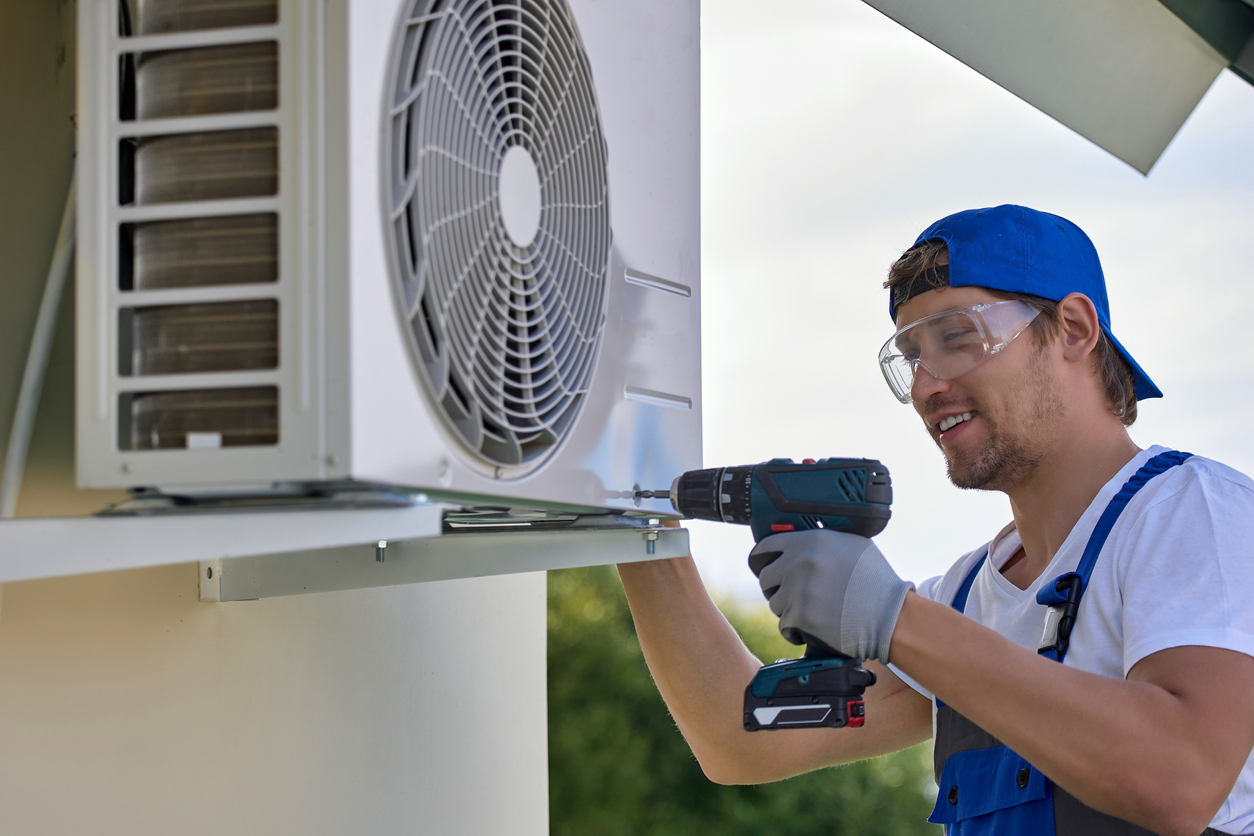
Air conditioning in Summerville, SC, requires high-efficiency systems capable of managing extreme humidity and sustained heat. Due to the Lowcountry’s subtropical climate, residents typically utilize high-SEER2 heat pumps or central split systems. Proper performance depends on precise "Manual J" load calculations to ensure dehumidification, alongside rigorous maintenance to prevent biological growth and salt-air corrosion.
Managing indoor comfort in Summerville, South Carolina, is significantly more complex than in many other regions of the United States. Known as "The Flower Town in the Pines," Summerville sits in a unique geographic position where coastal moisture meets inland heat. By 2026, the technological landscape of residential cooling has shifted toward smarter, more efficient systems, but the fundamental challenges of the Lowcountry climate remain constant. This guide explains the technical requirements, system types, and maintenance protocols necessary for effective air conditioning in this specific region.
The Lowcountry Climate Challenge
To understand air conditioning in Summerville, one must first understand the local atmosphere. Summerville is characterized by long, sweltering summers and high relative humidity that frequently exceeds 80%. This environmental reality dictates how an HVAC (Heating, Ventilation, and Air Conditioning) system must function.
Humidity: The Invisible Load
In most parts of the country, an air conditioner’s primary job is "sensible cooling"—lowering the actual temperature of the air. In Summerville, however, "latent cooling"—the removal of moisture—is equally important. If an AC system cools the air too quickly without removing enough moisture, the home will feel "clammy," and the risk of mold growth increases exponentially. By 2026, local building codes and HVAC best practices emphasize that systems must be sized not just for square footage, but for the latent heat load typical of Dorchester and Berkeley counties.
The Impact of Local Vegetation
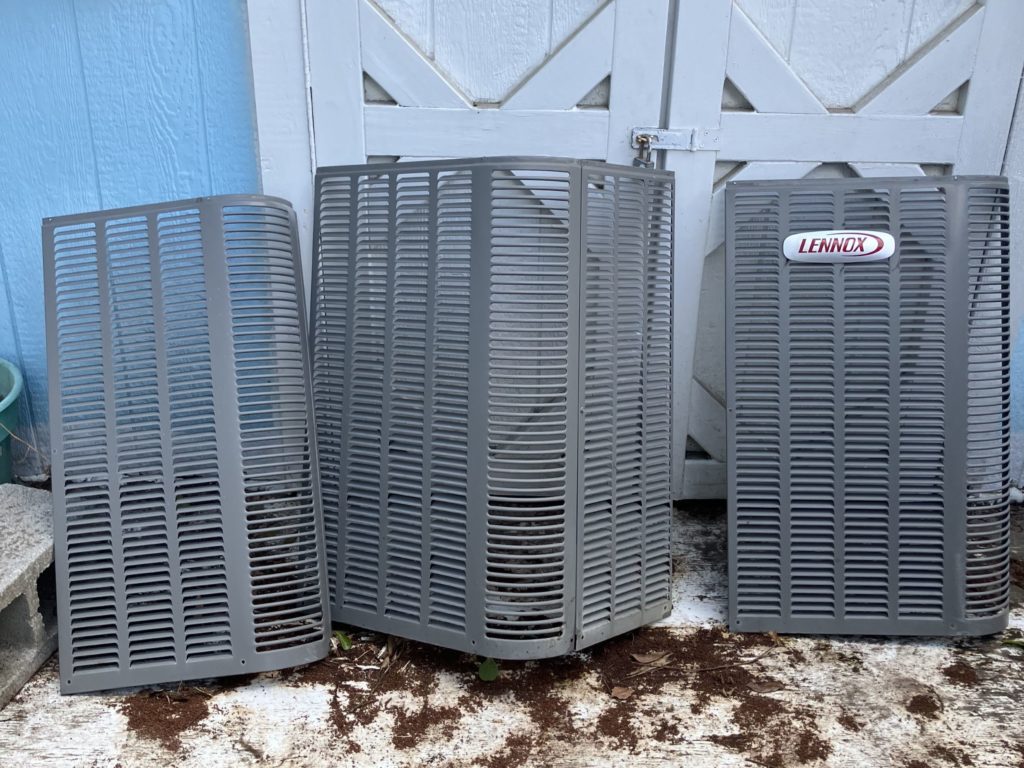
Summerville’s famous pine trees provide shade, which can reduce the sensible load on a home, but they also present a maintenance challenge. Pine needles and pollen are notorious for clogging the fins of outdoor condenser units. A clogged condenser cannot release heat effectively, forcing the compressor to work harder, increasing energy bills, and shortening the lifespan of the equipment.
Common Types of AC Systems in Summerville
By 2026, the transition to high-efficiency refrigerants and SEER2 standards has solidified the dominance of certain system types in the Summerville market.
Air Source Heat Pumps
Heat pumps are the most common HVAC solution in the Lowcountry. Unlike a furnace that creates heat, a heat pump moves heat from one place to another. In the summer, it extracts heat from inside the home and pumps it outside. Because Summerville winters are relatively mild, heat pumps are incredibly efficient year-round, eliminating the need for separate heating and cooling infrastructures.
Central Split Systems
A split system consists of an indoor unit (the evaporator coil and air handler) and an outdoor unit (the compressor and condenser). These are the traditional choice for larger homes in neighborhoods like Legend Oaks or Cane Bay. They are highly effective but require well-maintained ductwork to operate at peak efficiency.
Ductless Mini-Splits
For the historic homes in downtown Summerville, ductless mini-splits have become a preferred solution. These systems do not require the extensive (and often destructive) installation of ductwork in older structures. They allow for "zoning," where different rooms can be kept at different temperatures, providing a high level of efficiency for homes with irregular layouts or high-ceilinged rooms that are difficult to cool uniformly.
Understanding SEER2 and Efficiency Standards in 2026
Efficiency is measured by the Seasonal Energy Efficiency Ratio 2 (SEER2). As of 2026, the South remains under strict federal mandates that require higher minimum efficiency ratings than the North.
| System Type | Typical SEER2 Range | Ideal For | Humidity Control Level |
|---|---|---|---|
| Standard Heat Pump | 14.3 – 16.0 | Average single-family homes | Moderate |
| High-Efficiency Heat Pump | 17.0 – 22.0 | Homes with high sun exposure | Excellent (Variable speed) |
| Ductless Mini-Split | 18.0 – 25.0+ | Historic homes / Additions | Superior (Zoned) |
| Packaged Units | 13.4 – 15.2 | Mobile homes / Tight crawlspaces | Standard |
In Summerville, investing in a higher SEER2 rating often yields a faster return on investment because the cooling season is so long—typically spanning from late March through October. Systems with variable-speed compressors are particularly valuable here; they can run at lower speeds for longer periods, which is the most effective way to remove humidity from the air without over-cooling the home.
The Critical Importance of Proper Sizing
A common mistake in the Summerville market is "oversizing" the unit. Many homeowners believe that a "5-ton" unit is inherently better than a "3-ton" unit because it is more powerful. However, an oversized AC will "short-cycle," meaning it turns on and off rapidly.
Short-cycling prevents the system from running long enough to pull moisture out of the air. This leads to high indoor humidity, even if the thermostat says it is 72 degrees. To avoid this, contractors in 2026 must use the Manual J Load Calculation, a protocol from the Air Conditioning Contractors of America (ACCA). This calculation accounts for:
- The orientation of the house relative to the sun.
- The number and type of windows.
- Insulation levels in the attic and walls.
- Local climate data specific to the Summerville/Charleston area.
Installation Considerations and Local Regulations
Installing air conditioning in Summerville is subject to local building codes that prioritize safety and energy conservation.
- Permitting: Any new HVAC installation in Dorchester County or within Summerville town limits requires a mechanical permit. This ensures that the installation is inspected for electrical safety and proper drainage.
- Drainage and Condensate: Because AC units in Summerville pull gallons of water out of the air daily, proper condensate drainage is vital. Units are typically equipped with float switches that shut the system down if the drain line clogs, preventing water damage to ceilings or floors.
- Historic District Rules: If you live in the Summerville Historic District, the Board of Architectural Review (BAR) may have specific requirements regarding the visibility of outdoor units. Homeowners often need to use specific screening or placement strategies to maintain the aesthetic integrity of the neighborhood.
Maintenance Protocols for the Lowcountry
The combination of high humidity, heat, and salt air (which can travel inland from the Atlantic) makes regular maintenance non-negotiable in Summerville.
Algae and Biological Growth
The dark, damp environment of an evaporator coil or drain pan is a breeding ground for algae and mold. In Summerville, it is common for drain lines to become clogged with "algae slime," leading to system shutdowns or water leaks. Regular treatments with vinegar or specialized tablets, along with professional "blow-outs" of the drain line, are essential.
Coil Corrosion
Even though Summerville is roughly 25 miles from the ocean, salt-laden air can still contribute to the corrosion of aluminum and copper coils. This is known as "pitting corrosion." Annual professional cleanings help remove corrosive elements and ensure that the heat exchange process remains efficient.
Electrical Components and Pests
Summerville's ecosystem includes various pests—such as fire ants and geckos—that are attracted to the electrical warmth of an outdoor contactor. It is not uncommon for a system to fail because a gecko bridged an electrical gap or ants clogged a contactor. Regular inspections can identify these issues before they lead to a total system failure during a July heatwave.
Troubleshooting Common Issues in Summerville
If your AC is struggling, several issues specific to the local environment might be the cause:
- Frozen Coils: This is often caused by restricted airflow (dirty filters) or a refrigerant leak. In Summerville's humidity, a frozen coil can produce a significant amount of water as it melts, potentially damaging the home.
- Warm Air Blowing: This often indicates a failed capacitor or a tripped breaker. Given the frequency of summer thunderstorms in the Lowcountry, power surges often damage sensitive HVAC electronics.
- Musty Odors: Frequently referred to as "Dirty Sock Syndrome," this occurs when bacteria build up on the evaporator coils. UV light purifiers or specialized coil coatings are common 2026 solutions for this localized problem.
Frequently Asked Questions
How long does an air conditioner typically last in Summerville, SC?
In the Summerville climate, the average lifespan of a central AC or heat pump is 10 to 12 years. While systems in drier, cooler climates might last 15 to 20 years, the heavy workload and high humidity in the Lowcountry cause components to wear out faster. Regular bi-annual maintenance can sometimes extend this to 15 years, but efficiency typically drops significantly after the decade mark.
Why is my electric bill so high in the summer even with a new unit?
If a new unit is not properly matched to the home’s ductwork, or if the ductwork is leaking, efficiency will plummet. In many Summerville homes, ducts run through unconditioned attics where temperatures can reach 130°F. If the ducts are not properly sealed and insulated to current 2026 standards (typically R-8 insulation), the system has to work twice as hard to deliver cool air.
Should I set my thermostat to "On" or "Auto"?
In Summerville, you should almost always use the "Auto" setting. If you set the fan to "On," it runs continuously. When the cooling cycle ends, the water that was just pulled from your air is still sitting on the evaporator coil. A continuous fan will blow that moisture right back into your house before it has a chance to drain away, spiked the indoor humidity.
Are whole-home dehumidifiers necessary in Summerville?
While not strictly necessary if your AC is perfectly sized, a whole-home dehumidifier is highly recommended for Summerville residents. It allows the AC to focus on cooling while the dehumidifier manages moisture. This often allows you to set your thermostat a few degrees higher while remaining more comfortable, potentially saving money on long-term energy costs.
What is the best temperature to set the AC during a Summerville summer?
The Department of Energy generally recommends 78°F when you are home, but many Summerville residents find this uncomfortable due to the humidity. A more realistic target is 72°F to 75°F. However, the key is the "delta T"—the difference between outdoor and indoor air. On a 100°F day, your system will struggle to keep the home below 75°F, and pushing it lower can lead to excessive wear.
Practical Recommendation for Homeowners
When managing air conditioning in Summerville, the most effective strategy is a proactive one. Do not wait for a system failure during the peak heat of July or August. Ensure your system is serviced every spring. When choosing a contractor, verify they perform a full Manual J calculation rather than just "eyeballing" the size of your home based on square footage. Finally, prioritize humidity control by considering variable-speed technology or a dedicated dehumidification system; in the Lowcountry, comfort is defined by the dryness of the air just as much as the temperature.