Air conditioning repair in Sarasota involves diagnosing and fixing mechanical, electrical, or refrigerant-related failures in HVAC systems specifically adapted for Florida's humid, coastal environment. Effective repair requires addressing issues like salt-air corrosion, high-cycle wear on compressors, and biological growth in condensate lines to restore cooling efficiency and indoor air quality.
The Unique Challenges of Sarasota’s Climate on AC Systems
Sarasota’s subtropical climate presents a rigorous environment for air conditioning units. As of 2026, the demand for high-efficiency cooling remains constant due to year-round high temperatures and humidity levels that rarely dip below 60%. These environmental factors accelerate the wear and tear on residential and commercial systems, leading to specific repair needs that are less common in drier or cooler climates.
One of the primary stressors is galvanic corrosion, caused by the salt-laden air coming off the Gulf of Mexico. For properties in neighborhoods like Siesta Key, Bird Key, or Lido Key, the outdoor condenser unit is under constant attack. Salt particles settle on the aluminum fins and copper tubing, creating a chemical reaction that degrades the metal. When these components corrode, the system loses its ability to dissipate heat, forcing the compressor to work harder and eventually leading to total system failure.
Furthermore, the high humidity in Sarasota facilitates rapid biological growth within the HVAC system. The evaporator coil, which stays damp during operation, can become a breeding ground for mold and algae. If not addressed during routine repairs or maintenance, this growth can clog the primary condensate drain line, leading to water backups that can damage drywall and flooring.
Common Air Conditioning Repairs in the Sarasota Area
When a system fails in the Florida heat, several components are usually the primary suspects. Understanding these common failures helps homeowners communicate more effectively with technicians and understand the scope of the necessary work.
Capacitor and Electrical Component Failure
The most frequent repair call in Sarasota involves the start and run capacitors. These components act like temporary batteries, providing the initial jolt of energy needed to start the compressor and fan motors. Because Sarasota units cycle on and off frequently to maintain humidity levels, capacitors are under immense stress. In 2026, high-heat resistant capacitors are the standard, but even these can fail during a summer heatwave when the unit runs for 15 or 20 hours a day.
Refrigerant Leaks and the 2026 Standard
As of 2026, the HVAC industry has largely transitioned away from R-410A in favor of newer, lower-GWP (Global Warming Potential) refrigerants like R-454B and R-32. However, many Sarasota homes still operate systems installed between 2010 and 2022 that utilize R-410A.
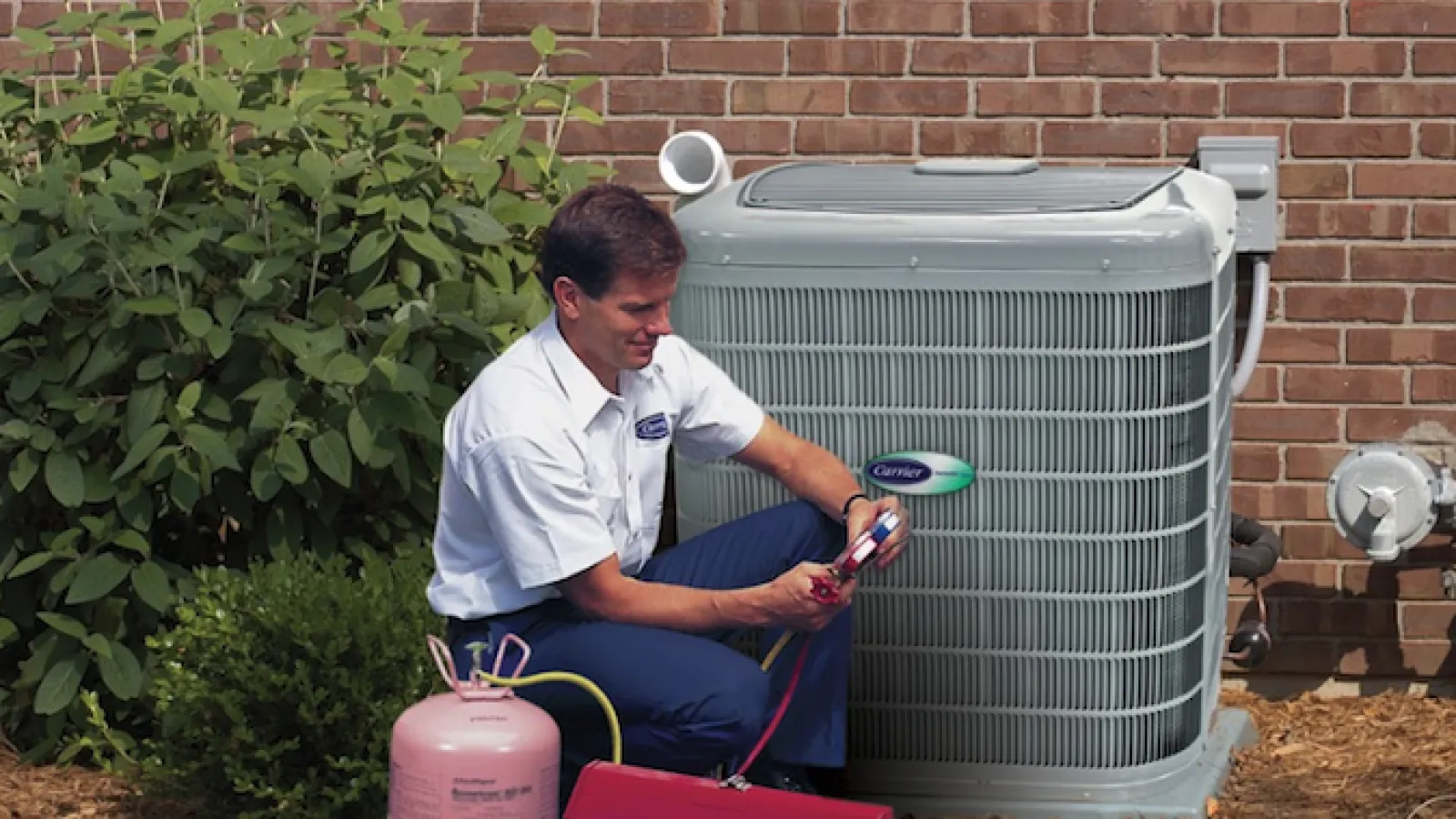
Repairing a refrigerant leak involves more than just "topping off" the gas. A technician must identify the leak location—often in the evaporator coil due to formicary corrosion—seal or replace the component, evacuate the system to remove moisture, and then recharge it. Because R-410A is being phased out, the cost of this refrigerant has increased significantly by 2026, making leak detection and repair a critical financial decision for homeowners.
Condensate Drain Line Blockages
The "Sarasota Sludge" is a common term among local technicians, referring to the mixture of dust, mold, and algae that clogs drain lines. When the line clogs, the safety float switch should trigger, shutting down the system to prevent a flood. Repairing this involves high-pressure clearing of the lines and often the installation of an inline "EZ-trap" or a more advanced UV light system to prevent future biological accumulation.
Navigating 2026 Air Conditioning Repair Costs in Sarasota
Repair costs in Sarasota are influenced by the complexity of the system (such as variable-speed vs. single-stage) and the rising costs of specialized labor and materials.
| Repair Type | Estimated Cost Range (2026) | Typical Symptoms |
|---|---|---|
| Capacitor Replacement | $250 – $450 | Humming sound, fan not spinning, AC won't start. |
| Contactor Replacement | $300 – $500 | Outdoor unit won't turn on or won't turn off. |
| Blower Motor Repair | $600 – $1,200 | No air blowing from vents, loud squealing noises. |
| Evaporator Coil Replacement | $1,800 – $3,500 | System running but not cooling, ice on copper lines. |
| Compressor Replacement | $2,500 – $5,500 | Circuit breaker trips, loud banging, no cooling. |
| Thermostat Replacement | $250 – $700 | Blank screen, system ignores temperature settings. |
Note: These ranges include parts and labor but can vary based on brand-specific parts and emergency after-hours fees.
The Impact of SEER2 and Modern Efficiency Standards
By 2026, the SEER2 (Seasonal Energy Efficiency Ratio 2) standards, which were implemented in 2023, are fully matured in the marketplace. These standards changed how systems are tested and rated, leading to more complex equipment that requires specialized diagnostic tools.
When repairing a modern SEER2-compliant system in Sarasota, technicians often deal with inverter-driven compressors and electronic expansion valves (EEVs). Unlike older systems that were either "on" or "off," these systems modulate their output. While this saves a significant amount on Florida Power & Light (FPL) bills, the repairs are more technical. A failure in the inverter board, for instance, requires a technician who is proficient in DC voltage diagnostics, not just traditional AC electrical work.
Choosing a Qualified Sarasota HVAC Contractor
Florida has strict requirements for HVAC contractors to ensure consumer safety and system longevity. When seeking air conditioning repair in Sarasota, verifying the contractor's credentials is the most important step in the process.
Licensing and Insurance
In Florida, a contractor must hold a license from the Department of Business and Professional Regulation (DBPR). They are typically classified as Class A (can work on any size system) or Class B (restricted to smaller systems, usually up to 20 tons). You should always verify a license number on the DBPR website. Additionally, a reputable company must carry general liability insurance and workers' compensation. This protects the homeowner from liability if a technician is injured on the property.
NATE Certification
The North American Technician Excellence (NATE) certification is the gold standard for individual technicians. In 2026, as systems become more computerized, NATE certification ensures the technician has the specific knowledge to handle the latest refrigerants and variable-speed technologies. Sarasota residents should prioritize firms that employ NATE-certified staff to ensure the repair is done correctly the first time.
Local Reputation and Reviews
Sarasota is a community-driven market. Check local reviews specifically for "repair" rather than "installation." A company might be great at installing new units but lack the diagnostic depth required for complex repairs. Look for mentions of "transparency in pricing" and "timeliness," as waiting three days for a repair in July is not an option for most residents.
Troubleshooting Before You Call a Professional
Before committing to a service call fee, which in Sarasota typically ranges from $89 to $150 in 2026, there are several basic checks a homeowner can perform.
- Check the Thermostat: Ensure the batteries are fresh and the setting is on "Cool" and "Auto" rather than "On" (which runs the fan continuously without cooling).
- Inspect the Air Filter: A heavily clogged filter can restrict airflow so much that the evaporator coil freezes, causing the system to stop cooling. Replace the filter and wait several hours for the ice to melt.
- Check the Breaker Panel: High-voltage surges during Sarasota's frequent summer thunderstorms can trip the AC breaker. Reset it once; if it trips again immediately, do not attempt a second reset as this indicates a serious electrical fault.
- Examine the Float Switch: Look at the drain pan near your indoor unit. If it is full of water, the safety switch has correctly shut down the system. Clearing the drain line with a wet/dry vac may resolve the issue.
Preventative Maintenance for Sarasota Homes
The best way to avoid emergency repairs is a dedicated maintenance regimen tailored to the Florida environment. Because of the salt air and high runtimes, a semi-annual inspection is recommended for Sarasota properties.
Coil Cleaning: In Sarasota, the outdoor coils should be rinsed with fresh water regularly to remove salt deposits. Professionals use specialized pH-neutral cleaners to remove "bio-film" from the indoor coils without damaging the sensitive aluminum fins.
Duct Integrity: Many Sarasota homes have ductwork in the attic, where temperatures can exceed 140 degrees. Small leaks in the ducts not only waste energy but also pull in humid, unfiltered attic air, which can lead to moisture problems and eventual equipment failure. During a repair visit, ask for a quick visual inspection of the plenum and main trunk lines.
Refrigerant Charge Verification: Using "sub-cooling" and "super-heat" measurements, a technician can ensure the system is operating at peak efficiency. Even a 10% undercharge can increase energy consumption by 20% and shorten the lifespan of the compressor.
FAQs About Air Conditioning Repair in Sarasota
How long does a typical AC unit last in Sarasota? Due to the salt air and high humidity, the average lifespan of an AC unit in Sarasota is 8 to 12 years. This is significantly shorter than the national average of 15 years. Units located directly on the beachfront may see a lifespan of only 5 to 7 years if not specifically treated with coastal coatings.
Is it better to repair or replace my AC unit in 2026? The "5,000 Rule" is a helpful guide: multiply the age of the unit by the cost of the repair. If the result exceeds $5,000, replacement is often more cost-effective. Additionally, with the 2026 refrigerant standards, if your older R-410A system requires a major repair like a compressor or coil, switching to a new, efficient unit using R-454B may be the better long-term investment.
Why is my AC running but the house isn't getting cooler? This is usually caused by either a dirty evaporator coil, a refrigerant leak, or a failing blower motor. In Sarasota's humidity, if the system cannot effectively remove moisture, the air will feel "heavy" and warm even if the fan is blowing.
Do I need a permit for a simple AC repair in Sarasota? Generally, simple repairs like replacing a capacitor, motor, or contactor do not require a permit. However, replacing major components like the evaporator coil or the entire outdoor condenser requires a permit from the City of Sarasota or Sarasota County to ensure the work meets current mechanical and energy codes.
What is the "Emergency" repair protocol in Sarasota? Most Sarasota HVAC companies offer 24/7 emergency services. "Emergency" is typically defined as a total system failure when the indoor temperature exceeds 80 degrees, or if there are elderly residents or pets in the home. Expect to pay a premium for "after-hours" or "holiday" dispatch.
Recommendation for Next Actions
If your air conditioning system is currently underperforming or has failed, your first step should be to check the air filter and the circuit breaker. If these are not the cause, shut the system off at the thermostat to prevent further damage to the compressor.
Contact a licensed Sarasota HVAC contractor and request a diagnostic service call. Ensure the company provides a written estimate before beginning any repairs. If your system is more than 10 years old and the repair cost exceeds $1,500, ask the technician for a "Repair vs. Replace" consultation to evaluate the benefits of moving to a modern, SEER2-compliant system that uses 2026-standard refrigerants.