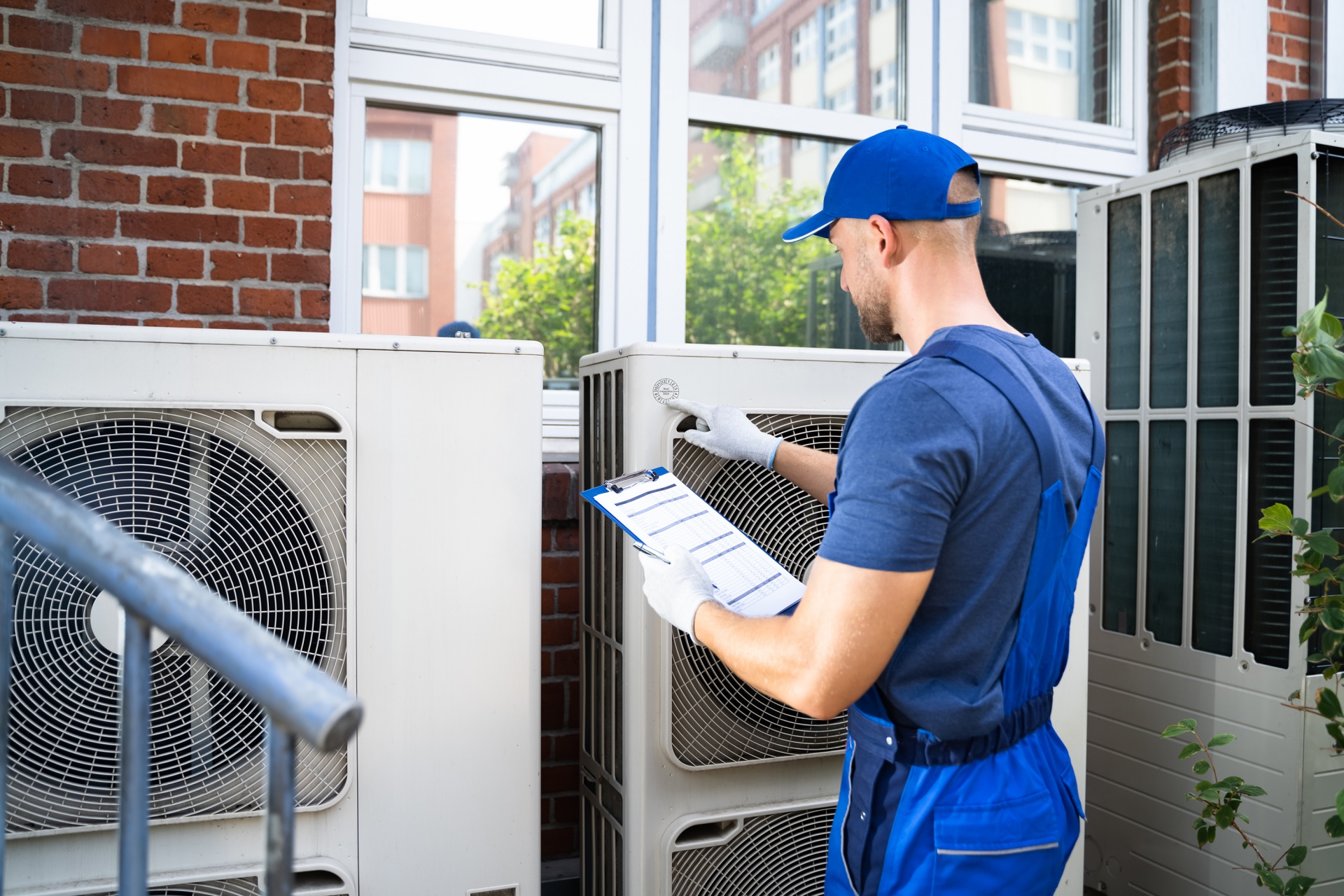
A professional air conditioning inspection is a detailed evaluation of an HVAC system’s mechanical, electrical, and structural components. Performed by licensed technicians, these inspections identify wear, safety risks, and efficiency losses to ensure optimal cooling performance and extend equipment lifespan while maintaining manufacturer warranty compliance and reducing monthly energy expenditures.
Regular air conditioning inspections have evolved from a luxury to a necessity. In 2026, with the increasing complexity of variable-speed compressors, smart-grid-integrated thermostats, and the industry-wide transition toward low-Global Warming Potential (GWP) refrigerants like R-454B and R-32, the "set it and forget it" mentality can lead to catastrophic system failure. An inspection is the primary line of defense against the high costs of emergency repairs and the rising prices of residential electricity.
Why Professional AC Inspections Matter in 2026
The cooling landscape has changed significantly over the last few years. Regulatory shifts and technological advancements mean that a standard inspection now covers more ground than it did a decade ago. In 2026, homeowners and facility managers must prioritize these evaluations for several critical reasons.
Energy Efficiency and SEER2 Standards
As of 2023, the Department of Energy implemented the SEER2 (Seasonal Energy Efficiency Ratio 2) standards, which required more rigorous testing conditions for cooling systems. By 2026, most systems in operation are either high-efficiency SEER2-compliant models or older units struggling to keep up with modern energy demands. An inspection ensures that your system is actually hitting its rated efficiency. Even a minor refrigerant leak or a layer of dust on the evaporator coil can drop a system’s efficiency by 15% to 30%, directly impacting your utility bills.
Refrigerant Management and Compliance
The ongoing phase-down of HFC refrigerants (like R-410A) under the AIM Act has made refrigerant management a top priority. During a 2026 inspection, technicians pay close attention to the integrity of the cooling lines. If your system uses older refrigerants, leaks are not just an environmental hazard; they are a financial liability due to the dwindling supply and skyrocketing costs of reclaimed R-410A. Inspectors use electronic leak detectors to find microscopic fractures before they result in a total system recharge requirement.
Warranty Preservation
Almost every major HVAC manufacturer, including Carrier, Trane, and Lennox, requires proof of annual professional maintenance to honor parts warranties. Without a documented inspection report from a licensed professional, a failed compressor in year seven of a ten-year warranty might result in a denied claim, leaving the owner to foot a bill that can exceed $2,500.
The Comprehensive AC Inspection Checklist
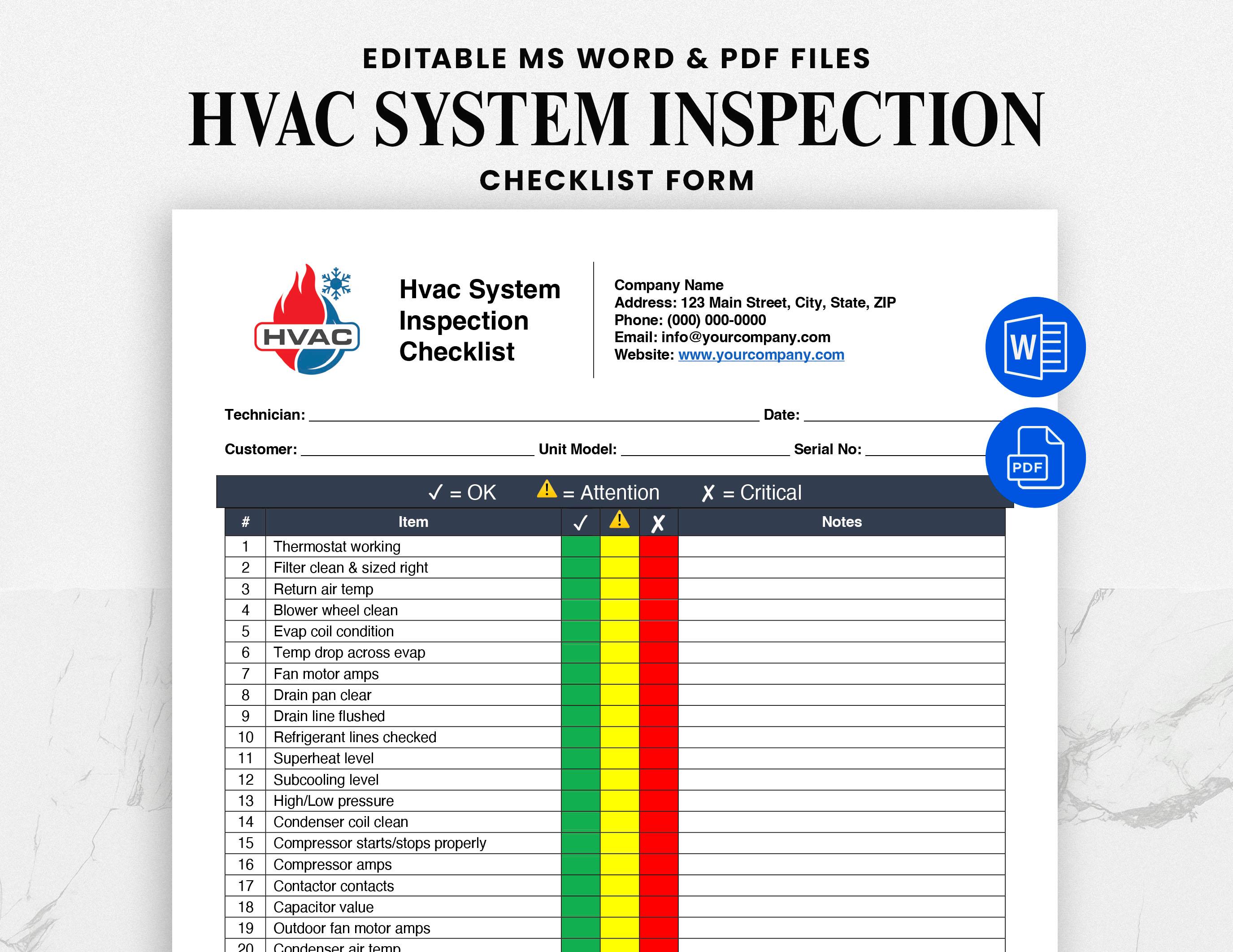
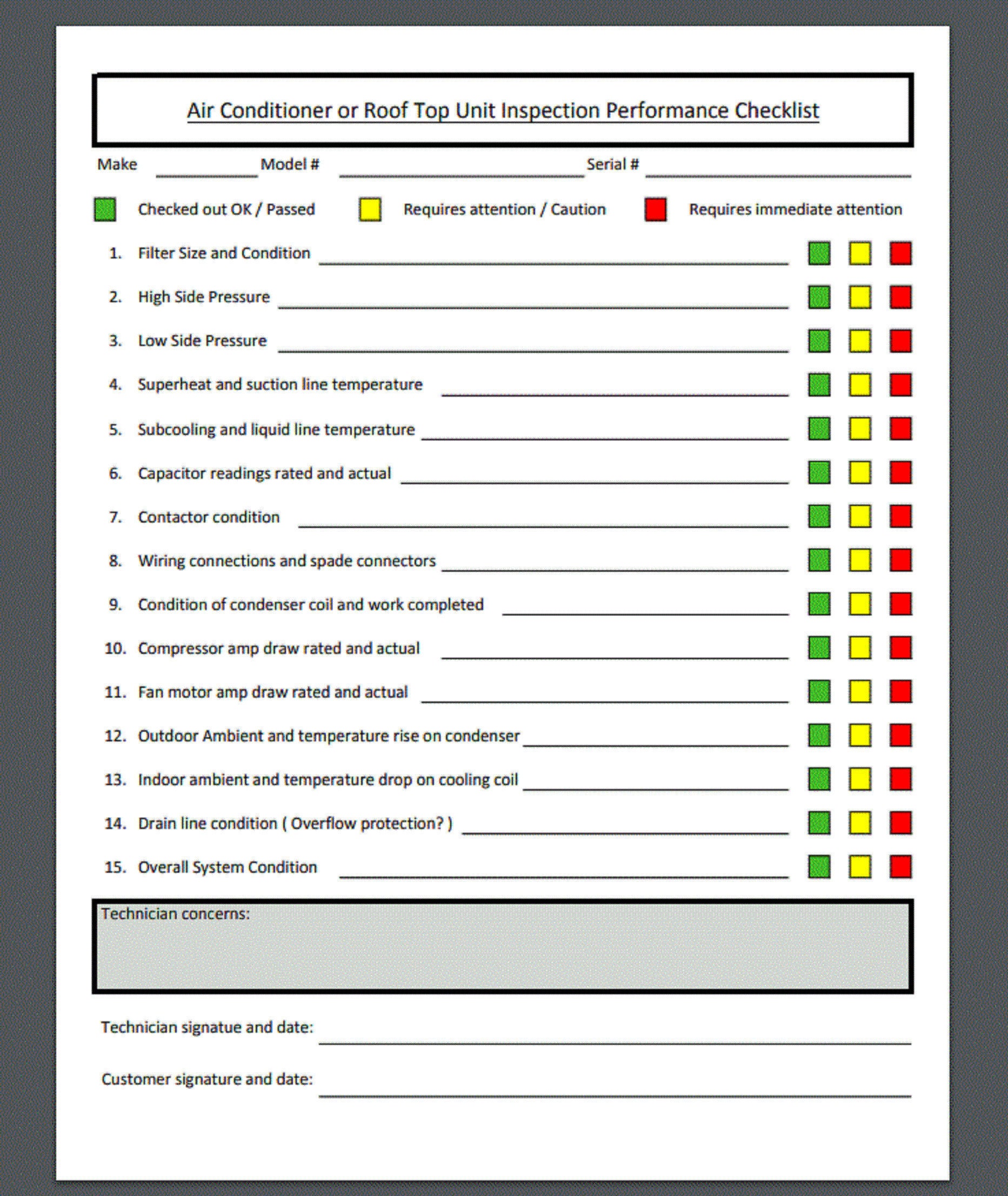
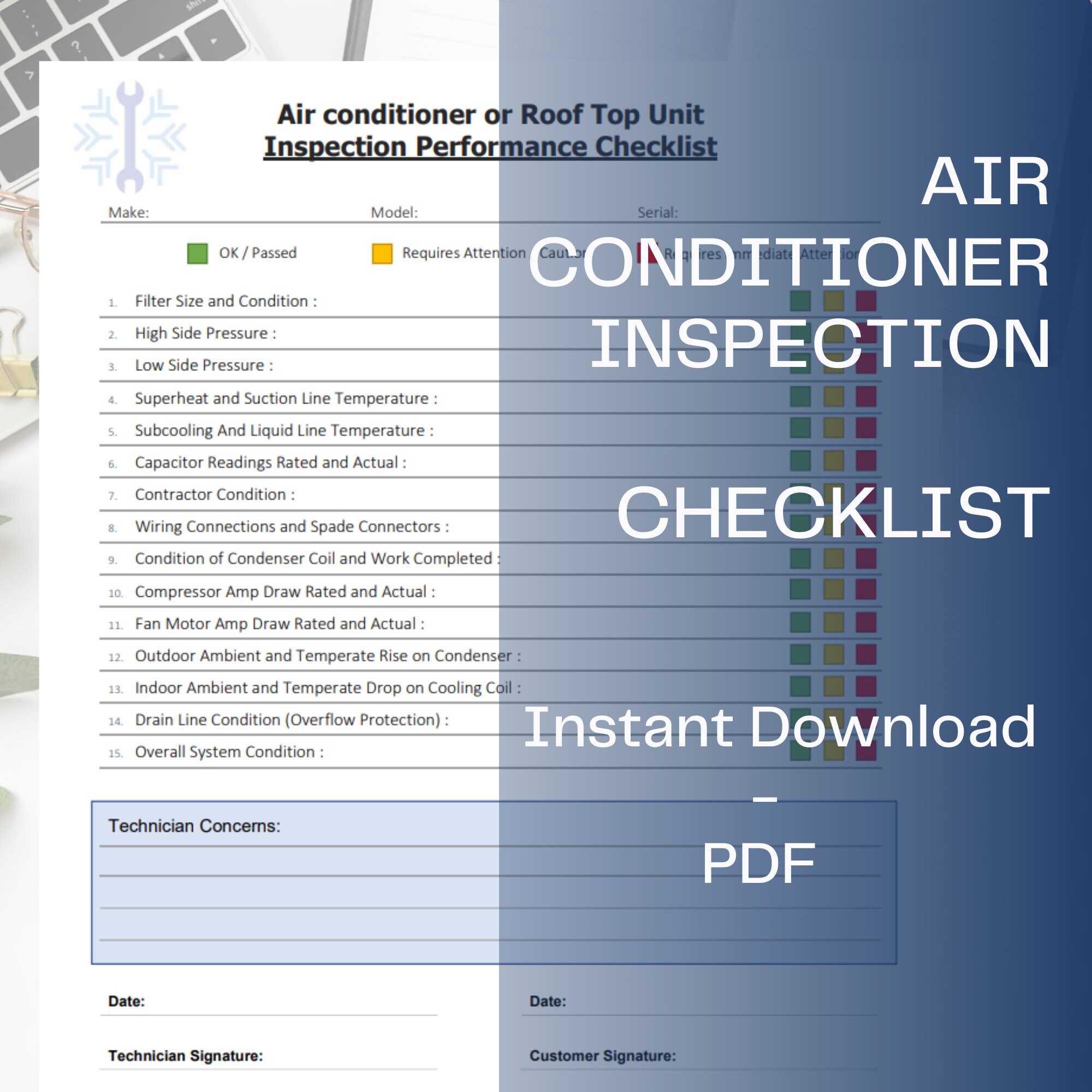
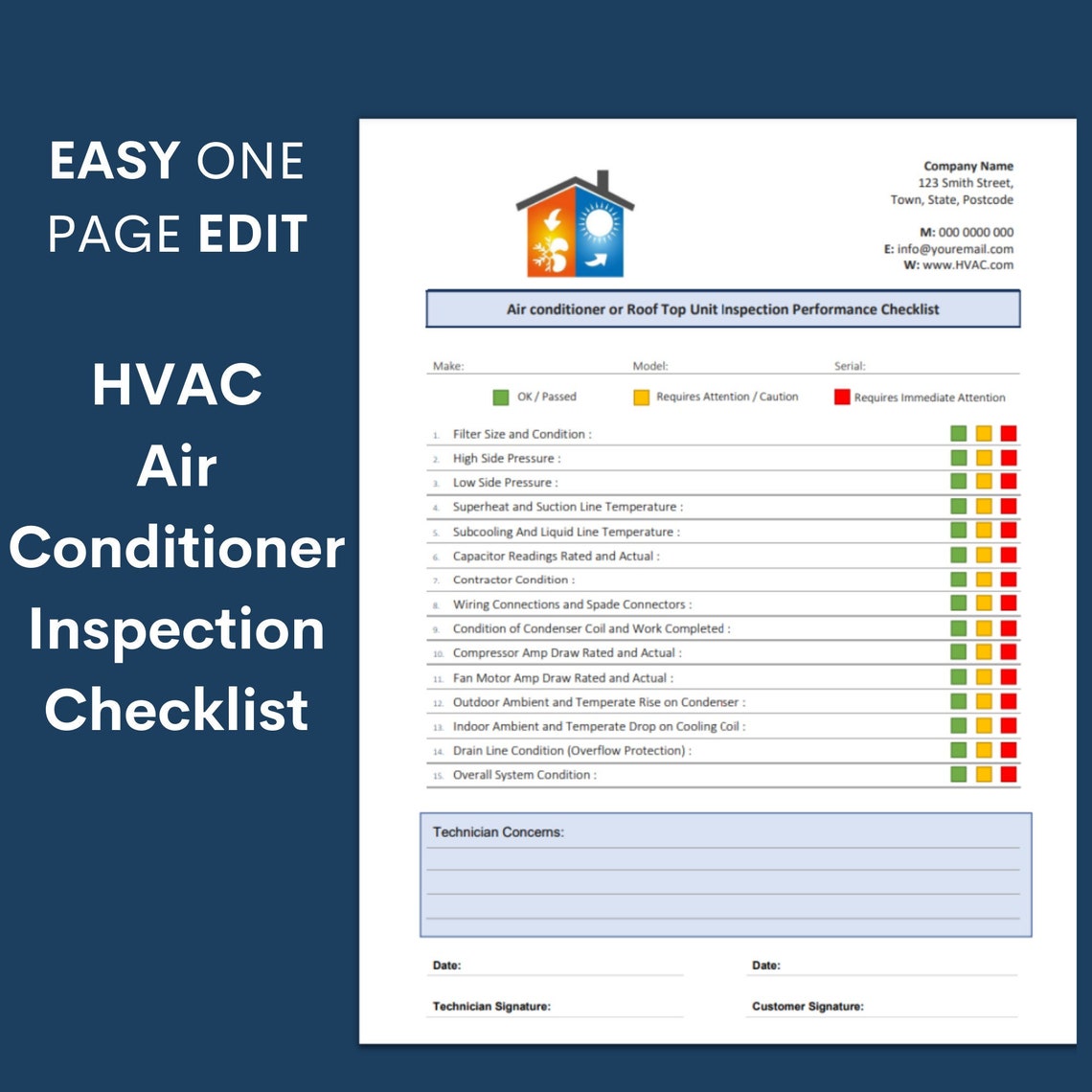
A professional inspection is far more than a simple "test run." It is a systematic teardown and analysis of the unit’s health. To ensure you are receiving a thorough service, it is important to understand the specific tasks a technician should perform.
1. Electrical System and Controls Analysis
The electrical components are the "brain and nervous system" of the air conditioner. Technicians examine the following:
- Contactor and Relay Health: These components handle the high-voltage load required to start the compressor. Inspectors look for pitting or "chattering," which indicates the part is nearing the end of its life.
- Capacitor Testing: Capacitors store energy to jump-start motors. A failing capacitor is the number one cause of AC service calls. Technicians measure the "microfarads" to see if the part is within the manufacturer’s tolerance.
- Wiring Integrity: Vibration over time can loosen electrical connections. Technicians tighten terminals to prevent "arcing," which can melt wires or cause control board failure.
2. Refrigerant and Mechanical Components
The refrigeration cycle is the heart of the cooling process. This part of the inspection requires specialized tools:
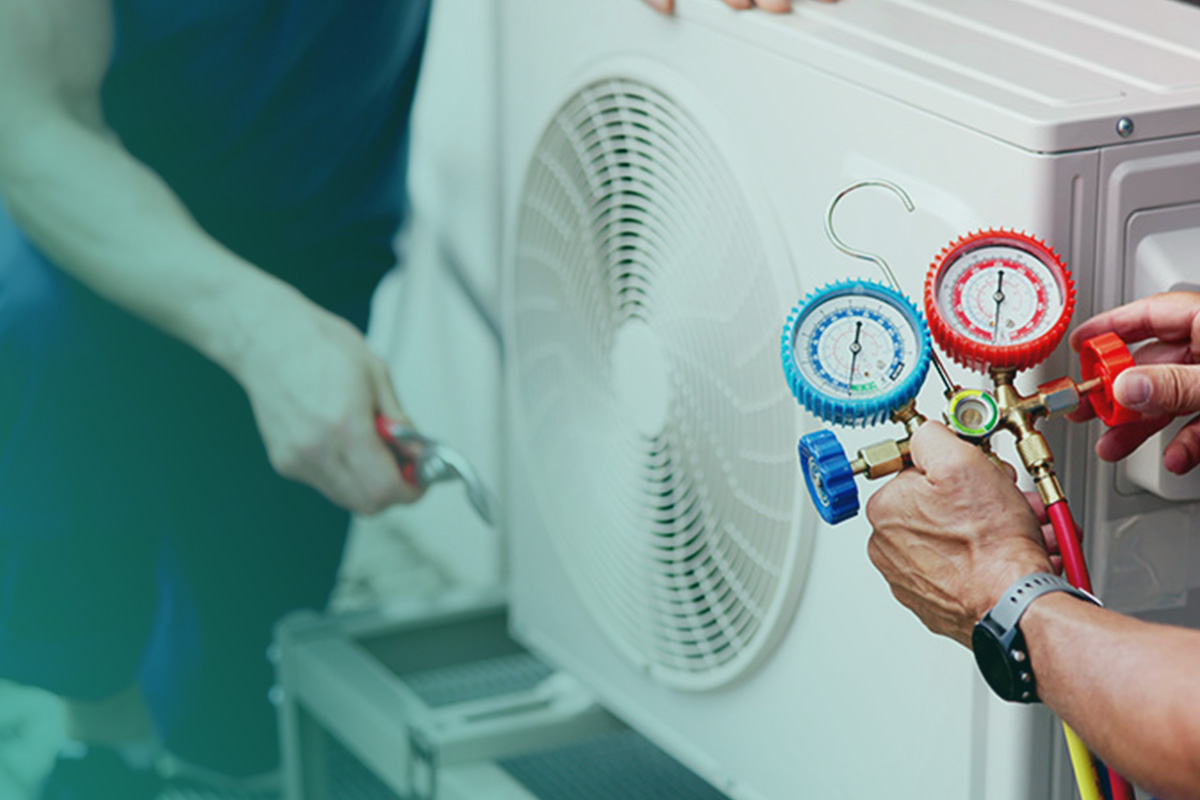
- Operating Pressures: Using digital manifolds, the technician checks the high-pressure and low-pressure sides of the system. This reveals if the system is overcharged, undercharged, or if there is a restriction in the expansion valve.
- Superheat and Subcooling: These calculations are the only way to accurately determine if the refrigerant charge is perfect. This is critical for 2026 models that utilize electronic expansion valves (EEVs).
- Compressor Amperage: By measuring the "amp draw" of the compressor, an inspector can tell if the motor is working harder than it should, which is a precursor to mechanical failure.
3. Airflow and Indoor Air Quality
Cooling is not just about temperature; it is about moving air effectively.
- Evaporator and Condenser Coils: Dust and debris act as insulators. Technicians inspect these coils for bio-growth or "matting" that prevents heat exchange.
- Blower Motor Balance: The indoor blower must be clean and balanced. Even a few grams of dust on the fan blades can cause vibration that destroys the motor bearings.
- Condensate Drainage: High-efficiency systems remove gallons of water from the air daily. Inspectors clear the primary drain line and test the emergency float switch to prevent water damage to the home's ceilings or floors.
Comparing Inspection Types
Not all AC services are created equal. Depending on the age of your system and your specific needs, you might require a basic check or a deep-dive diagnostic.
| Service Type | Scope of Work | Ideal Frequency | Estimated Cost (2026) |
|---|---|---|---|
| Annual Inspection | Full system diagnostic, safety check, and performance report. | Once per year (Spring) | $100 – $185 |
| Bi-Annual Maintenance | Includes inspection plus coil cleaning and filter changes. | Twice per year (Spring/Fall) | $150 – $300 |
| Real Estate Inspection | Visual and functional check for property transfers; focuses on remaining life. | At time of sale/purchase | $125 – $250 |
| Commercial Inspection | High-tonnage analysis, VAV box checks, and belt replacements. | Quarterly | $250+ per unit |
Signs Your System Needs an Immediate Inspection
While annual scheduling is the gold standard, certain "red flag" symptoms indicate that you should book an inspection immediately, regardless of the season.
Short Cycling
If your air conditioner turns on and off every few minutes, it is "short cycling." This places immense stress on the compressor and consumes a massive amount of electricity. It could be caused by an oversized system, a clogged filter, or a malfunctioning thermostat, all of which an inspection will identify.
Unusual Noises
Modern systems are designed to be quiet. If you hear grinding (bearings), squealing (belts or motor), or loud clicking (electrical relays), the system is communicating a mechanical failure. Ignoring these sounds usually leads to a much more expensive repair within weeks.
Inconsistent Humidity Levels
The "Air Conditioning" in AC refers to more than just temperature; it is also about dehumidification. If your home feels "clammy" or "sticky" despite the thermostat hitting the target temperature, the system may have an airflow issue or an incorrectly sized coil that is failing to remove moisture from the air.
The Cost-Benefit Analysis of Professional Inspections
Many homeowners view the $100–$200 cost of an inspection as an optional expense. However, data from ASHRAE (American Society of Heating, Refrigerating and Air-Conditioning Engineers) suggests that regular maintenance can reduce energy bills by up to 15%.
For a typical 2026 household with an average monthly cooling bill of $200 during the four summer months, a 15% saving equals $120 per year. This effectively pays for the inspection itself. Furthermore, the average lifespan of a well-maintained AC unit is 15–20 years, whereas neglected units often require replacement in as little as 10–12 years. Considering the 2026 cost of a full HVAC replacement ranges from $8,000 to $16,000, extending the system's life by five years provides a massive return on investment.
Preparing for Your AC Inspection
To get the most value out of a technician’s visit, homeowners should take a few preparatory steps. This allows the inspector to focus on technical diagnostics rather than basic housekeeping.
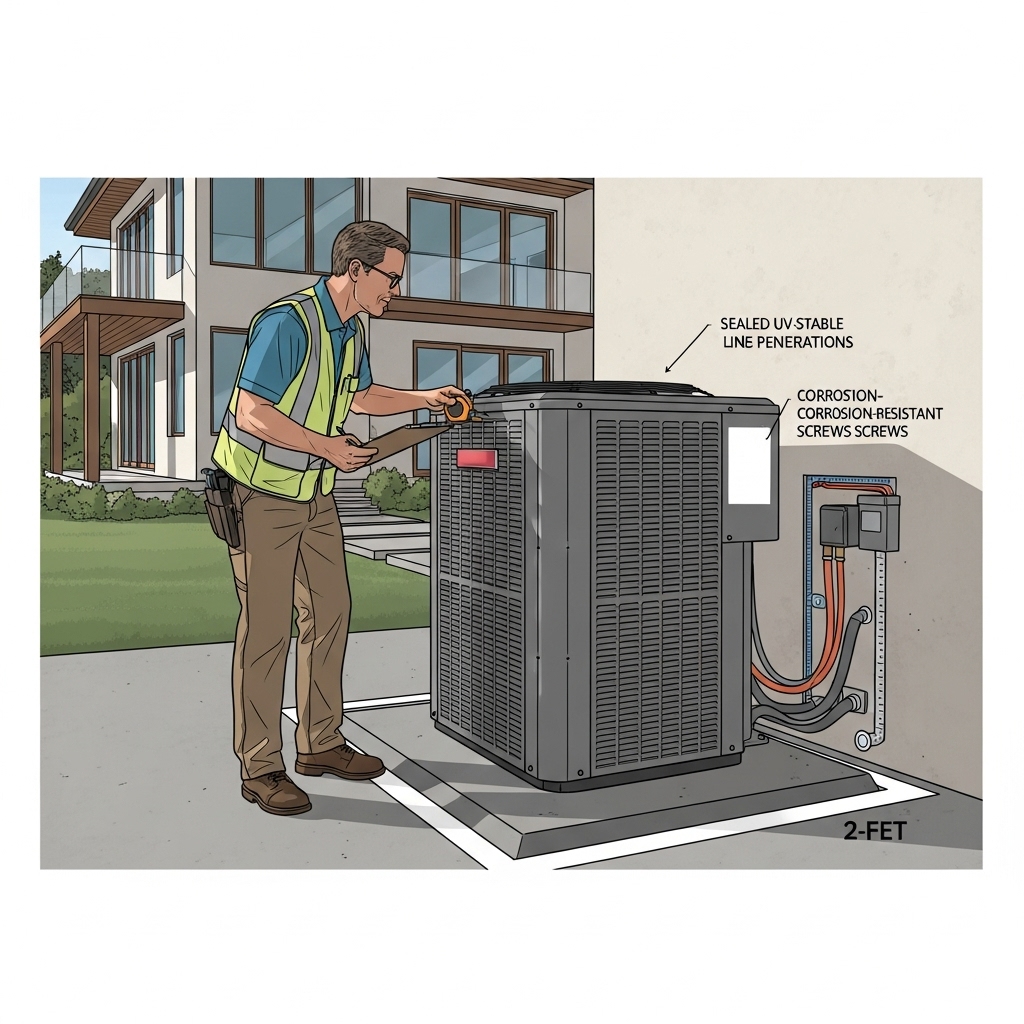
- Clear the Area: Ensure there is at least two feet of clearance around the outdoor condenser unit. Remove weeds, bushes, or stored items that might obstruct the technician's access.
- Locate the Indoor Unit: Clear a path to the furnace or air handler, usually located in an attic, closet, or crawlspace. If it is in the attic, ensure the access ladder is functional.
- Note Performance Issues: Keep a log of any "hot spots" in the house or times of day when the system seems to struggle. This helps the technician pinpoint ductwork or thermostat issues.
- Check Your Filter: If you have a dirty filter, replace it before the inspector arrives. This ensures they are measuring the system's "true" airflow potential.
Frequently Asked Questions
Can I perform an air conditioning inspection myself?
While homeowners can perform basic maintenance—such as changing filters and cleaning debris from the outdoor unit—a formal inspection requires specialized tools. Homeowners generally do not have the EPA-mandated refrigerant gauges, calibrated multimeters, or the training to interpret electrical "amp draws." Furthermore, DIY maintenance does not satisfy the requirements for most manufacturer warranties.
How long does a professional AC inspection take?
A thorough residential inspection typically takes between 60 and 90 minutes. This timeframe allows the technician to cycle the system through its startup, steady-state, and shutdown phases while performing all necessary electrical and mechanical measurements. If the technician is finished in 15 minutes, it is likely they performed a cursory visual check rather than a comprehensive inspection.
Does an inspection include cleaning the coils?
In most standard inspection packages, a "visual check" of the coils is included, but a deep chemical cleaning is often an additional service. However, many HVAC companies offer "Tune-Up" packages that combine the inspection with a basic rinse of the outdoor condenser coils. Always clarify the scope of work with the service provider before they arrive.
What is the best time of year for an inspection?
The optimal time for an AC inspection is early spring, before the peak cooling season begins. This timing ensures that any discovered issues can be repaired before the first heatwave, and HVAC companies are generally less busy, making it easier to schedule a convenient appointment.
My AC is brand new; do I still need an inspection?
Yes. Even new systems require annual inspections to maintain the manufacturer's warranty. Additionally, new installations can sometimes have "settling" issues, such as minor refrigerant leaks at a flare fitting or ductwork that has shifted, which an early inspection can catch and correct for free under the installer's labor warranty.
Summary and Next Actions
The importance of professional air conditioning inspections cannot be overstated in 2026. With rising energy costs and complex new equipment standards, a proactive approach to maintenance is the only way to ensure home comfort and financial predictability.
Recommended Action: Locate your HVAC system's installation date and check your warranty terms. If it has been more than 12 months since your last professional service, contact a NATE-certified (North American Technician Excellence) technician to schedule a comprehensive 21-point inspection. Documenting these visits in a dedicated home maintenance log will not only help you troubleshoot future issues but will also add significant value and peace of mind should you choose to sell your property.