Securing professional air conditioner service in Philadelphia is essential for handling the region's humid summers, high cooling demands, and historic row-home layouts. Effective upkeep involves seasonal maintenance tune-ups, rapid diagnostic troubleshooting, and timely repairs to maximize energy efficiency, extend equipment lifespan, and ensure reliable indoor comfort during peak heatwaves.
Navigating the landscape of HVAC care in the Delaware Valley requires understanding what comprehensive technical service entails, how local climate factors impact system performance, and what to look for when hiring licensed technicians. Whether you reside in a modern Center City high-rise, a sprawling suburban property in Northeast Philadelphia, or a multi-level historic carriage house in Society Hill, managing your home cooling equipment demands an informed approach to preventive maintenance and professional intervention.
Understanding the Philadelphia Climate and Cooling Demands
Philadelphia operates within a humid continental and humid subtropical transition zone. Summers are typically characterized by prolonged stretches of high ambient temperatures frequently exceeding 90°F, paired with high relative humidity levels. This meteorological profile places continuous, heavy workloads on residential and commercial cooling systems.
When outdoor humidity is high, residential air conditioners must work harder not only to lower the air temperature but also to extract moisture from the indoor air. If a system is under-serviced or low on refrigerant, it will struggle to achieve a comfortable humidity balance, leading to sticky, indoor air and potential mold growth in ductwork. Furthermore, urban heat island effects in dense neighborhoods like South Philadelphia or West Philadelphia mean that overnight temperatures often remain elevated, giving cooling equipment very little natural relief during the peak of summer.
Core Components of Professional Air Conditioner Service
A comprehensive air conditioner service package goes well beyond a simple filter change. Professional HVAC contractors execute a rigorous multi-point inspection and cleaning protocol designed to restore factory-spec efficiency. Homeowners should understand what specific steps technicians perform during a standard preventative maintenance visit.
Diagnostic and Electrical Checks
- Capacitor and Contactor Testing: Technicians measure electrical draw on run and start capacitors. Weak capacitors are a leading cause of compressor and fan motor failure.
- Voltage and Amperage Verification: Monitoring electrical current ensures the compressor and blower motor operate within manufacturer tolerances, preventing motor burnout.
- Thermostat Calibration: Checking thermostat communication verifies that temperature setpoints match actual indoor delivery and cycling patterns.
Mechanical and Airflow Inspections
- Blower Assembly Inspection: Cleaning and balancing the blower wheel prevents vibration, noise, and restricted airflow.
- Coil Cleanliness Evaluation: Inspecting indoor evaporator coils and outdoor condenser coils for particulate buildup, lint, and biological growth.
- Ductwork and Plenum Check: Identifying disconnected ducts, major air leaks, or unsealed penetrations in unfinished basements or attics.
Refrigerant and Drainage Management
- Subcooling and Superheat Calculation: Measuring refrigerant pressures and temperatures to detect subtle leaks or undercharged/overcharged states.
- Condensate Line Flushing: Clearing algae, sediment, and slime buildup from condensate drain lines to prevent costly overflow water damage to ceilings and drywall.
Routine Maintenance vs. Emergency Repairs
Recognizing the distinction between routine seasonal tune-ups and emergency repair calls helps homeowners save money and avoid catastrophic equipment failure.
Routine maintenance should ideally be performed in the spring before the intense summer heat arrives. This scheduled attention allows technicians to identify worn parts—such as a frayed belt or a bulging capacitor—and replace them before they cause a complete system breakdown on a 95-degree July afternoon.
Emergency repairs, conversely, address sudden system failures during peak operating windows. Common triggers for emergency service calls in Philadelphia include:
- Complete Loss of Cooling: The system blows ambient or warm air despite the thermostat calling for cooling.
- Electrical Trips: The outdoor condensing unit instantly trips the main circuit breaker or fuse box when attempting to start.
- Ice Formation: Thick sheets of frost or ice coating the refrigerant lines, evaporator coil, or outdoor unit.
- Water Leaks: Pooling water or active dripping from the indoor air handler or ceiling register vents, often caused by a completely blocked condensate drain line or frozen coil thawing out.
- Screeching or Grinding Noises: Loud metallic sounds indicating imminent bearing failure inside the blower motor or compressor.
Common Air Conditioner Problems in Philadelphia Homes
Philadelphia’s diverse housing stock introduces unique engineering challenges for heating, ventilation, and air conditioning systems. The city features a high concentration of historic row homes, twins, and Victorians, alongside mid-century colonials and modern newly constructed condominiums. Each structural style presents distinct HVAC hurdles.
Historic Row Homes and Ductwork Limitations
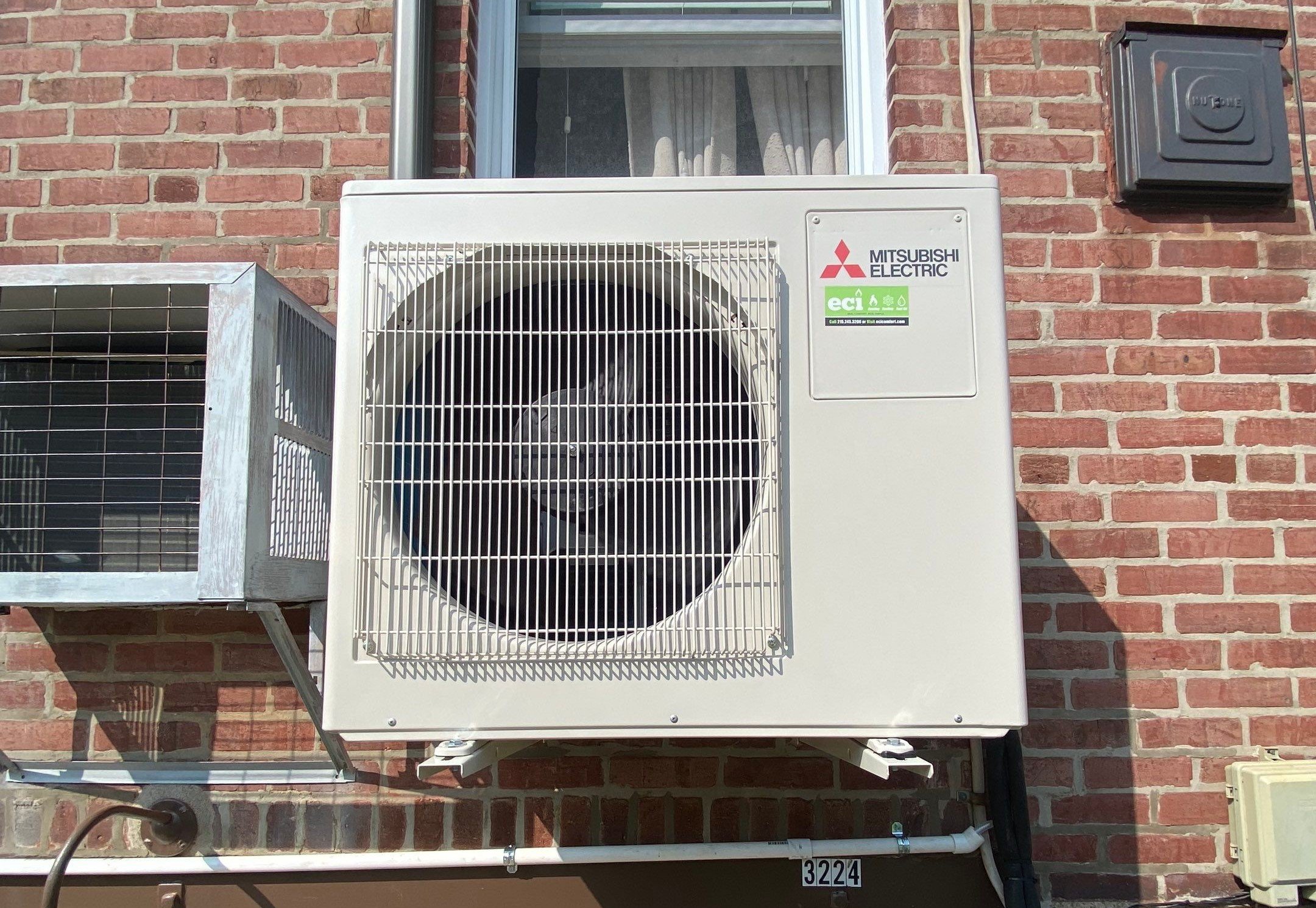
Many historic Philadelphia properties lack pre-existing ductwork designed for central forced-air systems. Homeowners frequently rely on high-velocity mini-duct systems or ductless mini-split heat pumps. Service technicians working on these systems must possess specialized knowledge of electronic inverter compressors, specialized line-set routing through structural brick walls, and multi-zone electronic control boards.
Urban Particulates and Outdoor Coil Fouling
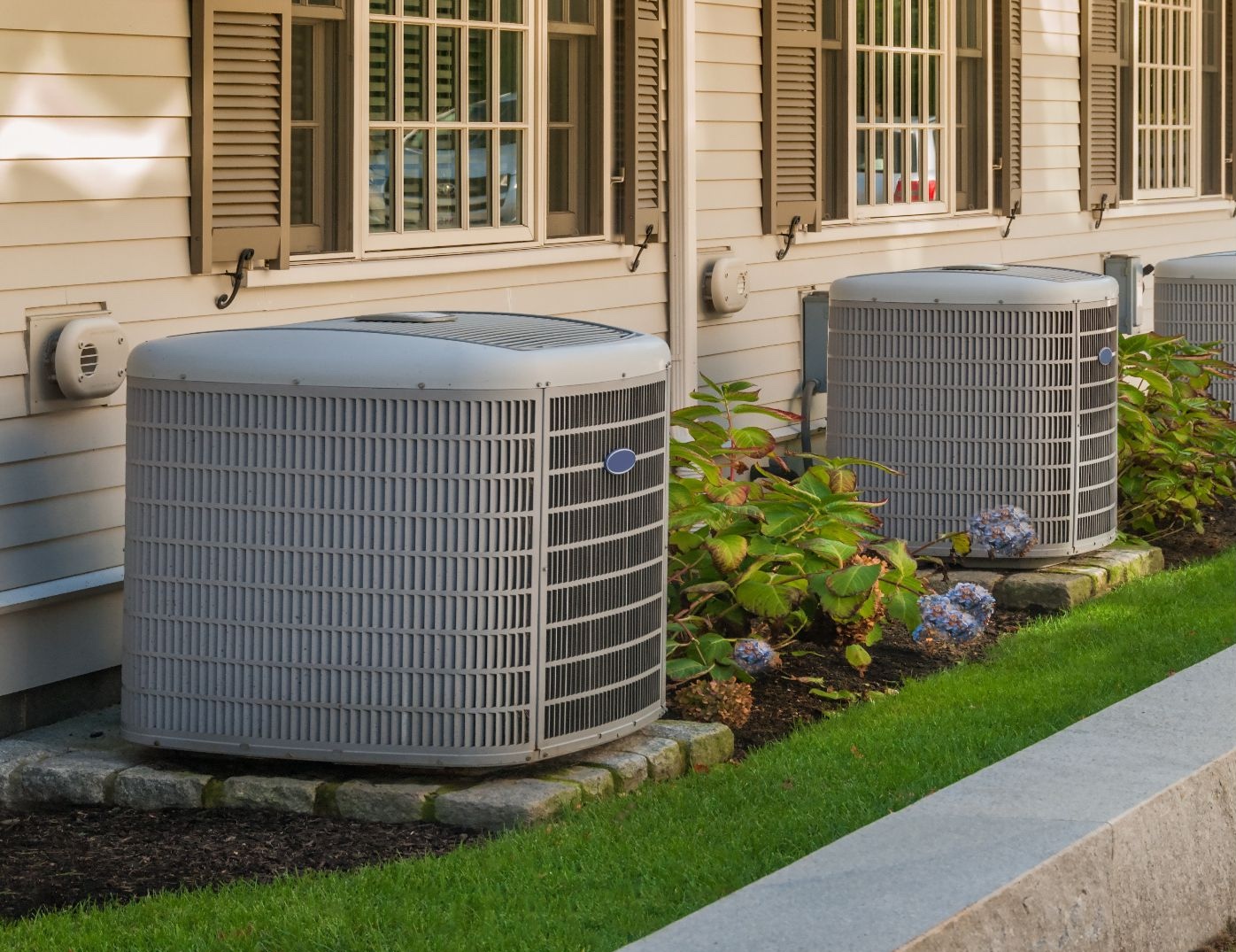
Urban environments feature higher concentrations of airborne dust, vehicular exhaust particulates, pollen, and construction debris. Outdoor condenser coils located in tight urban alleys or small concrete backyards can rapidly accumulate urban grime. When these aluminum fins become packed with dirt, heat transfer efficiency plummets, forcing the system to run longer cycles, consume more electricity, and accelerate mechanical wear.
Aging Infrastructure and Electrical Capacity
Older residential neighborhoods across Philadelphia often feature legacy electrical panels supplying 100-amp service. Upgrading to a modern high-seer central air conditioning system frequently requires coordinating with PECO (Philadelphia Electric Company) and local electricians to ensure the home's electrical service panel can handle the startup surge amperage safely.
Service Comparison Matrix
To help homeowners evaluate different types of air conditioning service engagements, the following matrix outlines standard expectations, typical frequencies, and primary objectives for various service tiers.
| Service Type | Recommended Frequency | Primary Objectives | Typical Scope of Work |
|---|---|---|---|
| Spring Tune-Up | Annually (Pre-Summer) | Maximize efficiency, prevent breakdowns, lower monthly electric bills. | Coil inspection, electrical testing, refrigerant check, condensate line flush, filter replacement. |
| Repair Service | As Needed (On-Demand) | Restore failed equipment to safe, operational condition. | Component diagnostics (capacitors, contactors, motors), refrigerant leak search, part replacement. |
| System Replacement | Every 10–15 Years | Upgrade obsolete, inefficient, or unrepairable equipment. | Sizing calculation (Manual J), equipment removal, duct modification, new installation, city permits. |
| Indoor Air Quality (IAQ) Service | Annually or Bi-Annually | Reduce allergens, dust, and humidity-driven mold spores. | UV germicidal lamp installation, media air filter upgrades, dehumidification integration. |
Selecting a Qualified HVAC Contractor in Philadelphia
Hiring a reputable, licensed air conditioner service provider in Philadelphia requires due diligence. Because the HVAC industry attracts both elite master technicians and unqualified operators, consumers should verify credentials before signing service agreements.
Licensing, Insurance, and Certifications
- Pennsylvania Home Improvement Contractor (HIC) Registration: Any contractor performing residential home improvements valued at over $5,000 must be registered with the Pennsylvania Office of Attorney General (PA HIC number).
- Local City Licenses: Philadelphia requires mechanical contractors to hold proper commercial activity licenses and trade licenses issued by the Department of Licenses and Inspections (L&I).
- EPA Section 608 Certification: Federal law mandates that any technician handling refrigerants (such as R-410A or legacy R-22) must be certified by the Environmental Protection Agency.
- Liability and Workers' Compensation Insurance: Always request certificates of insurance directly from the provider's insurance agency to protect your property against accidental damage or workplace injuries.
Red Flags to Avoid
- Unsolicited Door-to-Door Offers: Be cautious of contractors offering heavily discounted tune-ups door-to-door, as they frequently use high-pressure sales tactics to manufacture non-existent emergencies.
- Refusal to Provide Written Estimates: Legitimate companies provide clear, itemized quotes detailing labor, equipment model numbers, and material costs before initiating work.
- High-Pressure Freon Upsells: If a technician immediately claims you need a massive refrigerant charge without performing a thorough leak check and superheat/subcooling measurement, seek a second opinion.
Frequently Asked Questions
How often should I schedule professional air conditioner maintenance in Philadelphia?
You should schedule a professional tune-up once per year, ideally in the spring before extreme summer temperatures arrive. Annual maintenance ensures optimal energy efficiency, catches minor electrical faults early, and maintains manufacturer warranty compliance.
Why is my air conditioner freezing up during peak summer heat?
A frozen evaporator coil is typically caused by restricted airflow—such as a heavily clogged air filter or blocked return vents—or low refrigerant levels caused by a leak. Turn off the cooling system immediately, turn the fan setting to "On" to help thaw the ice, and call a professional technician.
Are ductless mini-split systems common in Philadelphia row homes?
Yes. Because many historic Philadelphia row homes lack vertical ductwork, ductless mini-split heat pumps have become extremely popular. They provide efficient zoned cooling and heating without requiring destructive drywall tear-out for bulky metal ducts.
What SEER rating should I look for when replacing an air conditioner in Pennsylvania?
The federal minimum efficiency standard for split-system air conditioners in the northern region of the United States is 14 SEER2 (Seasonal Energy Efficiency Ratio 2). Higher-efficiency units ranging from 16 to 20+ SEER2 feature variable-speed compressors that offer superior humidity control and lower long-term utility bills, though they carry higher upfront installation costs.
Do I need a city permit to replace my central air conditioner in Philadelphia?
Yes. The Philadelphia Department of Licenses and Inspections (L&I) generally requires mechanical permits for replacing central heating and cooling equipment to ensure installations comply with municipal building, electrical, and mechanical codes. Licensed contractors typically pull these permits on behalf of the homeowner.
Next Actions and Maintenance Recommendations
To maintain a comfortable indoor environment throughout Philadelphia's demanding summer seasons, establish a proactive routine. Replace your standard disposable air filters every 30 to 90 days, keep your outdoor condenser unit clear of overgrown shrubs, fallen leaves, and mulch by at least two feet, and schedule a professional spring tune-up well in advance of the first major heatwave. By pairing diligent homeowner habits with certified professional service, you will protect your equipment investment and ensure reliable cooling performance year after year.