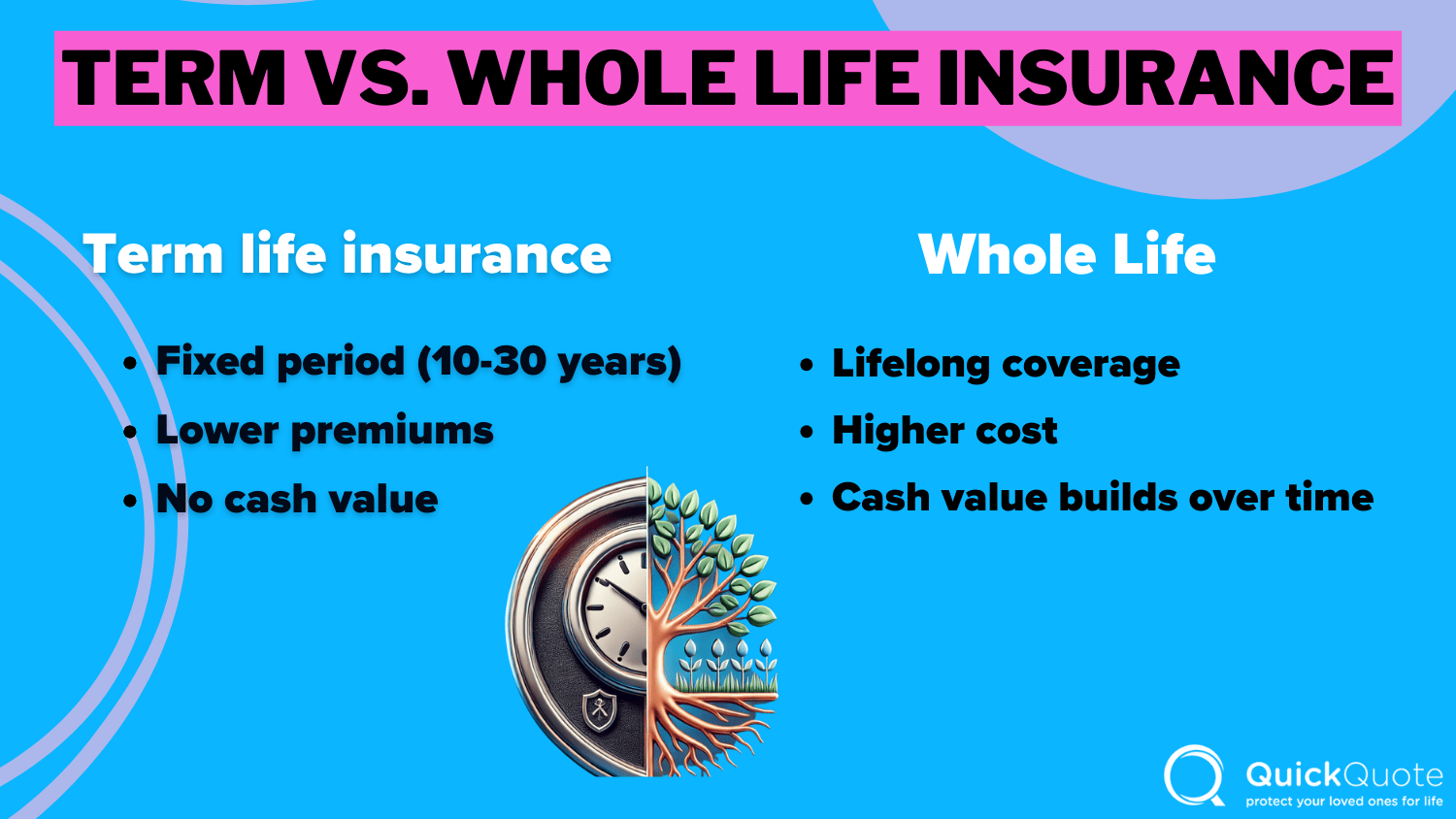
Navigating the AIG life insurance whole life claims process involves notifying the company of the policyholder's passing, submitting a formal claim form along with a certified death certificate, and selecting a payout method. Beneficiaries must manage tax implications and financial decisions carefully, as whole life policies often include cash value components that influence the final settlement and distribution of funds.
Understanding the Role of Whole Life Insurance in the AIG Portfolio
Whole life insurance is a form of permanent coverage designed to remain in force for the duration of the insured’s life, provided that premiums are paid. Unlike term life insurance, which is limited to a specific period, whole life policies include a cash value accumulation component. This feature allows the policy to function as both a death benefit vehicle and a potential financial asset.
When dealing with a claim for an AIG-issued whole life policy, it is vital to recognize that you are navigating a legal contract that has been in place for years or even decades. The company’s obligations are clearly defined within the policy document. The "claims process" is the administrative procedure through which the beneficiary exercises their right to the death benefit and, where applicable, any remaining cash value or declared dividends. Understanding the specific policy terms is the first step toward a successful resolution.
Immediate Steps Upon the Death of the Insured
The process of filing a claim should begin as soon as is practicable after the death of the insured. While there is no universal "deadline" set by law that voids a policy for a late filing, delays can complicate the search for records, increase the risk of policy lapses (if premiums were still due), and delay the financial security the policy is intended to provide.
- Locate the Policy Document: The physical or digital policy document contains the policy number, the issuing entity (as AIG has multiple subsidiaries), and essential contact information. If you cannot find the policy, the death certificate and the Social Security number of the insured are required to initiate a search through AIG’s beneficiary services.
- Obtain Certified Death Certificates: You will need multiple original, certified copies of the death certificate. Financial institutions, including AIG, require these to verify the date, cause, and location of death. Do not submit photocopies, as they are rarely accepted for legal and audit purposes.
- Contact the Claims Department: Initiate the claim notification process through AIG’s dedicated life insurance claims portal or via their customer service telephone line. At this stage, you will be assigned a claims representative who will provide a specific claim package tailored to your policy type.
The Formal Claims Process: From Submission to Payout
The administrative journey from notification to payout follows a structured verification path. AIG, like all major insurers, must perform "due diligence" to ensure that the beneficiary is legitimate and the policy is active.
1. Completing the Claim Form
The claim form will ask for the beneficiary’s personal information, their relationship to the insured, and their preferred method of payment. Accuracy here is paramount. Any discrepancies between the information provided on the claim form and the information on file with AIG can trigger a secondary review, extending the processing timeline.
2. Submission of Supporting Documentation
You must return the signed claim form along with the certified death certificate. In certain instances, such as if the death occurred within the "contestability period"—usually the first two years of a policy—AIG may request additional medical records or a police report to verify the cause of death.
3. Review and Verification
The claims department reviews the documentation against the original policy application. During this phase, they verify:
- The status of the policy (to ensure it has not lapsed).
- Any outstanding policy loans, which are deducted from the death benefit.
- Any beneficiary designations, ensuring the payment is made to the rightful party.
4. Payment Disbursement
Once approved, AIG issues the death benefit. Beneficiaries generally have several options for receiving funds, including a lump-sum payment (often deposited into a retained asset account or via check) or structured settlement options that provide periodic income.
Important Considerations: Loans and Cash Value
A significant distinction for whole life insurance compared to term insurance is the existence of cash value. If the insured had taken out policy loans during their lifetime, these remain as a debt against the policy.
When a death claim is processed, AIG will subtract any unpaid loan balance, plus accrued interest, from the total death benefit. Beneficiaries often find this surprising if they were unaware of the insured’s financial arrangements. Furthermore, if the policy was "paid up" or had dividends assigned to increase the death benefit, those amounts must be reconciled. Always request an "account summary" from your claim representative to understand the math behind the final settlement figure.
Financial and Tax Implications
For most beneficiaries, the life insurance death benefit is generally received income-tax-free under current federal tax laws. However, there are nuances that require caution:
- Interest Income: If you choose a settlement option where the funds remain with AIG and pay out over time, the interest portion of those payments may be subject to income tax.
- Estate Taxes: While the death benefit is income-tax-free, it is usually included in the deceased’s gross estate for federal estate tax purposes. If the estate is large enough to exceed federal exemption thresholds, the insurance proceeds could affect the overall tax liability of the estate.
- Retained Asset Accounts: If AIG issues the benefit into an interest-bearing account (often called a "checkbook" or "retained asset account"), the money in that account is not technically insurance; it is a deposit with the insurer. Interest earned on this account is taxable.
Troubleshooting Common Issues
If you encounter roadblocks, maintain a professional and persistent approach. Common issues include:
- Disputed Beneficiary Claims: If there is a dispute regarding who is entitled to the funds, AIG may "interplead" the funds. This means the money is turned over to a court to decide the rightful recipient, and the company is relieved of the obligation to choose between parties.
- Missing Policy Records: If you believe a policy exists but cannot find the paperwork, utilize the National Association of Insurance Commissioners (NAIC) Life Insurance Policy Locator service. This helps match potential beneficiaries with unclaimed policies.
- Unresponsive Communication: Keep a detailed log of every interaction. Note the date, the name of the representative you spoke with, and a summary of the guidance provided. If a file is stalled, ask for a "case escalation" through the supervisor of the claims department.
Comparison of Settlement Options
When you file the claim, you will choose how to receive the proceeds. The following table highlights the common options available for AIG whole life policyholders.
| Settlement Option | Description | Best For |
|---|---|---|
| Lump Sum | A single, one-time payment for the full face amount. | Immediate liquidity for debt or major expenses. |
| Interest Option | The proceeds stay with AIG; you receive only the interest. | Generating a steady, low-risk income stream. |
| Fixed Period | Payments made over a set number of years (principal + interest). | Budgeting for specific goals like education or mortgage. |
| Life Income | Payments guaranteed for the lifetime of the beneficiary. | Long-term financial security and legacy planning. |
Frequently Asked Questions (FAQ)
Does AIG pay interest on death benefits from the date of death? Yes, in many jurisdictions, insurers are required by state law to pay interest on the death benefit from the date of the insured's death until the date the claim is paid. This is meant to compensate the beneficiary for the time value of money during the processing period.
What happens if the policy has an outstanding loan? If the insured had an unpaid loan on the whole life policy, AIG will deduct the principal and any accrued interest from the death benefit before releasing the funds to the beneficiary. This is standard practice, as the loan was borrowed against the policy's cash value.
How long does the typical AIG claims process take? While simple, uncontested claims can be processed within a few weeks, complex cases—such as those involving missing paperwork, disputes between potential beneficiaries, or deaths occurring within the contestability period—can take several months.
Do I need an attorney to file a claim? In most cases, no. The process is designed to be user-friendly for beneficiaries. However, if there is a legal dispute over the estate, if the primary beneficiary is incapacitated, or if you believe the claim has been wrongfully denied, consulting with an estate or probate attorney is advisable.
Can I track the status of my claim online? AIG provides online portals for policyholders and beneficiaries. Once you have initiated a claim and received your case number, you should ask your claims representative if you have access to a web portal to monitor the documentation status and expected payout timeline.
Next Actions for Beneficiaries
To move forward effectively, begin by gathering the required documentation: the certified death certificate, the policy number, and your own government-issued identification. Visit the official AIG claims website to initiate the notification process immediately. Once your claim is logged, request a clear timeline for review and a comprehensive explanation of any adjustments made to the death benefit, such as outstanding loans or dividend adjustments. Stay proactive by maintaining a dedicated file for all correspondence, as this will prove essential for your tax planning and financial record-keeping in the year ahead.