Developing an effective skincare routine is less about chasing trends and more about understanding the biological progression of your skin. Because skin physiology shifts due to hormonal changes, cellular turnover rates, and environmental exposure over time, a "one-size-fits-all" approach rarely yields long-term results. By aligning your product choices and habits with the specific requirements of your current decade, you can maintain skin integrity, prevent premature damage, and address emerging concerns with precision.
Understanding the Biological Progression of Skin
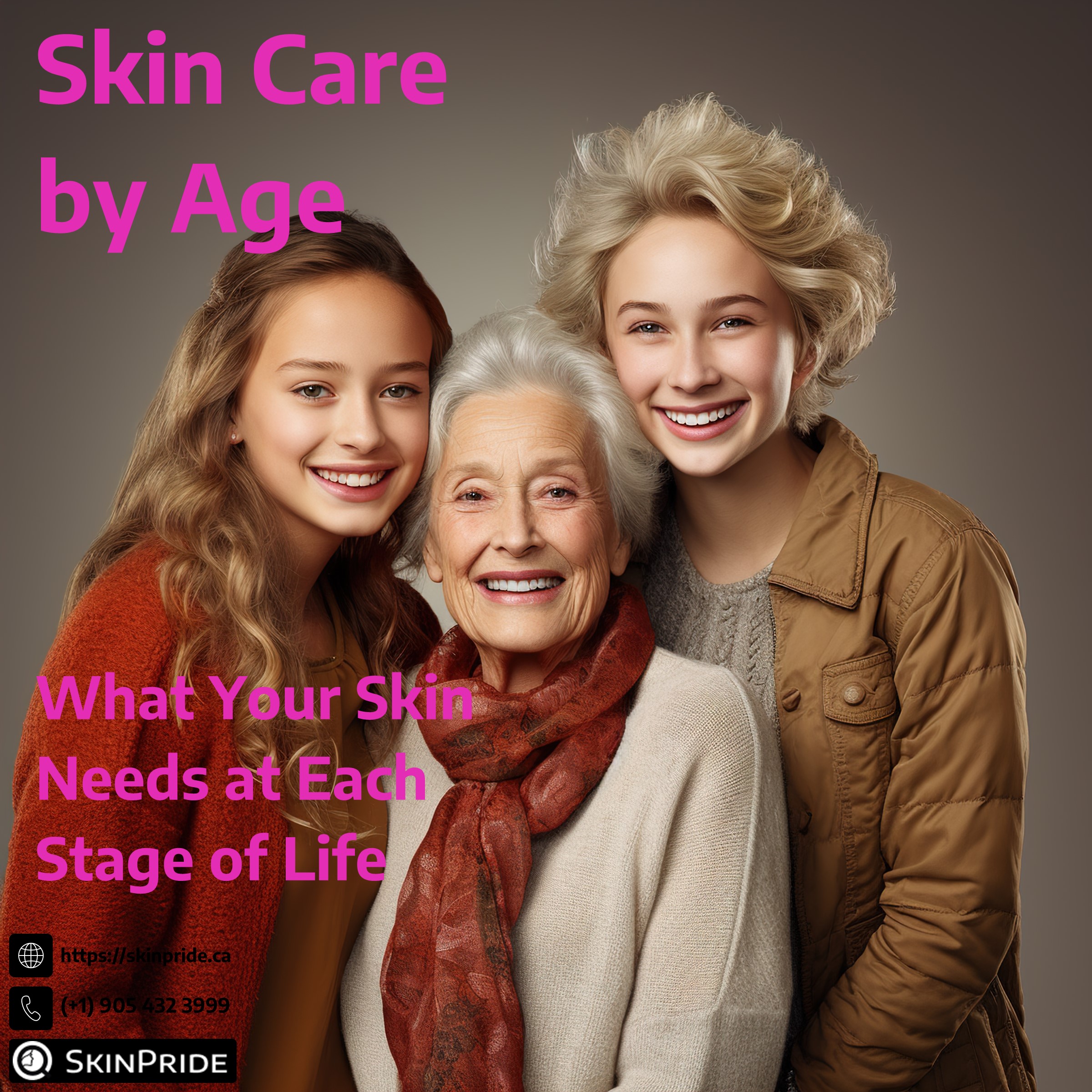
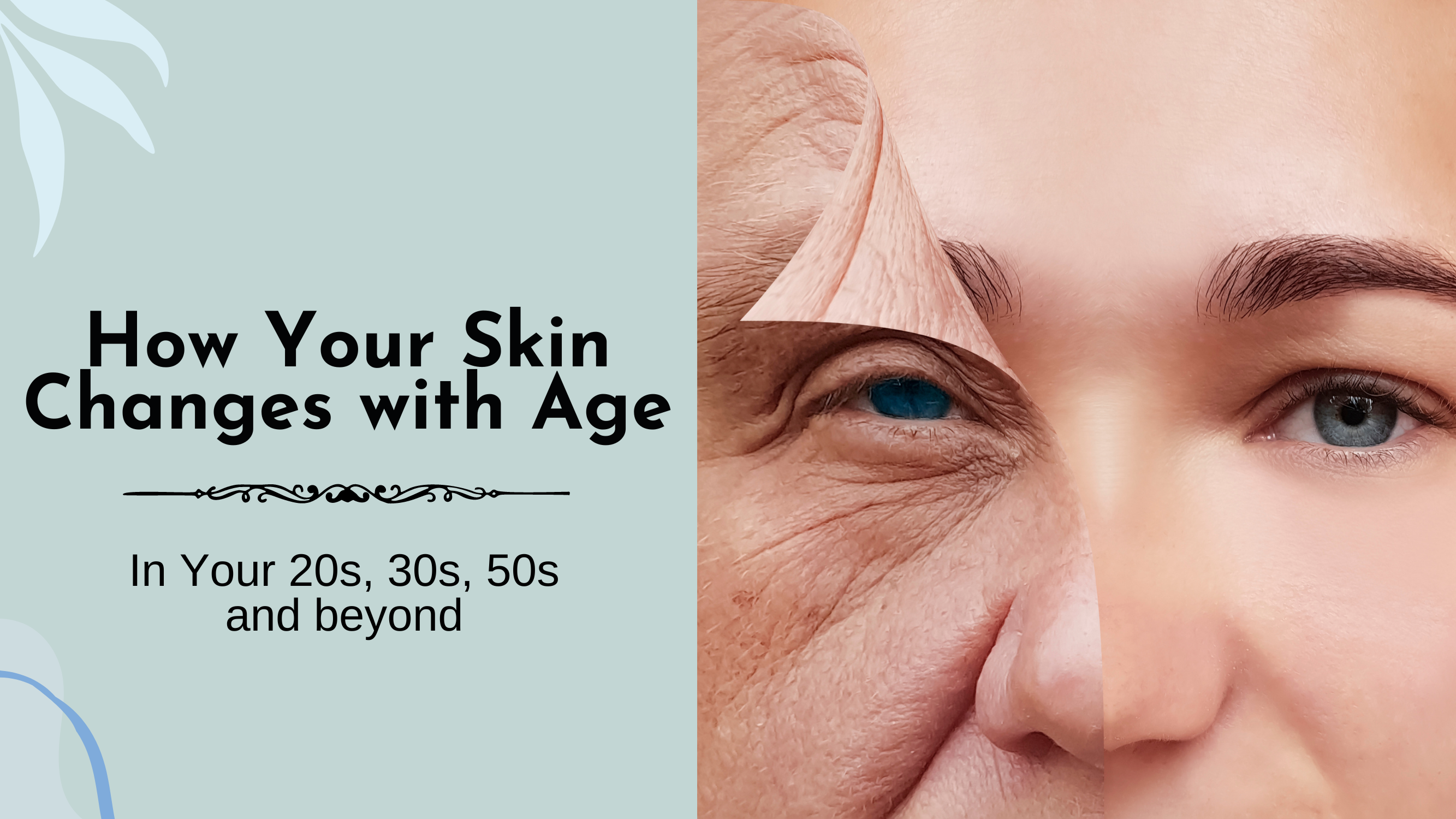
The skin is the body's largest organ and undergoes continuous structural changes from adolescence through late adulthood. In your twenties, the primary focus is preservation and protection, as collagen production remains relatively robust. As you enter your thirties and forties, the focus shifts toward maintenance and the active stimulation of collagen and elastin to combat visible fine lines. By the time you reach your fifties and beyond, the priority often turns to hydration, barrier fortification, and addressing hyperpigmentation or thinning skin associated with hormonal shifts.
The Decadal Approach
The following breakdown classifies skin care needs by age range to help you prioritize your active ingredients and maintenance strategy.
Skincare in Your 20s: The Era of Prevention
During your twenties, the goal is to establish habits that prevent future damage. The skin’s turnover rate is usually at its peak, and collagen density is high.
- The Non-Negotiables: A broad-spectrum sunscreen with SPF 30 or higher used daily is the most effective anti-aging product available.
- Preventative Actives: Introducing a gentle Vitamin C serum in the morning can help neutralize free radicals from pollution and UV exposure.
- Cleansing: A gentle, non-stripping cleanser is essential to maintain the moisture barrier. Avoid over-exfoliating, which can lead to unnecessary inflammation.
Skincare in Your 30s: Addressing Early Signs
In your thirties, you may notice the first signs of sun damage and fine lines. Collagen production begins to slow, and the skin may appear slightly less radiant.
- Retinoids: This is the ideal decade to introduce retinoids (such as retinol or prescription tretinoin). These derivatives of Vitamin A increase cell turnover and stimulate collagen production.
- Hydration: Hyaluronic acid becomes vital to pull moisture into the epidermis, softening the appearance of fine lines.
- Eye Care: Because the skin around the eyes is the thinnest, using a dedicated eye cream or incorporating your moisturizer carefully around the orbital bone helps manage early crow's feet.
Skincare in Your 40s: Support and Repair
The mid-life period often brings changes in skin texture and elasticity. Hormonal fluctuations can lead to increased dryness or uneven skin tone.
- Advanced Serums: Incorporate peptides, which act as building blocks for proteins like collagen.
- Exfoliation: If you haven't already, introduce chemical exfoliants like glycolic or lactic acid to brighten the complexion by removing dead skin cells that cause dullness.
- Rich Moisture: Move toward heavier creams containing ceramides, which help rebuild the lipid barrier and prevent transepidermal water loss.
Skincare in Your 50s and Beyond: Barrier Fortification
As the skin becomes thinner and less capable of retaining moisture, the goal shifts to comfort, protection, and deep nourishment.
- Barrier Repair: Seek out ingredients like squalane, fatty acids, and niacinamide to keep the skin barrier robust.
- Targeted Treatment: If age spots or hyperpigmentation are concerns, consult with a dermatologist regarding brightening agents like kojic acid or prescription-strength hydroquinone.
- Neck and Decolletage: Extend your skincare routine to these often-neglected areas, as they are prone to significant sun damage and thinning.
Comparative Overview of Skincare Objectives
The following table summarizes the primary objectives and priority ingredients for different stages of life.
| Age Stage | Primary Goal | Focus Ingredient | Key Habit |
|---|---|---|---|
| 20s | Protection | Vitamin C | Daily Sunscreen |
| 30s | Prevention | Retinol | Consistent Hydration |
| 40s | Collagen Support | Peptides | Regular Exfoliation |
| 50s+ | Barrier Health | Ceramides | Rich Emollients |
The Role of Lifestyle in Topical Efficacy
Skincare does not exist in a vacuum. The efficacy of your topical routine is heavily influenced by systemic health. By 2026, the consensus among dermatological research remains that internal factors directly impact skin vitality.
Nutrition and Hydration
A diet rich in antioxidants—found in fruits, vegetables, and healthy fats—supports the skin from the inside out. Essential fatty acids, such as those found in Omega-3-rich fish or flaxseeds, help maintain the lipid barrier of the skin. Conversely, excessive sugar intake can lead to glycation, a process where sugar molecules bond to proteins like collagen, effectively "stiffening" them and leading to visible sagging.
Sleep and Stress Management
Sleep is the body’s primary window for cellular repair. During the deep sleep phases, the body increases blood flow to the skin and triggers protein synthesis. Chronic stress, however, elevates cortisol levels. Prolonged cortisol elevation can trigger inflammation, delay wound healing, and exacerbate conditions like acne or eczema. Prioritizing rest is, therefore, a foundational component of any skincare regimen.
Common Mistakes Across All Ages
Regardless of your age, several common pitfalls can derail your progress. Avoiding these will simplify your routine and improve your results.
- Over-exfoliation: Utilizing physical scrubs or chemical peels too frequently can destroy the acid mantle of the skin, leading to chronic sensitivity, redness, and impaired barrier function.
- Inconsistent Application: Most active ingredients (like retinoids or Vitamin C) require consistent, long-term use to yield visible changes. Cycling through products every few weeks prevents your skin from adjusting to the actives.
- Ignoring the Neck and Hands: These areas often reveal age faster than the face because the skin is thinner and frequently exposed to the sun without protection.
- Misidentifying Skin Type: Many people believe they have "oily skin" when they actually have "dehydrated skin" that is overproducing oil to compensate for a lack of water. Treating dehydrated skin with harsh drying agents will exacerbate the issue.
Professional Procedures and When to Consider Them
While topical skincare is effective, there are limitations to what creams can achieve. By 2026, professional dermatological procedures are standard adjuncts to home routines.
- Chemical Peels: These use higher concentrations of acids to remove the outer layer of damaged skin, useful for texture issues and pigment irregularities.
- Laser Therapy: Technologies like fractional CO2 lasers or intense pulsed light (IPL) target deeper layers of the dermis to stimulate collagen production and treat vascular concerns.
- Injectables: Neuromodulators and fillers are often used to address dynamic wrinkles (lines caused by muscle movement) or volume loss, which topicals cannot physically replace.
Consulting with a board-certified dermatologist allows you to distinguish between "marketing" claims and "clinical" evidence. If you have specific concerns regarding skin conditions, such as rosacea, melasma, or severe acne, professional oversight is essential to avoid compounding the problem with over-the-counter products.
Frequently Asked Questions
Can I start using anti-aging products too early?
There is no age that is "too early" for basic sun protection and hydration, as these are the cornerstones of skin health at any stage. However, using high-strength actives like potent retinoids in your early twenties is often unnecessary and may cause unnecessary irritation. Focus on protection first, and introduce corrective actives only as your skin’s needs change.
Should my skincare routine change with the seasons?
Yes, seasonal changes significantly impact your skin's moisture requirements. During winter, humidity levels drop, which often necessitates the use of occlusives or richer, oil-based moisturizers to prevent transepidermal water loss. In the summer, you might prefer lighter, gel-based hydrators that are less likely to clog pores in humid, hot conditions.
Does "natural" mean better for aging skin?
Not necessarily. The term "natural" is not a regulatory standard in skincare. Many synthetic ingredients, such as peptides or stabilized Vitamin C, are highly effective and backed by rigorous safety data. Always prioritize ingredients with established clinical efficacy over marketing terms. If you have sensitive skin, look for products labeled as hypoallergenic or fragrance-free, regardless of whether the ingredients are naturally derived or synthesized.
Why does my skin feel "tight" after cleansing?
If your skin feels tight after washing, your cleanser is likely too harsh. A cleanser should remove dirt, pollutants, and excess sebum without stripping the natural oils and beneficial flora on your skin. If you feel tightness, switch to a cream-to-foam or a gentle milk cleanser. Maintaining the pH balance of your skin is critical to preventing inflammation.
Is it necessary to spend a lot of money on skincare?
Expensive products often account for marketing, branding, and luxury packaging rather than superior formulation. You can find highly effective ingredients in budget-friendly, science-backed brands. The most important factor is the concentration of active ingredients and the overall formulation stability. Prioritize spending your budget on high-quality sunscreens and long-term treatment serums rather than luxury cleansers or toners.
Practical Next Steps for Your Skin
To transition your current routine toward a more effective, age-appropriate model, perform the following steps:
- Inventory Your Products: Remove any products that contain irritating fragrances or high levels of drying alcohols.
- Audit Your Sun Protection: Ensure your current SPF is at least 30 and that you are using a sufficient amount daily. If you are not wearing sunscreen every day, this is your immediate priority.
- Introduce One Active at a Time: If you are adding a new treatment (e.g., a retinoid or an AHA/BHA exfoliant), introduce it slowly—perhaps twice a week—to ensure your skin tolerates it before increasing frequency.
- Track Your Results: Take a photo of your skin in consistent lighting every month. Because progress happens gradually, it is often difficult to see changes day-to-day. A monthly record will provide objective evidence of what is working.
- Seek Professional Advice: If you are unsure of your skin type or if you have persistent skin concerns, schedule an appointment with a dermatologist. This is the most efficient way to stop "trial-and-error" spending and start a plan tailored to your specific biology.
By viewing skincare as a long-term, evolving strategy rather than a series of quick fixes, you can successfully support your skin through every stage of life.