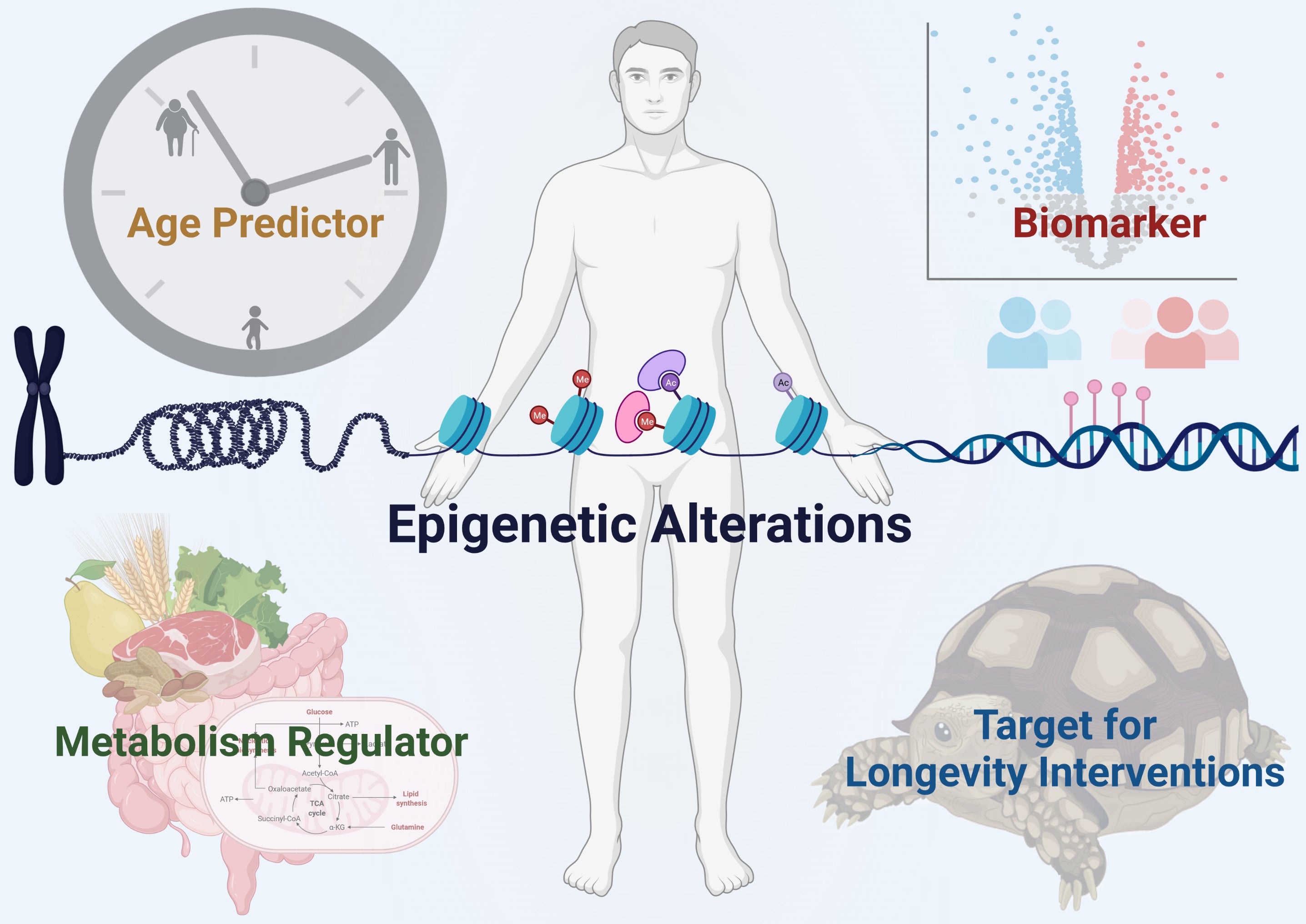
Age acceleration in skin care refers to the biological and environmental mechanisms that cause the skin to age faster than its chronological timeline, leading to premature fine lines, loss of elasticity, uneven pigmentation, and compromised barrier function. Addressing this condition requires a targeted approach combining daily photoprotection, evidence-based topical actives, lifestyle modifications, and professional dermatological interventions to mitigate cumulative cellular damage.
Defining Age Acceleration: Intrinsic Versus Extrinsic Aging
To understand why some individuals develop visible signs of skin aging prematurely, it is necessary to examine the two primary forces governing skin senescence: intrinsic aging and extrinsic aging. While intrinsic aging is an inevitable, genetically programmed biological process characterized by the slow degradation of collagen and elastin fibers over decades, extrinsic aging is driven by external environmental factors that can accelerate skin deterioration exponentially.
Extrinsic aging is responsible for what dermatologists classify as age acceleration. This phenomenon occurs when environmental stressors overwhelm the skin’s natural antioxidant defense systems, triggering a cascade of cellular damage. The most dominant contributor to extrinsic aging is photoaging, caused by exposure to ultraviolet (UV) radiation from the sun. However, modern dermatological research demonstrates that other external variables—such as high-energy visible (HEV) light, atmospheric pollution, chronic psychological stress, inadequate sleep, and poor dietary choices rich in advanced glycation end-products (AGEs)—play a massive role in accelerating skin degradation.
When these environmental aggressors repeatedly bombard the skin, they induce oxidative stress. This imbalance between free radicals and neutralizing antioxidants damages cellular lipids, proteins, and DNA. Over time, fibroblasts—the dermal cells responsible for synthesizing structural proteins like collagen and elastin—become exhausted or damaged, leading to the structural collapse of the extracellular matrix. Consequently, individuals experiencing age acceleration exhibit pronounced wrinkles, deep expression lines, severe loss of firmness, and dyschromia (uneven skin tone) far earlier in life than chronological norms would dictate.
The Cellular Mechanics of Accelerated Skin Aging
At the molecular level, age acceleration is driven by several interconnected pathological pathways. Understanding these biochemical mechanisms helps consumers select appropriate, scientifically validated skin care formulations rather than relying on unverified marketing claims.
Oxidative Stress and Free Radical Damage
Free radicals are unstable molecules possessing an unpaired electron. In a quest for stability, they steal electrons from healthy cellular components, including cell membranes, proteins, and DNA. In the skin, this process damages the structural integrity of cells. UV radiation and environmental pollutants generate vast quantities of reactive oxygen species (ROS), which rapidly deplete endogenous antioxidants like vitamin C and glutathione, leaving the skin vulnerable to unchecked cellular destruction.
Collagen Degradation via Matrix Metalloproteinases (MMPs)
Matrix metalloproteinases are a family of enzymes responsible for degrading extracellular matrix proteins. When skin is exposed to UV radiation or inflammatory stimuli, signaling pathways upregulate the production of specific MMPs—most notably MMP-1, MMP-8, and MMP-13 (collagenases). These enzymes actively break down existing collagen bundles faster than the body can synthesize new ones, resulting in thinning skin, reduced tensile strength, and the formation of wrinkles.
Glycation and AGE Formation
Glycation is a non-enzymatic reaction where excess sugar molecules in the bloodstream bind to proteins, particularly collagen and elastin. This reaction forms harmful cross-links known as advanced glycation end-products (AGEs). Once formed, AGEs make structural proteins stiff, rigid, and brittle. Because collagen and elastin lose their flexible, spring-like quality, the skin loses its resilience, becoming more susceptible to sagging and permanent creasing.
Key Environmental and Lifestyle Triggers
Identifying the root causes of age acceleration allows for proactive intervention. While genetics play a baseline role, lifestyle and environmental exposures account for the majority of premature skin aging.
- Ultraviolet (UV) Radiation: UVA rays penetrate deep into the dermis, generating free radicals and destroying collagen, while UVB rays primarily affect the epidermis, causing DNA mutations and sunburns. Both contribute heavily to photoaging and hyperpigmentation.
- Air Pollution: Airborne particulate matter (PM2.5, polycyclic aromatic hydrocarbons, and volatile organic compounds) settles on the skin, penetrating pores, generating free radicals, and triggering inflammatory pathways that degrade collagen and exacerbate conditions like melasma and acne.
- Chronic Sleep Deprivation: During deep sleep, the body undergoes restorative cellular repair and growth hormone secretion. Sleep deprivation elevates cortisol levels, which breaks down skin collagen and impairs barrier recovery, leading to dullness and accelerated fine-line formation.
- Dietary Factors: Diets high in refined sugars and processed foods accelerate glycation. Conversely, diets lacking essential fatty acids, vitamins, and antioxidants deprive skin cells of the building blocks required for lipid barrier maintenance and repair.
- Lifestyle Habits: Smoking introduces thousands of chemical toxins that constrict blood vessels, depriving the skin of oxygen and vital nutrients while directly destroying collagen and elastin. Excessive alcohol consumption dehydrates the skin and causes systemic inflammation, worsening vascular reactivity and redness.
Evidence-Based Ingredients and Topical Interventions
Mitigating age acceleration requires incorporating clinically proven active ingredients into a consistent daily skin care regimen. Each class of compounds targets specific mechanisms of cellular aging.
| Ingredient Class | Primary Mechanism of Action | Key Benefits for Age Acceleration | Typical Effective Concentration |
|---|---|---|---|
| Broad-Spectrum Sunscreens | Absorbs or reflects UV radiation before it penetrates cutaneous layers. | Prevents UV-induced free radical generation, collagen breakdown, and photoaging. | SPF 30 or higher (Mineral or Chemical filters) |
| Retinoids (Retinol, Tretinoin) | Binds to nuclear receptors, accelerating cellular turnover and stimulating collagen synthesis. | Reduces fine lines, improves texture, fades hyperpigmentation, and thickens the dermis. | 0.025% to 1.0% (Retinol/Tretinoin variants) |
| Antioxidants (Vitamin C, E, Ferulic Acid) | Neutralizes free radicals by donating electrons without becoming unstable. | Protects against environmental oxidative stress and brightens dull skin tone. | 10% to 20% L-Ascorbic Acid |
| Alpha Hydroxy Acids (Glycolic, Lactic Acid) | Exfoliates the stratum corneum by breaking down intercellular bonds. | Enhances cellular turnover, clears dead cell buildup, and improves moisture retention. | 5% to 10% (Daily use formulations) |
| Niacinamide (Vitamin B3) | Boosts ceramides, inhibits melanosome transfer, and reduces inflammation. | Strengthens skin barrier, regulates sebum, and diminishes redness and uneven tone. | 2% to 10% |
Building a Corrective Regimen
A successful anti-aging regimen balances protection, correction, and hydration. Mornings should focus on defense: cleansing gently, applying an antioxidant serum to neutralize environmental free radicals, and finishing with a broad-spectrum sunscreen of at least SPF 30. Evenings should focus on repair and renewal: removing impurities, applying active corrective ingredients such as retinoids or exfoliating acids, and sealing them in with a nourishing moisturizer rich in ceramides or peptides to support the skin barrier.
Professional Dermatological Procedures
When topical regimens and lifestyle modifications are insufficient to reverse advanced signs of age acceleration, professional dermatological treatments offer deeper remodeling and rejuvenation.
- Chemical Peels: Performed with varying depths of glycolic, trichloroacetic acid (TCA), or phenol solutions, medical-grade peels remove damaged outer epidermal layers and stimulate neocollagenesis in the upper dermis.
- Laser Resurfacing: Ablative lasers (such as CO2 or Erbium:YAG) vaporize micro-columns of damaged skin to trigger aggressive healing and collagen remodeling, while non-ablative lasers target deeper dermal structures without breaking the skin surface, minimizing downtime.
- Microneedling (Collagén Induction Therapy): Fine needles create controlled micro-injuries in the skin, initiating the wound-healing cascade that stimulates the production of new collagen and elastin fibers.
- Energy-Based Devices: Radiofrequency (RF) and ultrasound (such as Ultherapy) technologies deliver thermal energy deep into the dermal and subdermal layers, causing immediate collagen contraction and stimulating long-term tissue tightening.
Common Mistakes in Managing Accelerated Skin Aging
Navigating anti-aging skin care can be overwhelming, and well-intentioned efforts often backfire due to common misconceptions and improper product usage.
- Over-Exfoliating: Combining physical scrubs, high-strength chemical exfoliants, and retinoids simultaneously compromises the stratum corneum. A damaged skin barrier leads to chronic inflammation, moisture loss, and accelerated sensitivity—the exact opposite of skin rejuvenation.
- Neglecting Daily Sun Protection: Applying expensive anti-aging serums and retinoids while skipping sunscreen renders treatments ineffective. UV radiation continuously degrades new collagen faster than active ingredients can build it.
- Expecting Immediate Results: Skin cell turnover takes approximately 28 to 40 days, and collagen synthesis is a slow biological process. Switching products too frequently prevents active ingredients from demonstrating clinical efficacy.
- Ignoring the Neck and Chest: Skin on the neck, décolletage, and hands is thinner and possesses fewer sebaceous glands than the face, making it highly susceptible to age acceleration. Neglecting these areas creates a stark visual disparity in aging signs.
Frequently Asked Questions
What is the primary cause of age acceleration in skin care?
The primary driver of age acceleration is extrinsic aging, dominated by cumulative exposure to ultraviolet (UV) radiation from the sun. UV rays generate reactive oxygen species that destroy collagen, damage cellular DNA, and exhaust the skin's natural antioxidant defenses, leading to premature wrinkling and loss of elasticity long before chronological aging dictates.
Can premature skin aging caused by sun damage be reversed?
While completely erasing all historical sun damage is biologically impossible, significant improvements can be achieved. Consistent use of broad-spectrum sunscreens prevents further damage, while retinoids, antioxidants, chemical exfoliants, and professional treatments like lasers and chemical peels can stimulate collagen production, fade hyperpigmentation, and smooth skin texture.
At what age should someone start using anti-aging skin care products?
Preventative skin care should ideally begin in the early twenties. During this decade, natural collagen production begins to decline slightly by approximately one percent per year. Introducing daily broad-spectrum sunscreen, gentle antioxidants like vitamin C, and basic hydration early on forms the most effective defense against age acceleration.
How do retinoids combat age acceleration?
Retinoids, derivatives of vitamin A, accelerate cellular turnover in the epidermis and penetrate the dermis to stimulate the synthesis of new collagen and elastin fibers. By promoting faster shedding of damaged surface cells and inhibiting the enzymes that break down structural proteins, retinoids significantly improve skin firmness, texture, and elasticity.
Does daily stress really accelerate skin aging?
Yes, chronic psychological stress elevates systemic cortisol levels. Elevated cortisol breaks down dermal collagen, impairs the skin’s lipid barrier function, and increases systemic inflammation. This physiological response reduces skin repair capabilities, resulting in dullness, dehydration, and accelerated fine-line formation.
Conclusion and Next Actions
Age acceleration in skin care is largely driven by external stressors like UV radiation, pollution, and lifestyle habits that overwhelm natural cellular repair mechanisms. To protect your skin and reverse early signs of premature aging, audit your current regimen to ensure it features daily broad-spectrum SPF 30+ protection, proven antioxidants, and cell-renewing actives like retinoids. Prioritize barrier health over aggressive exfoliation, maintain a nutrient-dense diet, and consult a board-certified dermatologist for tailored professional treatments if targeted topical care falls short of your aesthetic goals.